REQUEST AN APPOINTMENT OR BOOK A CONSULANT – Sargam.dange.18@gmail.com
Eating Meals at Home Has Benefits
Many of today’s children and adults are part of a generation that has grown up in restaurants and fast-food eateries. Preparing and eating meals at home is a better choice for many reasons.
It is usually healthier and tastes better because the cook has control over the ingredients in meals cooked at home.
It helps to control the amounts of food served, or the portion sizes.
It allows for more family time. Teens and children can learn to prepare and serve meals.
It is generally cheaper than eating out.
Meal Planning Saves Time, Money & Stress
Taking the time to plan basic simple meals for the week saves time, money, and stress. In fact, preparing a simple meal at home takes about the same amount of time as driving to a fast-food restaurant or ordering a pizza.
Learning how to plan menus may save more money on your food budget than any other skill, allowing you to buy other necessities with the money saved. Here are some benefits of having a menu plan.
It saves trips to the grocery store.
You only buy what you need.
It relieves the stress of wondering what to cook for dinner at the last minute.
No time and energy are wasted frantically searching through the pantry for a certain food.
It provides a better variety of meal choices, and the same foods aren’t served too often.
There is no waiting while something thaws.
Leftovers are used up before they spoil.
Steps to Meal Planning
Making a meal plan is easier than most people think. Although it takes a little time upfront, it can save time in the long run. Once you get used to it, making a weekly meal plan will seem easy. All it takes is a few easy steps.
Make a food budget and determine how often you will shop, preferably no more than once a week.
Note your family’s schedule, which meals and snacks will be prepared at home or eaten away from home, and how many people will be eating each meal. This allows you to buy the right amount of food.
Write a list of the foods your family likes to eat and keep it taped inside the kitchen cabinet. When you try a new recipe that everyone likes, add it to the list.
Make enough menus for about a two-week cycle. Plan for breakfast, lunch, dinner, snacks, or five to six “mini-meals” per day. Next to each meal, write the ingredients that you need to prepare it.
Inventory the foods you have on hand and what you need to buy. Know what foods are in the refrigerator and freezer, cupboards, cabinets, and pantry. Plan to use these foods in your menus to save money at the store.
Keep a grocery list in the kitchen where you can see it. As you run out of staple food items during the week, add them to the list.
Check grocery store ads for sale items that you can use in your menus.
Write a weekly meal plan. Start with a simple plan that includes your family’s main meal of the day. When you feel comfortable with that, add in one meal at a time until you work up to a weekly plan. It should include all daily meals plus snacks, even those eaten away from home.
A Simple Meal Plan: Here is an example of a simple meal plan or menu writing system to help you get started.
Sunday: Lunch at Grandmother’s House
Monday: Meatless Monday
Tuesday: Dinner in a Crock-Pot
Wednesday: Soup & Sandwich
Thursday: Pasta Night
Friday: From the Grill
Saturday: Leftovers
REQUEST AN APPOINTMENT OR BOOK A CONSULANT – Sargam.dange.18@gmail.com
The main dish, which is the base around which the rest of the menu is planned, should provide a serving of protein (e.g., lean meat, some beans, or a low-fat dairy product). Choose side dishes that go well with the main dish and contain plenty of raw and cooked vegetables, fruits, and whole grains (e.g., bread, pasta, rice, or cereal). Serve milk and another hot or cold beverage. A dessert, such as fresh fruit, yogurt, or pudding, is optional.
Include at least one “planned-over” meal per week to use leftover food from another meal.
Recipes: When you serve your family members’ favorite foods, you make meals more enjoyable and avoid waste. Most cooks rely on a core of about 10 favorite recipes for family meals. These should be nutritious, tasty, easy to make, and quick to prepare and cook.
Collect several low-cost, nutritious recipes for main dishes to put in your rotation, and serve them often. Include a variety of lean beef, poultry, and fish and at least one meatless dish. Find recipes for fruits and vegetables that the family likes, even the child who is a picky eater. Assemble the recipes in a recipe file or box, or put them in a loose-leaf notebook.
Other Meal Planning Tips
Arrange your kitchen for easy use. Group equipment and utensils near the area where they are most often used.
Invest in some appliances (e.g., microwave oven, toaster oven, pressure saucepan, and food processor) that may reduce preparation time or cook foods in less time.
Try to time foods to finish cooking just at mealtime. Before starting a meal, think about the work to be done and the cooking time for each dish. Usually, it is best to start with the food with the longest cooking time, and then prepare the others while it cooks. However, if all the foods cook in the same amount of time, then start with the one that will hold up best.
Save clean up time by using cookware in which the foods can be cooked, served, and stored.
Make meal plans flexible so they can be switched around as needed, such as when you run out of an item, or food is on sale.
Involve family members as much as possible, because fixing meals can be fun for everyone. Allow your children to help plan and prepare one meal a week. They are more likely to try new foods if they help select and prepare them.
Post your meal plan on the refrigerator, along with a schedule of family members’ activities that may interfere with meal preparation.
Plan meals that include a variety of foods so that your family is more likely to obtain all the nutrients needed each day.
Serve a balance of family favorites and new recipes.
Vary your cooking methods (e.g., grill, bake, broil, and stir fry).
Try not to serve the same food twice in the same day.
Consider cooking with a friend and trading meals.
Why You Should Meal Plan
As I already mentioned, for me, meal planning is my saving grace when it comes to feeding my family. I could not get nutritious and delicious, balanced meals on the table for my girls by 6 pm every night if I didn’t do it. If you don’t mind serving your kids dinner on the later side or ordering take out or popping a freezer meal in the microwave every night then this reason may not be good enough for you. But here are five other reasons that may just motivate you to get on the meal planning train.
Meal planning saves you money. Take out and delivery add up, and how many freezer meals would you need to feed a family?! In general, cooking at home is more cost effective, but especially if your menu plan is based on ingredients that are on sale and in season.
Meal planning saves you time. It may take some extra time upfront when you’re sitting down to put the menu plan together, but once you know what you’re cooking for the week you know exactly what to get at the supermarket (no wasted time perusing the aisles) and you can do some meal prep ahead of time.
Meal planning reduces food waste. If you plan your menu around what’s already in your fridge, freezer, and pantry, you’ll avoid throwing out leftovers and spoiled food (another money saver).
Meal planning helps ensure a balanced plate. Thinking through what you’re serving ahead of time allows you to plan out a protein, carbohydrate, and fruits and vegetables for every meal.
Meal planning allows for more variety. You’ll be less likely to fall into the rut of serving the same few dishes over and over again when you plan your menu in advance (especially if you plan more than one week at a time).
REQUEST AN APPOINTMENT OR BOOK A CONSULANT – Sargam.dange.18@gmail.com
REQUEST AN APPOINTMENT OR BOOK A CONSULANT – Sargam.dange.18@gmail.com
Knowledge regarding the food habits of man is provided by many disciplines. the social scientists, anthropologists, sociologists, psychologists and cultural geographers have been concerned with man’s culture, social activities and food habits. a number of factors influence the food habits. these include, among others, educational and economic level of the community, availability and cost of foods and social and cultural practices. once the food habits are established, they are handed down from generation to generation. in the present chapter, the following aspects of the problem have been discussed:
Geographic
Religious beliefs
Traditional beliefs
Food fads and cults
Changing food habits
Early man ate whatever food he could get to satisfy his hunger. the food he could get consisted of what he could cultivate in the locality. soil, climet, water and local agricultural practies determined the types of foods that can be grown in the locality. this may explain the large scale and maize (corn) in many countries of africa, central and south america over the past several centuries. consumption of diets based predominantly on this staple food has given rise to large scale incidence of protein calorie malnutrition among preschool children in this region. pellagra was also widely prevalent among poor maize eaters. rice is the main food crop in the tropical countries where rainfall is high and water is available for irrigation, while millets are cultivated in areas of low rainfall. incidence of beri beri was high among the population consuming highly milled raw rice. wheat is mamly cultivated in temperate regions.
Religious beliefs
the various religions of the word have had some influence on the food habits. for example, muslims are forbidden from eating pork and hindus from eating beef. such religious beliefs have been practiced over the past several hundred years.
Traditional beliefs
traditional beliefs in food habits are still prevalent with a large majority of the population who are illiterate or ignorant regarding the nutritive value of foods. these beliefs influence profoundly the pattern of food eaten. in south pacific islands, it is believed that certain shell fish eaten during pregnancy will cause the child to be born with scales on its head. in ethiopia, pregnant women must avoid roasted meat as it is believed to abortion. eggs are thought to cause baldness and sterility and hence not consumed by pregnant women. in india, consumption of papaya fruit by women is believed to lead to abortion, and consumption of garlic by lactating women will increase milk production. milk, which is an essential protective food in western countries, is disliked in many asian and affrican countries and not even weaned infants and preschool children.
It’s not just willpower, or a lack thereof, that makes us overeat and gain weight. Sometimes, it’s that sneaky bad habit you developed without even realizing it, like dashing out the door some mornings without breakfast, or munching chips in front of your favorite TV show. The next thing you know, one little bad habit can equal out to a lot of weight gain. The worst part is, you might not even realize what you’re doing to your diet.
Here, quick fixes for some of the most common bad eating and lifestyle habits that can cause you to pack on pounds.
The Bad Habit: Mindless Eating
Cornell University food psychologist Brian Wansink, PhD, discovered that the larger the plate or bowl you eat from, the more you unknowingly consume. In one recent study, Wansink found that moviegoers given extra-large containers of stale popcorn still ate 45 percent more than those snacking on fresh popcorn out of smaller containers holding the same amount.
The Fix: Eat from smaller dishes. Try swapping out your large dinner plate for a salad plate, and never eat straight from a container or package.
The Bad Habit: Nighttime Noshing
REQUEST AN APPOINTMENT OR BOOK A CONSULANT – Sargam.dange.18@gmail.com
Diet folklore suggests that eating at night is almost never a good idea if you want to lose weight. Although many experts say this old adage is pure myth, a new animal study backs up the idea that it’s not only what you eat but also when you eat that counts. Researchers at Northwestern University found that mice given high-fat foods during the day (when these nocturnal animals should have been sleeping) gained significantly more weight than mice given the same diet at night.
The Fix: The diet take-away here? After dinner, teach yourself to think of the kitchen as being closed for the night, and brush your teeth — you’ll want to eat less with a newly cleaned mouth. If a craving hits, wait 10 minutes. If you’re still truly hungry, reach for something small like string cheese or a piece of fruit.
The Bad Habit: Endless Snacking
Here’s a bad habit many are guilty of: snacking round-the-clock, often on high-calorie foods that are full of empty carbs. A recent study at the University of North Carolina found that it isn’t just a problem for adults: kids are snacking more and more often on unhealthy junk food including salty chips, soda, and candy.
The Fix: Keep only healthy snacks within reach, such as hummus, carrots and cucumber slices, air-popped popcorn, yogurt, and almonds, says Jessica Crandall, RD, a spokeswoman for the American Dietetic Association. Don’t stock your desk or pantry with potato chips or cookies you know you can’t resist.
The Bad Habit: Skipping Breakfast
You know that breakfast really is the most important meal of the day, but with so many other tasks competing for your attention, you may decide you don’t have time to eat. When you skip meals, your metabolism begins to slow, Crandall explains, plus, breakfast gives you that boost of energy you need to take on your day. Without this fuel, chances are, you’ll just overeat later. A new study of Chinese schoolchildren found that those who skipped breakfast gained significantly more weight over a two-year period than those who ate a morning meal.
The Fix: Have ready healthy breakfast foods you can consume on the run, Crandall says. If you’re rushed, try easy items such as whole fruit, yogurt, homemade cereal bars, and smoothies.
The Bad Habit: Emotional Eating
You had a bad day at the office, and when you get home, you open the refrigerator and eat — not a good diet strategy. “You put food in your mouth as a coping mechanism,” Crandall says. A number of studies confirm that emotions, both positive and negative, can cause people to eat more than they should, an easy weight-loss stumbling block.
The Fix: Find a new stress-buster, Crandall says. “If you’re stressed out at work, when you get home, take a walk instead of eating or call a friend who will be empathetic,” she suggests. “You can vent and take some of the stress off your shoulders.” Choose any activity you like as long as it keeps you out of the kitchen.
The Bad Habit: Eating Too Quickly
Wolfing down your food, whether you’re snacking or eating a meal, doesn’t give your brain time to catch up with your stomach. Your brain doesn’t signal that you’re full until about 15 to 20 minutes after you’ve started eating. If you gulp down your meal in 10 minutes or less, you could end up eating way more than you need. In a study of 3,200 men and women, Japanese researchers found that eating too quickly was strongly associated with being overweight.
The Fix: To slow down your eating, physically put your fork down between bites, take smaller bites, and be sure to chew each bite thoroughly. Also, drinking water throughout your meal will help you slow down and feel fuller as you go.
The Bad Habit: Not Getting Enough Sleep
Could not getting enough sleep ruin your weight-loss efforts? Yes, according to a recent analysis by researchers in Tokyo. They found that men and women who slept five hours or less a night were more likely to gain weight than those who slept seven hours or more.
The Fix: Establish a routine for yourself, and try to go to bed and wake up at about the same times every day, even on weekends. Keep the bedroom dark and comfortable, and avoid TV or computers for at least an hour before bed. If you need extra motivation to shut off the lights early, remember that the better you sleep, the better the number when you step on the scale in the morning.
The Bad Habit: Vegging Out With Video Games
If you’re watching TV, sitting in front of a computer, or playing video games, it’s not only mindless snacking in front of the screen that you have to worry about. A new study found that teens who played video games for just one hour ate more the rest of the day, which resulted in weight gain. The researchers weren’t sure why playing video games caused the boys to eat more, but said it’s possible that sitting in front of a computer all day could have a similar effect on adults and lead to snacking.
The Fix: Take frequent breaks when you’re in front of the computer — get up and walk around the room or office every 15 to 30 minutes. When the workday or your favorite TV show ends, remember to carefully monitor what you consume to you don’t overstuff yourself.
The Bad Habit: Eating Junk Food
You know junk food doesn’t help your waistline, but the effect may be worse than you think. Several animal studies have found that rat’s brains find high-fat, high-sugar foods to be addictive — much like cocaine or heroin. Another study found that eating comfort food actually triggers feelings of happiness in humans.
The Fix: The solution isn’t to eliminate your favorite indulgences from your diet — that will only make you crave them more, Crandall says. The key to weight-loss success is to identify what you really want, and indulge in your favorite foods in moderation as special treats, not every day.
REQUEST AN APPOINTMENT OR BOOK A CONSULANT – Sargam.dange.18@gmail.com
REQUEST AN APPOINTMENT OR BOOK A CONSULANT – Sargam.dange.18@gmail.com
Stress is when you feel under a great deal of emotional strain and unable to cope with certain pressures in life. These pressures come in all shapes and sizes, from traumatic events to everyday demands like work and relationships.
While it’s common to feel stressed every now and then, some people live with chronic (long-term) stress – where they are repeatedly exposed to different stressors for an extended period of time. As the body’s stress response system is not designed to be constantly activated, the impact of this on health and well-being can be significant.
Understanding how your body responds to stress can be key to managing stressful situations and reducing the impact it has on your health. This page will explore the effects of stress in more detail, highlighting the crucial link between stress and diet – and how nutrition can be key to dealing with stress. Jump to:
Why do we get stressed?
When we encounter something stressful, our nervous system and adrenal glands send signals to the rest of the body to prepare it for a physical response. The symptoms we experience when we get stressed – such as increased heart rate and heavy breathing – are best described as physiological responses designed to ensure our survival. This hard-wired ‘fight or flight’ reaction may have been necessary millions of years ago when survival meant facing life or death threats, but in the modern world where these types of threats are significantly less, it can have a negative impact on our health.
At times of perceived danger, physiological changes trigger hormones to increase heart rate and blood pressure and deliver more oxygen and glucose to important muscles. This prioritising of physical functions over less urgent functions such as digestion means our body has the power to face an enemy or flee. Our immune system is activated, breathing is accelerated and the heart moves into overdrive to support the body.
In the modern world where real threats to our survival are rarely present, day-to-day things such as relationship issues, traffic jams, and demanding children can trigger the body’s flight or fight reaction. The more exposure we have to these stressors, the more intense and frequent our physiological reactions become until we find ourselves feeling constantly on edge. For those who do not adapt their lifestyles to cope, and ‘burn off’ the effects of their triggered response system, stress can build up and become a health problem.
Effects of stress
If you are feeling stressed, it is very likely that you have experienced the following psychological and physical changes.
Effects of stress on the mind:
mood swings
becoming withdrawn
agitation and irritability
anxious or racing thoughts
loss of concentration and focus
feeling tearful
Effects of stress on the body:
muscle tension
nausea/dizziness
increased heart rate/palpitations
appetite fluctuations
disturbed sleep/insomnia
increased blood pressure
These are typically the initial signs that stress is becoming a problem. If it is not effectively managed or treated, it can become chronic, and over time cause serious harm. Long-term illnesses such as depression, diabetes, cardiovascular problems and digestive problems may start to develop, so it’s crucial that you seek help as soon as you recognise the signs.
Stress and digestion
The effects of stress on our eating habits and digestion can be significant, leading to appetite fluctuations and digestive problems like irritable bowel syndrome. This is because the activated fight or flight response in the central nervous system immediately shuts down digestion – restricting blood flow, slowing the contractions of the digestive muscles and decreasing secretions needed for digestion. This is so that the body can prioritise more important functions, such as heart and breathing rate in order to prepare the body to attack or escape from a perceived threat.
After a stressful period, the human body can go into ‘recovery mode’ where appetite is increased and food cravings take hold. At the same time, metabolic rates will drop to conserve energy, which means the body is more likely to store fat – particularly around the abdomen. Feeling stressed also leads to an increase in levels of cortisol, which is a hormone that contributes to weight gain.
Alternatively, chronic stress can suppress appetite, which can lead to weight-loss. This may also be linked to nervous movements such as pacing, ticks and leg shaking. While some people completely shut down when they are feeling stressed, others unintentionally move more.
Stress and diet
Stress and diet have always been linked. It’s possible that someone eating a healthy, balanced diet is going to be far less stressed than someone eating a poor diet. If you’re feeling overly stressed, your digestive system is probably under a great deal of strain – making changes to your diet could be key to feeling better physically and emotionally. Below is an overview of stress-relieving foods to include in your diet and certain foods to avoid which may help to improve symptoms.
Foods that can have negative effects on the body when under stress include:
REQUEST AN APPOINTMENT OR BOOK A CONSULANT – Sargam.dange.18@gmail.com
Caffeine
A chemical found mostly in tea, coffee and some soft drinks, caffeine reduces our ability to deal with stress. This is because it acts as a stimulant, causing the adrenal glands to release more hormones like cortisol (which are already high due to the strain our bodies are under). High levels of caffeine also contribute to insomnia and nervousness, which are intrinsically linked to stress.
Caffeine consumption can also deplete levels of magnesium (needed for energy production) and metabolism-boosting B vitamins from the body. Substituting coffees and teas for herbal varieties can help reduce your caffeine consumption, and it helps to be mindful of caffeine content in foods such as chocolate.
Foods high in fat and sugar
Cravings for processed and sugary foods may be heightened when you are feeling stressed, but it is important to avoid consuming these in high quantities. Not only can they be detrimental to your overall health, but they can also make you feel worse in the long-term. Sugar, for example, will provide a short burst of energy and temporary relief from stressful feelings, but this will be swiftly followed by a ‘low’ period when your blood sugar levels crash. This can lead to irritability and increased food cravings, which can put a strain on the body.
According to a study published in the British Journal of Psychiatry, high consumption of processed fats can increase the risk of depression. Researchers found that people with diets high in processed fats had a 58% higher risk of depression than those who ate whole foods. Furthermore, processed foods contain high levels of hydrogenated or oxidised fats which can block the production of essential fats needed to protect the cell membrane and nerve health.
Alcohol
Many people turn to alcohol as a means of dealing with stress. While it may have an instant calming effect on the body, in the long-term alcohol increases the amount of stress in people’s lives. Drinking heavily can lead to complications such as addiction and can take a toll on overall health and well-being. Sleep problems, nervousness and skin irritations are common side effects of drinking because alcohol makes the body release larger amounts of adrenaline and affects blood sugar levels.
If you know you have a particularly stressful time coming up, then plan for it. Make use of healthy ready meals with chopped and frozen vegetables. One of my favourite meals is ready cooked salmon steak with green salad leaves, a drizzle of olive oil and some oatcakes or brown rice.
Stress-relieving foods to eat more of:
Fruit and vegetables
Eating a diet rich in fresh fruit and vegetables will ensure you get plenty of nutrients and minerals, which is crucial when your body is feeling stressed and using more nutrients than it would normally. Chronic stress can weaken the immune system and affect the body’s defences – leaving a person more susceptible to infection and disease. If a stressed person becomes ill, this will put the body under more strain. Aim to eat at least five portions of fruit and vegetables a day to get a sufficient amount of vitamins and minerals, and focus on foods containing vitamins B, C and magnesium.
B vitamins – Found in bananas, leafy greens, nuts, seeds, meat, fish and dairy products, these provide the body with energy after a period of stress.
Vitamin C – The largest store of vitamin C lies in the adrenal glands, which are responsible for the production of stress hormones. Keep these healthy by eating plenty of vitamin C rich foods such as oranges, tomatoes, peppers, leafy greens and broccoli.
Magnesium – This mineral can help to relax muscles and reduce anxiety, while also playing an essential role in hormone and energy production. Nuts – particularly Brazil nuts – are high in magnesium, as are beans and lentils, whole grains and leafy greens.
Healthy snacks
Eating healthy snacks throughout the day, such as fruit, raw vegetables, yoghurt, nuts and seeds will keep your blood sugar levels stable and your metabolism functioning smoothly. On stressful days it is important to eat little and often to minimise peaks and drops in energy levels, and this includes eating a nutritious, filling breakfast in the morning. For some people, stress can make them skip or forget to eat their meals, and this increases the likelihood that they will reach for processed or sugary foods when they are hungry.
Complex carbohydrates
Eating whole, unprocessed carbohydrates such as wholegrain bread, pasta and cereals, as well as oats and brown rice will help to enhance levels of serotonin – the mood-boosting hormone that helps you to feel happy and more relaxed. Low levels of serotonin in the body are linked to anxiety and depression, as well as poor quality sleep; so keeping this hormone in balance is key for dealing with stress. In addition, complex carbohydrates are digested more slowly than refined, processed varieties, which can help stabilise blood sugars.
Essential fatty acids (EFAs)
Essential fatty acids (Omega 3 and 6) are vital nutrients, which help the body to function effectively – particularly the brain. EFAs also help to moderate the effects of psychological and physical stress. This is because they lower the release of glucocorticoids (hormones released from the adrenal gland) under stressful conditions. To get the right balance of EFAs in your diet, eat sources such as oily fish, nuts and seeds.
Calcium-rich foods
Research into stress and diet shows that calcium may be able to help reduce certain symptoms, such as muscle tension and anxiety. Therefore, including plenty of calcium-rich foods in your diet (such as low-fat milk, yoghurt, sesame seeds, kelp, cheese, leafy greens and broccoli) may be beneficial. Eating these in the latter part of the day is thought to help with absorption.
How can a nutritionist help with stress and diet?
Seeing a professional such as a nutritionist is helpful if you want to make long-term positive changes to your diet and manage stress. A nutritionist will provide tailored nutritional advice and support to ensure all your needs are catered for and your specific goals are met. This will involve an assessment to pinpoint your nutritional needs and what stress relieving foods will be the most beneficial for you.
As part of your assessment, you will look at triggers and contributing factors, as well as any underlying imbalances such as adrenal hormones and thyroid problems. Following this, you will likely be given a specific eating plan to follow, which may also outline lifestyle changes such as physical activity, which will play an important role in stress management for the long-term.
Other Stress-Busting Techniques:
Exercise:
Even some gentle exercise can help reduce stress levels and combined with a healthier diet will probably lead to weight loss. Yoga and tai chi are particularly good, as is swimming. Take time to relax. Breathing exercises, meditation and yoga will all help reduce stress.
Relax:
Take time out to relax. You may feel as though you have to force yourself to relax if you are not used to it but it is worth the effort. Learning to relax can help you manage your stress more effectively.
Sleep:
Make sure you get sufficient and quality sleep. Eating healthier and avoiding excessive caffeine will help you sleep well and for longer periods.
Socialise:
Spend time with friends and family, talk to them about problems you are having and find time to laugh together. Simply talking and interacting with others can help relieve stress and boost self-esteem.
REQUEST AN APPOINTMENT OR BOOK A CONSULANT – Sargam.dange.18@gmail.com
REQUEST AN APPOINTMENT OR BOOK A CONSULANT – Sargam.dange.18@gmail.com
Diet therapyis a broad term for the alteration or adoption of a diet to prevent or treat a disease or to simply promote optimum health. In some cases, an alternative dietary lifestyle plan may be developed to eliminate certain foods to reclaim health.
An incorrect diet can cause not only weight gain and skin conditions but may promote exhaustion and fatigue. Depending on the disease, if you do not follow the diet advised to you by a specialist it may have serious consequences on your health. A good diet can prevent various diseases.
Diet therapy is the branch of dietetics concerned with the use of foods for therapeutic purpose. It is method of eating prescribed by a physician to improve health. Diet therapy usually involves the modification of an existing dietary lifestyle to promote optimum health. Therapeutic diets are modified for nutrients, texture and food allergies or food intolerances. Diet therapy is a method of eating to improve health for prescribed by a physician. Diet therapy involves the modification of an existing dietary lifestyle for good health. Some common therapeutic diets are clear liquid diet, full liquid diet, high fiber diet, renal diet, pureed diet, food allergy modification etc. It is branch of dietetics related with the use of food for therapeutic purposes. It is ordered to maintain, restore and correct nutritional status, to decrease calorie for weight control, provide extra calorie for weight gain. It also balances amount of carbohydrate, fat and protein for control of diabetes.
Diet therapy, a biologically based practice, uses specialized dietary regimens (such as the macrobiotic, Paleo, Mediterranean, and low carbohydrate diets) to
Treat or prevent a specific disease (such as cancer or cardiovascular disorders)
Generally promote wellness
Detoxify the body (by neutralizing or eliminating toxins from the body)
Some diets (such as the Mediterranean diet) are widely accepted and encouraged in traditional Western medicine.
When beginning a therapeutic diet that involves a dramatically different way of eating, people should ask an expert to advise them so that they can avoid nutritional deficiencies. Dietary science and understanding is constantly evolving and should be revisited frequently with a healthcare or nutrition professional.
Macrobiotic diet
The macrobiotic diet consists of largely vegetables, whole grains, fruits, and cereals. Some people following a macrobiotic diet have reported improvements in cancer and its symptoms, but well-designed studies have not shown this.
Risks of a macrobiotic diet include unintended weight loss and sometimes inadequate intake of certain nutrients.
Paleo diet
The Paleo diet consists of types of food allegedly consumed in the distant past during the Paleolithic (Stone Age) era, when food was hunted or gathered. That is, it consists of foods made from animals and wild plants. Thus, the diet results in the following:
Eating more protein
Eating fewer carbohydrates and, when eating them, eating mainly nonstarchy fresh fruits and vegetables
Consuming more fiber
Often eating more fat, mainly monounsaturated and polyunsaturated fats
Foods thought not to be available during the Paleolithic era (such as dairy products, grains, legumes, processed oils, refined sugar, salt, and coffee) are avoided. Proponents claim that people cannot process (metabolize) many of these foods. However, knowledge of what was eaten in the Paleolithic era is limited, and some evidence suggests that in the Paleolithic era, the diet was not as limited as the modern Paleo diet.
Proponents of the Paleo diet claim that it reduces the risk of coronary artery disease, type 2 diabetes, and many chronic conditions. They also claim it promotes weight loss, improves athletic performance, enhances sleep, and improves mental function. However, evidence that this diet has any of these effects remains inconsistent.
Risks of the Paleo diet include inadequate intake of certain nutrients (due to decreased consumption of whole grains and dairy products) and possibly an increased risk of coronary artery disease (due to increased consumption of fat and protein).
REQUEST AN APPOINTMENT OR BOOK A CONSULANT – Sargam.dange.18@gmail.com
Why is it done?
For example, if it is to treat obesity or excess weight, weight loss is closely related to a decrease in the number of calories released in the body; in fact, the energy balance must be negative, that is, the calories consumed must be lower than those burned. This is achieved not only by integrating a sports activity into the patient’s routine but also by changing the patient’s eating habits.
Diet therapy is not limited to weight loss: in fact, this treatment can prevent and treat a whole range of different diseases, with very different characteristics and the diet may depend on the nature of the disorder treated. Below is a list of diseases that can be treated with diet therapy and other clinical treatments:
Constipation
Diarrhoea
Osteoporosis
Meteorism
Alcoholism
Ulcers
Aerophagia
Hypothyroidism
Atherosclerosis
Heart disease
Headache
Hypertension
Cholecystitis
Ulcerative colitis
Intolerance to lactose, gluten or carbohydrates
Irritable bowel
Diabetes
Renal insufficiency
Anaemia
Diverticular disease
Hypertriglyceridemia and Hypercholesterolemia.
What does diet therapy consist of?
The specialist doctor creates a personalized dietary program to adapt the diet to the patient’s lifestyle and health. Depending on the pathology you may suffer from, foods that cause damage are excluded, while those that can cure or prevent the manifestations of the disease are included.
How do you prepare for diet therapy?
Before adopting a therapeutic diet, it is necessary to consult with a specialist doctor, during which the patient’s history and medical history are collected. Personal food preferences should be considered (so that the diet is respected more in in the long term) as well as factors such as weight, height, body fat and lean body mass and body mass index.
REQUEST AN APPOINTMENT OR BOOK A CONSULANT – Sargam.dange.18@gmail.com
REQUEST AN APPOINTMENT OR BOOK A CONSULANT – Sargam.dange.18@gmail.com
A balanced diet includes foods from five groups and fulfills all of a person’s nutritional needs. Eating a balanced diet helps people maintain good health and reduce their risk of disease.
Dietary guidelines evolve with scientific advances, so it can be challenging to stay on top of current recommendations and know what to eat.
In this article, we look at current dietary recommendations and describe how to build a balanced diet.
What is a balanced diet?
Eating a balanced diet will help a person stay healthy.
A balanced diet is one that fulfills all of a person’s nutritional needs. Humans need a certain amount of calories and nutrients to stay healthy.
A balanced diet provides all the nutrients a person requires, without going over the recommended daily calorie intake.
By eating a balanced diet, people can get the nutrients and calories they need and avoid eating junk food, or food without nutritional value.
The United States Department of Agriculture (USDA) used to recommend following a food pyramid. However, as nutritional science has changed, they now recommend eating foods from the five groups and building a balanced plate.
According to the USDA’s recommendations, half of a person’s plate should consist of fruits and vegetables.
The other half should be made up of grains and protein. They recommend accompanying each meal with a serving of low-fat dairy or another source of the nutrients found in dairy.
The 5 food groups
A healthful, balanced diet includes foods from these five groups:
vegetables
fruits
grains
protein
dairy
Vegetables
The vegetable group includes five subgroups:
leafy greens
red or orange vegetables
starchy vegetables
beans and peas (legumes)
other vegetables, such as eggplant or zucchini
To get enough nutrients and keep dietary boredom at bay, people should choose a variety of vegetables.
People may enjoy vegetables raw or cooked. However, it is important to remember that cooking vegetables removes some of their nutritional value. Also, some methods, such as deep-frying, can add unhealthful fats to a dish.
Fruits
A balanced diet also includes plenty of fruit. Instead of getting fruit from juice, nutrition experts recommend eating whole fruits.
Juice contains fewer nutrients. Also, the manufacturing process often adds empty calories due to added sugar. People should opt for fresh or frozen fruits, or fruits canned in water instead of syrup.
REQUEST AN APPOINTMENT OR BOOK A CONSULANT – Sargam.dange.18@gmail.com
Grains
Whole grains usually contain more protein than refined grains.
There are two subgroups: whole grains and refined grains.
Whole grains include all three parts of the grain, which are the bran, germ, and endosperm. The body breaks down whole grains slowly, so they have less effect on a person’s blood sugar.
Additionally, whole grains tend to contain more fiber and protein than refined grains.
Refined grains are processed and do not contain the three original components. Refined grains also tend to have less protein and fiber, and they can cause blood sugar spikes.
Grains used to form the base of the government-approved food pyramid, meaning that most of a person’s daily caloric intake came from grains. However, the updated guidelines suggest that grains should make up only a quarter of a person’s plate.
At least half of the grains that a person eats daily should be whole grains. Healthful whole grains include:
quinoa
oats
brown rice
barley
buckwheat
Protein
The guidelines suggest that this protein should make up a quarter of a person’s plate.
Nutritious protein choices include:
lean beef and pork
chicken and turkey
fish
beans, peas, and legumes
Dairy
Dairy and fortified soy products are a vital source of calcium. The USDA recommend consuming low-fat versions whenever possible.
Low-fat dairy and soy products include:
ricotta or cottage cheese
low-fat milk
yogurt
soy milk
People who are lactose intolerant can opt for low-lactose or lactose-free products, or choose soy-based sources of calcium and other nutrients.
WHO response
The “WHO Global Strategy on Diet, Physical Activity and Health” was adopted in 2004 by the Health Assembly. The strategy called on governments, WHO, international partners, the private sector and civil society to take action at global, regional and local levels to support healthy diets and physical activity.
In 2010, the Health Assembly endorsed a set of recommendations on the marketing of foods and non-alcoholic beverages to children. These recommendations guide countries in designing new policies and improving existing ones to reduce the impact on children of the marketing of foods and non-alcoholic beverages to children. WHO has also developed region-specific tools (such as regional nutrient profile models) that countries can use to implement the marketing recommendations.
In 2012, the Health Assembly adopted a “Comprehensive Implementation Plan on Maternal, Infant and Young Child Nutrition” and six global nutrition targets to be achieved by 2025, including the reduction of stunting, wasting and overweight in children, the improvement of breastfeeding, and the reduction of anaemia and low birthweight.
In 2013, the Health Assembly agreed to nine global voluntary targets for the prevention and control of NCDs. These targets include a halt to the rise in diabetes and obesity, and a 30% relative reduction in the intake of salt by 2025. The “Global Action Plan for the Prevention and Control of Noncommunicable Diseases 2013–2020”provides guidance and policy options for Member States, WHO and other United Nations agencies to achieve the targets.
With many countries now seeing a rapid rise in obesity among infants and children, in May 2014 WHO set up the Commission on Ending Childhood Obesity. In 2016, the Commission proposed a set of recommendations to successfully tackle childhood and adolescent obesity in different contexts around the world (16).
In November 2014, WHO organized, jointly with the Food and Agriculture Organization of the United Nations (FAO), the Second International Conference on Nutrition (ICN2). ICN2 adopted the Rome Declaration on Nutrition, and the Framework for Action which recommends a set of policy options and strategies to promote diversified, safe and healthy diets at all stages of life. WHO is helping countries to implement the commitments made at ICN2.
In May 2018, the Health Assembly approved the 13th General Programme of Work (GPW13), which will guide the work of WHO in 2019–2023. Reduction of salt/sodium intake and elimination of industrially-produced trans-fats from the food supply are identified in GPW13 as part of WHO’s priority actions to achieve the aims of ensuring healthy lives and promote well-being for all at all ages. To support Member States in taking necessary actions to eliminate industrially-produced trans-fats, WHO has developed a roadmap for countries (the REPLACE action package) to help accelerate actions.
REQUEST AN APPOINTMENT OR BOOK A CONSULANT – Sargam.dange.18@gmail.com
REQUEST AN APPOINTMENT OR BOOK A CONSULANT – Sargam.dange.18@gmail.com
Changes associated with normal aging increase nutritional risk for older adults. Aging is characterized by diminished organ system reserves and weakened homeostatic controls. Data from studies of acute hospitalization in older adults suggest that up to 71 percent are at nutritional risk or are malnourished. Malnutrition is associated with increased mortality risk.
Nutritional needs of older adults are determined by multiple factors, including specific health problems and related organ system compromise; an individual’s level of activity, energy expenditure, and caloric requirements; the ability to access, prepare, ingest, and digest food; and personal food preferences.
Geriatric nutrition applies nutrition principles to delay effects of aging and disease, to aid in the management of the physical, psychological, and psychosocial changes commonly associated with growing old.
Purpose
The number of people over 65 years of age jumped from 4% of the U.S. population in 1900 to 13% in 1990, and is expected to reach 20% in 2030, due primarily to advances in health care. “Elderly” was once defined as being age 65 or above, but the growing number of active and healthy older people has caused that definition to expand to “young old” (65 to 75), “old old” (75 to 85), and “oldest old” (85 and beyond). The over-85 age group is the one that is growing most rapidly.
The cornerstone of geriatric nutrition is a well-balanced diet. This provides optimal nutrition to help delay the leading causes of death: heart disease, cancer , and stroke. In addition, ongoing research indicates that dietary habits, such as restricting one’s calorie intake and consuming antioxidants, may increase longevity.
Precautions
Physiological changes
With age comes many physical changes. Once the body reaches physiologic maturity, the rate of degenerative change exceeds the rate of cell regeneration. However, people age at different rates, so the elderly population is not a homogeneous group; there is great variability among individuals.
The following are typical physiologic changes that can affect nutritional status:
Body composition changes as fat replaces muscle, in a process called sarcopenia. Research shows that exercise , particularly weight training, slows down this process. Because of the decrease in lean body mass, basal metabolic rate (BMR) declines about 5% per decade during adulthood. Total caloric needs drop, and lowered protein reserves slow the body’s ability to respond to injury or surgery. Body water decreases along with the decline in lean body mass.
Gastrointestinal (GI) changes include a reduction in digestion and absorption. Digestive hormones and enzymes decrease, the intestinal mucosa deteriorates, and the gastric emptying time increases. As a result, two conditions are more likely: pernicious anemia and constipation. Pernicious anemia may result because of hypochlorhydria, which decreases vitamin B12 absorption and affects approximately one third of older Americans. Constipation, despite considerable laxative use among older people, may result from slower GI motility, inadequate fluid intake, or physical inactivity.
Musculoskeletal changes occur. A progressive drop in bone mass starts when people are in their 30s or 40s; this accelerates for women during menopause , making the skeleton more vulnerable to fractures or osteoporosis . Adequate intake of calcium and vitamin D helps to retain bone.
Geriatric nutrition must take into account sensory and oral changes. Decreases in all the senses, particularly in the taste buds that affect perception of salty and sweet tastes, may affect appetite. Xerostomia, lack of salivation, affects more than 70% of the elderly. Also, denture wearers chew less efficiently than those with natural teeth.
Other organ changes may occur. Insulin secretion is decreased, which can lead to carbohydrate intolerance, and renal function deteriorates in the 40s for some people.
Cardiovascular changes may occur. Reduced sodium intakes become important, as blood pressure increases in women over age 80 (but, interestingly, it declines in older men). Serum cholesterol levels peak for men at age 60 but continue to rise in women until age 70.
Immunocompetence decreases with age. The lower immune function means less ability to fight infections and malignancies. Vitamin E , zinc , and some other supplements may increase immune function.
REQUEST AN APPOINTMENT OR BOOK A CONSULANT – Sargam.dange.18@gmail.com
Psychosocial changes
A number of changes may occur in the aging person’s social and psychological status, potentially affecting appetite and nutrition status. These include:
Depression, the most common cause of unexplained weight loss in older adults, occurs in approximately 15% of adults over age 65, with a much higher incidence in those living in extended-care facilities.
Memory impairment caused by various types of dementia , Alzheimer’s disease , or other neurological diseases rises dramatically, with half of all persons over age 85 affected. Weight loss and improper nutrition are potential problems.
Alcohol abuse is often unreported, especially since approximately one third of alcoholics age 65 years or older begin drinking later in life. Excessive alcohol intake (over 15% of total calories) increases morbidity and mortality, and leads to both physical and psychosocial problems.
Social isolation becomes more common because of declining income, health problems, loss of spouse or friends, and assistance needs. All of these may affect appetite and possibly nutritional status.
Description
Basic energy and nutrient needs
Calorie requirements decrease with age, although individuals vary greatly depending on their activity level and health status. Diets that fall below 1,800 calories a day may be low in protein, calcium, iron , and vitamins , so should feature nutrient-dense foods.
Protein needs of healthy older adults are the same as for other adults, with 0.8 to 1 gm of protein per kg of body weight recommended. Most older people without debilitating disease eat adequate protein, but those with infections or severe disease may become protein-malnourished due to increased protein requirements and poor appetites. Seniors do better eating more complex carbohydrates , which increase fiber, vitamins, and minerals , and help with insulin sensitivity. Lactase-treated milk or fermented dairy products are suggested if lactose intolerance develops. Because caloric needs drop and heart disease is so prevalent, reducing total dietary fat and especially the amount of saturated fats is advised.
Mineral deficiencies are uncommon in older adults, and recommended amounts are the same or similar to those for younger adults. Iron-deficiency anemia related to nutrition is rare, and more likely due to blood loss. Of the vitamins, vitamin D intakes are often lower than recommended, especially among home bound or institutionalized people who lack sun exposure (the most accessible source of vitamin D). The antioxidant vitamins, vitamin E, carotenoids, and vitamin C , continue to receive attention because of their potential to improve immune function and ward off disease. Requirements for riboflavin , vitamins B6 and B12, and zinc are increased in the elderly. However, needs for vitamin A decrease.
Dysphagia
The incidence of dysphagia , or difficulty in swallowing, increases with age. Dysphagia results from conditions such as stroke, Alzheimer’s or Parkinson’s disease , multiple sclerosis , or physiological changes such as loss of teeth or poorly fitting dentures. Inadequate dietary intake as a result of dysphagia can lead to weight loss, dehydration , and nutritional deficiencies. The American Dietetic Association has developed Level 1 through Level 4 dysphagia diets, which provide varying textures and liquids based on the severity of the condition.
Fluid balance
Dehydration is the most common cause of fluid and electrolyte disturbances in older adults. Reduced thirst sensation and fluid intake, medications such as diuretics and laxatives , and increased fluid needs during illness contribute to dehydration. Adequate water-intake guidelines are 1 ml water/kcal energy consumed (for example, 1.8 L for an 1,800-calorie intake), or 25–30 ml/kg of weight for most individuals.
Skin integrity
Skin breakdown is a common problem, particularly in bedridden or immunologically impaired people. The most common skin breakdown is the pressure ulcer , which occurs in 4% to 30% of hospitalized patients and 2% to 23% of residents of skilled-care nursing homes .
Pressure ulcers are graded or staged to classify the degree of tissue damage. Those with more serious Stage II to Stage IV ulcers have increased nutritional needs. Protein needs increase to 1–1.5 gm protein/kg, caloric needs increase to 30–35 kcal/kg, and 25–35 cc fluid/kg is recommended.
Malnutrition
While most elderly people maintain adequate nutritional status, institutionalized and hospitalized older adults are at higher risk for malnutrition than individuals who are living independently. Cancer cachexia, the weak, emaciated condition resulting from cancer, accounts for about half of malnutrition cases in institutionalized adults.
Two common forms of malnutrition are protein-calorie malnutrition, in which the person appears illnourished; and protein malnutrition, in which an overweight person may have depleted protein stores. Nutrition support may involve higher protein and calorie amounts, nutritional supplements such as Ensure, or enteral tube feedings that provide nutrient solutions into the GI tract.
Preparation
Assessment
The following are used to assess nutritional needs:
A thorough medical history, physical examination , and dietary history can provide a general picture of the individual’s nutritional status. Lab values also provide valuable information.
Weight evaluation may be recommended. Normal weight status guidelines include a BMI of 21 to 27 (BMI = weight in pounds x 704.5/ht(in) squared) or Ideal Body Weight +/-10%. Guidelines for significant weight loss include 10% weight loss in six months, 5% in one month, or 2% in one week.
Dehydration evaluation involves physical assessment (poor skin turgor, dark urine, flushed skin), and assessment of recent fluid and food intake. High laboratory levels of blood urea nitrogen (BUN), albumin, serum sodium, and serum osmolality can indicate dehydration.
REQUEST AN APPOINTMENT OR BOOK A CONSULANT – Sargam.dange.18@gmail.com
REQUEST AN APPOINTMENT OR BOOK A CONSULANT – Sargam.dange.18@gmail.com
“Health is a state of complete physical, mental, and social well-being and not merely the absence of disease or infirmity.”
But most of us think health is only being free from illness. It is not entirely right. A person should be healthy both in terms of physical, mental, and social well-being and not a mere absence of any disease. Then we can say it is a good nutritional status.
There is a strong relationship between nutrition and health, and you’ll want to make the right food choices to ensure you live the best life possible. Discover the many important connections between nutrition and a healthy lifestyle, and how it plays a major role in your life. Before going into details, let’s what is nutrition.
What is Nutrition?
Nutrition is the intake of food in relation to the dietary needs of the body. Good nutrition (a sufficient and balanced diet combined with regular physical exercise) is a fundamental element of good health.
What is Nutrition
According to WHO,
“Nutrition is the intake of food, considered in relation to the body’s dietary needs. Good nutrition – an adequate, well-balanced diet combined with regular physical activity – is a cornerstone of good health. Poor nutrition can lead to reduced immunity, increased susceptibility to disease, impaired physical and mental development, and reduced productivity.”
Hippocrates, the Father of medicine says,
“Let food be thy medicine and medicine be thy food.”
So, good nutrition indicates the right amount of nutrients for proper utilization for achieving the highest level of health.
There are six different types of nutrients in foods. They are,
Proteins,
Carbohydrates,
Fats,
Vitamins,
Minerals
And Water.
For a healthy body, we require all these six important nutrients. Carbohydrates, proteins, and fats are majorly required for bodybuilding and energy; the minerals and vitamins are required for the protection of our body and they give us resistance against the different illnesses and also they required for carrying out the metabolic actions in the body and keeping the body healthy. And water is a very important nutrient which keeps our body healthy.
Relationship between Nutrition and Health
Good nutrition is the key to leading a healthy lifestyle. We can improve our health if we take care of ourselves. Eating a balanced diet is an important part of good health. We should eat foods that contain six important nutrients which include whole grains, a source of protein, dairy, fruits, vegetables, and water.
Relationship between Nutrition and Health
Nutrition plays a role in promoting good health. So we have to be careful about the foods and nutrients which should be emphasized in our diets, and how they can enhance our health. Diets full of fruits and veggies, whole grains, nuts, and lean meats have proven health benefits like lowering blood pressure, improving glucose control in diabetics, weight loss, improving arthritis, and reducing the risk of cancer and cardiovascular events and so on.
We should also learn about the specific nutrients that can impact health. For example,
Plant pigments found in bright orange and red fruits and vegetables, which may prevent and slow the progression of eye diseases.
Calcium helps to keep bones strong.
Vitamin B plays a role in maintaining brain health.
Flavonoidsfrom many plants may improve the health of our cardiovascular systems.
It’s not surprising that physical activity can help to maintain a healthy weight, improve mood and sleep habits, and boost overall health. And it’s clear that a well-balanced diet, full of nutritious foods is crucial to good health.
We Are What We Eat
Surely you have heard this expression many times: “We are what we eat.”
What goes through your head when you listen to it? They are words with a much more important meaning than is usually thought. We are going to see everything that hides behind this certainty and to pay special attention to everything that it wants to tell us.
We Are What We Eat
Since we are born we need three things to live: oxygen, water, and food”. Food “is fuel” through which we obtain energy and compounds that help us to repair the body.
Once the food is eaten, the feeding ends, and nutrition begins, which we can define as the unconscious and involuntary process by which the body receives and transforms the nutritional substances that we give it through what we eat.
The relationship between food nutrition and health is immense. Food gives us energy and nutrients to live with.
Today there is no doubt that what we eat is key to achieving and maintaining optimal body function, preserving or restoring health, and protecting ourselves against future illnesses.
Also, our eating behavior influences the decisions of those around us. The clearest example is that of the little ones, who will imitate and acquire the eating habits that are followed at home.
In turn, the entire society influences what we eat: food policies, nutritional education campaigns, collective consumption, gastronomic offer, food availability, the food industry, the geographical environment, advertising, and marketing, fashion and we could continue citing countless conditions.
Besides, many pathologies also depend on whose cause is influenced by diet, such as cancer. According to results from over 80,000 new cases of cancer, it is estimated that “30% of cancer is caused by a poor diet”. It can also affect other aspects such as functional brain development or aging.
To avoid this, the first thing we have to follow is “to control the adequate amount of food, and the second is a healthy style of food.” The base of the diet is fruits and vegetables.
We should eat about three fruits a day, “that can mean about 90 thousand fruits in a lifetime”. To this we add vegetables and greens twice a day, fish five times a week, meat four times (one of them red), potatoes twice a week, another two pasta and the same rice.
What do we gain in return? Not being overweight, with which you have already achieved enough because there is no overload in organs such as the heart or liver; slower and healthier aging; in addition to circumstances as obvious as sleep, because with a good diet you sleep better. Even the state of mind, because when you eat better the functionality of the brain is also better.
“We Are What We Eat”, this expression contains a whole motto of life.
Why Good Nutrition is Important for Health?
Good and balanced nutrition is very beneficial for us. Good nutrition means a portion of food that can maintain the required energy balance in our body. If we do not have the energy, we cannot perform well. For good and optimum health, we should be careful about what we are eating, how we are eating, how much we are eating, and what time we are eating.
Why Good Nutrition is Important for Health
We have a few limiting factors in our body and by consuming good nutrition we can remove them. Among the limiting factors which come first in our mind is Genetics.
We all have different genes and we have to accept that each and every one is not genetically blessed. For example, some people lose body weight very fast and some lose very slowly; some people get good muscles very fast but some are not. This is a genetic factor.
But if we add good nutrition to our food, it allows us to break up this fact and even we can achieve good health. That is why Nutrition is known as a Promoter of Good Health.
Nutrition as a Weapon of Prevention
Numerous studies show that diet is a fundamental pillar in the prevention of diseases. It is one of the most studied factors in chronic diseases, although we cannot forget the determining role of nutrition in the correct functioning of the immune system and greater resistance in acute infectious processes.
Chronic diseases have a long duration and are generally slow in progression. Diabetes, heart attacks, heart disease, cancer, and respiratory diseases are the main causes of mortality in the world, accounting for 63% of deaths.
In 2008, 36 million people died of chronic disease. These are diseases clearly linked to our lifestyle, so we must attend to our way of life in a more committed and conscious way.
The human organism has a magnificent resilience capacity and adapts to the environment that surrounds it to live in harmony, it can tolerate a large number of pathogens or toxic agents if the immune system is strong. However, undernutrition or overnutrition can upset this balance.
Nutrition as a Weapon of Prevention
We are in an overfed and paradoxically malnourished society. Currently, the food market is very large and offers us various alternatives to consume, therefore, it is more difficult to know what we eat given the reality that most processed foods come with a high content of simple sugars, saturated fat, and sodium Mainly, which has caused various diseases closely associated with the cardiovascular system, increasing the risk of suffering from them.
That is why it is important to know food, since through this we can prevent diseases in the future and, in addition, provide our body with the energy and nutrients necessary to function effectively in our day to day life.
If you are what you eat, would you be a healthy person? Preventing deadly diseases is available to anyone who wants to avoid them. Nutrition is a tool that will take care of your health easily. While it is unlikely that you can prevent or control viruses or bacteria that enter your body, you can provide a strong immune system to help prevent them.
Eating right also prevents obesity and is one of the main reasons for the disease. What few know is that it leads to other conditions such as type 2 diabetes, osteoporosis, stroke, heart disease; among others.
So make a plan what you eat, avoiding eating foods loaded with sugar, fat, and calories; the culprits of adding extra weight to your body, weakening your bones, and making your organs work harder. This automatically puts you at a higher risk for future health problems.
Weapon for prevention, nutrition is probably one of the most valid and effective tools we have to protect our health. Let’s make food a way to enjoy life in a healthy way.
The body requires a certain number of calories simply to carry out its basic metabolic functions such as respiration and maintenance of body temperature. Additional calories are needed to support physical activity, fight infection, and rebuild damaged tissues. However, if a person does not take in enough calories, fat is broken down to provide fuel. Once the fat is consumed or if an individual’s metabolism is disrupted due to illness, lean body mass (muscle and organs) is then used for fuel and raw materials.
Iron and Cognitive Function
Iron deficiency is the single most significant nutrient deficiency, affecting 15% of the world population and causing anemia in 40% to 50% of children (Pollit, 1993). Iron is essential for neurologic activity, including synthesis of dopamine, serotonin, catecholamine, and, possibly, myelin formation (Beard et al., 1993). Iron-deficient children have decreased attentiveness, narrow attention span, and perceptual restrictions (Pollitt, 1993).
Good nutrition for Children
Good nutrition helps for all children to grow physically, gives them energy they need to develop in both body and mind, and protects them from illness (Figure 1). Good nutrition is also important for children living with HIV, as these children need more food to stay healthy than other children their age. Medicines for HIV also work better when children have enough to eat (McCallister et al., 2019).
Childhood undernutrition remained stubbornly prevalent. The root causes of undernutrition lay in the lack of household economic resources, particularly women’s lack of access to income. Nutritionists define undernutrition as the inadequate daily intake of diet, measured in calorie intake while malnutrition as imbalance or inadequately in the quality of the diet (Boyd, 1950). If such inadequate calorie intake is allowed to take place over a continuous span of time, the result will be lack of sufficient physical development and less activity on the part of children. For adults, undernutrition could result in reduction of the body weight or physical activity or both. For the developing regions as a whole, the two indicators of Millennium Development Goals (MDG 1c) the prevalence of undernourishment and the proportion of underweight children under 5 years of age – have both declined (FAO, IFAD and WFP, 2015; IFPRI, 2016). In some regions, including western Africa, south-eastern Asia and South America, undernourishment declined faster than the rate for child underweight, suggesting room for improving the quality of diets, hygiene conditions and access to clean water, particularly for poorer population groups.
REQUEST AN APPOINTMENT OR BOOK A CONSULANT – Sargam.dange.18@gmail.com
For all children, not having enough to eat (malnutrition) and being ill each makes the other worse. When children are ill, they cannot make use of all the nutrition from the food they eat, and they often eat less, making them even weaker and more likely to stay ill or become ill again soon and eventually may lead to death (Figure 2). Malnutrition lowers resistance to infection, including infection by parasites. As a result, the malnourished people are heavily burdened by a herd of parasites. Malnourished children grow slowly and learn poorly in school, or are too weak to go to school. Moreover, poor nutrition can lead to poor health, which can lead to poor performance at school, and poor schools can lead to unemployment.
. Malnutrition harms the whole body, including the gut. The gut, damaged from malnutrition, cannot absorb food well. This results from constant passing of stool which drains the body of nutrients and weakens the child. Therefore malnutrition can be caused by not having enough food, not having enough different kinds of food, or because an illness such as diarrhea makes it hard to absorb food (McCallister et al., 2019). Malnutrition is very dangerous for children with HIV because it makes their weak immune systems even weaker. Thus any child who is malnourished gets other infections much more easily.
Nutrition and Chronic Obstructive Pulmonary Disease (COPD)
Malnutrition is a major concern for individuals with COPD because they have increased energy expenditure, decreased energy intake, and impaired oxygenation (Engelen et al., 1994; Pezza et al., 1994; Palange et al., 1995). These authors described malnutrition as adversely affects exercise tolerance by limiting skeletal and respiratory muscle strength and aerobic capacity, limits surfactant production, reduces cell-mediated immune responses, and reduces protein synthesis.
Malabsorption
Various bacterial, viral, fungal, and parasitic infections can interfere with proper nutrition. Several opportunistic infections cause vomiting and diarrhea, which can lead to poor absorption or loss of nutrients. HIV or associated infections can damage the lining of the gastrointestinal tract, which can interfere with absorption of nutrients. Some HIV positive people experience fat malabsorption, which can impair absorption of fat-soluble vitamins.
Avoid unhealthy foods
Local, natural food, the food that our grandparents ate, is better for us than any processed, or junk, food (Conant and Fadem, 2012). Processed foods usually contain a lot of chemicals, salt, and sugar to make them taste good and to addict you to them. They cause health problems such as diabetes, hypertension, heart disease, obesity, headaches, and digestive problems. For example, a 2012 study in Public Health Nutrition (Sánchez-Villegas, et al., 2012) revealed that those who eat junk food are 51 percent likelier to show signs of depression. And the more junk food, the likelier the brain function is impaired. Sugary foods also damage the teeth. In addition, continued increases in the consumption of animal-source foods, as well as energy-rich, nutrient-poor processed foods, has been linked to the rise in overnutrition and associated non-communicable disease such as obesity (Markovic and Natoli, 2009; Wang and Beydoun, 2009). Foods have immense impact on body, so to be healthy and strong, we not only have to eat healthy, nutritious food, but we must also avoid the unhealthy foods. In developing countries the majority of moderate and severe cases of underweight among children below 2 years are primarily caused by inappropriate weaning practices and a high vulnerability to infectious diseases. One of the infectious diseases most associated with malnutrition among infants is diarrhea, this can often stem from unsafe food. Globalization is often regarded as a danger to food safety since traded food can introduce new hazards and spread contaminated food more widely. There have been some highly publicized cases such as the Cyclospora-related illness from Guatemalan raspberries in the US in 1996 (Unnevehr, 2003).
Nutrition and Parkinson Disease Unintentional weight loss and declining nutritional status occur commonly in individuals with Parkinson disease (Berry et al., 1995). Explanations for this weight loss include anorexia, difficulty chewing and swallowing, increased time required to complete a meal, reduced sensitivity to smell and taste, depression, increased energy requirements (Levi et al., 1990) because of muscular rigidity and increased involuntary movements, side effects of medications, and decreased intestinal absorption of nutrients (Davis et al., 1996). Nutritional management might include modifying the textures and consistency of foods if chewing and swallowing are problems (Drrieu et al., 1992), offering food supplements and healthful snacks, providing prosthetic devices, and providing assistance with transportation and procurement of food (Berry et al., 1991; Kempster and Wahlqvist, 1994). Redistribution of protein may be of benefit, with most of the recommended daily allowance for protein provided in the evening and only 10g of protein in the daytime (Karstaedt and Pincus, 1992; Pare et al., 1992). Benefits within one week were improved daytime mobility at the cost of nighttime rigidity. The other modification is a 5:1 ratio of carbohydrate to protein in a meal that stabilizes the plasma levels of large neutral amino acids and allows for titrating levopoda dosages (Berry et al., 1991). When this dietary modification is helpful, 70% of the people will follow it for longer than one year (Senarath Yapa et al., 1989).
Diet Modifications can Lower Cholesterol The National Cholesterol Education Program (NCEP, 1991) encourages people with high total cholesterol and low-density lipoprotein (LDL) cholesterol to start with a step I diet that has less than 30% of the total calories coming from fat, 8% to 10% of calories from saturated fat, and less than 300 mg of cholesterol per day. If lipid levels do not decrease after three months, a step II diet is tried in which less than 30% of calories come from total fat, less than 7% from saturated fat, and less than 200 mg from cholesterol (NCEP, 1993). People with high fat baseline diets who lose weight can decrease their cholesterol by 25% with good compliance. Suggestions for lowering fat and saturated fat include: avoiding fats as spreads or for flavoring, avoiding or reducing consumption of meat, using specially manufactured low-fat foods (e.g., fat-free salad dressings), modifying common foods to be lower in fat (e.g., remove skin from chicken), and replacing a high-fat food with its low-fat equivalent (e.g., skin milk instead of whole milk). Children older than two years with high cholesterol levels can follow the NCEP step diet guidelines. More aggressive diets are also an option for those with high lipid values. These diets contain 10% of total calories from fat, less than 3% from saturated fatty acids (SFAs) and less than 5 mg of cholesterol per day with a minimal amount of animal fat. Labels on food products and nutritional information at fast food restaurants make counting fat grams much easier. Nuts have been shown to lower serum cholesterol levels (Kristal et al., 1992). Walnuts lowered LDL cholesterol by about 16%, and almonds or hazelnuts reduced serum cholesterol by 8% to 10%. Walnuts have a very low ratio of saturated fatty acids to polyunsaturated fatty acids, as well as a high percentage of fat from α-linolenic acid. Including a 1-oz portion of nuts in a low-fat diet should pose no problem while keeping calories under control. Changing the source of protein may be a method to further lower cholesterol. A meta-analysis found that consuming 31 to 47 g of soybean protein per day significantly decreases serum cholesterol and LDL cholesterol (Lovati et al., 1987). Evidence suggests that soy protein enhances secretion of bile acids and upregulates LDL-receptor activity. Soy protein may be especially helpful in the diets of children diagnosed with familial hypercholesterolemia. Fat can be replaced with soluble fibers that are known to lower cholesterol levels (Glore et al., 1994). Fibers that have been showing to lower cholesterol and LDL levels include pectins, gums, mucilages, legumes, oats, and carrots. The amount of reduction varies with the source of fiber. Psyllium has been shown to lower LDL levels by 14% in persons with hypercholesterolemia. Two mechanisms have been proposed for the cholesterol-lowering effect: fiber binds the bile acids, which lowers cholesterol to replete the bile acid pool, and bacteria in the colon ferment fiber to compounds (acetate, propionate, and butyrate) that inhibit cholesterol synthesis. Adding garlic to the diet also may lower cholesterol. Huff (1989) found that 900 mg of powdered garlic (1.5 cloves of garlic) reduced both total cholesterol and LDL cholesterol by about 12%. Fortuantely, cooking does not destroy the allicin (the cardioprotective chemical formed when garlic is crushed) and so the recommendation is simply to include cooked or raw garlic frequently in meals. Trans-fatty acids are found in many foods, and new data indicate that they may increase a person’s risk of a heart attack (Anderson et al., 1995). The amount of trans-fatty acids in typical margarine ranges from 10% to 30% of total fat and often exceeds 25% in cookies, crackers, pastries, and deep fried foods, such as French fries and doughnuts (Huff, 1989). Researchers have found that trans-fatty acids raise LDL cholesterol, lower the good (high-density lipoprotein [HDL]) and may negatively affect levels of lipoprotein (a), a hereditary risk factor for heart disease. A person be wary of products that list partially hydrogenated oil on the ingredient list, minimize use of both butter and margarine (choose a fat-free or more liquid version in a tub), cook or bake with olive oil or canola oil, avoid deep fat-fried items, and choose commercially baked items that are either fat free or made with canola or olive oil. What we do not eat may make a difference in our cardiovascular health also. Accumulating data indicate that serum homocysteine concentration is a risk factor for coronary artery disease (Anderson et al., 1995). Acquired homocysteinemia may be the result of vitamin B6, folic acid, or vitamin B12 deficiency. A vitamin B6 deficiency could be a possible risk factor for atherosclerotic disease (Huff, 1989; Anderson et al., 1995). Certainly, including foods high in vitamin B6, such as bananas, broccoli, chicken, dried beans, lean pork, peanut butter, potatoes, tuna fish, and whole wheat bread, can be helpful (Kristal et al., 1992). Epidemiologic evidence that eating no fish at all may be detrimental for the heart is remarkably consistent; however, increasing fish intake beyond one or two servings per week is unlikely to reduce coronary risk substantially in healthy men free of coronary disease.
REQUEST AN APPOINTMENT OR BOOK A CONSULANT – Sargam.dange.18@gmail.com
Nutrition and Hypertension The effectiveness of weight reduction has been well documented in both mild and severe hypertension. A target for initial weight loss is 4.5 kg. Suggestions for successful weight loss include moderate exercise, moderate calorie restriction, positive self-statements regarding weight loss efforts, self-monitoring activities (food diary, goal setting, early attention to weight gain), and problem solving skills (Mahan and Escott-Stump, 1996). Some people are salt sensitive including about 30% to 50% of the hypertensive population. Salt sensitivity is defined as a >10 mm Hg decrease in blood pressure by salt depletion after salt loading or more than a 5% increase in blood pressure by salt depletion after restriction of salt (Espinel, 1992). The recommendation for salt intake is no more than 6 g/day, or 2400 mg/day (Espinel, 1992). This can be accomplished by cooking with as little salt as possible; by not adding salt at the table; and by avoiding highly salted and processed foods.
Nutrition and Acute and Chronic Renal Failure Continuous renal replacement therapy has permitted new approaches to nutrition management with adaptation for individual needs. Calories can be given to meet daily energy expenditure, nitrogen can be given to achieve neutral nitrogen balance, and vitamins and trace elements can be given to meet expected demands (Kierdorf, 1995; Bellomo and Ronco, 1996). Adequate nutritional support promotes renal recovery and may prevent consequences of muscle weakness and immune dysfunction. Indices of malnutrition have also been established for individuals with end-stage renal disease; 20% to 50% are estimated to be malnourished, with morbidity and mortality significantly affected (Ikizler and Hakim, 1996). Catabolism and nutrient loss during dialysis are well documented. Intradialytic parenteral nutrition and use of amino acid dialysate are promising options.
Diverticulitis and Diet Daily consumption of fiber-enriched foods is recommended for the prevention of diverticula. A high-fiber diet increases fecal bulk, decreases transit time, and eases stool elimination. The recommendation for fiber is 20 to 35 g/day (Bennett and Cerda, 1996). Some examples of high-fiber choices are whole wheat bread and other grain products, baked potato with skin, fresh fruit with skins, raw vegetables, beans, peas, legumes, wheat bran, and brown rice. Side effects may include flatulence, intestinal rumbling, cramps, and diarrhea. A gradual increase in dietary fiber helps to avoid these problems. Other potential problems with an excessively high fiber diet (greater than 40 to 45 gm) might include a decrease in nutrient absorption because of the increased volume of intestinal contents, which in turn decreases the ability of the digestive enzymes to come in contact with the food (Bennett and Cerda, 1996). An increase of water (eight 8-oz glasses) is important so intestinal blockage will not occur (Ozick et al., 1994). For small children and elderly persons a higher-fiber diet increases the volume of food needed to meet energy requirements, and that increase may be difficult to obtain. If the diverticula become inflamed, a low-fiber or low residue (no milk products) diet is required to prevent continued irritation of the inflamed tissue (Ozick et al., 1994).
A healthy diet depends on biodiversity Good health depends on eating a variety of foods, such as fruits, vegetables, grains, and wild foods such as berries, fish, and game. When we lose biodiversity, we lose many of the foods we rely on for a healthy diet. Then entire communities are faced with the health problems that come from poor nutrition. As a whole, the situation can be regarded as the type of distress which will occur in developing countries with low-developed technology and dependent on unstable weather conditions. The realization of this aspiration demands the tackling of many problems amongst which the control of endoparasitic diseases stands at the forefront. Regarding this health education will help reduce the transmission of parasites that will create a less contaminated environment. Social protection systems have been critical in fostering progress towards the MDG 1 hunger and poverty targets in a number of developing countries (FAO, IFAD and WFP, 2015). Social protection directly contributes to the reduction of poverty, hunger and malnutrition by promoting income security and access to better nutrition, health care and education.
Balanced diet A balanced diet is comprised of protein, carbohydrates, fats, fiber, vitamins, and minerals. To obtain a balanced diet it is necessary to eat a wide variety of foods, since a shortage of any of the main classes will result in deficiency diseases. In certain developing countries deficiency diseases are common for three reasons which are shortage of the right kind of food, low incomes (families are often too poor to buy the right kinds of food even if they were available), and superstition and lack of education this include some people may not eat the right foods because they have not been educated in the concepts of a balanced diet. In developing countries including many Ethiopians what they do eat is not a balanced diet. In the face of this major barrier to better health, it does not follow the best way to lower mortality and morbidity. Food contaminated by pesticides, toxic chemicals, germs, or genetically engineered foods, may be available, but will not provide a safe, healthy diet. Also, without a safe cooking space and enough time and fuel to prepare food, people often eat too many processed foods, which can lead to health problems. Even when food is being produced, it is not used efficiently; considerable energy is lost in fevers of parasitic infections. Heat production in the human body increases about 72 percent for each degree rise in Fahrenheit. A single acute day of fever by malaria requires approximately 500 calories, or an energy demand equivalent to 2 days of hard manual labour (Schmidt and Roberts, 1981). In many developing countries it is estimated that 25-30 percent of the total energy yield from grain production is wasted by fevers caused by parasitic infection and in consumption by parasites (Schmidt and Roberts, 1981). Another cause of energy loss is malabsorption of digested and this is commonplace in parasitic infections. As a sequel of malnutrition and the lowered resistance to infection, opportunistic invasions by helminth larval migrans and protozoans, among others, take place. Inadequate access to a balanced diet can lead to both undernutrition and overnutrition, resulting in lifelong effects on human health and inefficiencies in food utilization. Food utilization refers to ingestion and digestion of adequate and quality food for maintenance of good health. This means proper biological use of food, requiring a diet that contains sufficient energy and essential nutrients as well as knowledge of food storage, processing, basic nutrition, child care and illness management .
Food hygiene Good hygiene when preparing food is always essential but especially when food is being prepared for young children. Always wash hands with soap and water before handling food. Cooking utensils should be clean. Dry them on a drying rack. Never cough, sneeze or smoke over food that is being prepared for eating. If you are ill, particularly with vomiting or diarrhoea, do not prepare food as you are likely to pass on your infection. Cover cuts and sores on your hands and wear clean clothing. Flies carry disease so food should always be covered. Some food such as milk, eggs, cooked meat, cooked rice and other cereals will spoil more quickly than other kinds of food. Once cooked, food should not be left at normal temperatures for more than two hours. Raw meat and fish, and uncooked vegetables with soil on them, should never come into contact with cooked foods. After handling these foods, wash hands well before handling cooked foods.
REQUEST AN APPOINTMENT OR BOOK A CONSULANT – Sargam.dange.18@gmail.com
REQUEST AN APPOINTMENT OR BOOK A CONSULANT – Sargam.dange.18@gmail.com
All living things need food to survive. It gives us energy for everything that we do. It also gives the body what it needs to repair muscles, organs and skin. Food helps us fight off dangerous diseases.
It is important to eat a wide range of food in order to stay healthy. Nutrition is the science that deals with food and how the body uses it.
The importance of food is obvious and essential. Healthy food provides us the nutrients and energy to develop and grow, be active and healthy, to move, play, work, think and learn. Foods are directly related to our body and mental and social health because each food or liquid contains particular nutrition such as carbohydrates, protein, vitamins, minerals, fats, etc, which are very necessary for our physical and mental growth. Food and water are the main sources of nutrition and strengthening the body, but many of the foods we eat do not have any nutritional values. On the contrary, they lead to health problems such as diabetes and heart disease. Therefore, you should choose healthy and balanced foods that can provide enough nutritional values for the body.
How the body uses food
Food has nutrients in it— substances that give our body many important things that we need. They provide us with energy and also help control the way our body grows.
Before nutrients can go to work food must be broken down so that they can pass into our body. This is called digestion. It starts when we chew the food that we eat. When we swallow it it travels on to the stomach where it is mixed together with water and other fluids. Then the food is passed on to the intestine. Nutrients escape through the walls of the intestine into our blood. From there they are carried to all parts of the body.
Most food leaves waste that the body cannot use. Some of it goes to the kidneys and turns into urine. The liver also filters out waste. What is left over passes through the large intestine and leaves our body.
Nutrients
There are six main groups of nutrients: proteins, carbohydrates, fats, vitamins, minerals and water. The energy that food gives us is measured in kilocalories, or one thousand calories. A calorie is the energy that is needed to raise the temperature of water by one degree Celsius.
Water
Although water does not give us energy it is the most important nutrient. We may be able to live on without the others for weeks, but we cannot go on without water for more than a few days.
Water has many functions in our body. It helps break down food. It also cools the body down when it becomes too hot. The body carries away waste products in a watery solution.
Our body needs about 2 –3 litres of water a day. We get it from the water and liquids we drink but also from fruits, vegetables and other food.
Carbohydrates
Carbohydrates are the main source of energy for our body. Sugars and starches have carbohydrates in them.
Sugar is a simple carbohydrate. It gives us energy very quickly. This form of energy can be found in dairy products, honey, syrup, jams and jelly.
Starches must be broken down into sugars before our body can use them. They are found in beans, bread , potatoes, cereals, corn, pasta, peas and potatoes. They provide our body with a constant supply of energy.
Fats
Our body needs fat in small amounts. Fats are made up of carbon, oxygen and hydrogen. They store vitamins and produce fatty acids. We need these acids to produce cell membranes.
Fats can come from animals or plants. They are in meat and dairy products, like butter and cheese. Other types of fats are in vegetable oils, nuts or seeds.
Too many saturated fats produce a high level of cholesterol, a waxy material made by the body. It starts building up in the walls of blood vessels and may block blood as it flows through our body.
Proteins
Proteins are among the most important building blocks of our body. Muscles, skin and hair , for example, are made up of proteins.
Proteins are complex molecules made up of amino acids. The body can produce some of them itself, but we must get the others from food. Proteins are in cheese, eggs, fish, meat, milk, as well as in nuts, peas and beans.
Minerals
Minerals are needed for growth. They are inorganic, not made up of living things. Our body needs different amounts of various minerals. Calcium and magnesium, for example, are important for bones and teeth. We also need small amounts of iron. It is a component of haemoglobin, which carries oxygen to red blood cells. Fluorine or zinc are other minerals we need in very small amounts. They are called trace elements.
REQUEST AN APPOINTMENT OR BOOK A CONSULANT – Sargam.dange.18@gmail.com
Vitamins
Our body needs a variety of vitamins to stay healthy. Each of them does a different job. Vitamin A, for example, helps skin and hair grow. Vitamin C is needed to fight off infections. Vitamin D helps the growth of bones and teeth
The right diet
The key to staying healthy is eating the right food. Nutritionists suggest eating according to the food guide pyramid. It has five sections. You should eat a lot of the bottom parts, but only a little of the upper parts.
The Food Pyramid
Eating guidelines
Be careful of your weight. Obesity can lead to health problems.
Exercise every day. It helps the body burn calories and the fat you don’t need.
Eat a lot of grain products
Be careful not to eat food that has too much saturated fat and cholesterol
Do not eat too much sugar. High-sugar foods and drinks have a lot of calories but not many nutrients.
Don’t put too much salt on your food. This may lead to high blood pressure.
Include fiber in your diet. It helps food move along in your body.
Beware of alcoholic drinks. They have a lot of calories but no nutrients.
Store and cook foods properly so that they do not lose their nutritional value.
Nutrition and diseases
All over the world people suffer from illnesses that are caused by eating the wrong food or not having enough to eat.
In developing countries deficiency diseases arise when people do not get the right nutrients. Kwashiorkor is a disease that occurs if your body doesn’t get enough proteins. Marasmus occurs in young children who don’t get enough calories every day. They become weak, underweight and often die.
Diseases often occur if you suffer from a lack of vitamins. Not enough vitamin D, for example, may lead to bone illnesses.
In industrialized countries people often suffer from eating too much. Too much fat and cholesterol in your body can lead to heart diseases, obesity and cancer. High cholesterol levels may make your arteries narrow . The result may be high blood pressure , a heart attack or a stroke.
The lack of certain minerals may also lead to illnesses. Not enough iron in your food reduces the blood’s ability to make red blood cells,
REQUEST AN APPOINTMENT OR BOOK A CONSULANT – Sargam.dange.18@gmail.com
REQUEST AN APPOINTMENT OR BOOK A CONSULANT – Sargam.dange.18@gmail.com
Eat more fiber. You’ve probably heard it before. But do you know why fiber is so good for your health?
Dietary fiber — found mainly in fruits, vegetables, whole grains and legumes — is probably best known for its ability to prevent or relieve constipation. But foods containing fiber can provide other health benefits as well, such as helping to maintain a healthy weight and lowering your risk of diabetes, heart disease and some types of cancer.
Selecting tasty foods that provide fiber isn’t difficult. Find out how much dietary fiber you need, the foods that contain it, and how to add them to meals and snacks.
What is dietary fiber?
Dietary fiber, also known as roughage or bulk, includes the parts of plant foods your body can’t digest or absorb. Unlike other food components, such as fats, proteins or carbohydrates — which your body breaks down and absorbs — fiber isn’t digested by your body. Instead, it passes relatively intact through your stomach, small intestine and colon and out of your body.
Fiber is commonly classified as soluble, which dissolves in water, or insoluble, which doesn’t dissolve.
types of fibers-
Soluble fiber. This type of fiber dissolves in water to form a gel-like material. It can help lower blood cholesterol and glucose levels. Soluble fiber is found in oats, peas, beans, apples, citrus fruits, carrots, barley and psyllium.
soluble fibre – includes pectins, gums and mucilage, which are found mainly in plant cells. One of its major roles is to lower LDL (bad) cholesterol levels. Good sources of soluble fibre include fruits, vegetables, oat bran, barley, seed husks, flaxseed, psyllium, dried beans, lentils, peas, soy milk and soy products. Soluble fibre can also help with constipation
Insoluble fiber. This type of fiber promotes the movement of material through your digestive system and increases stool bulk, so it can be of benefit to those who struggle with constipation or irregular stools. Whole-wheat flour, wheat bran, nuts, beans and vegetables, such as cauliflower, green beans and potatoes, are good sources of insoluble fiber.
insoluble fibre – includes cellulose, hemicelluloses and lignin, which make up the structural parts of plant cell walls. A major role of insoluble fibre is to add bulk to faeces and to prevent constipation and associated problems such as haemorrhoids. Good sources include wheat bran, corn bran, rice bran, the skins of fruits and vegetables, nuts, seeds, dried beans and wholegrain foods.
Both types of fibre are beneficial to the body and most plant foods contain a mixture of both types.
The amount of soluble and insoluble fiber varies in different plant foods. To receive the greatest health benefit, eat a wide variety of high-fiber foods.
Benefits of a high-fiber diet
A high-fiber diet:
Normalizes bowel movements. Dietary fiber increases the weight and size of your stool and softens it. A bulky stool is easier to pass, decreasing your chance of constipation. If you have loose, watery stools, fiber may help to solidify the stool because it absorbs water and adds bulk to stool.
Helps maintain bowel health. A high-fiber diet may lower your risk of developing hemorrhoids and small pouches in your colon (diverticular disease). Studies have also found that a high-fiber diet likely lowers the risk of colorectal cancer. Some fiber is fermented in the colon. Researchers are looking at how this may play a role in preventing diseases of the colon.
Lowers cholesterol levels. Soluble fiber found in beans, oats, flaxseed and oat bran may help lower total blood cholesterol levels by lowering low-density lipoprotein, or “bad,” cholesterol levels. Studies also have shown that high-fiber foods may have other heart-health benefits, such as reducing blood pressure and inflammation.
Helps control blood sugar levels. In people with diabetes, fiber — particularly soluble fiber — can slow the absorption of sugar and help improve blood sugar levels. A healthy diet that includes insoluble fiber may also reduce the risk of developing type 2 diabetes.
Aids in achieving healthy weight. High-fiber foods tend to be more filling than low-fiber foods, so you’re likely to eat less and stay satisfied longer. And high-fiber foods tend to take longer to eat and to be less “energy dense,” which means they have fewer calories for the same volume of food.
Helps you live longer. Studies suggest that increasing your dietary fiber intake — especially cereal fiber — is associated with a reduced risk of dying from cardiovascular disease and all cancers.
How much fiber do you need?
The Institute of Medicine, which provides science-based advice on matters of medicine and health, gives the following daily fiber recommendations for adults:
Fiber: Daily recommendations for adults
Age 50 or younger
Age 51 or older
Men
38 grams
30 grams
Women
25 grams
21 grams
Institute of Medicine
Your best fiber choices
If you aren’t getting enough fiber each day, you may need to boost your intake. Good choices include:
Whole-grain products
Fruits
Vegetables
Beans, peas and other legumes
Nuts and seeds
Refined or processed foods — such as canned fruits and vegetables, pulp-free juices, white breads and pastas, and non-whole-grain cereals — are lower in fiber. The grain-refining process removes the outer coat (bran) from the grain, which lowers its fiber content. Enriched foods have some of the B vitamins and iron added back after processing, but not the fiber.
Fiber supplements and fortified foods
Whole foods rather than fiber supplements are generally better. Fiber supplements — such as Metamucil, Citrucel and FiberCon — don’t provide the variety of fibers, vitamins, minerals and other beneficial nutrients that foods do.
Another way to get more fiber is to eat foods, such as cereal, granola bars, yogurt and ice cream, with fiber added. The added fiber usually is labeled as “inulin” or “chicory root.” Some people complain of gassiness after eating foods with added fiber.
However, some people may still need a fiber supplement if dietary changes aren’t sufficient or if they have certain medical conditions, such as constipation, diarrhea or irritable bowel syndrome. Check with your doctor before taking fiber supplements.
REQUEST AN APPOINTMENT OR BOOK A CONSULANT – Sargam.dange.18@gmail.com
Tips for fitting in more fiber
Need ideas for adding more fiber to your meals and snacks? Try these suggestions:
Jump-start your day. For breakfast choose a high-fiber breakfast cereal — 5 or more grams of fiber a serving. Opt for cereals with “whole grain,” “bran” or “fiber” in the name. Or add a few tablespoons of unprocessed wheat bran to your favorite cereal.
Switch to whole grains. Consume at least half of all grains as whole grains. Look for breads that list whole wheat, whole-wheat flour or another whole grain as the first ingredient on the label and have at least 2 grams of dietary fiber a serving. Experiment with brown rice, wild rice, barley, whole-wheat pasta and bulgur wheat.
Bulk up baked goods. Substitute whole-grain flour for half or all of the white flour when baking. Try adding crushed bran cereal, unprocessed wheat bran or uncooked oatmeal to muffins, cakes and cookies.
Lean on legumes. Beans, peas and lentils are excellent sources of fiber. Add kidney beans to canned soup or a green salad. Or make nachos with refried black beans, lots of fresh veggies, whole-wheat tortilla chips and salsa.
Eat more fruit and vegetables. Fruits and vegetables are rich in fiber, as well as vitamins and minerals. Try to eat five or more servings daily.
Make snacks count. Fresh fruits, raw vegetables, low-fat popcorn and whole-grain crackers are all good choices. A handful of nuts or dried fruits also is a healthy, high-fiber snack — although be aware that nuts and dried fruits are high in calories.
High-fiber foods are good for your health. But adding too much fiber too quickly can promote intestinal gas, abdominal bloating and cramping. Increase fiber in your diet gradually over a few weeks. This allows the natural bacteria in your digestive system to adjust to the change.
Also, drink plenty of water. Fiber works best when it absorbs water, making your stool soft and bulky.
Resistant starch
Resistant starch, while not traditionally thought of as fibre, acts in a similar way. Resistant starch is the part of starchy food (approximately 10 per cent) that resists normal digestion in the small intestine. It is found in many unprocessed cereals and grains, unripe bananas, potatoes and lentils, and is added to bread and breakfast cereals as Hi-Maize. It can also be formed by cooking and manufacturing processes such as snap freezing.
Resistant starch is also important in bowel health. Bacteria in the large bowel ferment and change the resistant starch into short-chain fatty acids, which are important to bowel health and may protect against cancer. These fatty acids are also absorbed into the bloodstream and may play a role in lowering blood cholesterol levels.
Fibre keeps the digestive tract healthy
The principal advantage of a diet high in fibre is in improving the health of the digestive system. The digestive system is lined with muscles that massage food along the tract from the moment a mouthful is swallowed until the eventual waste is passed out of the bowel (a process called peristalsis). Since fibre is relatively indigestible, it adds bulk to the faeces.
Soluble fibre soaks up water like a sponge, which helps to bulk out the faeces and allows it to pass through the gut more easily. It acts to slow down the rate of digestion. This slowing down effect is usually overridden by insoluble fibre, which does not absorb water and speeds up the time that food passes through the gut.
Drink lots of water
A high-fibre diet may not prevent or cure constipation unless you drink enough water every day. Some very high-fibre breakfast cereals may have around 10g of fibre per serve, and if this cereal is not accompanied by enough fluid, it may cause abdominal discomfort or constipation.
Fibre and ageing
Fibre is even more important for older people. The digestive system slows down with age, so a high-fibre diet becomes even more important.
Lowering blood cholesterol
There is good evidence that soluble fibre reduces blood cholesterol levels. When blood cholesterol levels are high, fatty streaks and plaques are deposited along the walls of arteries. This can make them dangerously narrow and lead to an increased risk of coronary heart disease. It is thought that soluble fibre lowers blood cholesterol by binding bile acids (which are made from cholesterol to digest dietary fats) and then excreting them.
Fibre and weight control
A high-fibre diet is protective against weight gain. High-fibre foods tend to have a lower energy density, which means they provide fewer kilojoules per gram of food. As a result, a person on a high-fibre diet can consume the same amount of food, but with fewer kilojoules (calories).
Fibrous foods are often bulky and, therefore, filling. Soluble fibre forms a gel that slows down the emptying of the stomach and the transit time of food through the digestive system. This extends the time a person feels satisfied or ‘full’. It also delays the absorption of sugars from the intestines. This helps to maintain lower blood sugar levels and prevent a rapid rise in blood insulin levels, which has been linked with obesity and an increased risk of diabetes.
Fibre and diabetes
For people with diabetes, eating a diet high in fibre slows glucose absorption from the small intestine into the blood. This reduces the possibility of a surge of insulin, the hormone produced by the pancreas to stabilise blood glucose levels.
Conditions linked to low-fibre diets
Eating a diet low in fibre can contribute to many disorders, including:
constipation – small, hard and dry faecal matter that is difficult to pass
haemorrhoids – varicose veins of the anus
diverticulitis – small hernias of the digestive tract caused by long-term constipation
irritable bowel syndrome – pain, flatulence and bloating of the abdomen
overweight and obesity – carrying too much body fat
coronary heart disease – a narrowing of the arteries due to fatty deposits
diabetes – a condition characterised by too much glucose in the blood
colon cancer – cancer of the large intestine.
Diet, cancer and heart disease
Increasing dietary fibre and wholegrain intake is likely to reduce the risk of cardiovascular disease, type 2 diabetes, weight gain and obesity, and possible overall mortality.
It is also very likely that these observed health benefits occur indirectly, through the protective effects of ‘phytochemicals’ (such as antioxidants) that are closely associated with the fibre components of fruits, vegetables and cereal foods.
Studies have shown that dietary fibre, cereal fibre and wholegrains are protective against colorectal cancer. Fibre is thought to decrease the risk of colorectal cancer by increasing stool bulk, diluting possible carcinogens present in the diet and decreasing transit time through the colon.
In addition, bacterial fermentation of fibre results in the production of short-chain fatty acids, which are thought to have protective effects against colorectal cancer. It is recognised that dietary fibre protects against colorectal cancer, each 10 g per day intake of total dietary fibre equates to a 10 per cent reduction in risk of colorectal cancer.
Ways to increase your fibre intake
Simple suggestions for increasing your daily fibre intake include:
Eat breakfast cereals that contain barley, wheat or oats.
Switch to wholemeal or multigrain breads and brown rice.
Add an extra vegetable to every evening meal.
Snack on fruit, dried fruit, nuts or wholemeal crackers.
A daily intake of more than 30 g can be easily achieved if you eat wholegrain cereal products, more fruit, vegetables and legumes and, instead of low-fibre cakes and biscuits, have nuts or seeds as a snack or use in meals.
You do not need to eat many more kilojoules to increase your fibre intake. You can easily double your fibre intake without increasing your kilojoule intake by being more selective. Compare the tables below.
Fibre intake of less than 20 g per day
Fibre (g)
Kilojoules (kJ)
1 cup puffed rice cereal
0.4
444
4 slices white bread
3.0
1166
1 tablespoon peanut butter
2.7
610
1 piece of fruit (apple)
1.7
268
1/2 cup canned fruit, undrained
1.4
468
1/2 cup frozen mixed vegetables
4.3
102
Mashed potato 120 g
1.7
336
1 cup white cooked rice
1.0
999
2 plain dry biscuits
0.4
150
1 slice plain cake 60 g
0.6
643
1 cup commercial fruit juice
0.8
391
TOTAL
17.9 g
5,557 kJ
Fibre intake of more than 30 g per day
Fibre (g)
Kilojoules (kJ)
2 wholewheat cereal biscuits (for example Weetbix or Vita Brits)
3.2
398
4 slices wholegrain bread
5.7
1085
1 tablespoon peanut butter
2.7
610
2 pieces of fruit (apple & pear)
4.9
515
1 cup frozen mixed vegetables
8.6
203
1 small boiled potato with skin, 100 g
2.8
338
1 cup white cooked spaghetti
2.5
696
2 wholemeal dry biscuits
1.5
209
25 almonds
3.0
852
1 cup whole fruit juice
0.5
362
TOTAL
35.4 g
5,118 kJ
A sudden increase in dietary fibre
A sudden switch from a low-fibre diet to a high-fibre diet can create some abdominal pain and increased flatulence (wind). Also, very high-fibre diets (more than 40 g daily) are linked with decreased absorption of some important minerals such as iron, zinc and calcium. This occurs when fibre binds these minerals and forms insoluble salts, which are then excreted. This could increase the risk of developing deficiencies of these minerals in susceptible people. Adults should aim for a diet that contains 25 g to 30 g of fibre per day, and should introduce fibre into the diet gradually to avoid any negative outcomes.
It is better to add fibre to the diet from food sources rather than from fibre supplements, as these can aggravate constipation, especially if you do not increase the amount of water you drink daily.
REQUEST AN APPOINTMENT OR BOOK A CONSULANT – Sargam.dange.18@gmail.com
REQUEST AN APPOINTMENT OR BOOK A CONSULANT – Sargam.dange.18@gmail.com
Every food group is important to providing essential nutrients and energy that can support normal growth and good health.
Choose foods that have a high content of nutrients (protein, vitamins, and minerals) compared with the amount of calories, fat, and sodium content.
Fruit and vegetables
Starchy food
Dairy
Protein
Fat
You can read more about these below, including where to get them and how much you should eat.
Fruit and vegetables
You should eat at least five portions of fruit and vegetables a day. They contain important vitamins and minerals that help prevent disease as well as fibre which can lower cholesterol, keep the bowel healthy and help digestion.
Fruit and vegetables are low in fat, so they’re great for bulking out meals and making you feel full without adding too many calories.
It’s easy to get your five a day if you spread your portions through the day. Try:
adding chopped bananas to your cereal or toast at breakfast
enjoying a piece of fruit as a mid-morning snack
including a bowl of salad or vegetable soup with your lunch
snacking on a bowl of raw carrots, peppers and cucumbers mid-afternoon
adding a portion of veg to your evening meal.
What counts as a portion of fruit and vegetables?
1 apple, banana, pear, orange or other similar sized fruit
2 plums or similar sized fruit
Half a grapefruit or avocado
1 slice of large fruit like melon or pineapple
3 heaped tablespoons of vegetables
3 heaped tablespoons of fruit salad or stewed fruit
A dessert bowl of salad
These foods and drinks also count as one portion, but you can only count them once each day:
3 heaped tablespoons of beans or pulses
1 heaped tablespoon of dried fruit like raisins or apricots
150ml of fruit juice or smoothie.
Fruit juice and smoothies contain a lot of sugar, so limit them to just 150ml a day – that’s around the same as a small glass. Dried fruit is also high in sugar so it’s best not to eat it in-between meals to help prevent tooth decay.
Good to know
Fresh, frozen, tinned or dried fruit and vegetables all count towards your five a day. Check the labels and choose low sugar and salt options.
Starchy food
Starchy foods like potatoes, bread, rice and pasta should make up around a third of what you eat. They’re a good source of energy and essential fibre, calcium, iron and vitamins. Gram for gram, starchy foods contain less than half the calories of fat. Try not to add extra fat to starchy food by adding butter, oil, spreads, cheese or jam – that’s just adding more calories.
Good to know
It’s a good idea to base each meal around starchy foods. Try:
starting your day with a wholegrain breakfast cereal
having a sandwich made with wholemeal bread for lunch
including potatoes, pasta or rice with your evening meal.
Wholegrain foods usually have more fibre and nutrients. They take longer to digest so they can help you feel full for longer. Good examples of whole grains are brown rice, wholewheat pasta, whole oats, wholegrain breakfast cereals and wholemeal bread, pitta and chapatti. You can also buy higher fibre foods made with a combination of wholegrain and white flour, like 50/50 bread.
Dairy
Dairy and dairy alternatives are good sources of protein and vitamins. They also contain calcium, which helps keep our bones healthy and strong. Semi-skimmed, skimmed, and 1% fat milk all contain less fat than full-fat milk, but still give you protein, vitamins and calcium.
Dairy-free milk alternatives include soya milk and nut milks – if you chose dairy-free milk then go for unsweetened varieties which have been fortified with calcium.
Some dairy products like cheese and yoghurts can be high in salt, sugar or fat (especially saturated fat),
Good to know
Try using a strong flavoured cheese, like mature cheddar – the strong flavour means you can use less without sacrificing taste, and so reduce fat. Try grating cheese too – a little goes a long way so you’ll use less.
Protein
Pulses
Pulses are things like beans, peas and lentils. They’re a good source of fibre, vitamins and minerals and are naturally very low in fat. They count towards your five a day but only as one portion, no matter how much you eat.
Pulses are great for bulking out things like soups, casseroles and meat sauces. They add extra flavour and texture and mean you can use less meat. This reduces the amount of fat you’re eating and also means your money will go further too, as pulses are usually cheaper than meat.
Other vegetable protein
Other vegetable-based sources of protein include tofu, bean curd and mycoprotein and Quorn. They are full of protein, low in fat and can be used in place of meat in most recipes.
Fish
Fish is a great source of protein, vitamins and minerals. Aim to eat at least two portions of fish every week, one of which should be oil-rich (one portion is around 140g). Choose from fresh, frozen or tinned fish.
REQUEST AN APPOINTMENT OR BOOK A CONSULANT – Sargam.dange.18@gmail.com
Oil-rich fish
Oil-rich fish like salmon and mackerel contain omega 3 fatty acids which keep our hearts healthy and are a good source of vitamins A and D.
Oil-rich fish can contain low levels of pollutants that can build up in the body, so most of us shouldn’t eat more than four portions a week. There is extra advice to follow if you are pregnant, trying to get pregnant, or breastfeeding.
White fish and shellfish
White fish includes fish like haddock, plaice, coley, cod, skate and hake. It’s low in fat, contains important vitamins and minerals and a great alternative to meat. Choose fresh, frozen or tinned white fish, but remember smoked fish or fish tinned in brine can be high in salt so always check the label before you buy.
Shark, swordfish and marlin
Adults shouldn’t eat more than one portion of swordfish, shark or marlin per week. Children, pregnant women and women who are trying to get pregnant shouldn’t eat swordfish as it contains more mercury than other fish.
Good to know
It’s best to steam, bake or grill fish. Fried fish, especially battered fish, has more fat.
Eggs
Eggs are a good source of protein, vitamins and minerals. They’re a good choice as part of a healthy balanced diet and there’s no recommended limit on the number of eggs you can eat in a week. Eggs are great for making healthy, quick dishes. Try to avoid adding too much fat to eggs when cooking – poaching, scrambling or boiling is best. If you do fry eggs, don’t add too much oil to the pan and choose healthier unsaturated oils like vegetable, rapeseed or olive oil.
Quiches and flans contain eggs but can be high in fat and salt so eat them less often.
Meat
Meat is a good source of protein, vitamins and minerals. It’s one of the main sources of vitamin B12, an important vitamin which is only found in food from animals like meat and milk. It’s important to know how to cook and handle meat safely.
Red and processed meat
Red meat includes beef, lamb, venison and pork, all of which can form part of a healthy diet. Processed meat is meat that has been preserved by smoking, curing, salting or adding preservatives. Processed meat includes things like sausages, bacon, burgers, ham, salami, other cured meats and pâté.
Eating too much red and processed meat can increase the risk of bowel cancer. Aim to eat no more than 70g of red and processed meat a day – that’s around two slices of roast meat or two sausages. Try to cut back if you eat more than 90g (around 3 slices of roast meat) of red and processed meat a day.
Some types of meat are higher in fat, especially saturated fat. Eating lots of saturated fat can increase blood cholesterol levels which increases the risk of developing heart disease and stroke. Always try to choose lean cuts of meat with less visible white fat.
Tips to help you cut the amount of fat in meat dishes:
Swap some of the meat for beans, peas and lentils – this will help your meal go further
Grill meat rather than frying it
If you’re roasting meat, place it on a metal rack above the roasting tin so the fat can run out
Choose lean cuts and leaner mince – check the label or ask your butcher.
Cut off excess fat before or after cooking
Add as little fat as possible before or during cooking
Substitute some of the meat in your recipe for vegetable sources of protein.
Fat
Oils and spreads
Some fat in our diet is essential but most of us eat too much. Plant-based oils like vegetable, rapeseed and olive oil are rich in unsaturated fat, so they can help lower cholesterol and reduce the risk of heart disease. Lower fat unsaturated spreads are a good alternative to butter.
Good to know
Some fats are healthier than others but all fats have a lot of calories – limit them in your diet to help stay at a healthy weight.
Food and drink high in fat, salt and sugars
Food and drink high in fat, salt or sugar include chocolate, cakes, biscuits, savoury snacks and full-sugar soft drinks. In Scotland, half of the sugar we eat and around 20% of the calories and fat we consume comes from this kind of food. High fat, salt and sugar food and drink tends to have lots of calories and with little nutritional value and we don’t need it as part of a healthy balanced diet.
If you do want to include this kind of food in your diet, do it less often and in small amounts.
In Scotland, most of us eat too much sugar – in fact, we need to reduce the amount of sugar we eat by two-thirds. Too much sugar increases the risk of tooth decay and obesity.
Hydration
The body constantly loses fluid through breathing, sweating or going to the toilet and therefore this needs to be replaced. Aim to drink 6-8 glasses of fluid each day to help keep the body hydrated.
Water, lower fat milk and sugar free drinks, including tea and coffee all count. Choose sugar free options instead of sugary drinks.
Limit consumption of fruit juices and smoothies to no more than a combined total of 150ml per day, because they are high in sugar.
Alcohol contains lots of calories, however the amount of calories an alcoholic drink contains depends on the type of alcohol, the amount served and what mixers are added. As an example, 1 pint of lager or a 175ml glass of wine contains around 135 calories while a 25ml shot of spirit contains around 56 calories.
To minimise the health risks associated with drinking alcohol, consumption should be limited to no more than 14 units per week for men and women. One unit is the same as one small single measure of spirits, while a 175ml glass of wine or a pint of standard strength lager or cider contains 2 units.
Dehydration
We get dehydrated when we don’t drink enough fluid. One of the first signs of dehydration is feeling thirsty but you may notice other signs:
darker urine than usual or not passing much urine when you go to the toilet
headaches
feeling confused or irritable, or finding it hard to concentrate.
Talk to your doctor if you have concerns about any of these symptoms.
REQUEST AN APPOINTMENT OR BOOK A CONSULANT – Sargam.dange.18@gmail.com







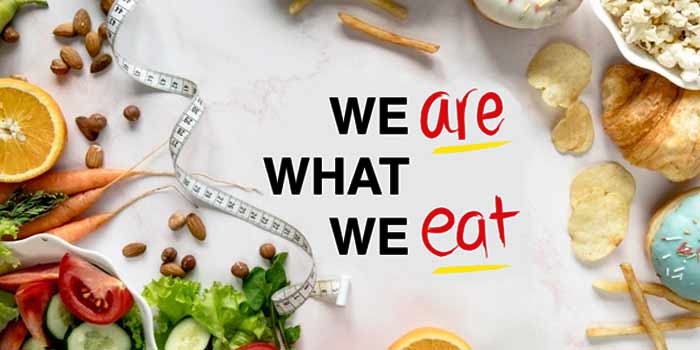



 Medicurio