REQUEST AN APPOINTMENT OR BOOK A CONSULANT – Sargam.dange.18@gmail.com
“Health is a state of complete physical, mental, and social well-being and not merely the absence of disease or infirmity.”
But most of us think health is only being free from illness. It is not entirely right. A person should be healthy both in terms of physical, mental, and social well-being and not a mere absence of any disease. Then we can say it is a good nutritional status.
There is a strong relationship between nutrition and health, and you’ll want to make the right food choices to ensure you live the best life possible. Discover the many important connections between nutrition and a healthy lifestyle, and how it plays a major role in your life. Before going into details, let’s what is nutrition.
What is Nutrition?
Nutrition is the intake of food in relation to the dietary needs of the body. Good nutrition (a sufficient and balanced diet combined with regular physical exercise) is a fundamental element of good health.
According to WHO,
“Nutrition is the intake of food, considered in relation to the body’s dietary needs. Good nutrition – an adequate, well-balanced diet combined with regular physical activity – is a cornerstone of good health. Poor nutrition can lead to reduced immunity, increased susceptibility to disease, impaired physical and mental development, and reduced productivity.”
Hippocrates, the Father of medicine says,
“Let food be thy medicine and medicine be thy food.”
So, good nutrition indicates the right amount of nutrients for proper utilization for achieving the highest level of health.
There are six different types of nutrients in foods. They are,
- Proteins,
- Carbohydrates,
- Fats,
- Vitamins,
- Minerals
- And Water.
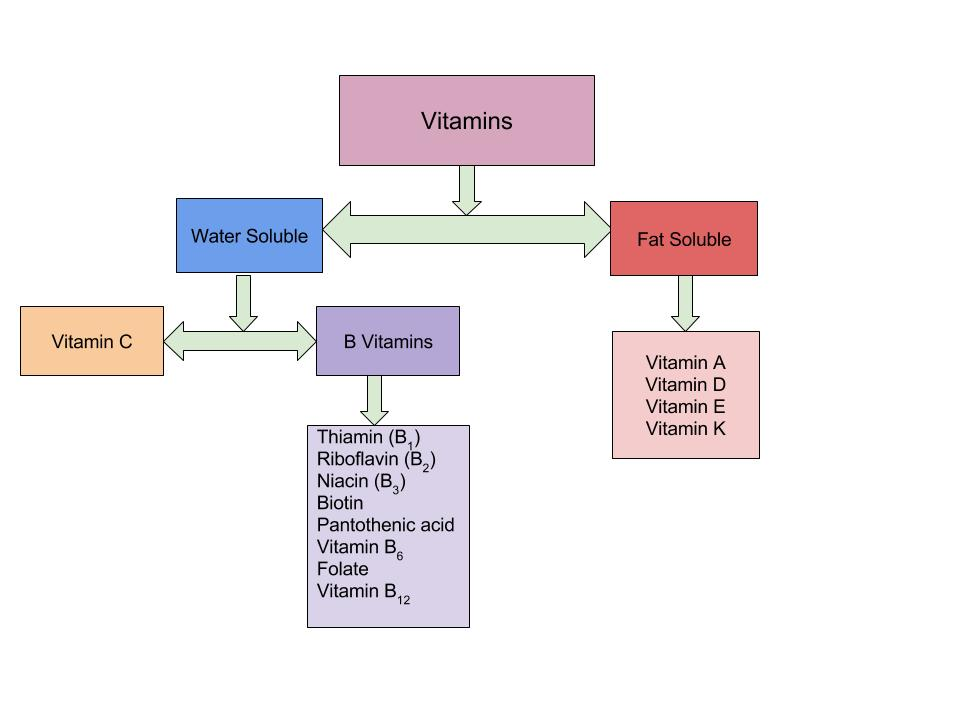
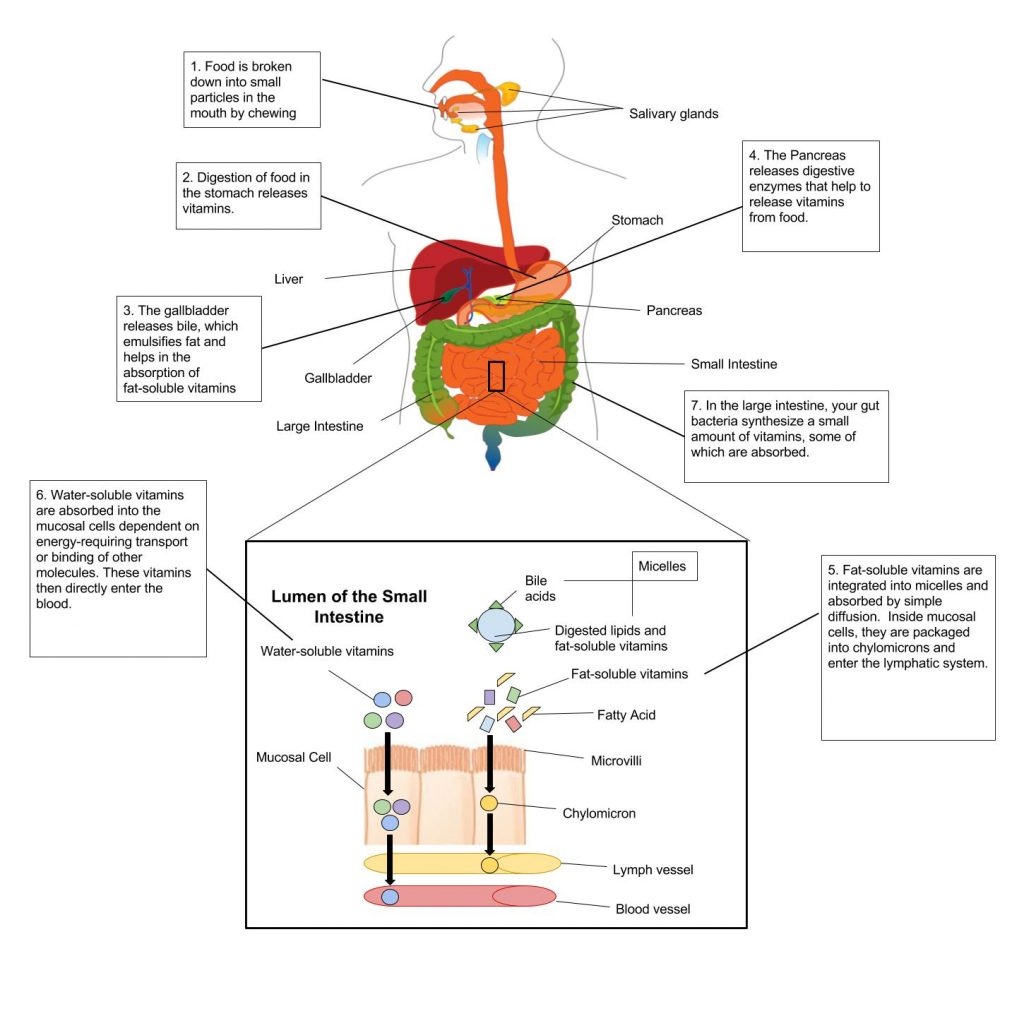
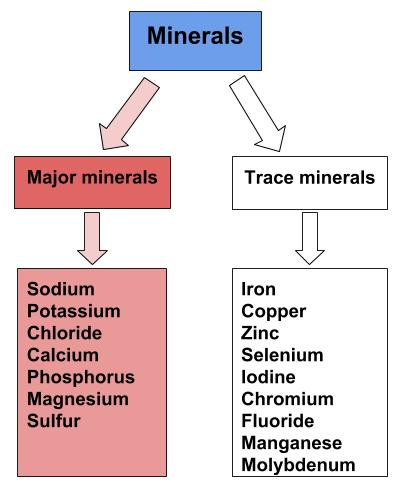
For a healthy body, we require all these six important nutrients. Carbohydrates, proteins, and fats are majorly required for bodybuilding and energy; the minerals and vitamins are required for the protection of our body and they give us resistance against the different illnesses and also they required for carrying out the metabolic actions in the body and keeping the body healthy. And water is a very important nutrient which keeps our body healthy.
Relationship between Nutrition and Health
Good nutrition is the key to leading a healthy lifestyle. We can improve our health if we take care of ourselves. Eating a balanced diet is an important part of good health. We should eat foods that contain six important nutrients which include whole grains, a source of protein, dairy, fruits, vegetables, and water.

Nutrition plays a role in promoting good health. So we have to be careful about the foods and nutrients which should be emphasized in our diets, and how they can enhance our health. Diets full of fruits and veggies, whole grains, nuts, and lean meats have proven health benefits like lowering blood pressure, improving glucose control in diabetics, weight loss, improving arthritis, and reducing the risk of cancer and cardiovascular events and so on.
We should also learn about the specific nutrients that can impact health. For example,
- Plant pigments found in bright orange and red fruits and vegetables, which may prevent and slow the progression of eye diseases.
- Calcium helps to keep bones strong.
- Vitamin B plays a role in maintaining brain health.
- Flavonoids from many plants may improve the health of our cardiovascular systems.
It’s not surprising that physical activity can help to maintain a healthy weight, improve mood and sleep habits, and boost overall health. And it’s clear that a well-balanced diet, full of nutritious foods is crucial to good health.
We Are What We Eat
Surely you have heard this expression many times: “We are what we eat.”
What goes through your head when you listen to it? They are words with a much more important meaning than is usually thought. We are going to see everything that hides behind this certainty and to pay special attention to everything that it wants to tell us.
Since we are born we need three things to live: oxygen, water, and food”. Food “is fuel” through which we obtain energy and compounds that help us to repair the body.
Once the food is eaten, the feeding ends, and nutrition begins, which we can define as the unconscious and involuntary process by which the body receives and transforms the nutritional substances that we give it through what we eat.
The relationship between food nutrition and health is immense. Food gives us energy and nutrients to live with.
Today there is no doubt that what we eat is key to achieving and maintaining optimal body function, preserving or restoring health, and protecting ourselves against future illnesses.
Also, our eating behavior influences the decisions of those around us. The clearest example is that of the little ones, who will imitate and acquire the eating habits that are followed at home.
In turn, the entire society influences what we eat: food policies, nutritional education campaigns, collective consumption, gastronomic offer, food availability, the food industry, the geographical environment, advertising, and marketing, fashion and we could continue citing countless conditions.
Besides, many pathologies also depend on whose cause is influenced by diet, such as cancer. According to results from over 80,000 new cases of cancer, it is estimated that “30% of cancer is caused by a poor diet”. It can also affect other aspects such as functional brain development or aging.
To avoid this, the first thing we have to follow is “to control the adequate amount of food, and the second is a healthy style of food.” The base of the diet is fruits and vegetables.
We should eat about three fruits a day, “that can mean about 90 thousand fruits in a lifetime”. To this we add vegetables and greens twice a day, fish five times a week, meat four times (one of them red), potatoes twice a week, another two pasta and the same rice.
What do we gain in return? Not being overweight, with which you have already achieved enough because there is no overload in organs such as the heart or liver; slower and healthier aging; in addition to circumstances as obvious as sleep, because with a good diet you sleep better. Even the state of mind, because when you eat better the functionality of the brain is also better.
“We Are What We Eat”, this expression contains a whole motto of life.
Why Good Nutrition is Important for Health?
Good and balanced nutrition is very beneficial for us. Good nutrition means a portion of food that can maintain the required energy balance in our body. If we do not have the energy, we cannot perform well. For good and optimum health, we should be careful about what we are eating, how we are eating, how much we are eating, and what time we are eating.
We have a few limiting factors in our body and by consuming good nutrition we can remove them. Among the limiting factors which come first in our mind is Genetics.
We all have different genes and we have to accept that each and every one is not genetically blessed. For example, some people lose body weight very fast and some lose very slowly; some people get good muscles very fast but some are not. This is a genetic factor.
But if we add good nutrition to our food, it allows us to break up this fact and even we can achieve good health. That is why Nutrition is known as a Promoter of Good Health.
Nutrition as a Weapon of Prevention
Numerous studies show that diet is a fundamental pillar in the prevention of diseases. It is one of the most studied factors in chronic diseases, although we cannot forget the determining role of nutrition in the correct functioning of the immune system and greater resistance in acute infectious processes.
Chronic diseases have a long duration and are generally slow in progression. Diabetes, heart attacks, heart disease, cancer, and respiratory diseases are the main causes of mortality in the world, accounting for 63% of deaths.
In 2008, 36 million people died of chronic disease. These are diseases clearly linked to our lifestyle, so we must attend to our way of life in a more committed and conscious way.
The human organism has a magnificent resilience capacity and adapts to the environment that surrounds it to live in harmony, it can tolerate a large number of pathogens or toxic agents if the immune system is strong. However, undernutrition or overnutrition can upset this balance.

We are in an overfed and paradoxically malnourished society. Currently, the food market is very large and offers us various alternatives to consume, therefore, it is more difficult to know what we eat given the reality that most processed foods come with a high content of simple sugars, saturated fat, and sodium Mainly, which has caused various diseases closely associated with the cardiovascular system, increasing the risk of suffering from them.
That is why it is important to know food, since through this we can prevent diseases in the future and, in addition, provide our body with the energy and nutrients necessary to function effectively in our day to day life.
If you are what you eat, would you be a healthy person? Preventing deadly diseases is available to anyone who wants to avoid them. Nutrition is a tool that will take care of your health easily. While it is unlikely that you can prevent or control viruses or bacteria that enter your body, you can provide a strong immune system to help prevent them.
Eating right also prevents obesity and is one of the main reasons for the disease. What few know is that it leads to other conditions such as type 2 diabetes, osteoporosis, stroke, heart disease; among others.
So make a plan what you eat, avoiding eating foods loaded with sugar, fat, and calories; the culprits of adding extra weight to your body, weakening your bones, and making your organs work harder. This automatically puts you at a higher risk for future health problems.
Weapon for prevention, nutrition is probably one of the most valid and effective tools we have to protect our health. Let’s make food a way to enjoy life in a healthy way.
The body requires a certain number of calories simply to carry out its basic metabolic functions such as respiration and maintenance of body temperature. Additional calories are needed to support physical activity, fight infection, and rebuild damaged tissues. However, if a person does not take in enough calories, fat is broken down to provide fuel. Once the fat is consumed or if an individual’s metabolism is disrupted due to illness, lean body mass (muscle and organs) is then used for fuel and raw materials.
Iron and Cognitive Function
Iron deficiency is the single most significant nutrient deficiency, affecting 15% of the world population and causing anemia in 40% to 50% of children (Pollit, 1993). Iron is essential for neurologic activity, including synthesis of dopamine, serotonin, catecholamine, and, possibly, myelin formation (Beard et al., 1993). Iron-deficient children have decreased attentiveness, narrow attention span, and perceptual restrictions (Pollitt, 1993).
Good nutrition for Children
Good nutrition helps for all children to grow physically, gives them energy they need to develop in both body and mind, and protects them from illness (Figure 1). Good nutrition is also important for children living with HIV, as these children need more food to stay healthy than other children their age. Medicines for HIV also work better when children have enough to eat (McCallister et al., 2019).
Childhood undernutrition remained stubbornly prevalent. The root causes of undernutrition lay in the lack of household economic resources, particularly women’s lack of access to income. Nutritionists define undernutrition as the inadequate daily intake of diet, measured in calorie intake while malnutrition as imbalance or inadequately in the quality of the diet (Boyd, 1950). If such inadequate calorie intake is allowed to take place over a continuous span of time, the result will be lack of sufficient physical development and less activity on the part of children. For adults, undernutrition could result in reduction of the body weight or physical activity or both. For the developing regions as a whole, the two indicators of Millennium Development Goals (MDG 1c) the prevalence of undernourishment and the proportion of underweight children under 5 years of age – have both declined (FAO, IFAD and WFP, 2015; IFPRI, 2016). In some regions, including western Africa, south-eastern Asia and South America, undernourishment declined faster than the rate for child underweight, suggesting room for improving the quality of diets, hygiene conditions and access to clean water, particularly for poorer population groups.
REQUEST AN APPOINTMENT OR BOOK A CONSULANT – Sargam.dange.18@gmail.com
Malnutrition causes diarrhea – diarrhea causes malnutrition
For all children, not having enough to eat (malnutrition) and being ill each makes the other worse. When children are ill, they cannot make use of all the nutrition from the food they eat, and they often eat less, making them even weaker and more likely to stay ill or become ill again soon and eventually may lead to death (Figure 2). Malnutrition lowers resistance to infection, including infection by parasites. As a result, the malnourished people are heavily burdened by a herd of parasites. Malnourished children grow slowly and learn poorly in school, or are too weak to go to school. Moreover, poor nutrition can lead to poor health, which can lead to poor performance at school, and poor schools can lead to unemployment.
. Malnutrition harms the whole body, including the gut. The gut, damaged from malnutrition, cannot absorb food well. This results from constant passing of stool which drains the body of nutrients and weakens the child. Therefore malnutrition can be caused by not having enough food, not having enough different kinds of food, or because an illness such as diarrhea makes it hard to absorb food (McCallister et al., 2019). Malnutrition is very dangerous for children with HIV because it makes their weak immune systems even weaker. Thus any child who is malnourished gets other infections much more easily.
Nutrition and Chronic Obstructive Pulmonary Disease (COPD)
Malnutrition is a major concern for individuals with COPD because they have increased energy expenditure, decreased energy intake, and impaired oxygenation (Engelen et al., 1994; Pezza et al., 1994; Palange et al., 1995). These authors described malnutrition as adversely affects exercise tolerance by limiting skeletal and respiratory muscle strength and aerobic capacity, limits surfactant production, reduces cell-mediated immune responses, and reduces protein synthesis.

Malabsorption
Various bacterial, viral, fungal, and parasitic infections can interfere with proper nutrition. Several opportunistic infections cause vomiting and diarrhea, which can lead to poor absorption or loss of nutrients. HIV or associated infections can damage the lining of the gastrointestinal tract, which can interfere with absorption of nutrients. Some HIV positive people experience fat malabsorption, which can impair absorption of fat-soluble vitamins.
Avoid unhealthy foods
Local, natural food, the food that our grandparents ate, is better for us than any processed, or junk, food (Conant and Fadem, 2012). Processed foods usually contain a lot of chemicals, salt, and sugar to make them taste good and to addict you to them. They cause health problems such as diabetes, hypertension, heart disease, obesity, headaches, and digestive problems. For example, a 2012 study in Public Health Nutrition (Sánchez-Villegas, et al., 2012) revealed that those who eat junk food are 51 percent likelier to show signs of depression. And the more junk food, the likelier the brain function is impaired. Sugary foods also damage the teeth. In addition, continued increases in the consumption of animal-source foods, as well as energy-rich, nutrient-poor processed foods, has been linked to the rise in overnutrition and associated non-communicable disease such as obesity (Markovic and Natoli, 2009; Wang and Beydoun, 2009). Foods have immense impact on body, so to be healthy and strong, we not only have to eat healthy, nutritious food, but we must also avoid the unhealthy foods. In developing countries the majority of moderate and severe cases of underweight among children below 2 years are primarily caused by inappropriate weaning practices and a high vulnerability to infectious diseases. One of the infectious diseases most associated with malnutrition among infants is diarrhea, this can often stem from unsafe food. Globalization is often regarded as a danger to food safety since traded food can introduce new hazards and spread contaminated food more widely. There have been some highly publicized cases such as the Cyclospora-related illness from Guatemalan raspberries in the US in 1996 (Unnevehr, 2003).
Nutrition and Parkinson Disease
Unintentional weight loss and declining nutritional status occur commonly in individuals with Parkinson disease (Berry et al., 1995). Explanations for this weight loss include anorexia, difficulty chewing and swallowing, increased time required to complete a meal, reduced sensitivity to smell and taste, depression, increased energy requirements (Levi et al., 1990) because of muscular rigidity and increased involuntary movements, side effects of medications, and decreased intestinal absorption of nutrients (Davis et al., 1996). Nutritional management might include modifying the textures and consistency of foods if chewing and swallowing are problems (Drrieu et al., 1992), offering food supplements and healthful snacks, providing prosthetic devices, and providing assistance with transportation and procurement of food (Berry et al., 1991; Kempster and Wahlqvist, 1994). Redistribution of protein may be of benefit, with most of the recommended daily allowance for protein provided in the evening and only 10g of protein in the daytime (Karstaedt and Pincus, 1992; Pare et al., 1992). Benefits within one week were improved daytime mobility at the cost of nighttime rigidity. The other modification is a 5:1 ratio of carbohydrate to protein in a meal that stabilizes the plasma levels of large neutral amino acids and allows for titrating levopoda dosages (Berry et al., 1991). When this dietary modification is helpful, 70% of the people will follow it for longer than one year (Senarath Yapa et al., 1989).
Diet Modifications can Lower Cholesterol
The National Cholesterol Education Program (NCEP, 1991) encourages people with high total cholesterol and low-density lipoprotein (LDL) cholesterol to start with a step I diet that has less than 30% of the total calories coming from fat, 8% to 10% of calories from saturated fat, and less than 300 mg of cholesterol per day. If lipid levels do not decrease after three months, a step II diet is tried in which less than 30% of calories come from total fat, less than 7% from saturated fat, and less than 200 mg from cholesterol (NCEP, 1993). People with high fat baseline diets who lose weight can decrease their cholesterol by 25% with good compliance. Suggestions for lowering fat and saturated fat include: avoiding fats as spreads or for flavoring, avoiding or reducing consumption of meat, using specially manufactured low-fat foods (e.g., fat-free salad dressings), modifying common foods to be lower in fat (e.g., remove skin from chicken), and replacing a high-fat food with its low-fat equivalent (e.g., skin milk instead of whole milk). Children older than two years with high cholesterol levels can follow the NCEP step diet guidelines. More aggressive diets are also an option for those with high lipid values. These diets contain 10% of total calories from fat, less than 3% from saturated fatty acids (SFAs) and less than 5 mg of cholesterol per day with a minimal amount of animal fat. Labels on food products and nutritional information at fast food restaurants make counting fat grams much easier. Nuts have been shown to lower serum cholesterol levels (Kristal et al., 1992). Walnuts lowered LDL cholesterol by about 16%, and almonds or hazelnuts reduced serum cholesterol by 8% to 10%. Walnuts have a very low ratio of saturated fatty acids to polyunsaturated fatty acids, as well as a high percentage of fat from α-linolenic acid. Including a 1-oz portion of nuts in a low-fat diet should pose no problem while keeping calories under control. Changing the source of protein may be a method to further lower cholesterol. A meta-analysis found that consuming 31 to 47 g of soybean protein per day significantly decreases serum cholesterol and LDL cholesterol (Lovati et al., 1987). Evidence suggests that soy protein enhances secretion of bile acids and upregulates LDL-receptor activity. Soy protein may be especially helpful in the diets of children diagnosed with familial hypercholesterolemia. Fat can be replaced with soluble fibers that are known to lower cholesterol levels (Glore et al., 1994). Fibers that have been showing to lower cholesterol and LDL levels include pectins, gums, mucilages, legumes, oats, and carrots. The amount of reduction varies with the source of fiber. Psyllium has been shown to lower LDL levels by 14% in persons with hypercholesterolemia. Two mechanisms have been proposed for the cholesterol-lowering effect: fiber binds the bile acids, which lowers cholesterol to replete the bile acid pool, and bacteria in the colon ferment fiber to compounds (acetate, propionate, and butyrate) that inhibit cholesterol synthesis. Adding garlic to the diet also may lower cholesterol. Huff (1989) found that 900 mg of powdered garlic (1.5 cloves of garlic) reduced both total cholesterol and LDL cholesterol by about 12%. Fortuantely, cooking does not destroy the allicin (the cardioprotective chemical formed when garlic is crushed) and so the recommendation is simply to include cooked or raw garlic frequently in meals. Trans-fatty acids are found in many foods, and new data indicate that they may increase a person’s risk of a heart attack (Anderson et al., 1995). The amount of trans-fatty acids in typical margarine ranges from 10% to 30% of total fat and often exceeds 25% in cookies, crackers, pastries, and deep fried foods, such as French fries and doughnuts (Huff, 1989). Researchers have found that trans-fatty acids raise LDL cholesterol, lower the good (high-density lipoprotein [HDL]) and may negatively affect levels of lipoprotein (a), a hereditary risk factor for heart disease. A person be wary of products that list partially hydrogenated oil on the ingredient list, minimize use of both butter and margarine (choose a fat-free or more liquid version in a tub), cook or bake with olive oil or canola oil, avoid deep fat-fried items, and choose commercially baked items that are either fat free or made with canola or olive oil. What we do not eat may make a difference in our cardiovascular health also. Accumulating data indicate that serum homocysteine concentration is a risk factor for coronary artery disease (Anderson et al., 1995). Acquired homocysteinemia may be the result of vitamin B6, folic acid, or vitamin B12 deficiency. A vitamin B6 deficiency could be a possible risk factor for atherosclerotic disease (Huff, 1989; Anderson et al., 1995). Certainly, including foods high in vitamin B6, such as bananas, broccoli, chicken, dried beans, lean pork, peanut butter, potatoes, tuna fish, and whole wheat bread, can be helpful (Kristal et al., 1992). Epidemiologic evidence that eating no fish at all may be detrimental for the heart is remarkably consistent; however, increasing fish intake beyond one or two servings per week is unlikely to reduce coronary risk substantially in healthy men free of coronary disease.
REQUEST AN APPOINTMENT OR BOOK A CONSULANT – Sargam.dange.18@gmail.com
Nutrition and Hypertension
The effectiveness of weight reduction has been well documented in both mild and severe hypertension. A target for initial weight loss is 4.5 kg. Suggestions for successful weight loss include moderate exercise, moderate calorie restriction, positive self-statements regarding weight loss efforts, self-monitoring activities (food diary, goal setting, early attention to weight gain), and problem solving skills (Mahan and Escott-Stump, 1996). Some people are salt sensitive including about 30% to 50% of the hypertensive population. Salt sensitivity is defined as a >10 mm Hg decrease in blood pressure by salt depletion after salt loading or more than a 5% increase in blood pressure by salt depletion after restriction of salt (Espinel, 1992). The recommendation for salt intake is no more than 6 g/day, or 2400 mg/day (Espinel, 1992). This can be accomplished by cooking with as little salt as possible; by not adding salt at the table; and by avoiding highly salted and processed foods.
Nutrition and Acute and Chronic Renal Failure
Continuous renal replacement therapy has permitted new approaches to nutrition management with adaptation for individual needs. Calories can be given to meet daily energy expenditure, nitrogen can be given to achieve neutral nitrogen balance, and vitamins and trace elements can be given to meet expected demands (Kierdorf, 1995; Bellomo and Ronco, 1996). Adequate nutritional support promotes renal recovery and may prevent consequences of muscle weakness and immune dysfunction. Indices of malnutrition have also been established for individuals with end-stage renal disease; 20% to 50% are estimated to be malnourished, with morbidity and mortality significantly affected (Ikizler and Hakim, 1996). Catabolism and nutrient loss during dialysis are well documented. Intradialytic parenteral nutrition and use of amino acid dialysate are promising options.
Diverticulitis and Diet
Daily consumption of fiber-enriched foods is recommended for the prevention of diverticula. A high-fiber diet increases fecal bulk, decreases transit time, and eases stool elimination. The recommendation for fiber is 20 to 35 g/day (Bennett and Cerda, 1996). Some examples of high-fiber choices are whole wheat bread and other grain products, baked potato with skin, fresh fruit with skins, raw vegetables, beans, peas, legumes, wheat bran, and brown rice. Side effects may include flatulence, intestinal rumbling, cramps, and diarrhea. A gradual increase in dietary fiber helps to avoid these problems. Other potential problems with an excessively high fiber diet (greater than 40 to 45 gm) might include a decrease in nutrient absorption because of the increased volume of intestinal contents, which in turn decreases the ability of the digestive enzymes to come in contact with the food (Bennett and Cerda, 1996). An increase of water (eight 8-oz glasses) is important so intestinal blockage will not occur (Ozick et al., 1994). For small children and elderly persons a higher-fiber diet increases the volume of food needed to meet energy requirements, and that increase may be difficult to obtain. If the diverticula become inflamed, a low-fiber or low residue (no milk products) diet is required to prevent continued irritation of the inflamed tissue (Ozick et al., 1994).
A healthy diet depends on biodiversity
Good health depends on eating a variety of foods, such as fruits, vegetables, grains, and wild foods such as berries, fish, and game. When we lose biodiversity, we lose many of the foods we rely on for a healthy diet. Then entire communities are faced with the health problems that come from poor nutrition. As a whole, the situation can be regarded as the type of distress which will occur in developing countries with low-developed technology and dependent on unstable weather conditions. The realization of this aspiration demands the tackling of many problems amongst which the control of endoparasitic diseases stands at the forefront. Regarding this health education will help reduce the transmission of parasites that will create a less contaminated environment. Social protection systems have been critical in fostering progress towards the MDG 1 hunger and poverty targets in a number of developing countries (FAO, IFAD and WFP, 2015). Social protection directly contributes to the reduction of poverty, hunger and malnutrition by promoting income security and access to better nutrition, health care and education.
Balanced diet
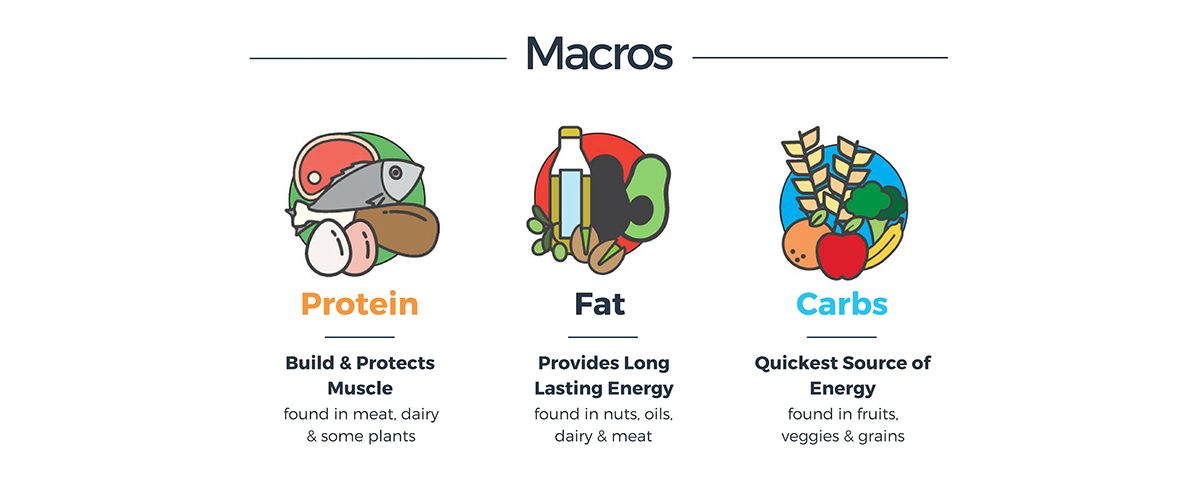
A balanced diet is comprised of protein, carbohydrates, fats, fiber, vitamins, and minerals. To obtain a balanced diet it is necessary to eat a wide variety of foods, since a shortage of any of the main classes will result in deficiency diseases. In certain developing countries deficiency diseases are common for three reasons which are shortage of the right kind of food, low incomes (families are often too poor to buy the right kinds of food even if they were available), and superstition and lack of education this include some people may not eat the right foods because they have not been educated in the concepts of a balanced diet. In developing countries including many Ethiopians what they do eat is not a balanced diet. In the face of this major barrier to better health, it does not follow the best way to lower mortality and morbidity. Food contaminated by pesticides, toxic chemicals, germs, or genetically engineered foods, may be available, but will not provide a safe, healthy diet. Also, without a safe cooking space and enough time and fuel to prepare food, people often eat too many processed foods, which can lead to health problems. Even when food is being produced, it is not used efficiently; considerable energy is lost in fevers of parasitic infections. Heat production in the human body increases about 72 percent for each degree rise in Fahrenheit. A single acute day of fever by malaria requires approximately 500 calories, or an energy demand equivalent to 2 days of hard manual labour (Schmidt and Roberts, 1981). In many developing countries it is estimated that 25-30 percent of the total energy yield from grain production is wasted by fevers caused by parasitic infection and in consumption by parasites (Schmidt and Roberts, 1981). Another cause of energy loss is malabsorption of digested and this is commonplace in parasitic infections. As a sequel of malnutrition and the lowered resistance to infection, opportunistic invasions by helminth larval migrans and protozoans, among others, take place. Inadequate access to a balanced diet can lead to both undernutrition and overnutrition, resulting in lifelong effects on human health and inefficiencies in food utilization. Food utilization refers to ingestion and digestion of adequate and quality food for maintenance of good health. This means proper biological use of food, requiring a diet that contains sufficient energy and essential nutrients as well as knowledge of food storage, processing, basic nutrition, child care and illness management .
Food hygiene
Good hygiene when preparing food is always essential but especially when food is being prepared for young children. Always wash hands with soap and water before handling food. Cooking utensils should be clean. Dry them on a drying rack. Never cough, sneeze or smoke over food that is being prepared for eating. If you are ill, particularly with vomiting or diarrhoea, do not prepare food as you are likely to pass on your infection. Cover cuts and sores on your hands and wear clean clothing. Flies carry disease so food should always be covered. Some food such as milk, eggs, cooked meat, cooked rice and other cereals will spoil more quickly than other kinds of food. Once cooked, food should not be left at normal temperatures for more than two hours. Raw meat and fish, and uncooked vegetables with soil on them, should never come into contact with cooked foods. After handling these foods, wash hands well before handling cooked foods.
REQUEST AN APPOINTMENT OR BOOK A CONSULANT – Sargam.dange.18@gmail.com




 Medicurio