REQUEST AN APPOINTMENT OR BOOK A CONSULANT – Sargam.dange.18@gmail.com
What is the psychology of eating?
What we eat affects how we feel. Food should make us feel good. It tastes great and nourishes our bodies. If you eat too little or eat too much, however, your health and quality of life could be affected. This can result in negative feelings toward food.
By learning how to make healthier and more mindful choices, you may be able to control compulsive eating, binging and weight gain. By taking charge of your appetite, you may also gain a feeling of calm, high energy levels and alertness from the foods you eat.
Overall, there are many benefits to changing deep-seated, unhealthy eating habits, such as:
An increase in energy level and alertness.
A more positive relationship with food.
Improved health.
Easier movement.
Improved body image.
While we often have the best intentions to eat healthier, this is often a challenging task.
What factors influence our eating behaviors?
Experts believe many factors can influence our feelings about food and our eating behaviors. These factors include:
Cultural.
Evolutionary.
Social.
Family.
Individual.
Economic status.
Psychological.
Many people use food as a coping mechanism to deal with such feelings as stress, boredom or anxiety, or even to prolong feelings of joy. While this may help in the short term, eating to soothe and ease your feelings often leads to regret and guilt, and can even increase the negative feelings. You aren’t actually coping with the problem causing the stress. Further, your self-image may suffer as you gain weight, or you may experience other undesired effects on your health, such as elevated blood sugars, cholesterol levels or blood pressure.
What role does psychology play in weight management?
Psychology is the science of behavior. It is the study of how and why people do what they do. For people trying to manage their weight, psychology addresses:
Behavior: Treatment involves identifying the person’s eating patterns and finding ways to change eating behaviors.
Cognition (thinking): Therapy focuses on identifying self-defeating thinking patterns that contribute to weight management problems.
What treatments are used for weight management?
Cognitive behavioral treatment is the approach most often used because it deals with both thinking patterns and behavior. Some areas that are addressed through cognitive behavioral treatment include:
Determining the person’s “readiness for change”: This involves an awareness of what needs to be done to achieve your goals and then making a commitment to do it.
Learning how to self-monitor: Self-monitoring helps you become more aware of what triggers you to eat in the moment, and more mindful of your food choices and portions. It also helps you stay focused on achieving long-term progress.
Breaking linkages: The focus here is on stimulus control, such as not eating in particular settings, and not keeping unhealthy food choices in your home. Cognitive behavioral treatment also teaches distraction — replacing eating with healthier alternatives — as a skill for coping with stress. Positive reinforcement, rehearsal/problem-solving, finding social support and changing eating habits are specific techniques used to break linkages.
REQUEST AN APPOINTMENT OR BOOK A CONSULANT – Sargam.dange.18@gmail.com
What does cognitive behavioral treatment involve?
Cognitive therapy addresses how you think about food. It helps you recognize self-defeating patterns of thinking that can undermine your success at eating healthier and managing your weight/weight loss. It also helps you learn and practice using positive coping self-statements.
Examples of self-defeating thoughts include:
“This is too hard. I can’t do it.”
“If I don’t make it to my target weight, I’ve failed.”
“Now that I’ve lost weight, I can go back to eating any way I want.”
Examples of positive coping self-statements include:
“I realize that I am overeating. I need to think about how I can stop this pattern of behavior.”
“I need to understand what triggered my overeating, so I can create a plan to cope with it if I encounter the trigger again.”
“Am I really hungry or is this just a craving? I will wait to see if this feeling passes.”
What strategies will help me manage my weight?
To lose weight, it’s helpful to change your thinking. Weight management is about making a lifestyle change. It’s not going to happen if you rely on short-term diet after diet to lose weight.
To be successful, be aware of the role that eating plays in your life, and learn how to use positive thinking and behavioral coping strategies to manage your eating and your weight.
To help get you started, here are a few tips:
Tips for healthy eating
Don’t skip meals.
Do plan meals and snacks ahead of time.
Do keep track of your eating habits. (See “food diary” below.)
Do limit night eating.
Do drink plenty of water.
Do delay/distract yourself when experiencing cravings.
Do exercise instead of eating when you are bored.
Do be attentive when you eat. Don’t eat while watching TV, working, driving or standing.
Do only eat in certain settings (kitchen table).
Do watch your portion sizes.
Do allow yourself to eat a range of foods without forbidding yourself a particular food.
Do give yourself encouragement.
Do look for a support person to help you stay motivated and accountable.
Do be gentle with yourself! Try not to beat yourself up when you lapse.
Do think of eating healthfully as a lifestyle change.
Do use the scale mindfully. Weigh yourself no more than once a week.
Do make healthy food choices.
The food diary
A food diary is a tool to record in detail:
What food you eat.
When you eat.
How you feel when you’re eating.
What you are doing (if anything) while you are eating.
The diary can help you get a better understanding of what you eat and why you eat it. It also can help your doctor, therapist, or dietitian work with you to make the necessary changes for successful weight management.
REQUEST AN APPOINTMENT OR BOOK A CONSULANT – Sargam.dange.18@gmail.com
REQUEST AN APPOINTMENT OR BOOK A CONSULANT – Sargam.dange.18@gmail.com
Undernutrition is common in patients admitted for surgery and is often unrecognised, untreated and worsens in hospital. The complex synergistic relationship between nutritional status and the physiological responses to surgery puts patients at high nutritional risk. There are clear prospective associations between inadequate nutritional status and the risk of poorer outcomes for surgical patients, including infection, complications and length of stay. However, practically and ethically evidence that nutritional interventions can significantly reduce these poor outcomes is difficult to obtain. Nevertheless health professionals have a duty of care to ensure our patients are properly fed, by whatever means, to meet their physiological requirements.
Introduction
Well-nourished patients respond to, and recover from illness and surgery better than undernourished patients. While overnutrition is widely thought to be the primary nutritional problem in Australia, undernutrition and/or malnutrition are prevalent in population sub-groups. Studies consistently show that 30–40% of patients show evidence of poor nutrition on admission to hospital and that both normal and sub-optimal nutritional status deteriorate in hospital.1The physiological and psychosocial stresses of surgery increase the risk of poor nutritional status, which is clearly linked to poorer outcomes Poor nutrition therefore has clinical, financial and quality of life consequences.
Definitions of malnutrition and undernutrition
Adequate nutritional status is more than the absence of nutrient deficiency disease. It is a broad concept which infers that an individual can achieve a food intake sufficient to meet their requirements for specific nutrients to support optimal health and well-being.
There is no universally accepted definition of malnutrition. The term is widely associated with severe food deprivation and the classic consequences of kwashiorkor, marasmus or micronutrient deficiency. Malnutrition may refer to overnutrition, but more commonly is used interchangeably with undernutrition.
Undernutrition refers to a continuum of inadequate nutritional status. It extends from inadequate intake and increased risk of poorer health outcomes, through to measurable functional or clinical changes that influence outcomes and are potentially reversed by nutritional interventions, and finally to clear physical and biochemical evidence of protein, energy or micronutrient deficiency.
Nutritional screening and assessment – how to recognise undernutrition
There is no ‘gold standard’ for identifying either nutritional risk or nutritional status. Nutrition screening aims to identify factors associated with poor nutrition and hence individuals at nutritional risk. It needs to be valid, simple, easy to interpret and sensitive so that it can be widely and consistently implemented by non-specialists. A range of screening tools have been developed and variably validated.They include self-reported indicators of either risk or direct evidence of poor or reduced intake .
Table 1 – Nutrition screening and assessment – commonly used indicators
Subjective/self-reported difficulty with access to food: money, shopping, cooking facilities, preparation, feeding, mobility, activities of daily livingsocial isolation, depression, anxiety < two meals per day excess alcohol use poor/decreased appetite nausea, chronic pain gastrointestinal symptoms > two weeksvomiting, diarrhoea indicators of protein intake (< three serves/day of dairy, meat, fish, eggs) < two serves of fruit and vegetables/day unintentional weight loss fluid intake
Objective comorbidities, disease state, duration/severity of symptoms poor dentition, oral health polypharmacy (> three drugs/day) dysphagia, respiratory disease prescribed dietary restrictions unintentional weight loss 10% in six months or > 5% in one month current weight, body mass index triceps skinfold (TSF), mid-arm circumference (MAC) mid-arm muscle circumference (MAMC cm) = MAC (cm) – TSF (mm) x 0.314 ascites, fluid retention pressure sores, skin ulcers serum albumin < 35 g/L
Nutritional assessment assesses the nutritional status of patients identified as ‘at risk’
If screening identifies individuals at risk, they should be referred for detailed assessment of their nutrition. Nutritional assessment is a comprehensive process used to define the patient’s nutritional status rather than risk. It helps to quantify the risk of complications and can be used to plan and monitor nutritional support.
Limitations of screening and assessment include reliance on self-reported data, inaccurate measurement of stature in injured or elderly patients and confounding of serum protein concentrations by infection and trauma. Nevertheless, the risk factors in Table 1 should be routinely considered in assessment and follow-up of pre- and postoperative patients. The general consensus is that unintentional weight loss, regardless of initial weight, is the simplest and most reliable way to identify nutritional risk.
REQUEST AN APPOINTMENT OR BOOK A CONSULANT – Sargam.dange.18@gmail.com
The impact of surgery on nutritional status
The complex response to the physiological stress of surgery and injury, mediated via hormonal changes and the sympathetic nervous system, is one of hypermetabolism and catabolism.There is marked salt and water retention and increases in basal metabolic rate and hepatic glucose production. Wound healing accounts for 80% of the increased glucose production and also requires protein synthesis.Fat (adipose tissue) and protein stores (lean muscle mass) are mobilised to meet the needs of glucose and protein synthesis which results in negative nitrogen balance and weight loss. Overall, the catabolic response increases energy and protein requirements, the magnitude and duration depending on the extent of the surgery.A critical point is that semi-starvation (that is, intake consistently below potentially increased requirements) is also catabolic and further exacerbates negative nitrogen balance and weight loss. Indeed, recent evidence suggests the catabolic response to surgery may not be obligatory and can be prevented by adequate intake.
Adequate energy and protein intakes are essential to limit net protein and fat losses. However, many patients are unable to eat enough to meet increased needs and/or prevent losses after surgery. Common and often underrated issues such as pain, nausea, medication, dry mouth, gastric discomfort and distension, fasting, unpleasant procedures, anxiety, unfamiliar food and hospital routines all potentially reduce appetite and intake. Inadequately or unfed patients will rapidly deplete their reserves of protein and fat. This has significant clinical consequences, particularly for those with preoperative undernutrition.
The impact of nutritional status on outcomes of surgery
Positive outcomes for surgery depend heavily on adequate immune defence and wound healing. Both rely on enhanced synthesis of new proteins, which is significantly limited by negative nitrogen and energy balance. A key point is that positive nitrogen balance (net protein synthesis) cannot be achieved with negative energy balance. Semi-starvation will result within days rather than weeks, when intake fails to meet requirements, particularly for protein and energy.
These problems are also common after surgery, so it is likely that the undernutrition associated with the surgery is contributing to poor outcomes for surgical patients.
Outcomes associated with semi-starvation and undernutrition in healthy people and surgical patients
Semi-starvation – healthy people and surgical patients
Undernutrition – surgical
weight lossanxiety, irritabilitydepressionapathy, malaise↓ organ function – gut, respiratory, cardiac↓ thermoregulatory functionimpaired immunity↓ resistance to infectionpoor wound healing↓ intellectual function↓ concentration↓ work capacity↓ growth
↑ postoperative infectionimpaired wound healing↓ quality of life↓ gut function↓ respiratory and cardiovascular function↑ complications (pneumonia)↑ length of convalescence↑ length of stay↑ readmission↓ return to own home↑ mortality↑ costs
Estimation of energy and protein requirements
Nutritional interventions can only be effective if energy requirements are both accurately estimated and then achieved. The standard approach is to estimate energy requirements from basal energy expenditure, using regression equations and activity and stress factors. Energy requirements range from 85–150 kJ/kg. Protein requirements are usually set at 7–8% of energy needs, although severely ill or injured patients may require 15–20% of their energy as protein. This is approximately 1.5–2.0 g of protein/kg of body weight.2Further research is required to characterise specific amino acid and micronutrient requirements in surgical patients.
REQUEST AN APPOINTMENT OR BOOK A CONSULANT – Sargam.dange.18@gmail.com
REQUEST AN APPOINTMENT OR BOOK A CONSULANT – Sargam.dange.18@gmail.com
Nutrition support is the provision of nutrients and any necessary adjunctive therapeutic agents to improve or maintain the nutritional status. Nutrition support is fundamental in the management of patients with a moderate-to-severe burn injury.
The primary goal of nutrition support following severe burn injury is to meet the distinctive demands placed upon the body by hypermetabolism. The adverse effects of the hypermetabolic response can result in life-threatening protein-calorie malnutrition. While management of nutritional needs in burn patients has many features in common with the nutritional management of other critically ill surgical patients, the severity, magnitude, and duration of the hypermetabolic response and the ensuing energy requirements for the severe burn patient are far greater.
Nutrition support is administered into the stomach or small intestine (enteral) and/or by intravenous infusion (parenteral). Enteral nutrition, which is administered through a nasogastric, gastric, or intestinal tube, is the preferred method of feeding critically ill patients and an important means of counteracting hypermetabolism. Supplemental parenteral nutrition should only be given to patients in whom enteral feeds are contraindicated, those who do not tolerate enteral feeds, or for patients who do not reach their target nutrient intake in a reasonable time on enteral feedings alone
The unique characteristics of nutritional requirements in the moderate and severe burn patient, including patient selection, initiation, and delivery of nutrition support, are reviewed. Other aspects of burn care are reviewed separately.
REQUEST AN APPOINTMENT OR BOOK A CONSULANT – Sargam.dange.18@gmail.com
Nutritional management for burn patients
Assessment
Goals of nutritional management
Objectives of nutritional management
Nutritional ManagementDepartment of Nutrition and Food ServicesRoyal Children’s Hospital, May 2000AssessmentAll inpatients with a deep burn injury are assessed by a dietitian, in order to establish whether a need exists for nutritional intervention.Goals of nutritional management
To promote optimal wound healing and rapid recovery from burn injuries
To minimise risk of complications, including infections during the treatment period
To attain and maintain normal nutritional status
To minimise metabolic disturbances during the treatment processObjectives of nutritional management
Provide nutrition via enteral route within 6 – 18 hours post burn injury
Maintain weight within 5 % – 10 % of pre-burn weight
Prevent signs and symptoms of micronutrient deficiency
Minimise hyperglycaemia
Minimise hypertriglyceridaemia Nutritional ManagementEnteral Feeding Should Be Commenced EarlyAppropriate nutritional management of the severely burned patient is necessary to ensure optimal outcome. Initiation of early enteral feeding, within 6 to 18 hours post-burn injury, is recognised as beneficial, and has been shown to be safe in children as well as adults. Advantages of utilising the enteral route, as opposed to the parenteral route, include improved nitrogen balance, reduced hypermetabolic response, reduced immunological complications and mortality.Aggressive Nutritional Support is Often RequiredAlthough oral nutrition is encouraged, young children with severe burn injuries often require naso-gastric feeding as they tend to have difficulty meeting their nutritional goals with oral intake alone.Energy Requirements are Elevated by the Burn InjuryThe hypermetabolic response associated with severe burn injury results in high calorie requirements to allow optimal healing and outcome. Several predictive equations exist which enable estimations of energy requirements. Changes in management of these patients in the past decade have resulted in some reduction in the metabolic response and care must be taken to avoid over-feeding. Variation in energy needs between individuals, as well as with time, means that indirect calorimetry is recommended where practical to aid in determining energy expenditure.Protein Requirements are Substantially IncreasedAggressive protein delivery, providing approximately 20 % of calories from protein, has been associated with improved mortality and morbidity.An Increased Requirement Exists for Nutrients Associated with Healing and Immune FunctionProvision of those nutrients known to be associated with healing and immune function, particularly vitamins A, C, E, some B vitamins and zinc, is especially important. Recent studies have indicated that benefits may also be achieved by supplementation with various additives, including fish-oil.
REQUEST AN APPOINTMENT OR BOOK A CONSULANT – Sargam.dange.18@gmail.com
REQUEST AN APPOINTMENT OR BOOK A CONSULANT – Sargam.dange.18@gmail.com
Dietary counseling provides individualized nutritional care for encouraging the modification of eating habits. It may also assist in prevention or treatment of nutrition-related illnesses such as cardiovascular disease, cancer, obesity, diabetes, and hyperlipidemia.
Diet plays a vital role in the treatment of patients. Proper diet is the key to good health and vigor. Inadequate and improper diets are not only responsible for under nutrition but also contribute to several chronic degenerative diseases such as cardiovascular diseases, diabetes and cancer. The Dietary department which consists of Dieticians has got a role in the decision making system for patients care. Dieticians not only cater to the patient’s food requirement, but they are responsible for planning, prescribing and counseling patients about their diet according to their diseased conditions.
Purpose
Today’s major health care problems are increasingly the result of acute and chronic conditions related to poor nutrition and/or overconsumption. A large proportion of coronary disease and cancer can be attributed to unhealthy eating habits and obesity. Chronic diseases continue to increase due to such factors as the rise in obesity in the American population.
Individualized nutritional counseling can provide the patient important insight into food-related illnesses and education regarding how various nutrients (protein, carbohydrate, fat, alcohol) affect illnesses or obesity. Alternatively, dietary counseling can assist in prevention of nutrition-related conditions such as the need for weight management. Dietary counseling can be tailored to meet the treatment needs of patients on diagnosis of specific illnesses, can help reduce complications and/or side effects, and can improve general well-being. Prevention at all levels: primary (preventing disease), secondary (early diagnosis), and tertiary (preventing or slowing deterioration) requires active patient participation and guidance and support from the dietician or physician. Education, motivation, and counseling are needed for effective patient participation. In addition to patient education, dietary counseling often includes meal planning.
Consumption of too little or too much of certain vitamins and minerals may lead to a nutrient deficiency or a nutrient toxicity respectively. A guide to the amount an average person needs to remain healthy has been determined for each vitamin and mineral as well as macronutrients. In the United States, this guide is called the Dietary Reference Intakes (DRI). Dietary counselors may use the DRI as a guide when providing counseling. A dietitian can advise the patient about any vitamin or mineral inadequacy concerns during the dietary counseling session. The DRIs have replaced the Recommended Dietary Allowance (RDA), but encompass both the RDAs and the upper intake limits for each nutrient.
Precautions
When providing dietary counseling, registered dietitians and nutritionists should recognize the benefit of individualizing nutritional care and that a “one-size-fits-all” approach to modifying eating habits cannot be effective.
Description
Effective dietary counseling includes a comprehensive evaluation that considers presence of disease, lipid profile, blood pressure, and weight history and goals. In addition, factors such as lifestyle, time available for food preparation, work schedule, and personal food preferences must be considered. Food choices are driven not only by the physiological necessity for nutrients, but also by the social aspects of food consumption, for example, gathering with friends at a restaurant. This complex relationship concerning food choices often makes dietary counseling a challenge for managing specific nutrition-related disease or conditions. For example, a patient with cardiovascular disease may need to select low-fat foods when attending a social dinner or party.
There are many goals that need to be considered when planning appropriate dietary counseling. When considering the appropriate counseling approach for an individual with a specific illness, particular attention needs to be given to usual food choices, food likes and dislikes, learning style, cultural issues, and socioeconomic status.
Other factors that may be assessed during dietary counseling include:
medical history, including assessment of any nutrition-related illnesses, and biochemical and anthropometric measures
dietary assessment (dietary analyses)
psychosocial evaluation, including food-related attitudes and behaviors
sociological evaluation, including cultural practices, housing, cooking facilities, financial resources, and support of family and friends
nutrition knowledge
readiness to learn or change; as well as learning style analyses
current exercise and activity level
Preparation
A dietary assessment is often conducted to determine the macronutrient content (energy/or calories, protein, carbohydrate, and fat) and the micronutrient (vitamin and mineral) content of the diet to assist in providing dietary counseling. The validation of dietary assessment instruments is important to evaluate the diet in terms of chronic disease risk factors such as a high fat diet or a diet low in antioxidants and/or fruits and vegetables.
Some of the most common dietary assessment tools that assist in providing dietary counseling include food records, dietary recalls, food frequency questionnaires, diet histories, and several other methods, including biochemical indices. A scientific assessment of nutritional status may be made by using a combination of the information collected from clinical evaluations, biochemical tests, and dietary information. The clinical evaluation includes measurements of various anthropometric parameters such as height, weight, and percent body fat (determined by skinfolds or hydrostatic weighing). In addition, a clinical evaluation may also include observations for signs of nutrient deficiencies in the mouth, skin, eyes, and nails. The information collected from a clinical evaluation can be compared with that obtained from the dietary assessment and biochemical tests to provide a comprehensive picture of the patient’s current nutritional status and relative risk factors for diet-related illnesses.
Aftercare
Dietary counseling is only effective if the individual is willing to implement the necessary dietary modifications. If patients do not follow the recommended dietary guidance, they will not receive a benefit from counseling. Typically, modest effects seen in weight loss or reduction in serum lipids are often due to failure to comply fully with the dietary recommendations provided.
Complications
Systematic problems exist in the quantification of food intake using self-reported measures (when patients subjectively report their own food intakes). This is due to the fact that these methods rely on the patient’s ability to recall or record food intake accurately. Therefore, selection of the appropriate method for dietary assessment is important to meet the goals of dietary counseling.
Results
Goals of dietary counseling for preventative nutrition or treatment of nutrition-related illness:
Providing adequate calories for attaining reasonable weights for adults, ensuring normal growth and development rates for children and adolescents, and meeting increased metabolic needs during pregnancy and lactation or recovery from catabolic illness. Reasonable weight for adults is defined by considering weight history and is a weight that both the individual and health professional determine is attainable and can be maintained long term.
Achieving optimal lipid levels. The guidelines provided by the National Cholesterol Education Program can be followed for maintaining optimal blood lipid levels (total cholesterol, low-density lipoproteins [LDL], high-density lipoproteins [HDL], and triglycerides). Nutrition intervention plays an important role in reaching recommended lipid levels through maintenance of a low-fat diet.
Ensuring the diet contains appropriate or reasonable amounts of protein, carbohydrates, fat, vitamins, and minerals.
Preventing, delaying, or treating nutrition-related risk factors and complications.
Improving overall health through optimal nutrition.
HEALTHY DIET OVERVIEW
The food choices we make can have an important impact on our health. However, expert opinions continue to change about which and how much of these foods are optimal.
This topic summarizes the relationships between various foods or supplements and specific health conditions and concludes with general recommendations for following a healthy diet. A separate topic review is available about diets for weight loss.
FRUITS AND VEGETABLES
A number of studies have demonstrated important health benefits of eating fruits and vegetables.
●Increased intake of fruits and vegetables is linked to a lower risk of premature death.
●Fruits and vegetables decrease the risk of cardiovascular diseases including coronary heart disease (CHD), stroke, and death from CHD.
●High intake of fruits and vegetables may reduce the risk of developing cancer. Tomato and tomato-based foods may be beneficial at lowering the risk of prostate cancer.
●Recommended intake is at least five servings of fruits and/or vegetables every day.
FIBER
Eating a diet that is high in fiber can decrease the risk of coronary heart disease (CHD), colon cancer, and death. Eating fiber also protects against type 2 diabetes, and eating soluble fiber (such as that found in vegetables, fruits, and especially legumes) may help control blood sugar in people who already have diabetes.
The recommended amount of dietary fiber is 25 grams per day for women and 38 grams per day for men. Many breakfast cereals, fruits, and vegetables are excellent sources of dietary fiber. By reading the product information panel on the side of the package, it is possible to determine the number of grams of fiber per serving . A list of the fiber content of a number of foods can be found in the table .
REQUEST AN APPOINTMENT OR BOOK A CONSULANT – Sargam.dange.18@gmail.com
GRAINS AND SUGAR
Whole grain foods (like 100 percent whole wheat bread, steel cut oats, and wild/brown rice) should be chosen over foods made with refined grains (like white bread and white rice). Regularly eating whole grains has been shown to help weight loss and lower the risk of diabetes. Regularly consuming refined grains and added sugars has been associated with weight gain and increased risk of diabetes.
FAT
Eating foods higher in healthy fats and lower in unhealthy fats may reduce the risk of coronary heart disease (CHD).
The type of fat consumed appears to be more important than the amount of total fat. Trans fats should be avoided in favor of polyunsaturated fats, particularly those polyunsaturated fats found in fish (omega 3). Other sources of polyunsaturated fats that may be beneficial include certain oils, nuts, and seeds (like corn oil, flax seeds, and walnuts).
Trans fats appear on food labels as “partially hydrogenated oils” and are solid at room temperature. They are found in many margarines and commercial baked goods as well as in oils kept at high temperatures for a long period, such as frying vats in fast food restaurants.
Although saturated fats (found in animal products such as cheese, butter, and red meat) have typically been viewed as unhealthy, and monounsaturated fats (found in combination with other fats in many oils, such as olive oil) as healthy, newer evidence suggests that saturated and monounsaturated fats do not significantly increase or decrease the risk of CHD, although saturated fats raise cholesterol levels.
If cutting back on certain fats, it is important not to replace them with refined carbohydrates (eg, white bread, white rice, most sweets). Increases in refined carbohydrate intake may lower levels of high-density lipoprotein (HDL) cholesterol (good cholesterol), which actually increases the risk of CHD.
RED MEAT
It is now well-established that regularly eating red meat, particularly processed meats (like salami, pepperoni, and ham), is detrimental to health. It increases the risk of numerous diseases such as cancer, cardiovascular disease, and diabetes.
FOLATE
Folate is a type of B vitamin that is important in the production of red blood cells. Low levels of folate in pregnant women have been linked to a group of birth defects called neural tube defects, which includes spina bifida and anencephaly. Vitamins containing folate and breakfast cereal fortified with folate are recommended as the best ways to ensure adequate folate intake.
ANTIOXIDANTS
The antioxidant vitamins include vitamins A, C, E, and beta-carotene. Many foods, especially fruits and vegetables, contain these vitamins as well as have additional antioxidant properties. Studies have not clearly shown that antioxidant vitamins help prevent disease, specifically cancer, and some studies show they may actually cause harm. There is no evidence to support taking antioxidant vitamin supplements, except for individuals who have specific vitamin deficiencies.
CALCIUM AND VITAMIN D
Adequate calcium and vitamin D intake are important, particularly in women, to reduce the risk of osteoporosis. A health care provider can help to decide if supplements are needed, depending upon a person’s dietary intake of calcium and vitamin D . Although the optimal level has not been clearly established, experts recommend that premenopausal women and men consume at least 1000 mg of calcium per day and postmenopausal women should consume 1200 mg per day. No more than 2000 mg of calcium should be consumed per day.
For vitamin D, 800 international units (20 micrograms) per day is recommended for adults over 70 years old and postmenopausal women. For other adults, the optimal intake is not clearly established, but 600 international units (15 micrograms) per day is generally recommended.
ALCOHOL
Moderate alcohol intake may reduce the risk of heart disease. However, drinking is also associated with many adverse events. Regularly drinking alcohol increases the risk of breast cancer in women; cancers of the mouth, esophagus, throat, larynx, and liver; other illnesses such as cirrhosis and alcoholism; and injuries and other trauma-related problems, particularly in men.
Based on the trade-off between these risks and benefits, the United States Dietary Guidelines recommend alcohol intake in moderation, if at all. This means no more than one drink per day for women and up to two drinks per day for men. Those who do not drink alcohol do not need to start.
Drinking is discouraged for those under 40 years who are at low risk of cardiovascular disease because the risks are likely to outweigh the benefits in this group.
CALORIC INTAKE
Of all aspects of diet, calories are possibly the most important when it comes to good health and preventing disease. Too many calories lead to weight gain and obesity. Excess weight is linked to premature death as well as an increased risk of cardiovascular disease, diabetes, hypertension, numerous cancers, and other important diseases.
The total number of calories a person needs depends upon the following factors:
●Weight
●Age
●Gender
●Height
●Activity level
GENERAL RECOMMENDATIONS FOR A HEALTHY DIET
Eat lots of vegetables, fruits, and whole grains and a limited amount of red meat. Get at least five servings of fruits and vegetables every day. Tips for achieving this goal include:
●Make fruits and vegetables part of every meal. Eat a variety of fruits and vegetables. Frozen or canned can be used when fresh isn’t convenient.
●Eat vegetables as snacks.
●Have a bowl of fruit out all the time for kids to take snacks from.
●Put fruit on your cereal.
●Consume at least half of all grains as whole grains (like 100 percent whole wheat bread, brown rice, whole grain cereal), replacing refined grains (like white bread, white rice, refined or sweetened cereals).
●Choose smaller portions and eat more slowly.
Cut down on unhealthy fats (trans fats and saturated fats) and consume more healthy fats (polyunsaturated and monounsaturated fat). Tips for achieving this goal include:
●Choose chicken, fish, and beans instead of red meat and cheese.
●Cook with oils that contain polyunsaturated and monounsaturated fats, like corn, olive, and peanut oil.
●Choose margarines that do not have partially hydrogenated oils. Soft margarines (especially squeeze margarines) have less trans fatty acids than stick margarines.
●Eat fewer baked goods that are store-made and contain partially hydrogenated fats (like many types of crackers, cookies, and cupcakes).
●When eating at fast food restaurants, choose healthy items for yourself as well as your family, like broiled chicken or salad.
●If choosing prepared or processed foods, choose those labeled “zero trans fat.” They may still have some trans fat but likely less than similar choices not labeled “zero.”
Avoid sugary drinks and excessive alcohol intake. Tips for achieving this goal include:
●Choose non-sweetened and non-alcoholic beverages, like water, at meals and parties.
●Avoid occasions centered around alcohol.
●Avoid making sugary drinks and alcohol an essential part of family gatherings.
REQUEST AN APPOINTMENT OR BOOK A CONSULANT – Sargam.dange.18@gmail.com
REQUEST AN APPOINTMENT OR BOOK A CONSULANT – Sargam.dange.18@gmail.com
A febrile seizure is a convulsion in a child that’s caused by a fever. The fever is often from an infection. Febrile seizures occur in young, healthy children who have normal development and haven’t had any neurological symptoms before.
It can be frightening when your child has a febrile seizure. Fortunately, febrile seizures are usually harmless, only last a few minutes, and typically don’t indicate a serious health problem.
You can help by keeping your child safe during a febrile seizure and by offering comfort afterward. Call your doctor to have your child evaluated as soon as possible after a febrile seizure.
Symptoms
Usually, a child having a febrile seizure shakes all over and loses consciousness. Sometimes, the child may get very stiff or twitch in just one area of the body.
A child having a febrile seizure may:
Have a fever higher than 100.4 F (38.0 C)
Lose consciousness
Shake or jerk the arms and legs
Febrile seizures are classified as simple or complex:
Simple febrile seizures. This most common type lasts from a few seconds to 15 minutes. Simple febrile seizures do not recur within a 24-hour period and are not specific to one part of the body.
Complex febrile seizures. This type lasts longer than 15 minutes, occurs more than once within 24 hours or is confined to one side of your child’s body.
Febrile seizures most often occur within 24 hours of the onset of a fever and can be the first sign that a child is ill.
When to see a doctor
See your child’s doctor as soon as possible after your child’s first febrile seizure, even if it lasts only a few seconds. Call an ambulance to take your child to the emergency room if the seizure lasts longer than five minutes or is accompanied by:
Vomiting
A stiff neck
Breathing problems
Extreme sleepiness
Get the latest epilepsy help and advice from Mayo Clinic delivered in your inbox.
Subscribe for free and receive the latest on epilepsy treatment, care and management. I would like to learn more about: Latest on newly diagnosed epilepsy care Advice for the management of epilepsy
Causes
Usually, a higher than normal body temperature causes febrile seizures. Even a low-grade fever can trigger a febrile seizure.
Infection
The fevers that trigger febrile seizures are usually caused by a viral infection, and less commonly by a bacterial infection. The flu (influenza) virus and the virus that causes roseola, which often are accompanied by high fevers, appear to be most frequently associated with febrile seizures.
Post-vaccination seizures
The risk of febrile seizures may increase after some childhood vaccinations. These include the diphtheria, tetanus and pertussis vaccine and the measles-mumps-rubella vaccine. A child can develop a low-grade fever after a vaccination. The fever, not the vaccine, causes the seizure.
Risk factors
Factors that increase the risk of having a febrile seizure include:
Young age. Most febrile seizures occur in children between 6 months and 5 years of age, with the greatest risk between 12 and 18 months of age.
Family history. Some children inherit a family’s tendency to have seizures with a fever. Additionally, researchers have linked several genes to a susceptibility to febrile seizures.
REQUEST AN APPOINTMENT OR BOOK A CONSULANT – Sargam.dange.18@gmail.com
Complications
Most febrile seizures produce no lasting effects. Simple febrile seizures don’t cause brain damage, intellectual disability or learning disabilities, and they don’t mean your child has a more serious underlying disorder.
Febrile seizures are provoked seizures and don’t indicate epilepsy. Epilepsy is a condition characterized by recurrent unprovoked seizures caused by abnormal electrical signals in the brain.
Recurrent febrile seizures
The most common complication is the possibility of more febrile seizures. The risk of recurrence is higher if:
Your child’s first seizure resulted from a low-grade fever.
The febrile seizure was the first sign of illness.
An immediate family member has a history of febrile seizures.
Your child was younger than 18 months at the time of the first febrile seizure.
Prevention
Most febrile seizures occur in the first few hours of a fever, during the initial rise in body temperature.
Giving your child medications
Giving your child infants’ or children’s acetaminophen (Tylenol, others) or ibuprofen (Advil, Motrin, others) at the beginning of a fever may make your child more comfortable, but it won’t prevent a seizure.
Use caution when giving aspirin to children or teenagers. Though aspirin is approved for use in children older than age 3, children and teenagers recovering from chickenpox or flu-like symptoms should never take aspirin. This is because aspirin has been linked to Reye’s syndrome, a rare but potentially life-threatening condition, in such children.
Prescription prevention medications
Rarely, prescription anticonvulsant medications are used to try to prevent febrile seizures. However, these medications can have serious side effects that may outweigh any possible benefit.
Rectal diazepam (Diastat) or nasal midazolam might be prescribed to be used as needed for children who are prone to long febrile seizures. These medications are typically used to treat seizures that last longer than five minutes or if the child has more than one seizure within 24 hours. They are not typically used to prevent febrile seizures.
Modification of diet
METABOLISM IN FEVERS
The metabolic effects of fevers is proportional to the elevation of body temperature and the duration
An increase in the metabolic rate amounting to 13 percent for every degree celsius rise in the body temperature (7 percent for each degree farenheit); an increase is also due to restlessness and hence a greatly increased caloric need.
Decreased glycogen stores and decreased stores of adipose tissue.
Increased catabolism of proteins especially in typhoid fever and malaria places an additional burden upon the kidneys.
Accelerated loss of body water due to increased perspiration and excretion of body wastes.
Increased excretion of sodium and potassium.
DIETARY CONSIDERATIONS
The diet in fever depends on
The nature and severity of the pathologic conditions and
Length of convalescence.
It should meet the body’s need for the following nutrients.
Energy
The caloric requirement may be increased as much as 50 percent if the temperature is high and tissue destruction is great. Restlessness also increases the caloric requirement.
Protein
About 100g of protein or more is prescribed for the adult when fever is prolonged. This will be efficiently utilized when the caloric intake is liberal. High protein beverages may be used as supplements to the regular meals (eg. Milk)
Carbohydrates
Glycogen stores are replenished by a liberal intake of carbohydrates. Glucose – a simple sugar, which is less sweet and readily absorbed into the blood stream is preferred.
Fats
The energy intake may be rapidly increased through the judicious use of fats, (about 35 g of fat). Fried foods may retard digestion.
Minerals
A sufficient intake of sodium chloride is accomplished by the use of soups and liberal sprinkling of salt on food. Fruit juices a relatively good source of potassium should be included.
Vitamins
B complex vitamins are needed at increased levels proportionate to the increase in calories. Fevers increase the requirement for vitamin A and ascorbic acid.
Fluid
The fluid intake must be liberal to compensate for the losses from the skin and to permit adequate volume of urine for excreting the wastes. Daily 2500-5000 ml is necessary in the form of soups, fruit juices and water.
Ease of digestion
Blended, readily digestible foods (well cooked) should be used to facilitate digestion and rapid absorption. The food may be soft or of regular consistency.
REQUEST AN APPOINTMENT OR BOOK A CONSULANT – Sargam.dange.18@gmail.com
Dietary management of surgical patients: effects on incisional wound healing
Haneya M. Elbanna, Kawther G. Tolba and Olfat A. Darwish
REQUEST AN APPOINTMENT OR BOOK A CONSULANT – Sargam.dange.18@gmail.com
Abstract: A study of 38 patients was undertaken at the main University Hospital in Alexandria. The sample was divided into a control group and an experimental group. Findings show statistically significant differences between the two groups in the level of education, but no difference in blood picture, body mass index or nutritional status. There was a difference in the rate of wound healing in the two groups, and a relationship between the nutritional status and wound healing in the control group. Total hospital stays for the control group were longer than those for the experimental group. The nutritional status of surgical patients, as well as their food intake, should be evaluated at short intervals before and after surgery.
Introduction
Nutritional care plays an important role in the success of surgery. Hospital stay may be avoided, wound healing enhanced and the number of complications reduced by adequate nutritional support. Failure of wounds to heal, however, increases the financial, physical and emotional cost of hospitalization and increases the workload of health professionals.
Clean surgical incisions often heal by primary intention. However, one of the local factors which impede this process is infection. Systematically, healing depends on the delivery of blood with its supply of oxygen, nutrients and leukocytes to the wound site. Some specific conditions that impair healing include neoplasia, anaemia or vital systemic disease. Therefore, preoperative repletion, wound care and postoperative dietary supplements are essential for optimal repair.
Nutritional management is a coordinated effort of the medical, nursing and dietary staff. It entails thorough assessment of the preoperative and postoperative patient’s dietary behaviour and intake, evaluation of nutritional state and providing patients with the appropriate instructions.
Available research data denote a lack of consistent standards of surgical dietary planning. Nutritional surveys are essential prerequisites in this regard, since they serve as scientific bases for subsequent dietary planning and interventions.
Aims and objectives
To assess the general surgical patient’s nutritional status and dietary intake.
To design and implement individualized dietary plans based on the surgical patient’s needs.
To identify the effects of dietary management on incisional wound healing.
Materials and methods
This study was undertaken in the general surgical wards and the private wards at Alexandria main University Hospital. Thirty-eight general surgical patients were included in the sample. They were enrolled in succession into a control group (n = 22) then an experimental group (n = 16).
Criteria for subjects inclusion were: male and female preoperative adults with no associated medical disorders affecting their wound healing, expected to stay postoperatively to be watched for wound healing or at least to return after discharge for suture removal, and willing to participate in the study.
REQUEST AN APPOINTMENT OR BOOK A CONSULANT – Sargam.dange.18@gmail.com
Tools
Tools used in the study were as follows.
1. Surgical patient nutritional and wound healing assessment sheet. This sheet, developed by the researchers, included the following main points:
Patient personal characteristics: age, sex, diagnosis, type of surgery, as well as dates of admission, operative suture removal, healing and discharge.
Preoperative laboratory investigations: haemoglobin percentage and white blood cell total count.
Anthropometric measures: patient’s weight (kilograms), height (metres), mid-arm circumference (MAC in centimetres) and triceps skin fold (TSF in millimetres) [9],[10].
Patient’s nutritional status: an estimation of the patient’s preoperative weight as percentage of standard weight was calculated: (measured weight in kilograms ¸ standard weight ´ 100), to determine whether it was normal, i.e. between 90% and 100%, less than 90%, or more than 110%. Also, body mass index (BMI) was estimated (weight in kilograms ¸ height squared in square metres) to determine whether the subject was non-obese
Wound healing checklist: derived from Young and adapted. It involved local and general criteria of inadequate wound healing. One score was allotted for each sign of redness, hotness, oedema, discharge and dehiscence. For the general criteria, one score was given for delay in suture removal and two scores for fever exceeding 38 °C, two days after surgery. Healing scores were thus calculated as a fraction (out of 8), with higher scores indicating poorer wound healing.
2. Preoperative and postoperative dietary intake record. This record was used to assess patients’ dietary intake throughout the three days prior to and following surgery. A 24hour diet recall was used. Dietary analysis was calculated thereafter using food composition tables, and averages were obtained.
3. Preoperative and postoperative meal plans. These dietary plans were designed individually for the experimental group subjects, based on the initial nutritional assessment, as well as the calculation of the surgical hospital patient’s needs. The control group had the same meals as other surgical patients.
4. Preoperatively, nutritional support was geared to the correction of diet. Those patients found to need preoperative repletion received calories and proteins at levels 30% to 50% above maintenance. Minerals, vitamins and fluids required for normal good nutrition and hydration were also provided.
5. Postoperative plans were directed at increasing daily energy requirements to 10% or slightly more, provided that there were no complications. From 0.1g to a maximum of 0.2 g protein per kilogram of usual body weight were supplemented. The goal of this nutritional support was to provide anabolism with sufficient calories [6]. Further dietary vitamin supplements were also considered.
6. These plans involved three meals of alternative foods in ideal quantities deemed important and agreed upon by the attending surgeons and dietitians.
Procedure
Patients in the experimental group were matched with the controls, according to the age, sex and diagnosis variables. Medical and nursing interventions of both groups of subjects, including dressing, were approximately standardized in the study setting.
Patients in the control group were enrolled into the study first. Collecting the two groups at the same time would create bias, since experimental subjects and hospital staff could inadvertently inform the controls about dietary instructions.
Wound healing items were checked by ward surgeons, and dietary analysis was carried out by one of the investigators; in certain instances they were aware of the subjects’ assigned group.
All patients were interviewed, 3 to 7 days prior to surgery, to review their medical records and laboratory studies, consult their treating surgeons and fill in the initial assessment sheets. Additionally, and daily thereafter, they were counselled about their 24-hour dietary intake. Throughout the subsequent 3 to 4 postoperative days, daily interviews were conducted to record the subjects’ dietary intake. Their operative incisions were also checked for signs of wound healing during dressing change and/or suture removal. Compliance with the plans was emphasized during daily visits.
Statistical analysis
Data were analysed and tabulated. Absolute percentage and frequency distribution, means and standard deviations (s) were computed. Data obtained from the two study groups were compared using t, c2 and Fisher’s exact tests. Simple correlation coefficients and regression coefficients were computed and multiple regression and F-tests performed to identify the relations and the collective effect of dietary variables and wound healing.
REQUEST AN APPOINTMENT OR BOOK A CONSULANT – Sargam.dange.18@gmail.com
REQUEST AN APPOINTMENT OR BOOK A CONSULANT – Sargam.dange.18@gmail.com
Our Nutrition Service staff will be taking care of your nutritional needs during your time with us. When you are ill, or injured, your body needs specific nutrients and/or a combination of nutrients to help you heal.
Our job, is to make sure that you are prescribed a nutritionally optimal diet to meet your specific nutrient needs for recovery. To achieve this goal, our Registered Dietitian (RD) will review your medical condition and adjust your diet, if needed, to make sure you receive proper nutrition during your stay.
We understand that when you are not feeling well, it can be difficult to eat your normal diet. To help you through this period, we can provide alternate meals and nutrition supplements. If you need alternate meals or supplements, just tell our Diet Aide or your nurse. Our Diet Aide makes daily rounds to take your meal selection on a hand-held computer and will be able to cater to your food preferences.
Our menus were designed by a Registered Dietitian and are nutritionally balanced. Our chefs take pride in preparing foods that are appetizing and tasty.
Many of our recipes come from Gourmet and Bon Appetit magazines. Our menus are reviewed annually and menu items are adjusted, deleted, and added to, as a direct result from our patient’s suggestions. So, please, when you are here, let us know your comments about the quality of our food.
Three of the most common types of prescribed diets:
Clear Liquid Diet- The clear liquid diet is often prescribed for a short period after surgery to give your GI tract a rest. The diet consists of clear juices, broth, popsicles, gelatin, and tea. Coffee may be allowed with your physicians approval.
Full Liquid Diet- The full liquid diet is prescribed after surgery as a transition from clear liquids to a regular diet. This diet includes all the foods on a clear liquid diet plus the addition of dairy products such as: milk, yogurt, pudding, and smooth cream soups.
Regular Diet- The regular diet, sometimes called the “house diet” consists of normal foods similar to home. Our “Regular” diet follows the Dietary Guidelines for Americans and is moderate in salt, sugar, and fat.
Three common types of therapeutic diets:
Cardiac Diet – The Cardiac diet, is sometimes called the Low fat, Low Cholesterol diet. The diet consists of foods which are low in saturated fat, cholesterol and salt. Whole grains and abundant vegetables and fruit, lean meat, poultry, and fish are emphasized. Nonfat milk and low fat cheese are used in recipes. The cardiac diet is used for patients who have elevated cholesterol and may also have high blood pressure.
Diabetic Diet- The Diabetic diet, is low in sugar and fat. The diet is designed to keep blood glucose (sugar) levels under control. Many sugar free items are offered. The Diet Aide will modify your selections based on the calorie level prescribed for you.
Low Sodium Diet- The Low Sodium diet, is prescribed for people who have high blood pressure, pneumonia, kidney disease, or who retain water. A low sodium diet will help your body get rid of excess fluids and assist in improving your medical condition. Herbs are used in place of salt to season most foods. You may notice the real flavor in food as your taste buds become accommodated to less salt.
What is a regular diet?
A regular diet is a healthy meal plan that includes a variety of healthy foods from all the food groups. Follow this meal plan if you do not have any health conditions that require a special diet. A healthy meal plan is low in unhealthy fats, salt, and added sugar. It may decrease your risk of heart disease, osteoporosis (brittle bones), and some types of cancer.
REQUEST AN APPOINTMENT OR BOOK A CONSULANT – Sargam.dange.18@gmail.com
What is a healthy meal plan?
My Plate is a model for planning healthy meals. It shows the types and amounts of foods that should go on your plate. Fruits and vegetables make up about half of your plate, and grains and protein make up the other half. A serving of dairy is also included. The amount of calories and serving sizes you need depends on your age, gender, weight, and height. Examples of healthy foods are listed below:
Eat a variety of vegetables such as dark green, red, and orange vegetables. You can also include canned vegetables low in sodium (salt) and frozen vegetables without added butter or sauces.
Eat a variety of fresh fruits , canned fruit in 100% juice, frozen fruit, and dried fruit.
Include whole grains. At least half of the grains you eat should be whole grains. Examples include whole wheat bread, wheat pasta, brown rice, and whole grain cereals such as oatmeal.
Eat a variety of protein foods such as seafood (fish and shellfish), lean meat, and poultry without skin (turkey and chicken). Examples of lean meats include pork leg, shoulder, or tenderloin, and beef round, sirloin, tenderloin, and extra lean ground beef. Other protein foods include eggs and egg substitutes, beans, peas, soy products, nuts, and seeds.
Choose low-fat dairy products such as skim or 1% milk or low-fat yogurt, cheese, and cottage cheese.
Tube Feeding: Living With a Feeding Tube
Introduction
Your body needs nutrition to stay strong and help you live a healthy life. If you’re unable to eat, or if you have an illness that makes it hard to swallow food, you may need a feeding tube. The tube is surgically inserted into your stomach and is used to give food, liquids, and medicines.
Depending on why you need a feeding tube, you may have it for several weeks or months or for the rest of your life. Having a feeding tube means learning new skills and adopting new routines. You’ll need to learn how to use and care for the tube, and how to avoid common problems.
A feeding tube is inserted during a surgery. After the surgery, you’ll have a 6- to 12-inch tube coming out of your belly.
Foods, liquids, and medicines are given using the tube. The food is a mixture (formula) made up of proteins, carbohydrates, fats, vitamins, and minerals.
Keeping the tube clean is very important.
Adjusting to using a feeding tube takes time. The first step is learning all you can about how the tube works and how to avoid problems. Making tube feeding less of a mystery may help you make it a part of your daily life.
REQUEST AN APPOINTMENT OR BOOK A CONSULANT – Sargam.dange.18@gmail.com
REQUEST AN APPOINTMENT OR BOOK A CONSULANT – Sargam.dange.18@gmail.com
Both prescription and over-the-counter medications can affect the way your body uses nutrients in food. In addition, certain foods or nutrients in food can affect the action of medications.
A drug-nutrient interaction is the effect of a medication on food or a nutrient in food. Medications interact with foods and nutrients in several ways. Medications can decrease appetite or change the way a nutrient is absorbed, metabolized, or excreted. A food-drug interaction is the effect of food or a nutrient in food on a medication. Dietary nutrients can affect medications by altering their absorption or metabolism. The food you eat could make the medications you take work faster, slower, or even prevent them from working at all.
Such interactions raise concerns that medications may lead to nutritional deficiencies or that your diet may change how a medication works. This does not mean that if you are taking a medication you need to use a vitamin and or mineral supplement. There is little chance that taking a medication for a short time, such as a ten-day treatment, will affect your nutritional status. However, use of some medications for months or years may affect your nutritional health.
Children, older adults, pregnant women, people who are poorly nourished, and people with a chronic disease are at greater risk of medications affecting their nutritional health. Changing the diet to include more foods rich in vitamins and minerals is preferred to taking vitamin or mineral supplements. In fact, vitamin and/or mineral supplements taken in excess can affect how a medication works.
Nutrition can affect the body’s response to drugs; conversely, drugs can affect the body’s nutrition.
Foods can enhance, delay, or decrease drug absorption. Foods impair absorption of many antibiotics. They can alter metabolism of drugs; eg, high-protein diets can accelerate metabolism of certain drugs by stimulating cytochrome P-450. Eating grapefruit can inhibit cytochrome P-450 34A, slowing metabolism of some drugs (eg, amiodarone, carbamazepine, cyclosporine, certain calcium channel blockers). Diets that alter the bacterial flora may markedly affect the overall metabolism of certain drugs.
Some foods affect the body’s response to drugs. For example, tyramine, a component of cheese and a potent vasoconstrictor, can cause hypertensive crisis in some patients who take monoamine oxidase inhibitors and eat cheese.
Nutritional deficiencies can affect drug absorption and metabolism. Severe energy and protein deficiencies reduce enzyme tissue concentrations and may impair the response to drugs by reducing absorption or protein binding and causing liver dysfunction. Changes in the gastrointestinal tract can impair absorption and affect the response to a drug. Deficiency of calcium, magnesium, or zinc may impair drug metabolism. Vitamin C deficiency decreases activity of drug-metabolizing enzymes, especially in older people.
Many drugs affect appetite, food absorption, and tissue metabolism. Some drugs (eg, metoclopramide) increase gastrointestinal motility, decreasing food absorption. Other drugs (eg, opioids, anticholinergics) decrease gastrointestinal motility. Some drugs are better tolerated if taken with food. Table Effects of Some Drugs on Appetite, Food Absorption, and Metabolism
Certain drugs affect mineral metabolism. Certain antibiotics (eg, tetracyclines) reduce iron absorption, as can certain foods (eg, vegetables, tea, bran). Table Possible Effects of Drugs on Mineral Metabolism
Certain drugs affect vitamin absorption or metabolism.
Drug-Nutrient Interactions
Medications, both prescription and over-the-counter, can affect how the body uses nutrients. For individuals taking medications for long periods of time drug-nutrient interactions may lead to vitamin or mineral deficiencies.
Medications can decrease appetite or cause nausea, vomiting, an unpleasant taste, or dry mouth. This can affect nutritional health by causing poor food intake. Example: Appetite suppressants are medications that directly affect food intake by depressing appetite. Example: Several cancer medications and treatments may cause nausea, vomiting, sore, or dry mouth resulting in poor food intake.
Medications can decrease nutrient absorption. Example: Laxatives can decrease the absorption of many vitamins and minerals. Laxatives cause food to move rapidly through the body causing poor nutrient absorption. Example: Some anticonvulsants can decrease folate absorption.
Medications can slow down nutrient production. Example: Vitamin K is produced by bacteria in the intestines. Antibiotics kill harmful bacteria, but they can also kill helpful bacteria, including bacteria that produce vitamin K in the intestine.
Medications can interfere with the body’s ability to metabolize nutrients. Example: Some anticonvulsants alter the activity of liver enzymes, causing increase metabolism of folate, vitamin D and vitamin K.
Medications can increase the loss of a nutrient. Example: Diuretics remove excess fluid from the body. Some diuretics may also increase loss of potassium along with fluids. Potassium is very important in proper functioning of the heart and other muscles.
REQUEST AN APPOINTMENT OR BOOK A CONSULANT – Sargam.dange.18@gmail.com
Food-Drug Interactions
Food and nutrients can also alter a medication’s effectiveness in many ways.
Food can increase or decrease the absorption of a drug. Absorbing less than the intended dose may decrease the effect of the drug. Absorbing more than the intended dose increases the chance for an overdose effect. Example: Dietary calcium can bind to the antibiotic tetracycline. As a result the body does not absorb the amount of antibiotic intended. Example: Drugs are absorbed more quickly into the body when the stomach is empty. Having food in the stomach will slow down a medication’s absorption. Sometimes a medication should be taken with food. Other medications should be taken on an empty stomach, one hour before or two hours after eating. It is important to read the directions to see if a medication should be taken with or without food.
Foods or nutrients may interfere with a drug’s metabolism or a drug’s action in the body. Example: Aged and fermented foods contain a chemical called tyramine that interacts with a medication, monoamine oxidase inhibitor. This interaction can result in dangerously high blood pressure. Example: Vitamin K can decrease the effectiveness of certain anticoagulant medications.
Foods or nutrients may be needed for the removal of a medication from the body. Example: Liver enzymes prepare medications for removal from the body. These enzymes require nutrients to work properly. If required nutrients are not present, medications may stay active in the body longer than they are supposed to.
Alcohol
Alcohol and medications do not mix well. Alcohol can adversely affect medications as well as nutrients. Alcohol can slow down the body’s metabolism. As a result medications can stay active in the body longer than they were supposed to. In some cases, mixing alcohol and medications can be fatal. A rule of thumb is to avoid alcoholic beverages when taking prescription or over-the-counter medications.
Nutrient Supplements
Nutrient supplements themselves can result in drug-nutrient interactions. In excessive amounts, vitamins and minerals act like drugs instead of nutrients. Nutrients in excessive amounts may interact with other nutrients or may even be toxic.
Large amounts of zinc can interfere with copper and iron absorption. Similarly, large amounts of iron can interfere with zinc absorption.
The Importance of Following Directions
It is important to follow the directions on how to take a medication. Many people do not take prescription or over-the-counter medications properly. Following the directions on how to take a medication can affect how or if a medication works.
How to Lower the Risk of Drug-Nutrient Interactions
Eat a healthy diet following the recommended servings from the USDA MyPlate Plan.
Follow directions on how to take medication (prescription and over-the-counter).
Read warning labels on both prescription and over-the-counter medications.
Do not share medications with others or take other peoples’ medications.
Do not take over-the-counter medications frequently on your own.
Tell your physician about everything you are taking, including over-the-counter medications, alcohol, and herbal products.
Tell your physician and pharmacist about any new or intensified symptoms that develop when taking a medication.
Keep a list of all medications (prescription and over-the-counter) that you use.
If you have questions, ask your pharmacist, physician, or dietitian for answers.
REQUEST AN APPOINTMENT OR BOOK A CONSULANT – Sargam.dange.18@gmail.com
REQUEST AN APPOINTMENT OR BOOK A CONSULANT – Sargam.dange.18@gmail.com
A diet adaptation is when a person changes their diet. This includes modifying the diet because of a medical condition or in preparation for a procedure or surgery. This is most often necessary for certain medical procedures. For example, a doctor may have a patient start a clear liquid diet before a colonoscopy, which is a procedure that looks inside the colon using a camera called a colonoscope.
Types of Diet Adaptations
A clear liquid diet is a diet that consists only of clear liquids and leaves no undigested residue in the intestinal tract. Doctors may also start patients on this diet after surgeries or if a patient has digestive issues like nausea or diarrhea. Patients cannot stay on this diet for more than a few days because it does not meet caloric or nutritional needs. On a clear liquid diet, a patient is allowed to consume the following:
Water
Fruit juice without pulp
Fruit flavored drinks, such as punch or lemonade
Sodas (including dark colored soda)
Plain tea or coffee
Vegetable juices
Broths
Sports drinks
Gelatin
Honey or sugar
Hard candies
Ice pops (without dairy or pieces of fruit)
A full liquid diet is similar to a clear liquid diet, but less restrictive. On a full liquid diet, a patient can have any food or drink that is a liquid at room temperature. This means that, in addition to everything on the clear liquid diet, a person can also eat:
Milks, including cow’s, and alternative milk options ,such as almond or soy
Pureed soups
Ice cream
Yogurt without fruit
Cooked cereals thinned with milk or water
Eggs as a soft custard
Pudding
Syrup
Melted cheese
This diet is used as a middle step between a clear liquid diet and a soft diet. After certain surgeries or procedures, some patients will need to slowly add foods back into their diet. A full liquid diet is useful in this situation because it allows the patient more options, calories and protein without over-working the patient’s digestive system.
A soft diet is a low residue and low fiber diet consisting of only soft, easily-digestible foods. Patients on this diet have many more food options than on liquid diets. In addition to foods allowed on the liquid diets, patients are also able to eat:
Soft-cooked or creamed vegetables, such as mashed potatoes or creamed corn
Peeled, soft fruits, such as pears or peaches
Melons
Pastas
Rice with sauces or gravy
Breads
Beans
Eggs
Soft meats, such as meatloaf or fish
Cakes
Cream pies
Custards
Smoothies
REQUEST AN APPOINTMENT OR BOOK A CONSULANT – Sargam.dange.18@gmail.com
There are two types of soft diets: A mechanical soft diet is designed for people who have difficulty ingesting food, such as elderly people with dysphagia, or difficulty swallowing. Cancer patients who have mouth tenderness can benefit from a mechanical soft diet.
A gastrointestinal (GI) soft diet is for people who are transitioning from a liquid diet to a regular diet. This may be necessary for patients recovering from major surgeries or who suffer GI conditions such as diverticulitis, ulcerative colitis or irritable bowel syndrome. A GI soft diet focuses more on ways to reduce irritation and inflammation to allow the GI tract to heal. Because of this, some foods that are known to cause irritation may not be allowed, such as tomato products, spicy foods or foods high in fat. The soft diet provides enough calories, protein and nutritional needs so patients can remain on this diet long term if needed.
Main Purpose of Therapeutic Diets:
The main purposes of therapeutic diet is:
a. To maintain good nutritional status.
b. To correct the deficiencies which has occurred.
c. To provide rest to the body or to certain part of the body for the metabolism of nutrients.
d. To bring about changes in weight where ever necessary.
e. Education of the patient regarding the need for adherence to prescribed diet.
Therapeutic nutrition begins with the normal diet which are planned to restore good nutrition a sick person.
Advantages of Therapeutic Diets:
The advantages of normal utilisation of normal diet as the basis for therapeutic diet are:
1. It emphasizes on the psychologic and social needs of those who are sick and the well.
2. Food preparation is simplified when the modification is based on the family pattern and the number of items to be cooked is less.
Factors to be Considered in Planning Therapeutic Diets:
The normal diet may be modified:
a. To provide change in consistency as in fluid and soft diet
b. To increase or decrease the energy needs
c. To increase or decrease one or more amounts of nutrients, e.g. in case of high protein diets or sodium and potassium restricted diets, restricted fat diet, etc.
d. To increase or decrease bulk [high or low fibre] diets
e. To include or exclude certain allergic foods
f. To modify the intervals of feeds [like in tube feeds etc]
The planning of therapeutic diet implied the ability to adopt the principle of normal nutrition to give the adequacy, economy and palatability of the food. The diet planned should be described according to the likes of patients. Care should be taken to modified depending upon the nature of the diseases.
A complete dietary history serves as the basis for planning diet for an individual. The dietary history will reveal the patient’s past eating habits with respect to dietary adequacy, likes and dislikes meal hours, when and where, financial condition, etc. One should not anticipate quick results in therapeutic diets as the regular dietary pattern would take some time to change.
Before prescribing the diet, one should collect information on (a) socioeconomic history, (b) Medical history, and (c) Dietary history.
Socioeconomic History:
Occupation — Type of job, Time spent at work place, Travel item to & fro of the work place, Family relationship.
Residence — Own/Rented.
Extracurricular activity.
Religious belief regarding food.
Medical History:
Present illness, Weight, Appetite, Digestion, Elimination, Handicap pertaining to feeding.
Drugs taking/ taken.
Dietary History:
Meals — Where eaten, when, with whom.
Meals skipped — Which, How often.
Food preparation — By whom and the facilities available.
Meals away from home – Canteen, Cafeteria, restaurant school lunch etc.
Snacks – How often, type, quantity food likes and Dislike.
REQUEST AN APPOINTMENT OR BOOK A CONSULANT – Sargam.dange.18@gmail.com
REQUEST AN APPOINTMENT OR BOOK A CONSULANT – Sargam.dange.18@gmail.com
Preschoolers are active, spirited tykes. And while they’re generally adorable and fun, it’s perfectly normal for 3, 4, and 5-year-olds to be opinionated — especially about eating.
Here’s some advice from the experts on how to avoid preschool food fights.
Preschool-age children (ages 3 to 5) are still developing their eating habits and need encouragement to eat healthy meals and snacks. These children are eager to learn. They will often imitate eating behaviors of adults. They need supervision at mealtime as they are still working on chewing and swallowing skills.
These are some helpful mealtime hints for preschool-age children:
Make meals, give regularly scheduled snacks, and limit unplanned eating.
Discourage poor behavior at mealtime. Focus on eating, not playing with food, or playing at the dinner table.
Running or playing while eating can cause a child to choke. Have your child sit when eating.
Keep offering a variety of foods. Have the attitude that, sooner or later, your child will learn to eat almost all foods.
Make mealtime as pleasant as possible. Don’t put pressure on your child to eat. Don’t force your child to “clean” his or her plate. This may lead to overeating, which can cause your child to gain too much weight. Children will be hungry at mealtime if snacks have been limited during the day.
Provide examples of healthy eating habits. Preschoolers copy what they see their parents doing. If you have unhealthy eating habits, your child will not learn to eat healthy.
What’s On the Menu?
“Preschoolers can eat what the rest of the family eats,” says Melinda Johnson, MS, RD, a pediatric nutrition expert and spokesperson for the American Dietetic Association. That’s provided family meals feature a variety of healthy foods, in moderation.
Depending on their age, an active preschooler’s energy needs rival those of some grown women. While there’s no need to track a youngster’s calorie consumption, it is important to make calories count.
A young child’s eating plan should consist mostly of healthy foods, such as lean meats, poultry, seafood, eggs, and legumes; whole grains, such as whole-wheat bread and cereals; at least two servings of dairy foods daily; and fresh or lightly processed fruits and vegetables.
There is room for treats, but it’s limited, says Kathy Mitchell, MD, a practicing pediatrician at Harvard Vanguard Medical Associates in Watertown, Mass.
“Keep junk foods like cookies and candy out of the house to reduce temptation,” she advises. “But don’t go overboard. Kids can become intensely attracted to forbidden foods.”
REQUEST AN APPOINTMENT OR BOOK A CONSULANT – Sargam.dange.18@gmail.com
Make Time for Meals
Regular family meals provide opportunities for good nutrition, and much more. Dining together encourages proper table manners and fosters language development and conversational skills. When you minimize distractions by turning off the TV and turning on the answering machine, you show your child that mealtime is reserved for savoring healthy food and nurturing meaningful relationships.
While the ritual of regular meals is comforting to kids, dining with preschoolers can be chaotic and messy. Expect spills and some sloppy eating as your youngster hones their self-feeding skills. Refrain from being a “clean freak” to minimize mealtime stress.
Healthy food choices
The MyPlate icon is a guideline to help you and your child eat a healthy diet. MyPlate can help you and your child eat a variety of foods while encouraging the right amount of calories and fat.
The USDA and the U.S. Department of Health and Human Services have prepared food plates to help parents select foods for children age 2 and older.
The MyPlate icon is divided into 5 food group categories, emphasizing the nutritional intake of the following:
Grains. Foods that are made from wheat, rice, oats, cornmeal, barley, or another cereal grain are grain products. Examples include whole-wheat, brown rice, and oatmeal. Aim for mostly whole-grains.
Vegetables. Vary your vegetables. Choose a variety of colorful vegetables. These can include dark green, red, and orange vegetables, legumes (peas and beans), and starchy vegetables.
Fruits. Any fruit or 100% fruit juice counts as part of the fruit group. Fruits may be fresh, canned, frozen, or dried, and may be whole, cut up, or pureed. The American Academy of Pediatrics recommends no more than 4 ounces of juice per day for children 1 to 3 years of age, and 4 to 6 ounces per day for children 4 to 6 years of age.
Dairy. Milk products and many foods made from milk are considered part of this food group. Focus on fat-free or low-fat products, as well as those that are high in calcium.
Protein. Go lean on protein. Choose low-fat or lean meats and poultry. Vary your protein routine. Choose more fish, nuts, seeds, peas, and beans.
Oils are not a food group, yet some, like nut oils, have essential nutrients and can be included in the diet. Animal fats, which are solid fats, should be avoided.
Encourage exercise and everyday physical activity with a healthy dietary plan.
Nutrition and activity tips
Here are some tips to follow:
Try to control when and where food is eaten by your children by providing regular daily meal times. Include social interaction and demonstrate healthy eating behaviors.
Involve children in the choosing and preparing of foods. Teach them to make healthy choices by helping them to pick foods nutritious based.
Select foods with these nutrients when possible: calcium, magnesium, potassium, and fiber.
Most Americans need to cut the number of calories they consume. When it comes to weight control, calories do count. Controlling portion sizes and eating nonprocessed foods helps limit calorie intake and increase nutrients.
Parents are encouraged to provide recommended serving sizes for children.
Parents are encouraged to limit children’s screen time to less than 2 hours daily. Instead, encourage activities with that call for more movement.
Children and adolescents need at least 60 minutes of moderate to vigorous physical activity on most days for good health and fitness and for healthy weight during growth.
To prevent dehydration, encourage children to drink fluid regularly during physical activity and drink several glasses of water or other fluid after the physical activity is completed.
REQUEST AN APPOINTMENT OR BOOK A CONSULANT – Sargam.dange.18@gmail.com


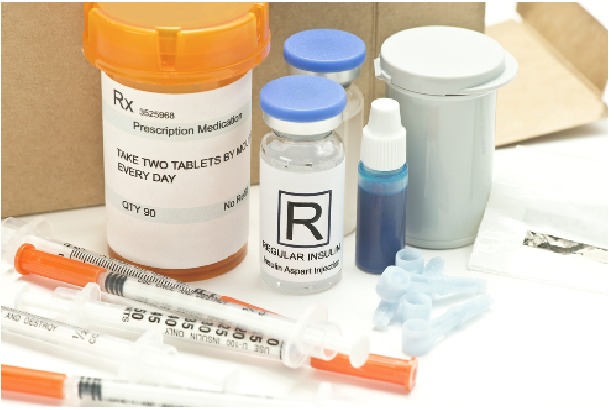 a, vomiting, an unpleasant taste, or dry mouth. This can affect nutritional health by causing poor food intake.


