REQUEST AN APPOINTMENT OR BOOK A CONSULANT – Sargam.dange.18@gmail.com
Humeral shaft fractures are common injuries. Like many orthopaedic injuries, they have a bimodal distribution, occurring in both younger patients due to high energy trauma and in elderly patients following low impact injuries.
Due to the location of the radial nerve within the spiral groove, there is a reasonably high risk of injury; the overall incidence is around 10%, although this is much higher (~25%) in Holstein-Lewis fractures (as discussed below).
The risk factors for humeral shaft fractures include osteoporosis, increasing age, or previous fractures. Humeral shaft fractures can also occur as pathological fractures.
Anatomy
Osteology humeral shaft is cylindrical distally humerus becomes triangular intramedullary canal terminates 2 to 3 cm proximal to the olecranon fossa Muscles insertion for pectoralis major deltoid coracobrachialis origin for brachialis triceps brachioradialis Nerve radial nerve courses along spiral groove 14cm proximal to the lateral epicondyle 20cm proximal to the medial epicondyle
Epidemiology
Humeral shaft fractures account for 3-5% of all fractures . Although they occur in all age groups, a bimodal distribution is noted. The first peak is seen in the third decade in males and the second peak in the seventh decade in females .
causes
A broken arm is a common injury and is usually a consequence of a fall with an outstretched hand, a car crash or some other type of accident.
Clinical Features
Pain and deformity are the predominant features of this injury. These fractures may occur from a fall directly onto the outstretched limb or falling laterally onto an adducted limb.
If the radial nerve is involved, the patient may also complain of reduced sensation over the dorsal 1st webspace and weakness in wrist extension.
On examination, ensure you carefully check and document the neurovascular status*. Assess for open wounds and any suspected concurrent injuries or fractures, particularly if there was a high-energy impact involved.
Classification
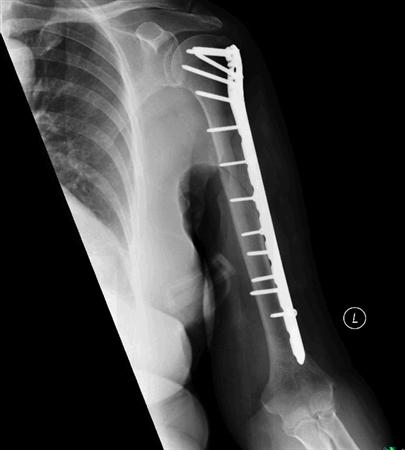
OTA bone number : 1 fracture location: 2 fracture pattern: simple:A, wedge:B, complex:C Descriptive fracture location: proximal, middle or distal third fracture pattern: spiral, transverse, comminuted Holstein-Lewis fracture a spiral fracture of the distal one-third of the humeral shaft commonly associated with neuropraxia of the radial nerve (22% incidence)
Holstein-Lewis Fracture
A Holstein-Lewis fracture is a fracture of the distal third of the humerus resulting in the entrapment of the radial nerve.
The resultant neuropraxia to the radial nerve will result in loss of sensation in the radial distribution and a wrist drop deformity. Surgical management is indicated in such cases.
symptoms
Symptoms vary depending on the specific type of fracture but may include:
Pain
Swelling and bruising
Inability to move the shoulder
A grinding sensation when the shoulder is moved
Deformity — “It does not look right.”
Occasionally bleeding (open fracture)
Loss of normal use of the arm if a nerve injury occurs
REQUEST AN APPOINTMENT OR BOOK A CONSULANT – Sargam.dange.18@gmail.com
Investigations
Anteroposterior (AP) and lateral plain film radiographs of the humerus are usually that is all that is required (Fig. 2). The elbow and shoulder should be visible.
In severely comminuted cases, CT imaging may be requested for pre-operatively planning, although this is not routinely done.
Complications
In most cases the prognosis is good, with minimal impact on function once the fracture has healed. Non-union and mal-union are important, albeit fortunately rare, complications to consider in humeral shaft fractures.
Varus angulation is slightly more common with transverse fractures, however rarely causes functional limitations, as the shoulder has such a vast range of motion that most deformities in the humerus can be accommodated for.
Around 90% of radial nerve injuries will improve within 3 months without any intervention.
treatment for a humerus fracture
Proximal Humeral Fracture
Most fractures of the proximal humerus can be treated without surgery if the bone fragments are not shifted out of position (displaced). If the fragments are shifted out of position, surgery is often performed to allow earlier mobility. However, other factors are also considered when deciding between surgical fixation or nonoperative treatment.
Nonoperative treatment is usually with a sling or shoulder immobilizer with no shoulder mobility for the first two weeks. Thereafter, the patient will be given weekly exercises to slowly increase the shoulder’s range of motion. An X-ray of the shoulder will be taken on a weekly or biweekly (every two weeks) basis to confirm the fracture is healing properly.
Surgery usually involves fixation of the fracture fragments with plates, screws or pins. Severe fractures with previous arthroscopy (joint degeneration) may require shoulder replacement. Mobilization with physical therapy is begun immediately following surgery.
Humerus Shaft Fracture
A humerus shaft fracture may be treated with or without surgery, depending on the fracture pattern and associated injuries (i.e., nerve injury or open fracture). A temporary splint extending from the shoulder to the forearm and holding the elbow bent at 90 degrees can be used for initial management of the fracture.
Nonoperative treatment usually includes the placement of fracture bracing that will be replaced by a cylindrical brace (Sarmiento brace) three to four weeks later that fits the upper arm while leaving the elbow free. The doctor will tell you how long to wear the cast or splint and will remove it at the right time. It may take several weeks to several months for the broken arm to heal completely.
Rehabilitation involves gradually increasing activities to restore muscle strength, joint motion and flexibility. The patient’s cooperation is essential to the rehabilitation process. The patient must complete range of motion, strengthening and other exercises prescribed by the doctor on a daily basis. Rehabilitation will continue until the muscles, ligaments and other soft tissues perform normally.
Surgery usually involves internal fixation of the fragments with plates, screws or a nail. The rehabilitation differs slightly from nonoperative treatment, with no splints or cast. The patient is usually given a sling for comfort and arm support. Elbow exercises may be started immediately after surgery, while shoulder exercises may be delayed for a few weeks based on the fracture pattern.
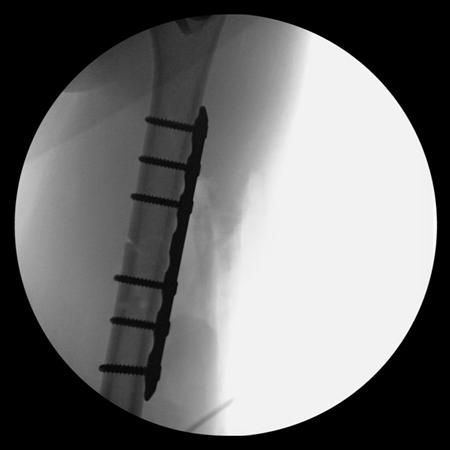
Nonoperative coaptation splint followed by functional brace indications indicated in vast majority of humeral shaft fractures criteria for acceptable alignment include: < 20° anterior angulation < 30° varus/valgus angulation < 3 cm shortening absolute contraindications severe soft tissue injury or bone loss vascular injury requiring repair brachial plexus injury relative contraindications relative operative indications section radial nerve palsy is NOT a contraindication to functional bracing outcomes 90% union rate increased risk with proximal third oblique or spiral fracture varus angulation is common but rarely has functional or cosmetic sequelae damage control orthopaedics (DCO) closed humerus fractures, including low velocity GSW, should be initially managed with a splint or sling type of fixation after trauma should be directed by acceptable fracture alignment parameters, fracture pattern and associated injuries Operative open reduction and internal fixation (ORIF) absolute indications open fracture vascular injury requiring repair brachial plexus injury ipsilateral forearm fracture (floating elbow) compartment syndrome periprosthetic humeral shaft fractures at the tip of the stem relative indications bilateral humerus fracture polytrauma or associated lower extremity fracture allows early weight bearing through humerus pathologic fractures burns or soft tissue injury that precludes bracing fracture characteristics distraction at fracture site short oblique or transverse fracture pattern intraarticular extension intramedullary nailing (IMN) relative indications pathologic fractures segmental fractures severe osteoporotic bone overlying skin compromise limits open approach polytrauma
Techniques
Coaptation Splint & Functional Bracing coaptation splint applied until swelling resolves adequately applied splint will extend up to axilla and over shoulder common deformities include varus and extension valgus mold to counter varus displacement functional bracing extends from 2.5 cm distal to axilla to 2.5 cm proximal to humeral condyles sling should not be used to allow for gravity-assisted fracture reduction shoulder extension used for more proximal fractures weekly radiographs for first 3 weeks to ensure maintenance of reduction every 3-4 weeks after that Open Reduction and Internal Fixation (ORIF) approaches anterolateral approach to humerus used for proximal third to middle third shaft fractures distal extension of the deltopectoral approach radial nerve identified between the brachialis and brachioradialis distally posterior approach to humerus used for distal to middle third shaft fractures although can be extensile triceps may either be split or elevated with a lateral paratricipital exposure
radial nerve is found medial to the long and lateral heads and 2cm proximal to the deep head of the triceps radial nerve exits the posterior compartment through lateral intramuscular septum 10 cm proximal to radiocapitellar joint lateral brachial cutaneous/posterior antebrachial cutaneous nerve serves as an anatomic landmark leading to the radial nerve during a paratricipital approach techniques plate osteosynthesis commonly with 4.5mm plate (narrow or broad) 3.5mm plates may function adequately absolute stability with lag screw or compression plating in simple patterns apply plate in bridging mode in the presence of significant comminution postoperative full crutch weight bearing shown to have no effect on union Intramedullary Nailing (IMN) techniques can be done antegrade or retrograde complication nonunion nonunion rates not shown to be different between IMN and plating in recent meta-analyses IM nailing associated with higher total complication rates shoulder pain increased rate when compared to plating (16-37%) functional shoulder outcome scores (ASES scores) not shown to be different between IMN and ORIF nerve injury while controversial, a recent meta-analysis showed no difference between the incidence of radial nerve palsy between IMN and plating radial nerve is at risk with a lateral to medial distal locking screw musculocutaneous nerve is at risk with an anterior-posterior locking screw postoperative full weight bearing allowed and had no effect on union
REQUEST AN APPOINTMENT OR BOOK A CONSULANT – Sargam.dange.18@gmail.com
REQUEST AN APPOINTMENT OR BOOK A CONSULANT – Sargam.dange.18@gmail.com
A clavicle fracture is a break in the collarbone, one of the main bones in the shoulder. This type of fracture is fairly common—accounting for about 5 percent of all adult fractures. Most clavicle fractures occur when a fall onto the shoulder or an outstretched arm puts enough pressure on the bone that it snaps or breaks. A broken collarbone can be very painful and can make it hard to move your arm.
Most clavicle fractures can be treated by wearing a sling to keep the arm and shoulder from moving while the bone heals. With some clavicle fractures, however, the pieces of bone move far out of place when the injury occurs. For these more complicated fractures, surgery may be needed to realign the collarbone.
The clavicle is located subcutaneously between the sternum and the scapula, and it connects the arm to the body.
The clavicle is the first bone in the human body to begin intramembranous ossification directly from mesenchyme during the fifth week of fetal life. Similar to all long bones, the clavicle has both a medial and lateral epiphysis but it lacks a well-defined medullary cavity. The growth plates of the medial and lateral clavicular epiphyses do not fuse until the age of 25 years. Peculiar among long bones is the clavicle’s S-shaped double curve, which is convex medially and concave laterally. This contouring allows the clavicle to serve as a strut for the upper extremity, while also protecting and allowing the passage of the axillary vessels and brachial plexus medially.
Description
Clavicle fractures are fairly common and occur in people of all ages. Most fractures occur in the middle portion, or shaft, of the bone. Occasionally, the bone will break where it attaches at the ribcage or shoulder blade.
Clavicle fractures vary. The bone can crack just slightly or break into many pieces (comminuted fracture). The broken pieces of bone may line up straight or may be far out of place (displaced fracture).
Etiology
Clavicle fractures are most often caused by a direct blow to the shoulder. This can happen during a fall onto the shoulder or a car collision. A fall onto an outstretched arm can also cause a clavicle fracture. In a baby, a clavicle fracture can occur during the passage through the birth canal.
Younger individuals often sustain these injuries by way of moderate to high-energy mechanisms such as motor vehicle accidents or sports injuries, whereas elderly individuals are more likely to sustain injuries because of the sequela of a low-energy fall.
Although a fall onto an outstretched hand was traditionally considered the common mechanism, it has been found that the clavicle most often fails in direct compression from a force applied directly to the shoulder. About 87% of reported cases, a clavicle fracture results from a fall directly onto the lateral shoulder.
Classification
Fractures of the clavicle is typically described using the Allman classification system, dividing the clavicle into 3 groups based on location which was later revised by Neer(in which Group II was further classified into 3 types).
Group I: Fractures of the middle third or midshaft fractures (the most common site),
Group II: Fractures of the distal or lateral third. A common site for non-union.
Group III: Fractures of the proximal or medial third.
Robinson’s classification was more specific for different fracture patterns in the middle third, while Craig’s classification was more specific for fractures of the lateral third.
Doctor Examination
Physical Examination
Your doctor will want to know how the injury occurred and will ask about your symptoms. He or she will then carefully examine your shoulder.
In a clavicle fracture, there is usually an obvious deformity, or “bump,” at the fracture site. Gentle pressure over the break will bring about pain. Although it is rare for a bone fragment to break through the skin, it may push the skin into a “tent” formation.
In a clavicle fracture, the broken ends of the bone may cause tenting of the skin over the fracture site.
Your doctor will also perform tests to ensure that no nerves or blood vessels were damaged when the fracture occurred.
Imaging Studies
X-rays. X-rays provide images of dense structures, such as bone. Your doctor will order an x-ray to help pinpoint the location of the fracture and to learn more about the severity of the break.
He or she may also order x-rays of your entire shoulder to check for additional injuries. If other bones are broken, your doctor may order a computerized tomography (CT) scan to see the fractures in better detail.
History and Physical Examination
Left sided displaced clavicle fracture.
The patient may appear with the following signs and symptoms:
A patient may cradle the injured extremity with the uninjured arm.
A patient may report a snapping or cracking sound when the injury occurs.
The shoulder may appear shortened relative to the opposite side and may droop.
Swelling, ecchymosis, and tenderness may be noted over the clavicle.
Abrasion over the clavicle may be noted, suggesting that the fracture was from a direct mechanism.
Crepitus from the fracture ends rubbing against each other may be noted with gentle manipulation.
Difficulty breathing or diminished breath sounds on the affected side may indicate a pulmonary injury, such as a pneumothorax.
Palpation of the scapula and ribs may reveal a concomitant injury.
Tenting and blanching of the skin at the fracture site may indicate an impending open fracture, which most often requires surgical stabilization.
Nonuse of the arm on the affected side is a neonatal presentation.
Associated distal nerve dysfunction indicates a brachial plexus injury.
Decreased pulses may indicate a subclavian artery injury.
Venous stasis, discoloration, and swelling indicate a subclavian venous injury.
Diagnostic Procedures and Differential Diagnosis
Diagnose can often be made by a client’s history and physical examination.
The differential diagnosis of a clavicle fracture includes acromioclavicular joint injury, rib fracture, scapular fracture, shoulder dislocation, rotator cuff injury, and sternoclavicular joint injury.
Possible complications of clavicle fractures must also be fully evaluated, including pneumothorax, brachial plexus injury, and subclavian vessel injury.
Laboratory studies are ordered in clavicle fractures according to the severity of trauma. With a suspected vascular injury, obtain a complete blood count (CBC) to check the hemoglobin and hematocrit values. If a pulmonary injury is suspected or identified, perform an arterial blood gas (ABG) test and obtain an expiration posteroanterior (PA) chest film. Other imaging studies that can be used in the assessment of a clavicle fracture include the following:
Radiography of the clavicle and shoulder
Computed tomography (CT) scanning with 3-dimensional (3-D) reconstruction
Arteriography
Ultrasonography
Laboratory studies are ordered in clavicle fractures according to the severity of trauma. With a suspected vascular injury, obtain a complete blood count (CBC) to check the hemoglobin and hematocrit values. If a pulmonary injury is suspected or identified, perform an arterial blood gas (ABG) test and obtain an expiration posteroanterior (PA) chest film. Other imaging studies that can be used in the assessment of a clavicle fracture include the following:
Radiography of the clavicle and shoulder
Computed tomography (CT) scanning with 3-dimensional (3-D) reconstruction
Arteriography
Ultrasonography
Management
Clavicle fracture is managed either surgically or conservatively based upon various factors including the location (mid-shaft, distal, proximal), nature (displaced, undisplaced, comminuted) of the fracture, open VS closed injury, age, and neurovascular compromises.
Traditionally, the management of clavicle fractures has been through conservative management with sling immobilization and subsequent rehabilitation. This continues to provide satisfactory results for undisplaced fractures but conservative management of displaced mid-shaft clavicle fractures results in increased rates of re-injury, increased return times to sport and suboptimal shoulder function, secondary to clavicular mal-union and shortening, with resultant thoracoscapular dyskinesia. Similarly, conservative management of displaced lateral fractures in the athletic patient has been shown to result in high rates of non-union and subsequent impairment of shoulder function.
So for the athletic individual, operative intervention is routinely performed for displaced lateral fractures and is recommended for mid-shaft fractures that are completely displaced, shortened >2 cm or comminuted.
REQUEST AN APPOINTMENT OR BOOK A CONSULANT – Sargam.dange.18@gmail.com
Surgical Treatment
The chief goal of this treatment is to achieve a healed clavicular strut in a normal anatomical position as possible.
Indications for operative treatment of clavicular fractures are;
Severe displacement caused by comminution with resultant angulation and tenting of the skin severe enough to threaten its integrity and that fails to respond to closed reduction.
Symptomatic non-union like shoulder girdle dysfunction neurovascular compromise.
Neurovascular injury or compromise that is progressive or that fails to revere after the closed reduction of the fracture.
Open fracture.
Type II distal clavicular fracture (displaced).
Multiple traumas, when mobility of the patients is desirable and closed methods of immobilization are impractical or possible.
Floating shoulder.
Inability to tolerate closed immobilization such as neurological problems of Parkinsonism, seizure disorders.
Cosmetic reasons.
Relative indications include shortening of more than 15 to 20mm and displacement more than the width of the clavicle.
Surgical procedure includes:
Internal fixation with plates and screws. ( most common)
Intramedullary (IM) fixation.
The routine removal of metalwork was recommended for IM Nail but not for plate fixation in midshaft displaced fractures. Whereas, in displaced lateral clavicle fracture routine removal of metalwork was performed for ‘hook’ plate fixation, screw fixation, cerclage wire fixation, and tension band wire fixation but not for ‘non-ACJ-spanning’ plate fixation and suture fixation. These fixation methods are necessary for lateral clavicle fracture as it involves acromioclavicular joint and various ligaments that may become injured during fracture.
Physical Therapy/Rehabilitation
The primary goal of rehabilitation is to improve and restore the function of the shoulder for activities of daily living, vocational, and sports activities. Rehabilitation protocol may vary slightly in first few weeks based upon the primary treatment approach i.e. conservative vs surgical.
Rehabilitation for Conservative Management
Fracture healing may take more time in nonoperative treatment. Conservatively treated fractures of the clavicular midshaft usually unite between 18 and 28 weeks after the injury. So regular follow- up needs to be done to check whether the fracture site is properly unioned or not. So rehabilitation protocol may also vary based upon individual co-morbidities.
In first few weeks ( 2-4 weeks), POLICE principle can be used in acute undisplaced clavicle fracture which is further explained below in context of clavicle fracture.
Protection:
Patient’s shoulder is immobilized in a sling or figure-of-eight brace until the clinical union is achieved. A figure-of-eight brace is often thought to prevent or reduce secondary fracture shortening during the time of fracture healing. But it is associated with more discomfort and pain including nerve compression with temporary brachial plexus palsies and restriction of venous blood return. And studies concluded that there are no differences between these two techniques regarding healing time and the rate of nonunion for treating clavicle fractures. So a sling is usually used and immobilization in internal rotation is usually recommended for 2-4 weeks. Wear the sling during the day, except for exercises and personal hygiene.Patient’s choice to wear at night or not but they need to be cautious.
During forceful coughing, sneezing also patients need to take caution (as respiratory excursions may cause clavicle movement) by avoiding it as much as possible and also learning active-assisted coughing techniques if necessary.
Optimal loading
Therapy/Advice for 1-2 weeks Post injury:
Use of arm sling as mentioned above ( need to use most of the times).
Self-mobilisation of the elbow and wrist out of the sling is required several times a day to avoid stiffening of the elbow and wrist.
Do not lift your elbow above shoulder height as this may be painful.
The range of motion of the shoulder should usually be limited to pendulum exercises for the first 1-2 weeks.
Correct postural habits and neck ROM are taught.
Therapy/Advice for 3-6 weeks Post -injury:
Decrease the use of arm sling (use during non-dependent position).
Begin normal light daily activities with the arm and shoulder.
Shoulder active-assisted to active range of motion in a single plane with no more above than 90 degrees is recommended within the first 6 weeks.
Scapular mobilization exercises are addressed.
Isometric exercises of Shoulder with tolerable resistance is started within 4-6 weeks.
Avoid heavy lifting for the full 6 weeks.
Gradual progression of cardiovascular endurance training can be started using brisk walking and static bycycle.
Therapy/Advice for 6-12 weeks Post-injury:
Free active and active assisted range of motion of shoulder in all planes is usually allowed after 6 weeks with passive ROM as tolerable.
Progressive resistive exercises (isotonic) for scapular stabilizers, biceps, triceps and rotator cuff are prescribed after 6 weeks.
Weight-bearing should be avoided until clinical fracture.
Sporting activities and work, demanding weight-bearing and the use of the arm, are usually suspended until the patient is free of pain with radiographic signs of progressing fracture consolidation, usually after 6-12 weeks.
Therapy/Advice for 12 weeks and beyond:
Start a more aggressive strengthening program, cardiovascular endurance training as tolerated, and progressive sports- specific training are addressed.
Return to specific sports is determined by the physical therapist through functional testing specific to the patient’s demands according to which progressive sport-specific training is planned.
Advance activities including muscle endurance activities (upper body ergometer) and cardiovascular endurance exercises (treadmill, cycling) can be prescribed.
Contact sports should be avoided for 3-4 months. Return to full contact sports requires the athlete should demonstrate radiographic evidence of bony healing, no tenderness to palpation, a full range of motion, and normal shoulder strength.
Rehabilitation After Postoperative Treatment
Primary open reduction and internal fixation with plate ( locking compression plate) and screws of middle third clavicle fractures provides a more rigid fixation and allow immediate post-surgical mobilzation. Surgical management help bone healing faster than that of conservative treatment. So the duration of immobilization is shorter compare to conservative treatment and mobilization and strengthening exercises can be prescribed in earlier than that of conservative management. A similar progression of exercise can be prescribed as of conservative treatment but progression can be made earlier.
Treatment
Nonsurgical Treatment
If the broken ends of the bones have not significantly shifted out of place, you may not need surgery. Most broken collarbones can heal without surgery.
Nonsurgical treatment may include:
Arm support. A simple arm sling is usually used for comfort immediately after the break and to keep your arm and shoulder in position while the injury heals.
Medication. Pain medication, including acetaminophen, can help relieve pain as the fracture heals.
Physical therapy. Although there will be some pain, it is important to maintain arm motion to prevent stiffness. Often, patients will begin doing exercises for elbow motion immediately after the injury.
After a clavicle fracture, it is common to lose some shoulder and arm strength. Once the bone begins to heal, your pain will decrease and your doctor may start gentle shoulder exercises. These exercises will help prevent stiffness and weakness. More strenuous exercises will be started gradually once the fracture is completely healed.
Follow-up care. You will need to see your doctor regularly until your fracture heals. During these visits, he or will take x-rays to make sure the bone is healing in a good position. After the bone has healed, you will be able to gradually return to your normal activities.
Complications. In some cases, a clavicle fracture can move out of place before it heals. It is important to follow up with your doctor as scheduled to make sure the bone stays in position.
If the fracture fragments do move out of place and the bones heal in that position, it is called a “malunion.” Treatment for this is determined by how far out of place the bones are and how much this affects your arm movement.
A large bump over the fracture site may develop as the fracture heals. This usually gets smaller over time, but a small bump may remain permanently.
Surgical Treatment
If the broken ends of the bones have significantly shifted out of place, your doctor may recommend surgery.
Surgery typically involves putting the broken pieces of bone back into position and preventing them from moving out of place until they are healed. This can improve shoulder strength when you have recovered.
Open reduction and internal fixation. This is the procedure most often used to treat clavicle fractures. During the procedure, the bone fragments are first repositioned (reduced) into their normal alignment. The pieces of bone are then held in place with special metal hardware.
Common methods of internal fixation include:
Plates and screws. After being repositioned into their normal alignment, the bone fragments are held in place with special screws and metal plates attached to the outer surface of the bone.
After surgery, you may notice a small patch of numb skin below the incision. This numbness will become less noticeable with time. Because the clavicle lies directly under the skin, you may be able to feel the plate through your skin.
Plates and screws are not routinely removed after the bone has healed, unless they are causing discomfort. Problems with the hardware are not common, but some patients find that seatbelts and backpacks can irritate the collarbone area. If this happens, the hardware can be removed after the fracture has healed.
(Left) X-ray shows a displaced clavicle fracture (arrow). (Right) The pieces of bone have been realigned and held in place with plates and screws.
Pins or screws. Pins or screws can also be used to hold the fracture in good position after the bone ends have been put back in place. The incisions for pin or screw placement are usually smaller than those used for plates.
Pins or screws often irritate the skin where they have been inserted and are usually removed once the fracture has healed.
(Left) X-ray shows a severely displaced clavicle fracture (arrow). (Right) Here, a single screw has been used to repair the fracture. Reproduced from Eichinger JK, Balog TP, Grassbaugh JA: Intramedullary fixation of clavicle fractures: anatomy, indications, advantages, and disadvantages. J Am Acad Orthop Surg 2016; 24(7): 455-464.
Pain management. After surgery, you will feel some pain.This is a natural part of the healing process. Many patients find that using ice and simple, non-prescription medications for pain relief are all that is needed to relieve pain.
If your pain is severe, your doctor may suggest a prescription-strength medication, such as an opioid, for a few days.
Be aware that although opioids help relieve pain after surgery, they are a narcotic and can be addictive. Opioid dependency and overdose has become a critical public health issue. For this reason, opioids are typically prescribed for a short period of time. It is important to use opioids only as directed by your doctor. As soon as your pain begins to improve, stop taking opioids.
Rehabilitation. Specific exercises will help restore movement and strengthen your shoulder. Your doctor may provide you with a home therapy plan or suggest that you work with a physical therapist.
Therapy programs typically start with gentle motion exercises. Your doctor will gradually add strengthening exercises to your program as your fracture heals.
Although it is a slow process, following your physical therapy plan is an important factor in returning to all the activities you enjoy.
Complications. There are risks associated with any type of surgery. These include:
Infection
Bleeding
Problems with wound healing
Pain
Blood clots
Damage to blood vessels or nerves
Reaction to anesthesia
Risks that are specific to surgery for clavicle fractures include:
Difficulty with bone healing
Lung injury
Hardware irritation
Patients who smoke or use tobacco products, have diabetes, or are elderly are at a higher risk for complications both during and after surgery. They are also more likely to have problems with wound and bone healing.
Before your surgery, your doctor will discuss each of the risks with you and will take specific measures to avoid complications.
REQUEST AN APPOINTMENT OR BOOK A CONSULANT – Sargam.dange.18@gmail.com
REQUEST AN APPOINTMENT OR BOOK A CONSULANT – Sargam.dange.18@gmail.com
A fracture is a discontinuity in a bone (or cartilage) resulting from mechanical forces that exceed the bone’s ability to withstand them.
Most commonly fractures occur in the setting of a normal bone with acute overwhelming force, usually in the setting of trauma. Fractures can also occur, however, in a variety of other settings.
The entire skeleton may be weak due to metabolic (e.g. osteoporosis) or less frequently genetic abnormalities (e.g. osteogenesis imperfecta) and thus prone to fractures from forces that would be insufficient to cause fractures in normal bones. These are known as insufficiency fractures.
The protracted chronic application of abnormal stresses (e.g. running) can result in the accumulation of microfractures faster than the body can heal, eventually resulting in macroscopic failure. These are termed fatigue fractures. Nb. Together, insufficiency and fatigue fractures are often grouped together as stress fractures.
The bone may have a lesion that focally weakens a bone (e.g. metastasis, or bone cyst). These are known as pathological fractures.
Pathophysiology Of Bone Healing
The pathophysiological sequence of events that occur following a fracture can be divided into three main phases:
Inflammatory
Reparative
Remodeling
Inflammatory Phase
Immediately at the time of fracture, the space between fracture ends is filled with blood-forming a hematoma.
Stops additional bleeding; provides structural and biochemical support for the influx of inflammatory cells, fibroblasts, chondroblasts and the ingrowth of capillaries
This process takes approximately a week, forming a primary callus which is non-mineralized and not readily visible on radiography
Reparative Phase
Over the next few weeks, this primary callus is transformed into a bony callus by the activation of osteoprogenitor cells. These cells lay down woven bone which stabilises the fracture site.
Remodeling Phase
This phase lasts many months, maybe years, and represents the gradual formation of compact cortical bone with greater biomechanical properties and allows for the reduction of the width of the callus. Remodeling can result in almost perfect healing, however, particularly if the alignment is not perfect, a residual deformity will remain.
Clinical Features of Fracture
Clinical features vary depending on the cause and nature of the injury and range from unconsciousness to the patient being able to use the limb, although complaining of pain. These features are :
Pain (Image at arm following a boxing injury, painful)
Deformity
Oedema
Loss of function
Muscle spasm
Muscle atrophy
Abnormal movement
Limitation of joint motion
Shock
REQUEST AN APPOINTMENT OR BOOK A CONSULANT – Sargam.dange.18@gmail.com
Treatment and Prognosis
The basics of fracture healing rely on alignment and immobilisation.
Alignment may or may not be necessary depending on the degree of displacement, the importance of correct alignment (e.g. index finger vs rib), and the patient (e.g. professional athlete vs debilitated elderly).
Immobilisation can be achieved in a variety of ways depending on the location, morphology of the fracture, and device of fixation
None (e.g. most rib fractures)
Sling (e.g. many clavicular fractures)
Cast (e.g. many forearm fractures)
Internal fixation (e.g. most hip fractures)
External fixation
Fixation Devices
Stress sharing devices
It allows micromotion between the two fractured sites and partial transmission of load, so promote secondary bone healing with callus formation, which is a relatively rapid bone healing.
For example; intramedullary nail, casts, rods.
Stress Shielding Devices
The stress at the fracture site is transmitted through the shielding device, there is no motion at the fracture site so promote primary bone healing without callus formation, which is slower than the healing with callus formation.
For example; compression plate.
Role of Physiotherapy
The physiotherapist’s role is to identify the cause of the problem and to select the appropriate procedure to alleviate or eliminate the cause of the loss of movement. Examples of early treatment include
A physical therapist may instruct the client how to walk with an assistive device, like a cane or crutches. This includes how to use the device to walk up and down stairs or to get into and out of a car. Learning a new skill takes practice, so be sure to allow client practice using your device while they are with you.
After a lower extremity fracture there may limit the amount of weight client can put on the leg. Help the client understand weight bearing restrictions and teach how to move about while still maintaining these restrictions.
If the fracture is in the arm, you as the physical therapist may teach you how to apply and remove the sling
Doing an assessment for the patient is necessary also doing The problem-oriented medical record (POMR) system ( is based on a data collection system that incorporates the acronym SOAP:
Subjective – any information given to you by the patient: allergies, past medical history, past surgical history, family history, social history (living arrangements, social conditions, employment, medication), review of systems .
Objective – all information obtained through observation or testing, e.g. range of joint movement, muscle strength .
Analysis – a listing of problems based on what you know from a review of subjective and objective data.
Plan – this refers to the plan of treatment).
Also By Using specific exercises, the aim is to reduce any swelling, regain full muscle power and joint movement, and to bring back full function. The treatment will depend very much on the problems identified during your initial assessment, but may include a mixture of the following:
Soft tissue massage, particularly to manage Edema and swelling
Scar management if the patient had surgery to fix the fracture
Ice therapy
Stretching exercises to regain joint range of movement
Joint manual therapy and mobilizations to assist in regaining joint mobility
Structured and progressive strengthening regime
Balance and control work and gait (walking) re-education where appropriate
Taping to support the injured area/help with swelling management
Return to sport preparatory work and advice where required
REQUEST AN APPOINTMENT OR BOOK A CONSULANT – Sargam.dange.18@gmail.com
REQUEST AN APPOINTMENT OR BOOK A CONSULANT – Sargam.dange.18@gmail.com
A fracture is a broken bone. It can range from a thin crack to a complete break. Bone can fracture crosswise, lengthwise, in several places, or into many pieces. Most fractures happen when a bone is impacted by more force or pressure than it can support.
A bone fracture is a medical condition where the continuity of the bone is broken.If you suspect you have a fracture, seek medical help immediately.
A significant percentage of bone fractures occur because of high force impact or stress.However, a fracture may also be the result of some medical conditions which weaken the bones, for example osteoporosis, some cancers, or osteogenesis imperfecta (also known as brittle bone diseases).A fracture caused by a medical condition is known as a pathological fracture.
Types of bone fracture-
There is a range of fracture types, including:
Avulsion fracture – a muscle or ligament pulls on the bone, fracturing it.
Comminuted fracture – the bone is shattered into many pieces.
Compression (crush) fracture – generally occurs in the spongy bone in the spine. For example, the front portion of a vertebra in the spine may collapse due to osteoporosis.
Fracture dislocation – a joint becomes dislocated, and one of the bones of the joint has a fracture.
Greenstick fracture – the bone partly fractures on one side, but does not break completely because the rest of the bone can bend. This is more common among children, whose bones are softer and more elastic.
Hairline fracture – a partial fracture of the bone. Sometimes this type of fracture is harder to detect with routine xrays.
Impacted fracture – when the bone is fractured, one fragment of bone goes into another.
Intraarticular fracture – where the break extends into the surface of a joint
Longitudinal fracture – the break is along the length of the bone.
Oblique fracture – a fracture that is diagonal to a bone’s long axis.
Pathological fracture – when an underlying disease or condition has already weakened the bone, resulting in a fracture (bone fracture caused by an underlying disease/condition that weakened the bone).
Spiral fracture – a fracture where at least one part of the bone has been twisted.
Stress fracture – more common among athletes. A bone breaks because of repeated stresses and strains.
Torus (buckle) fracture – bone deforms but does not crack. More common in children. It is painful but stable.
Transverse fracture – a straight break right across a bone.
Closed vs. open
A closed fracture is also called a simple fracture. In a closed fracture, the broken bone doesn’t break your skin.
An open fracture is also called a compound fracture. In an open fracture, the ends of the broken bone tear your skin. When your bone and other internal tissues are exposed, it puts you at higher risk of infection.
Incomplete vs. complete
In an incomplete fracture, your bone doesn’t break completely. In other words, it cracks without breaking all the way through. Types of incomplete fracture include:
hairline fracture, in which your bone is broken in a thin crack
greenstick fracture, in which your bone is broken on one side, while the other side is bent
buckle or torus fracture, in which your bone is broken on one side and a bump or raised buckle develops on the other side
In a complete fracture, your bone breaks completely. It’s snapped or crushed into two or more pieces. Types of complete fracture include:
single fracture, in which your bone is broken in one place into two pieces
comminuted fracture, in which your bone is broken or crushed into three or more pieces
compression fracture, in which your bone collapses under pressure
nondisplaced fracture, in which your bone breaks into pieces that stay in their normal alignment
displaced fracture, in which your bone breaks into pieces that move out of their normal alignment
segmental fracture, in which your bone is broken in two places in a way that leaves at least one segment floating and unattached
Incomplete fractures are more common in children. Their bones are softer than those of adults. As a result, they’re more likely to bend than break. Complete fractures can happen at any age.
causes
Most fractures are caused by a bad fall or automobile accident. Healthy bones are extremely tough and resilient and can withstand surprisingly powerful impacts. As people age, two factors make their risk of fractures greater: Weaker bones and a greater risk of falling.
Children, who tend to have more physically active lifestyles than adults, are also prone to fractures.
People with underlying illnesses and conditions that may weaken their bones have a higher risk of fractures. Examples include osteoporosis, infection, or a tumor. As mentioned earlier, this type of fracture is known as a pathological fracture.
Stress fractures, which result from repeated stresses and strains, commonly found among professional sports people, are also common causes of fractures.
Fast facts on fractures
Here are some key points about fractures. More detail and supporting information is in the main article.
Most bone fractures are caused by falls and accidents.
Bone fractures caused by disease are referred to as pathological fractures.
A compound fracture is one that also causes injury to the overlying skin.
There are a number of different types of fractures, including avulsion, comminuted, and hairline fractures.
Bone healing is a natural process, treatment revolves around giving the bone optimum conditions to heal itself.
Symptoms
The signs and symptoms of a fracture vary according to which bone is affected, the patient’s age and general health, as well as the severity of the injury. However, they often include some of the following:
pain
swelling
bruising
discolored skin around the affected area
angulation – the affected area may be bent at an unusual angle
the patient is unable to put weight on the injured area
the patient cannot move the affected area
the affected bone or joint may have a grating sensation
if it is an open fracture, there may be bleeding
When a large bone is affected, such as the pelvis or femur:
the sufferer may look pale and clammy
there may be dizziness (feeling faint)
feelings of sickness and nausea.
If possible, do not move a person with a broken bone until a healthcare professional is present and can assess the situation and, if required, apply a splint. If the patient is in a dangerous place, such as in the middle of a busy road, one sometimes has to act before the emergency services arrive.
REQUEST AN APPOINTMENT OR BOOK A CONSULANT – Sargam.dange.18@gmail.com
Doctor Examination
Your doctor will do a careful examination to assess your overall condition, as well as the extent of the injury. He or she will talk with you about how the injury occurred, your symptoms, and medical history.
The most common way to evaluate a fracture is with x-rays, which provide clear images of bone. Your doctor will likely use an x-ray to verify the diagnosis. X-rays can show whether a bone is intact or broken. They can also show the type of fracture and exactly where it is located within the bone.
fracture diagnosis
Most fractures are caused by a bad fall or automobile accident. Healthy bones are extremely tough and resilient and can withstand surprisingly powerful impacts. As people age, two factors make their risk of fractures greater: Weaker bones and a greater risk of falling.
Children, who tend to have more physically active lifestyles than adults, are also prone to fractures.
People with underlying illnesses and conditions that may weaken their bones have a higher risk of fractures. Examples include osteoporosis, infection, or a tumor. As mentioned earlier, this type of fracture is known as a pathological fracture.
Stress fractures, which result from repeated stresses and strains, commonly found among professional sports people, are also common causes of fractures.
Complications
Heals in the wrong position – this is known as a malunion; either the fracture heals in the wrong position or it shifts (the fracture itself shifts).
Disruption of bone growth – if a childhood bone fracture affects the growth plate, there is a risk that the normal development of that bone may be affected, raising the risk of a subsequent deformity.
Persistent bone or bone marrow infection – if there is a break in the skin, as may happen with a compound fracture, bacteria can get in and infect the bone or bone marrow, which can become a persistent infection (chronic osteomyelitis).
Patients may need to be hospitalized and treated with antibiotics. Sometimes, surgical drainage and curettage is required.
Bone death (avascular necrosis) – if the bone loses its essential supply of blood it may die.
risk factors
Anyone can be experience a fracture. But you’re more likely to develop one if you have brittle bones, or low bone density. You’re more likely to develop brittle bones if you:
are older
have osteoporosis
have endocrine or intestinal disorders
are taking corticosteroids
are physically inactive
drink alcohol
smoke
Diagnosis
Medical intervention focuses on supporting the bone as it heals naturally.
A doctor will carry out a physical examination, identify signs and symptoms, and make a diagnosis.
The patient will be interviewed – or friends, relatives, and witnesses if the patient cannot communicate properly – and asked about circumstances that caused the injury or may have caused it.
Doctors will often order an X-ray. In some cases, an MRI or CT scan may also be ordered.
Bone healing is a natural processTrusted Source which, in most cases, will occur automatically. Fracture treatment is usually aimed at making sure there is the best possible function of the injured part after healing.
Treatment also focuses on providing the injured bone with the best circumstances for optimum healing (immobilization).
For the natural healing process to begin, the ends of the broken bone need to be lined up – this is known as reducing the fracture.
The patient is usually asleep under a general anesthetic when fracture reduction is done. Fracture reduction may be done by manipulation, closed reduction (pulling the bone fragments), or surgery.
Immobilization – as soon as the bones are aligned they must stay aligned while they heal. This may include:
Plaster casts or plastic functional braces – these hold the bone in position until it has healed.
Metal plates and screws – current procedures may use minimally invasive techniques.
Intra-medullary nails – internal metal rods are placed down the center of long bones. Flexible wires may be used in children.
External fixators – these may be made of metal or carbon fiber; they have steel pins that go into the bone directly through the skin. They are a type of scaffolding outside the body.
Usually, the fractured bone area is immobilized for 2-8 weeks. The duration depends on which bone is affected and whether there are any complications, such as a blood supply problem or an infection.
How is a fracture treated?
If you’re diagnosed with a fracture, the treatment plan will depend on its type and location.
In general, your doctor will try to put the broken bone pieces back into their proper positions and stabilize them as they heal. It’s important to keep pieces of broken bone immobile until they’re mended. During the healing process, new bone will form around the edges of the broken pieces. If they’re properly aligned and stabilized, the new bone will eventually connect the pieces.
Your doctor may use a cast to stabilize your broken bone. Your cast will likely be made from plaster or fiberglass. It will help keep the injured area stabilized and prevent broken bone pieces from moving while they heal.
In rare cases, you may need traction to stabilize the injured area. Traction stretches the muscles and tendons around your bone. Your doctor will administer it using a system of pulleys and weights positioned in a metal frame over your bed. This system will produce a gentle pulling motion that your doctor can use to stabilize the injured area.
For more complex or compound fractures, you may need surgery. Your doctor may use open reduction, and internal fixation or external fixation to keep your bones from moving.
In open reduction and internal fixation, your doctor will first reposition or “reduce” the pieces of broken bone into their normal alignment. Then they will connect or “fix” the broken bone. This occurs by using screws, metal plates, or both. In some cases, your doctor may insert rods through the center of your bone.
In external fixation, your doctor will put pins or screws into your bone above and below the fracture site. They will connect these pins or screws to a metal stabilizing bar positioned on the outside of your skin. The bar will hold your bone in place as it heals.
Your doctor may also prescribe medication to control pain, fight infection, or manage other symptoms or complications. After the initial treatment stages, they may recommend physical therapy or other strategies to help you regain normal use.
healing
Healing – if a broken bone has been aligned properly and kept immobile, the healing process is usually straightforward.
Osteoclasts (bone cells) absorb old and damaged bone while osteoblasts (other bone cells) are used to create new bone.
Callus is new bone that forms around a fracture. It forms on either side of the fracture and grows toward each end until the fracture gap is filled. Eventually, the excess bone smooths off and the bone is as it was before.
The patient’s age, which bone is affected, the type of fracture, as well as the patient’s general health are all factors which influence how rapidly the bone heals. If the patient smokes regularly, the healing process will take longer.
Physical therapy – after the bone has healed, it may be necessary to restore muscle strength as well as mobility to the affected area. If the fracture occurred near or through a joint, there is a risk of permanent stiffness or arthritis – the individual may not be able to bend that joint as well as before.
Surgery – if there was damage to the skin and soft tissue around the affected bone or joint, plastic surgery may be required.
Delayed unions and non-unions
Non-unions are fractures that fail to heal, while delayed unions are those that take longer to heal.
Ultrasound therapy – low-intensity ultrasound is applied to the affected area daily. This has been found to help the fracture heal. Studies in this area are still ongoing.
Bone graft – if the fracture does not heal, a natural or synthetic bone is transplanted to stimulate the broken bone.
Stem cell therapy – studies are currently underway to see whether stem cells can be used to treat fractures that do not heal.
REQUEST AN APPOINTMENT OR BOOK A CONSULANT – Sargam.dange.18@gmail.com
REQUEST AN APPOINTMENT OR BOOK A CONSULANT – Sargam.dange.18@gmail.com
A psychological disorder is a condition characterized by abnormal thoughts, feelings, and behaviors. Psychopathology is the study of psychological disorders, including their symptoms, etiology (i.e., their causes), and treatment. The term psychopathology can also refer to the manifestation of a psychological disorder. Although consensus can be difficult, it is extremely important for mental health professionals to agree on what kinds of thoughts, feelings, and behaviors are truly abnormal in the sense that they genuinely indicate the presence of psychopathology. Certain patterns of behavior and inner experience can easily be labeled as abnormal and clearly signify some kind of psychological disturbance.
The person who washes his hands 40 times per day and the person who claims to hear the voices of demons exhibit behaviors and inner experiences that most would regard as abnormal: beliefs and behaviors that suggest the existence of a psychological disorder. But, consider the nervousness a young man feels when talking to attractive women or the loneliness and longing for home a freshman experiences during her first semester of college—these feelings may not be regularly present, but they fall in the range of normal. So, what kinds of thoughts, feelings, and behaviors represent a true psychological disorder? Psychologists work to distinguish psychological disorders from inner experiences and behaviors that are merely situational, idiosyncratic, or unconventional.
Definition of a Psychological Disorder
Perhaps the simplest approach to conceptualizing psychological disorders is to label behaviors, thoughts, and inner experiences that are atypical, distressful, dysfunctional, and sometimes even dangerous, as signs of a disorder. For example, if you ask a classmate for a date and you are rejected, you probably would feel a little dejected. Such feelings would be normal. If you felt extremely depressed—so much so that you lost interest in activities, had difficulty eating or sleeping, felt utterly worthless, and contemplated suicide—your feelings would be atypical, would deviate from the norm, and could signify the presence of a psychological disorder. Just because something is atypical, however, does not necessarily mean it is disordered.
The American Psychiatric Association (APA) Definition
Many of the features of the harmful dysfunction model are incorporated in a formal definition of psychological disorder developed by the . According to the American Psychiatric Association (APA) (2013), a psychological disorder is a condition that is said to consist of the following:
There are significant disturbances in thoughts, feelings, and behaviors. A person must experience inner states (e.g., thoughts and/or feelings) and exhibit behaviors that are clearly disturbed—that is, unusual, but in a negative, self-defeating way. Often, such disturbances are troubling to those around the individual who experiences them. For example, an individual who is uncontrollably preoccupied by thoughts of germs spends hours each day bathing, has inner experiences, and displays behaviors that most would consider atypical and negative (disturbed) and that would likely be troubling to family members.
The disturbances reflect some kind of biological, psychological, or developmental dysfunction. Disturbed patterns of inner experiences and behaviors should reflect some flaw (dysfunction) in the internal biological, psychological, and developmental mechanisms that lead to normal, healthy psychological functioning. For example, the hallucinations observed in schizophrenia could be a sign of brain abnormalities.
The disturbances lead to significant distress or disability in one’s life. A person’s inner experiences and behaviors are considered to reflect a psychological disorder if they cause the person considerable distress, or greatly impair his ability to function as a normal individual (often referred to as functional impairment, or occupational and social impairment). As an illustration, a person’s fear of social situations might be so distressing that it causes the person to avoid all social situations (e.g., preventing that person from being able to attend class or apply for a job).
The disturbances do not reflect expected or culturally approved responses to certain events. Disturbances in thoughts, feelings, and behaviors must be socially unacceptable responses to certain events that often happen in life. For example, it is perfectly natural (and expected) that a person would experience great sadness and might wish to be left alone following the death of a close family member. Because such reactions are in some ways culturally expected, the individual would not be assumed to signify a mental disorder.
REQUEST AN APPOINTMENT OR BOOK A CONSULANT – Sargam.dange.18@gmail.com
unites of classification-
Diseases?
Disorders?
Syndromes?
In psychiatry most of the disorders or diseases diagnosed are syndromes syndromes syndrome a collections of symptoms that tend to appear collections of symptoms that tend to appear together and that seem to have a characteristic course and outcome Purposes of diagnosis in psychiatry help to simplify your thinking and reduce the complexity of clinical phenomena the complexity of clinical phenomena facilitate communication between clinicians (concisely summarizes information for all other clinicians)information for all other clinicians)help to predict the outcome of the disorder decide on an appropriate treatment assist in the search for pathophysiology and etiology.
Neurosis and psychosis
The traditional division between neurosis and psychosis that was evident in ICD-9 (although deliberately left without any attempt to define these concepts) has not been used in ICD-10. However, the term “neurotic” is still retained for occasional use and occurs, for instance, in the heading of a major group (or block) of disorders F40-F48, “Neurotic, stress-related and somatoform disorders”. Except for depressive neurosis, most of the disorders regarded as neuroses by those who use the concept are to be found in this block,and the remainder are in the subsequent blocks. Instead of following the neurotic-psychotic dichotomy, the disorders are now arranged in groups according to major common themes or descriptive likenesses, which makes for increased convenience of use. For instance, cyclothymia (F34.0) is in the block F30-F39, Mood [affective] disorders, rather than in F60-F69, Disorders of adult personality and behaviour; similarly, all disorders associated with the use of psychoactive substances are grouped together in F10-F19, regardless of their severity. “Psychotic” has been retained as a convenient descriptive term, particularly in F23, Acute and transient psychotic disorders. Its use does not involve assumptions about psychodynamic mechanisms, but simply indicates the presence of hallucinations, delusions, or a limited number of severe abnormalities of behaviour, such as gross excitement and overactivity, marked psychomotor retardation, and catatonic behaviour.
Psychogenic and psychosomatic
The term “psychogenic” has not been used in the titles of categories, in view of its different meanings in different languages and psychiatric traditions. It still occurs occasionally in the text, and should be taken to indicate that the diagnostician regards obvious life events or difficulties as playing an important role in the genesis of the disorder. “Psychosomatic” is not used for similar reasons and also because use of this term might be taken to imply that psychological factors play no role in the occurrence, course and outcome of other diseases that are not so described. Disorders described as psychosomatic in other classifications can be found here in F45.- (somatoform disorders), F50.- (eating disorders), F52.- (sexual dysfunction), and F54.- (psychological or behavioural factors associated with disorders or diseases classified elsewhere). It is particularly important to note category F54.- (category 316 in ICD-9) and to remember to use it for specifying the association of physical disorders, coded elsewhere in ICD-10, with an emotional causation. A common example would be the recording of psychogenic asthma or eczema by means of both F54 from Chapter V(F) and the appropriate code for the physical condition from other chapters in ICD-10
REQUEST AN APPOINTMENT OR BOOK A CONSULANT – Sargam.dange.18@gmail.com
REQUEST AN APPOINTMENT OR BOOK A CONSULANT – Sargam.dange.18@gmail.com
Pulmonary resection is the first line of treatment of stage I and II non-small cell lung cancer (NSCLC). It is also important as part of the management of stage IIIA. In early stages of NSCLC, the surgery focuses on diagnosis, staging and resection of the entire tumor. Pneumonectomy and lobectomy carry a mortality rate in hospital of up to 4% and 8% percent respectively.
Types of Pulmonary Resection
Different portions of the lung are removed during the diverse procedures that make up pulmonary resection, including:
Pneumonectomy refers to removal of the lung affected with cancer.
Lobectomy refers to the removal of the diseased lobe, ligation of the bronchovascular structures and removal of the lymph nodes in the hilum and mediastinum on the same side. It is the gold standard for pulmonary resection in lung cancer.
Sublobar resection refers to the removal of less than an entire lobe of a lung, within anatomical or non-anatomical boundaries. Their advantages include lower mortality rates and comparable complication rates or lung function when set against a lobectomy. Currently, these are advised when a patient is too ill or whose lung reserve is too low to tolerate lobectomy.
Wedge resections, also known as non-anatomical sublobar resections are performed in patients too ill for lobectomy, for small tumors which are peripherally located and cross anatomical boundaries, or those with multiple primary NSCLC tumors. Wide margins of excision should be provided to ensure tumor-negative margins and lymph node removal is mandatory.
Segmentectomy refers to the removal of a lung segment beginning with bronchovascular ligation and anatomical dissection, followed by a mediastinal lymph node sampling as for lobectomy. Anatomical segmentectomy has comparable survival and recurrence rates to lobectomy, when performed for tumors smaller than 3 cm. For larger tumors, it is associated with higher recurrence rates.
REQUEST AN APPOINTMENT OR BOOK A CONSULANT – Sargam.dange.18@gmail.com
REQUEST AN APPOINTMENT OR BOOK A CONSULANT – Sargam.dange.18@gmail.com
Cardiopulmonary bypass (CPB) provides a bloodless field for cardiac surgery. It incorporates an extracorporeal circuit to provide physiological support in which venous blood is drained to a reservoir, oxygenated and sent back to the body using a pump. Team effort between surgeon, perfusionist and anaesthesiologist is paramount for the successful use of CPB. However, it also has its share of complications and strategies to reduce these complications are the area of the current research.
Advances in cardiac surgery have been possible due to the development of cardiopulmonary bypass (CPB). CPB is a form of extracorporeal circulation whose function is circulatory and respiratory support along with temperature management to facilitate surgery on the heart and great vessels. The first successful human cardiac surgery using CPB was performed by John Gibbon in 1952[1] for repair of the atrial septal defect. The safe conduct of CPB requires a team effort between the surgeon, perfusionist, and anaesthesiologist.
This article gives an overview of CPB, its components, setup, complications and anaesthesia management during CPB.
There are many types of congenital heart defects. If the defect lowers the amount of oxygen in the body, it is called cyanotic. If the defect doesn’t affect oxygen in the body, it is called acyanotic.
What are cyanotic heart defects?
Cyanotic heart defects are defects that allow oxygen-rich blood and oxygen-poor blood to mix.
In cyanotic heart defects, less oxygen-rich blood reaches the tissues of the body. This results in the development of a bluish tint (cyanosis) to the skin, lips, and nail beds.
Cyanotic heart defects include:
Tetralogy of Fallot.
Transposition of the great vessels.
Pulmonary atresia.
Total anomalous pulmonary venous return.
Truncus arteriosus.
Hypoplastic left heart syndrome.
Tricuspid valve abnormalities.
What are acyanotic heart defects?
Congenital heart defects that don’t normally interfere with the amount of oxygen or blood that reaches the tissues of the body are called acyanotic heart defects. A bluish tint of the skin isn’t common in babies with acyanotic heart defects, although it may occur. If a bluish tint occurs, it often is during activities when the baby needs more oxygen, such as when crying and feeding.
Acyanotic congenital heart defects include:
Ventricular septal defect (VSD).
Atrial septal defect (ASD).
Atrioventricular septal defect.
Patent ductus arteriosus (PDA).
Pulmonary valve stenosis.
Aortic valve stenosis.
Coarctation of the aorta.
Tetralogy of Fallot
Tetralogy of Fallot is a condition in which a child is born with the following four different heart defects: Overriding aorta.
Normally the large blood vessel that carries blood to the body (aorta) receives only oxygen-rich blood from the left side of the heart. With an overriding aorta, the aorta gets blood from both lower chambers of the heart. This lets oxygen-poor blood mix with oxygen-rich blood, allowing oxygen-poor blood to flow to the body. Ventricular septal defect (VSD).
A ventricular septal defect is an opening in the heart wall (septum). In tetralogy of Fallot, there is a very large opening in the wall between the lower heart chambers (ventricles). This lets oxygen-poor blood mix with oxygen-rich blood, allowing oxygen-poor blood to flow to the body. Pulmonary stenosis.
In tetralogy of Fallot, there is also a narrowing (stenosis) of the pulmonary valve between the lower right heart chamber and the pulmonary artery, which carries blood to the lungs. The narrow valve lets less blood flow through the pulmonary artery to the lungs. Thickened right lower chamber of the heart.
Because the pulmonary valve is narrowed, it is more difficult for blood to be pumped out of the lower right chamber of the heart. This makes the heart chamber thicker.
A baby who has tetralogy of Fallot needs surgery to repair the defects.
People who have had tetralogy of Fallot surgically repaired can usually do most normal activities. But competitive sports and strenuous exercise may need to be restricted. The person needs to be closely monitored by a doctor to detect and treat any problems right away.
REQUEST AN APPOINTMENT OR BOOK A CONSULANT – Sargam.dange.18@gmail.com
Transposition of the great vessels
in transposition of the great vessels, the major blood vessels attached to the heart—the aorta and the pulmonary artery—are reversed. This reversal results in the blood going to the wrong places. This leads to low oxygen levels in the body.
The aorta, which normally carries oxygen-rich blood from the left side of the heart to the body, instead receives oxygen-poor blood from the right side of the heart. The pulmonary artery, which normally carries oxygen-poor blood from the right side of the heart to the lungs, instead receives oxygen-rich blood from the left side of the heart.
In transposition of the great vessels, the right lower chamber of the heart (rather than the left lower chamber) pumps blood to the body. But the right side of the heart normally is not strong enough to pump blood effectively to the whole body. This increased workload on the right side of the heart can lead to a weakened heart.
There are several types of transposition of the great vessels. Each has slightly different placement of the vessels and openings that result in mixing of blood between the two sides of the heart. The most common form of transposition of the great vessels results in oxygen-poor blood being pumped to the body.
Certain other heart defects must be present to allow a child with transposition of the great vessels to live. Other defects ultimately compensate for the transposition of the great vessels by allowing oxygen-rich blood to mix with oxygen-poor blood so that some oxygen can get to the tissues of the body. Surgery is usually needed for long-term survival
Pulmonary atresia
Pulmonary atresia is a type of congenital heart defect in which the opening between the pulmonary artery and the right ventricle is blocked. This can result in an enlarged heart, reduced blood vessel function in the lungs, and problems with the right ventricle.
Pulmonary atresia is usually linked with heart abnormalities such as tetralogy of Fallot.
Treatment for pulmonary atresia includes medicine or a catheter procedure. Or surgery may be used to provide another way for blood to get to the lungs. Depending upon the heart’s condition, surgical repair may remove or bypass the blockage.
Total anomalous pulmonary venous return
Total anomalous pulmonary venous return is a structural problem with the heart that causes oxygen-poor blood. It is a type of congenital heart defect, which means it develops before a baby is born.
With this defect, all the pulmonary veins from the lungs do not connect with the left side of the heart as they should. Instead, they connect to veins or structures that drain into the right side of the heart. This results in oxygen-rich blood flowing back into the right side of the heart.
The left side of the heart and the body get some oxygen-rich blood because of other defects that are usually present, including:
Atrial septal defect, which is an opening in the wall (septum) between the upper chambers (atria) of the heart.
Foramen ovale, which is an opening between the two upper chambers (atria) of the heart. This opening (which is present in the fetus but normally closes at birth) remains open in total anomalous pulmonary venous return.
Surgery is needed to correct the defect.
Ventricular septal defect
Ventricular septal defect (VSD), the most common heart problem that develops before birth (congenital), is an opening in the wall that separates the lower chambers of the heart. Most ventricular septal defects are small and do not cause a problem.
The opening of a ventricular septal defect can be as small as a pinhole, or the wall between the heart chambers may be completely missing. This defect is usually found when a baby is 1 to 4 weeks old.
A large, untreated ventricular septal defect may result in the lower left heart chamber’s inability to pump enough blood to the body and too much blood going to the lungs. Large ventricular septal defects usually cause heart problems and symptoms by the time a baby is 3 to 6 months old.
Treatment is not needed in cases where a ventricular septal defect is small or closes on its own. Some children and adults need surgery or a catheter procedure to close the defect, especially if it is large.
Atrial septal defect
An atrial septal defect is an opening in the wall that separates the upper chambers of the heart. It is one of the most common congenital heart defects, which are structural problems that develop before a baby is born or at birth.
When an atrial septal defect is present, some oxygen-rich blood that should have been pumped to the body flows from one side of the heart to the other. This blood is then pumped to the lungs. This creates extra work for one side of the heart.
If an atrial septal defect is large, heart failure may occur, although this is not common in children. Many children have no symptoms. So this defect may not be found until a child is older or becomes an adult.
A heart catheterization can typically be used to close the opening. This prevents blood from flowing between chambers.
Atrioventricular septal defect
Atrioventricular septal defect is an opening between all four chambers of the heart that is present at birth (congenital heart defect). The opening is caused by a failure of heart tissue to come together during the growth of the fetus.
Atrioventricular septal defect results in a large opening in the center of the heart, with a hole between the 2 lower chambers (ventricular septal defect) and between the 2 upper chambers (atrial septal defect).
Atrioventricular septal defect requires surgery to correct.
Patent ductus arteriosus
The ductus arteriosus is a blood vessel in a fetus that connects the pulmonary artery, which carries blood to the lungs, and the aorta, which carries blood to the body, so that blood flow bypasses the lungs. Normally, this blood vessel closes at birth as the baby starts breathing. But if the vessel does not close, it is known as a patent (open) ductus arteriosus (PDA).
A patent ductus arteriosus allows some oxygen-rich blood to flow from the aorta back into the pulmonary artery and to the lungs instead of to the rest of the body. Because some of the blood intended for the body returns to the lungs, the left side of the heart has to pump harder to get enough blood to the body. This can enlarge and weaken the heart.
Some babies do not have symptoms from a patent ductus arteriosus. But this abnormality often causes symptoms, such as poor feeding and shortness of breath. An older child may develop heart failure or an infection of the heart’s inner lining (infective endocarditis). How bad the symptoms get and whether complications develop depend on how much blood flows through the ductus.
Treatment for a patent ductus arteriosus might be medicine that helps close the blood vessel. Or a doctor will insert a small closure device into the heart during a heart catheterization. This prevents blood from flowing into the lungs. If a heart catheterization can’t be done, a surgeon might operate to close the PDA.
Coarctation of the aorta
Coarctation of the aorta is a common heart defect present at birth.
With this defect, a portion of the large blood vessel that carries blood from the heart to the rest of the body (aorta) is abnormally narrowed or pinched. Coarctation of the aorta makes it harder for the heart to pump blood to the body. Over time, this can lead to high blood pressure, heart failure, or other complications.
This condition is usually detected in newborns during normal blood pressure checks and by listening to the heart. Further tests, such as echocardiography, may be done to confirm the diagnosis.
Coarctation of the aorta requires repair by surgery or heart catheterization.
REQUEST AN APPOINTMENT OR BOOK A CONSULANT – Sargam.dange.18@gmail.com
REQUEST AN APPOINTMENT OR BOOK A CONSULANT – Sargam.dange.18@gmail.com
Cardiopulmonary bypass (CPB) provides a bloodless field for cardiac surgery. It incorporates an extracorporeal circuit to provide physiological support in which venous blood is drained to a reservoir, oxygenated and sent back to the body using a pump. Team effort between surgeon, perfusionist and anaesthesiologist is paramount for the successful use of CPB. However, it also has its share of complications and strategies to reduce these complications are the area of the current research.
Advances in cardiac surgery have been possible due to the development of cardiopulmonary bypass (CPB). CPB is a form of extracorporeal circulation whose function is circulatory and respiratory support along with temperature management to facilitate surgery on the heart and great vessels. The first successful human cardiac surgery using CPB was performed by John Gibbon in 1952 for repair of the atrial septal defect. The safe conduct of CPB requires a team effort between the surgeon, perfusionist, and anaesthesiologist.
Why Is Cardiopulmonary Bypass Used?
To stop the heart without harming the patient, oxygenated blood must continue to circulate through the body during surgery without stopping. The cardiopulmonary bypass pump does the work of the heart, pumping blood through the body, and making sure that the tissues of the body get the oxygen they need.2 The machine also adds oxygen to the blood while taking over the pumping action of the heart, replacing the function of the lungs.
The CBM is used for two primary reasons. The most common reason is so the heart can be stopped for surgery.3 Some cardiac surgeries would be impossible to perform with the heart beating, as surgery would be performed on a “moving target” or there would be significant blood loss. A great example of this is a heart transplant procedure – the patient’s heart must be removed from the body so the donated heart can be put in.4 Without a pump to replace the action of the heart, the heart transplant would be impossible.
The same is true of some lung surgeries; there must be a way to oxygenate the blood when the lungs cannot. A lung transplant procedure requires an alternative way to oxygenate blood when the lungs cannot, but the heart may continue to beat during the procedure.5
For other patients, the pump is used not for surgery, but to help keep a patient alive when they are experiencing heart failure that would be life-ending. In some rare cases, a heart failure patient may be placed on the pump to support the patient until a heart transplant becomes available.
How Does Cardiopulmonary Bypass Work?
The surgeon attaches special tubing to a large blood vessel (like starting a very large IV) that allows oxygen-depleted blood to leave the body and travel to the bypass machine. There, the machine oxygenates the blood and returns it to the body through the second set of tubing, also attached to the body.3 The constant pumping of the machine pushes the oxygenated blood through the body, much like the heart does.
The placement of the tubes is determined by the preference of the surgeon. The tubes must be placed away from the surgical site so they do not interfere with the surgeon’s work, but placed in a blood vessel large enough to accommodate the tubing and the pressure of the pump. The two tubes ensure that blood leaves the body before reaching the heart and returns to the body after the heart, giving the surgeon a still and mostly bloodless area to work.6
A third tube is also inserted very near or directly into the heart, but not connected to the CPM. It is used to flush the heart with cardioplegia, a potassium solution which stops the heart.7
Once the cardioplegia takes effect, the CBM is initiated and takes over the heart and lung function.
REQUEST AN APPOINTMENT OR BOOK A CONSULANT – Sargam.dange.18@gmail.com
Who Runs the Cardiopulmonary Bypass Machine?
The person who runs a cardiopulmonary bypass pump is called a perfusionist. Perfusionists typically have a bachelor’s degree in a health-related field, then pursue an additional two years of education training as a perfusionist. Some perfusionists take an exam to become a certified clinical perfusionist, which is similar to a physician being board certified in a specialty.
The Risks of Cardiopulmonary Bypass
The risks of being on heart and lung bypass include blood clots, bleeding after surgery, surgical injury to the phrenic nerve, acute kidney injury, and decreased lung and/or heart function. These risks are decreased with shorter times on the pump and increased with longer pump times.
A Word From Verywell
Any procedure that requires the use of the cardiopulmonary bypass machine is major surgery and should be taken extremely seriously. While the risks associated with these procedures can be significant, these surgeries can also be life-saving or life-enhancing.
When possible, it is important to take the time to discuss the risks and rewards of the procedure as well as alternatives to surgery before you make a decision.
REQUEST AN APPOINTMENT OR BOOK A CONSULANT – Sargam.dange.18@gmail.com
REQUEST AN APPOINTMENT OR BOOK A CONSULANT – Sargam.dange.18@gmail.com
Valvular heart disease is a form of heart disease that occurs when one or more of the heart’s four valves don’t function properly. Valve replacement surgery may be an option if the valves of your heart are too fragile, scarred, or otherwise damaged to repair.
Aortic valve repair and aortic valve replacement are procedures that treat diseases affecting the aortic valve, one of four valves that control blood flow through the heart.
The aortic valve helps keep blood flowing in the correct direction through the heart. It separates the heart’s main pumping chamber (left ventricle) and the main artery that supplies oxygen-rich blood to your body (aorta).
With each contraction of the ventricle, the aortic valve opens and allows blood to flow from the left ventricle into the aorta. When the ventricle relaxes, the aortic valve closes to prevent blood from flowing backward into the ventricle.
When the aortic valve isn’t working properly, it can interfere with blood flow and force the heart to work harder to send blood to the rest of your body.
Aortic valve repair or aortic valve replacement can treat aortic valve disease and help restore normal blood flow, reduce symptoms, prolong life and help preserve the function of your heart muscle.
Reasons for Replacement
The valves of the heart are responsible for allowing nutrient-rich blood to flow through the chambers of your heart. Each valve is supposed to close completely after ushering in blood flow. Diseased heart valves aren’t always able to perform the job as well as they should.
Stenosis, or a narrowing of the blood vessels, causes a less-than-normal amount of blood to flow to the heart. This causes the muscle to work harder. Leaky valves can also pose a problem. Instead of closing tightly, a valve may remain slightly open, letting blood flow backwards. This is called regurgitation. The signs of valvular heart disease can include:
fatigue
dizziness
lightheadedness
shortness of breath
cyanosis
chest pain
fluid retention, especially in the lower limbs
Heart valve repair is also a solution for valvular heart disease. In some people, the damage is too far advanced and a total replacement of the affected valve is the only option.
Types
Mechanical and biologic valves are used to replace faulty valves. Mechanical valves are artificial components that have the same purpose as a natural heart valve. They’re created from carbon and polyester materials that the human body tolerates well. They can last between 10 and 20 years. However, one of the risks associated with mechanical valves is blood clots. If you receive a mechanical heart valve, you’ll need to take blood thinners for the rest of your life to reduce your risk of stroke.
Biologic valves, also called bioprosthetic valves, are created from human or animal tissue. There are three types of biologic heart valves:
An Allograft or homograft is made of tissue taken from a human donor’s heart.
A porcine valve is made from pig tissue. This valve can be implanted with or without a frame called a stent.
A bovine valve is made from cow tissue. It connects to your heart with silicone rubber.
Biologic valves don’t increase your risk of developing blood clots. This means you most likely won’t need to commit to a lifetime of anti-clotting medication. A bioprosthetic doesn’t last as long as a mechanical valve and may require replacement at a future date.
Your doctor will recommend which type of heart valve you get based on:
your age
your overall health
your ability to take anticoagulant medications
the extent of the disease
Types of Valve Replacement Surgery
Aortic Valve Replacement
The aortic valve is on the left side of the heart and serves as an outflow valve. Its job is to allow blood to leave the left ventricle, which is the heart’s main pumping chamber. Its job is also to close so that blood doesn’t leak back into the left ventricle. You may need surgery on your aortic valve if you have a congenital defect or disease that causes stenosis or regurgitation.
The most common type of congenital abnormality is a bicuspid valve. Normally, the aortic valve has three sections of tissue, known as leaflets. This is called a tricuspid valve. A defective valve has only two leaflets, so it’s called a bicuspid valve. A recent study found that aortic valve replacement surgery has a 94 percent five-year survival rate. Survival rates depend on:
your age
your overall health
other medical conditions you have
your heart function
Mitral Valve Replacement
The mitral valve is located on the left side of the heart. It serves as an inflow valve. Its job is to allow blood from the left atrium to flow into the left ventricle. Surgery may be required if the valve doesn’t fully open or completely close. When the valve is too narrow, it can make it difficult for blood to enter. This can cause it to back up, causing pressure in the lungs. When the valve doesn’t close properly, blood can leak back into the lungs. This can be due to a congenital defect, infection, or a degenerative disease.
The defective valve will be replaced with either a metal artificial valve or a biological valve. The metal valve will last a lifetime but requires you to take blood thinners. The biological valve lasts between 15 to 20 years, and you won’t be required to take medication that thins your blood. The following also play a role in survival rate:
your age
your overall health
other medical conditions you have
your heart function
Ask your doctor to help assess your personal risks.
REQUEST AN APPOINTMENT OR BOOK A CONSULANT – Sargam.dange.18@gmail.com
Double Valve Replacement
A double valve replacement is a replacement of both the mitral and the aortic valve, or the entire left side of the heart. This type of surgery is not as common as the others and the mortality rate is slightly higher.
Pulmonary Valve Replacement
The pulmonary valve separates the pulmonary artery, which carries blood to the lungs for oxidation, and the right ventricle, which is one of the heart’s chambers. Its job is to allow blood to flow from the heart to the lungs through the pulmonary artery. The need for pulmonary valve replacement is usually due to stenosis, which restricts blood flow. Stenosis may be caused by a congenital defect, infection, or carcinoid syndrome.
Why it’s done
Aortic valve disease treatment depends on the severity of your condition, whether you’re experiencing signs and symptoms, and if your condition is getting worse.
Types of aortic valve disease that may require treatment with aortic valve repair or replacement include:
Aortic valve regurgitation: This occurs when blood flows backward through the aortic valve into the left ventricle each time the ventricle relaxes rather than in the normal, one-way direction from the ventricle to the aorta. Back flow may be caused by a dysfunctional or leaky valve. This may be due to deterioration of the valve, an abnormal valve shape present at birth (congenital heart disease) or by a bacterial infection.
Aortic valve stenosis. The stenosis causes the aortic valve to become narrowed or obstructed, which makes it harder for the heart to pump blood into the aorta. This may be caused by congenital heart disease, thickening of the valve’s closure flaps (leaflets) or post-inflammatory changes, such as those associated with rheumatic heart disease.
Congenital heart disease. Having this may contribute to aortic valve regurgitation or stenosis, as well as result in other problems that prevent the aortic valve from working properly. For example, a person may be born with an aortic valve that doesn’t have enough tissue flaps (cusps), the valve may be the wrong size or shape, or there may not be an opening to allow blood to flow normally (atresia).
For some people with mild aortic valve disease without symptoms, careful monitoring under a doctor’s supervision may be all that’s needed.
But in most cases, aortic valve disease and dysfunction get worse despite medical treatment. Most aortic valve conditions are mechanical problems that can’t be successfully treated with medication alone. Such conditions eventually require surgery to reduce symptoms and your risk of complications, such as heart failure, heart attack, stroke or death due to sudden cardiac arrest.
The Procedure
Heart valve replacement surgery is performed under general anesthesia with techniques that are either conventional or minimally invasive. Conventional surgery requires a large incision from your neck to your navel. If you have less invasive surgery, the length of your incision can be shorter and you can also reduce your risk of infection.
For a surgeon to successfully remove the diseased valve and replace it with a new one, your heart must be still. You’ll be placed on a bypass machine that keeps blood circulating through your body and your lungs functioning during surgery. Your surgeon will make incisions into your aorta, through which the valves will be removed and replaced.
Risks
Aortic valve repair and aortic valve replacement surgery risks vary depending on your health, the type of procedure and the expertise of your health care team. To minimize potential risk, aortic valve surgery should generally be performed at a center with a multidisciplinary heart team experienced in these procedures and that performs high volumes of aortic valve surgeries.
Risks associated with aortic valve repair and aortic valve replacement surgery may include:
Bleeding
Blood clots
Valve dysfunction in replacement valves
Heart rhythm problems
Infection
Stroke
Death
REQUEST AN APPOINTMENT OR BOOK A CONSULANT – Sargam.dange.18@gmail.com
How you prepare
Before surgery to have your aortic valve repaired or replaced, your doctor and treatment team will explain to you what to expect before, during and after the surgery and potential risks of the surgery.
Discuss with your doctor and treatment team any questions you may have about the procedure.
Before being admitted to the hospital for your surgery, talk to your caregivers about your hospital stay and discuss any help you may need when you return home.
Food and medications
Talk to your doctor about:
When you can take your regular medications and whether you can take them before your surgery
When you should stop eating or drinking the night before the surgery
Clothing and personal items
Your treatment team may recommend that you bring several items to the hospital including:
A list of your medications
Eyeglasses, hearing aids or dentures
Personal care items, such as a brush, comb, shaving equipment and toothbrush
Loosefitting, comfortable clothing
A copy of your advance directive or living will
Items that may help you relax, such as portable music players or books
Any prescribed medical devices or equipment
During surgery, avoid wearing:
Jewelry
Eyeglasses
Contact lenses
Dentures
Nail polish
Your body hair will be shaved off at the location where the procedure will take place.
What you can expect
Before the procedure
For most aortic valve repair and aortic valve replacement procedures, you’ll receive anesthetics so you won’t feel any pain, and you’ll be unconscious during the surgery.
You’ll also be connected to a heart-lung bypass machine, which keeps blood moving through your body during the procedure.
During the procedure
Aortic valve repair
Aortic valve repair is usually performed through traditional open-heart surgery and opening of the chest bone (sternotomy). Doctors wire the bone back together after the procedure to prevent movement and aid in healing.
Aortic valve repair procedures may involve several different types of repair, including:
Inserting tissue to patch holes or tears in the flaps (perforated cusps) that close off the valve
Adding support at the base or roots of the valve
Separating fused valve cusps
Reshaping or removing tissue to allow the valve to close more tightly
Tightening or reinforcing the ring around a valve (annulus) by implanting an artificial ring (annuloplasty)
Aortic valves that can’t open fully due to aortic valve stenosis may be repaired with surgery or temporarily with a less invasive procedure called balloon valvuloplasty — which uses an approach called cardiac catheterization. You’re usually awake during cardiac catheterization.
During balloon valvuloplasty, your doctor inserts a thin, hollow tube (catheter) in a blood vessel, usually in your groin, and threads it to your heart. The catheter has a balloon at its tip that can be inflated to help stretch the narrowed aortic valve and then deflated for removal.
Balloon valvuloplasty is often used to treat infants and children with aortic valve stenosis. However, the valve tends to narrow again in adults who have had the procedure, so it’s usually only performed in adults who are too ill for surgery or who are waiting for a valve replacement. You may need additional procedures to treat the narrowed valve over time.
Some replacement heart valves may begin to leak or not work as well over time. These issues can be fixed using surgery or a catheter procedure to perform aortic valve repair by inserting a plug or device to fix a leaking replacement heart valve.
Aortic valve replacement
In this procedure, your doctor removes the aortic valve and replaces it with a mechanical valve or a valve made from cow, pig or human heart tissue (valve). Another type of biological tissue valve replacement that uses your own pulmonary valve is sometimes possible.
Often, biological tissue valves eventually need to be replaced because they degenerate over time. If you have a mechanical valve, you’ll need to take blood-thinning medications for the rest of your life to prevent blood clots. Doctors will discuss with you the risks and benefits of each type of valve and discuss which valve may be appropriate for you.
Aortic valve replacement surgery may be performed through traditional open-heart surgery or minimally invasive methods, which involve smaller incisions than those used in open-heart surgery. Transcatheter aortic valve replacement (TAVR) is another type of minimally invasive aortic valve replacement that has a nonsurgical approach. It is also sometimes called transcatheter aortic valve implantation (TAVI).
But minimally invasive aortic valve replacement is less common because not all situations are best addressed by this method of access to the damaged valve. When performed by experienced surgeons and centers, the results are similar to those with traditional open-heart surgery.
After the procedure
If you had open-heart surgery, you’ll generally spend a day or more in the intensive care unit (ICU). You’ll be given oxygen, fluids, nutrition and medications through intravenous (IV) lines. Other tubes will drain urine from your bladder and drain fluid and blood from your chest.
After the ICU, you’ll be moved to a regular hospital room for several days. The time you spend in the ICU and hospital can vary, depending on your condition and procedure.
During your hospital stay, your treatment team will:
Watch for signs of infection in your incision sites
Periodically check your blood pressure, breathing and heart rate
Work with you to manage any pain you have after surgery
Encourage you to walk regularly to gradually increase your activity and do breathing exercises as you recover
Recovery time depends on your procedure, overall health before the procedure and any complications.
Your doctor may advise you to avoid driving a car or lifting anything more than 10 pounds for several weeks. Your doctor will discuss with you when you can return to normal activities.
Results
After aortic valve repair or aortic valve replacement surgery, you may eventually be able to return to daily activities, such as working, driving and exercise.
You’ll still need to take certain medications and attend regular follow-up appointments with your doctor. You may have several tests to evaluate and monitor your condition.
Your doctor and health care team may instruct you to incorporate healthy lifestyle changes — such as physical activity, a healthy diet, stress management and avoiding tobacco use — into your life to reduce the risk of future complications and promote a healthy heart.
Your doctor may recommend that you participate in cardiac rehabilitation — a program of education and exercise designed to help you improve your health and help you recover after heart surgery.
REQUEST AN APPOINTMENT OR BOOK A CONSULANT – Sargam.dange.18@gmail.com
REQUEST AN APPOINTMENT OR BOOK A CONSULANT – Sargam.dange.18@gmail.com
Intra-aortic balloon counterpulsation (IABP) is sometimes used in critically ill patients with cardiac disease. By increasing diastolic arterial pressure and decreasing systolic pressure, it reduces left ventricular afterload. IABP may be beneficial in subjects with cardiogenic shock, mechanical complications of myocardial infarction, intractable ventricular arrhythmias, or advanced heart failure or those who undergo “high-risk” surgical or percutaneous revascularization, but the evidence to support its use in these patient groups is largely observational. Contraindications to IABP include severe peripheral vascular disease as well as aortic regurgitation, dissection, or aneurysm. The potential benefits of IABP must be weighed against its possible complications (bleeding, systemic thromboembolism, limb ischemia, and, rarely, death).
Intra-aortic balloon counterpulsation is a method of temporary mechanical circulatory support that attempts to create more favorable balance of myocardial oxygen supply and demand by using the concepts of systolic unloading and diastolic augmentation. As a consequence, cardiac output, ejection fraction, and coronary perfusion are increased, with a concomitant decrease in left ventricular (LV) wall stress, systemic resistance to LV ejection, and pulmonary capillary wedge pressure. The following review discusses the hemodynamic, clinical, and technical aspects of this important modality for hemodynamic support.
History of the procedure
The principle of aortic counterpulsation was originally described by Dr. Adrian Kantrowitz in 1959 using a dog model in which the hemidiaphragm was wrapped around the thoracic aorta, which, by electrical stimulation of the phrenic nerve, was made to contract during diastole.
Pathophysiology
The IABP improves many of the hemodynamic perturbations of circulatory failure and cardiogenic shock.Therefore, understanding the pathophysiology of this dramatic manifestation of heart failure is important. Cardiogenic shock is characterized by end-organ tissue hypoperfusion, which initiates a series of counter-regulatory mechanisms. The classic understanding of the interplay between the underlying pathophysiology and counter-regulatory mechanisms is that of a downward spiral in which compensatory mechanisms such as peripheral vasoconstriction, tachycardia, and neurohormonal regulatory activation contribute to further worsening of left ventricular failure.
While a comprehensive discussion of the hemodynamics of cardiogenic shock is beyond the scope of this review, it is worthwhile to note the following:
Cardiogenic shock is the most common cause of death from acute myocardial infarction. According to data from the SHOCK registry, the mortality from cardiogenic shock complicating acute myocardial infarction is 50-80%. [5] In addition, data indicate that anterior myocardial infarction is the most common territory leading to cardiogenic shock. In the SHOCK registry, 55% of infarctions were anterior. [5] Cardiogenic shock is diagnosed at the bedside by observing the clinical signs of end-organ hypoperfusion such as altered mental status, cool and mottled extremities, and oliguria. The diagnosis is confirmed by demonstrating hemodynamic criteria consistent with myocardial dysfunction.
Mechanical complications of acute myocardial infarction can precipitate cardiogenic shock or contribute to preexisting cardiogenic shock. These include acute mitral regurgitation, postinfarction ventricular septal defect, and left ventricular free wall rupture. For more information, see Medscape Drugs & Diseases article Complications of Myocardial Infarction.
Catecholamine vasopressors to treat hypotension in the setting of cardiogenic shock should be used judiciously to maintain coronary perfusion pressure but also minimize additional myocardial oxygen demand through increasing afterload and genesis of dysrhythmias.
Reperfusion of ischemic myocardium has been shown to provide long-term survival benefit in the setting of cardiogenic shock related to acute myocardial infarction. [5]
The above highlights of cardiogenic shock pathophysiology set the stage for the following discussion of counterpulsation hemodynamics.
Basic principles of counterpulsation
Counterpulsation is a term that describes balloon inflation in diastole and deflation in early systole. Balloon inflation causes ‘volume displacement’ of blood within the aorta, both proximally and distally. This leads to a potential increase in coronary blood flow and potential improvements in systemic perfusion by augmentation of the intrinsic ‘Windkessel effect’, whereby potential energy stored in the aortic root during systole is converted to kinetic energy with the elastic recoil of the aortic root.
Physiological effects of IABP therapy
The primary goal of IABP treatment is to improve the ventricular performance of the failing heart by facilitating an increase in myocardial oxygen supply and a decrease in myocardial oxygen demand. Although these effects are predominately associated with enhancement of LV performance, IABP may also have favourable effects on right ventricular (RV) function by complex mechanisms including accentuation of RV myocardial blood flow, unloading the left ventricle causing reduction in left atrial and pulmonary vascular pressures and RV afterload. IABP inflates at the onset of diastole, thereby increasing diastolic pressure and deflates just before systole, thus reducing LV afterload. The magnitude of these effects depends upon:
Balloon volume: the amount of blood displaced is proportional to the volume of the balloon.
Heart rate: LV and aortic diastolic filling times are inversely proportional to heart rate; shorter diastolic time produces lesser balloon augmentation per unit time.
Aortic compliance: as aortic compliance increases (or SVR decreases), the magnitude of diastolic augmentation decreases.
REQUEST AN APPOINTMENT OR BOOK A CONSULANT – Sargam.dange.18@gmail.com
Myocardial oxygen supply and demand
Inflation of IAB during diastole increases the pressure difference between aorta and left ventricle, the so-called diastolic pressure time index (DPTI). The haemodynamic consequence of this is an increase in coronary blood flow and, therefore, myocardial oxygen supply. Myocardial oxygen demand is directly related to the area under the LV systolic pressure curve, termed as tension time index (TTI). Balloon deflation during systole causes a reduction in the LV afterload, thereby decreasing TTI. Thus, the ratio of oxygen supply (DPTI) to oxygen demand (TTI), known as the endocardial viability ratio (EVR), should increase if the IABP is working optimally. This can be evidenced by a decrease in coronary sinus lactate.
Coronary perfusion
According to the Hagen Poiseuille principle, flow through a tube is directly proportional to the pressure difference across it and the fourth power of the radius while being inversely proportional to the length of the tube and the viscosity of fluid flowing through it. Hence, in patients with severe coronary artery disease in whom autoregulation is perceived to be absent, coronary blood flow is directly related to diastolic perfusion pressure. Therefore, IABP should theoretically improve coronary flow in these patients.
Renal function
Renal blood flow can increase up to 25%, secondary to increase in cardiac output. Decrease in urine output after insertion of IABP should raise the suspicion of juxta-renal balloon positioning.
Haematological effects
The haemoglobin levels and the haematocrit often decrease by up to 5% because of haemolysis from mechanical damage to the red blood cells. Thrombocytopenia can result from mechanical damage to the platelets, heparin administration, or both
Indications
Indications and contraindications for the use of IABP therapy
Infants and children with complex cardiac anomalies10
Cardiac surgery
Weaning from cardiopulmonary bypass
Contraindications
Absolute
Relative
Aortic regurgitation
Uncontrolled sepsis
Aortic dissection
Abdominal aortic aneurysm
Chronic end-stage heart disease with no anticipation of recovery
Tachyarrhythmias
Aortic stents
Severe peripheral vascular disease
Major arterial reconstruction surgery
Acute myocardial infarction
IABP is aimed at achieving haemodynamic stability until a definitive course of treatment or recovery occurs. By decreasing myocardial work and SVR, intracardiac shunting, mitral regurgitation, or both (if present) are reduced while coronary perfusion is enhanced.
Severe mitral regurgitation secondary to papillary muscle dysfunction or rupture after myocardial infarction can lead to significant haemodynamic instability. This can initially be managed by IABP, pending definitive surgery.
Ventricular arrhythmias
IABP is also effective in stabilizing patients with refractory ventricular ectopy after myocardial infarction by increasing the coronary perfusion pressure, reducing ischaemia and trans-myocardial wall stress, and maintaining adequate systemic perfusion.
Cardiogenic shock
This is life-threatening complication of acute myocardial infarction, is characterized by low cardiac output, hypotension unresponsive to fluid administration, elevated filling pressures and tissue hypoperfusion leading to oliguria, hyperlactaemia, and altered mental status. IABP therapy is considered to be a class I indication (ACC/AHA guidelines) for the management of cardiogenic shock not rapidly reversed by pharmacological therapy.
Unstable angina
Unstable angina refractory to drug treatment is an indication for IABP. These patients are at increased risk of developing acute myocardial infarction and death. By improving the haemodynamic condition of these patients, IABP can facilitate further percutaneous interventions or bridge the patient to surgery.
Refractory ventricular failure
IABP has a role in managing patients with refractory ventricular failure outside the setting of acute myocardial infarction, such as those with cardiomyopathy or severe myocardial damage associated with viral myocarditis. This can aid the progression to more definitive treatments such as ventricular assist device or cardiac transplantation.
Cardiac surgery
IABP is used for stabilization of patients with acute myocardial infarction referred for urgent cardiac surgery. IABP support is often initiated in the cardiac catheterization laboratory and continued through the perioperative period. Elective placement is considered in high-risk patients such as those with significant left main stem disease, severe LV dysfunction (ejection fraction <30%), congestive heart failure, cardiomyopathy, chronic renal failure, or cerebrovascular disease. Weaning from cardiopulmonary bypass may be difficult in cases where aortic cross-clamping is prolonged, revascularization is only partially achieved, or pre-existing myocardial dysfunction is present. Separation from cardiopulmonary bypass may be marked by hypotension and a low cardiac index despite the administration of inotropic drugs. The use of IABP in this setting decreases LV resistance, increases cardiac output, and increases coronary and systemic perfusion, facilitating the patient’s weaning from cardiopulmonary bypass.
Contraindications
It is contraindicated in patients with aortic regurgitation because it worsens the magnitude of regurgitation. IABP insertion should not be attempted in case of suspected or known aortic dissection because inadvertent balloon placement in the false lumen may result in extension of the dissection or even aortic rupture. Similarly, aortic rupture can occur if IABP is inserted in patients with sizable abdominal aortic aneurysms. Patients with end-stage cardiac disease should not be considered for IABP unless as a bridge to ventricular assist device or cardiac transplantation.
IABP device placement should be avoided in patients with severe peripheral vascular disease. Percutaneous femoral IABP device insertion is contraindicated in the presence of bilateral femoral–popliteal bypass grafts. Uncontrolled sepsis and bleeding diathesis are relative contraindications to the placement of IABP device.
Procedure
A device with a polyurethane balloon is inserted through the femoral artery;
The balloon is held up to the aortic arch under radiological control and is installed below the left subclavian artery;
By periodically inflating and deflating the balloon in accordance with the phases of the cardiac cycle, temporary support of the pumping function of the heart is provided.
REQUEST AN APPOINTMENT OR BOOK A CONSULANT – Sargam.dange.18@gmail.com


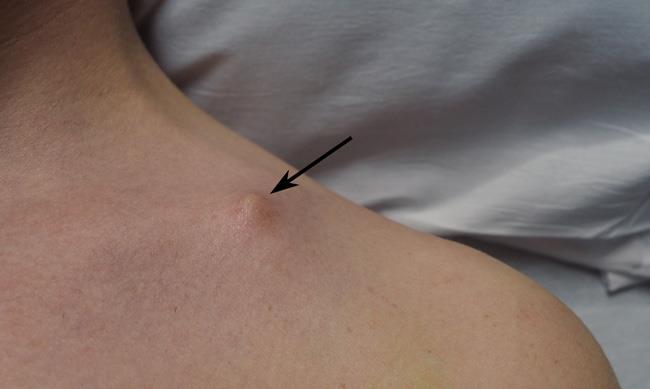


 Medicurio