REQUEST AN APPOINTMENT OR BOOK A CONSULANT – Sargam.dange.18@gmail.com
Memory does not work like a video recording, meaning that our memories of an event are often incomplete, as we only recall the important points. Reconstructive memory suggests that in the absence of all information, we fill in the gaps to make more sense of what happened. According to Bartlett, we do this using schemas. These are our previous knowledge and experience of a situation and we use this process to complete the memory. This means that our memories are a combination of specific traces encoded at the time of the event, along with our knowledge, expectations, beliefs and experiences of such an event.
ather than working like a recording device, memory is an active, creative, and reconstructive process prone to a number of errors and biases. Memories can be influenced by these biases when they are initially encoded, when they are recalled, or during the intervening retention interval. A number of experimental paradigms and theoretical frameworks have been developed to study the reconstructive memory process, including the misinformation paradigm, the rich false memory paradigm, and the source monitoring framework. The reconstructive nature of memories and the potential for the introduction of errors into memory have important implications for autobiographical memories and eyewitness testimony.
Supporting evidence:
Bartlett used a Chinese Whispers technique where English pp’s read an Indian folk story called War of the Ghosts. This story was unfamiliar to the pp’s and from a different culture, so it did not fit in with their schemas. When it came to recalling the story, as time went on the story became shorter and shorter, and the accounts were distorted in a number of ways. He found pp’s left out bits of the story that they did not understand and changed information and rationalised it using their own culture. This shows that people do reconstruct memories.
However this study used a story that did not make sense to pp’s and they may have known that they would be asked to retell it, so were influenced by demand characteristics.
Loftus found use of leading questions can lead to memories being manipulated. When asked how fast a car was travelling, by changing the verb of the car ‘hitting’ or ‘smashing’ into another, changes the estimate of speed pp’s give. This is because the words ‘hit’ and ‘smashed’ lead to different memories.
However this was a lab experiment using students. It may have been that not all of them could drive and so relied on the cue in the word to help them guess a speed. REQUEST AN APPOINTMENT OR BOOK A CONSULANT – Sargam.dange.18@gmail.com Opposing evidence:
This theory simply describes that memory is reconstructive rather than explaining how. It says that memory is active and uses schemas but does not say how memory is active and spread unlike the spreading activation theory.
Different explanation:
The levels of processing model of memory suggests it is the depth material is learnt that leads to LTM – information which requires deeper processing will lead to better memory than information that requires shallow processing.
Application:
This theory is useful in understanding how our memory can be manipulated by post event information. This is useful to the police in ensuring they don’t contribute to witnesses reconstructing events and making sure they give their own account rather than being influenced by leading questions.
The misinformation effect
Cognitive psychologist Elizabeth Loftus has conducted extensive research on memory. She has studied false memories as well as recovered memories of childhood sexual abuse. Loftus also developed the misinformation effect paradigm, which holds that after exposure to incorrect information, a person may misremember the original event. When people are asked leading questions about an event, their memory of the event may be altered. (credit a: modification of work by Rob Young)
According to Loftus, an eyewitness’s memory of an event is very flexible due to the misinformation effect. To test this theory, Loftus and John Palmer (1974) asked 45 U.S. college students to estimate the speed of cars using different forms of questions. The participants were shown films of car accidents and were asked to play the role of the eyewitness and describe what happened. They were asked, “About how fast were the cars going when they (smashed, collided, bumped, hit, contacted) each other?” The participants estimated the speed of the cars based on the verb used.
Participants who heard the word “smashed” estimated that the cars were traveling at a much higher speed than participants who heard the word “contacted.” The implied information about speed, based on the verb they heard, had an effect on the participants’ memory of the accident. In a follow-up one week later, participants were asked if they saw any broken glass (none was shown in the accident pictures). Participants who had been in the “smashed” group were more than twice as likely to indicate that they did remember seeing glass. Loftus and Palmer demonstrated that a leading question encouraged them to not only remember the cars were going faster, but to also falsely remember that they saw broken glass.
REQUEST AN APPOINTMENT OR BOOK A CONSULANT – Sargam.dange.18@gmail.com
REQUEST AN APPOINTMENT OR BOOK A CONSULANT – Sargam.dange.18@gmail.com
dopamine and serotonin hypothesis.
Neurotransmitters are chemical messengers in the body. Their job is to transmit signals from nerve cells to target cells. These target cells may be in muscles, glands, or other nerves.
The brain needs neurotransmitters to regulate many necessary functions, including:
heart rate
breathing
sleep cycles
digestion
mood
concentration
appetite
muscle movement
The nervous system controls the body’s organs, psychological functions, and physical functions. Nerve cells, also known as neurons, and their neurotransmitters play important roles in this system.
Nerve cells fire nerve impulses. They do this by releasing neurotransmitters, which are chemicals that carry signals to other cells.
Neurotransmitters relay their messages by traveling between cells and attaching to specific receptors on target cells.
Each neurotransmitter attaches to a different receptor — for example, dopamine molecules attach to dopamine receptors. When they attach, this triggers action in the target cells.
After neurotransmitters deliver their messages, the body breaks down or recycles them.
Key types of neurotransmitters
Many bodily functions need neurotransmitters to help communicate with the brain.
Experts have identified more than 100 neurotransmitters to date.
Neurotransmitters have different types of action:
Excitatory neurotransmitters encourage a target cell to take action.
Inhibitory neurotransmitters decrease the chances of the target cell taking action. In some cases, these neurotransmitters have a relaxation-like effect.
Modulatory neurotransmitters can send messages to many neurons at the same time. They also communicate with other neurotransmitters.
Some neurotransmitters can carry out various functions, depending on the type of receptor that they are connecting to.
The following sections describe some of the best-known neurotransmitters.
Acetylcholine
Acetylcholine triggers muscle contractions, stimulates some hormones, and controls the heartbeat. It also plays an important role in brain function and memory. It is an excitatory neurotransmitter.
Low levels of acetylcholine are linked with issues with memory and thinking, such as those that affect people with Alzheimer’s disease. Some Alzheimer’s medications help slow the breakdown of acetylcholine in the body, and this can help control some symptoms, such as memory loss.
Having high levels of acetylcholine can cause too much muscle contraction. This can lead to seizures, spasms, and other health issues.
The nutrient choline, which is present in many foods, is a building block of acetylcholine. People must get enough choline from their diets to produce adequate levels of acetylcholine. However, it is not clear whether consuming more choline can help boost levels of this neurotransmitter.
Choline is available as a supplement, and taking high doses can lead to serious side effects, such as liver damage and seizures. Generally, only people with certain health conditions need choline supplements.
Dopamine
Dopamine is important for memory, learning, behavior, and movement coordination. Many people know dopamine as a pleasure or reward neurotransmitter. The brain releases dopamine during pleasurable activities.
Dopamine is also responsible for muscle movement. A dopamine deficiency can cause Parkinson’s disease.
A healthful diet may help balance dopamine levels. The body needs certain amino acids to produce dopamine, and amino acids are found in protein-rich foods.
Meanwhile, eating high amounts of saturated fat can lead to lower dopamine activity, according to . Also, certain studies suggest that a deficiency in vitamin D can lead to low dopamine activity.
While there are no dopamine supplements, exercise may help boost levels naturally. Some research has shown that regular exercise improves dopamine signaling in people who have early stage Parkinson’s disease.
Endorphins
The body may release endorphins during laughter.
Endorphins inhibit pain signals and create an energized, euphoric feeling. They are also the body’s natural pain relievers.
One of the best-known ways to boost levels of feel-good endorphins is through aerobic exercise. A “runner’s high,” for example, is a release of endorphins. Also, indicates that laughter releases endorphins.
Endorphins may help fight pain. The National Headache Foundation say that low levels of endorphins may play a role in some headache disorders.
A deficiency in endorphins may also play a role in fibromyalgia. The Arthritis Foundation recommend exercise as a natural treatment for fibromyalgia, due to its ability to boost endorphins.
Epinephrine
Also known as adrenaline, epinephrine is involved in the body’s “fight or flight” response. It is both a hormone and a neurotransmitter.
When a person is stressed or scared, their body may release epinephrine. Epinephrine increases heart rate and breathing and gives the muscles a jolt of energy. It also helps the brain make quick decisions in the face of danger.
While epinephrine is useful if a person is threatened, chronic stress can cause the body to release too much of this hormone. Over time, chronic stress can lead to health problems, such as decreased immunity, high blood pressure, diabetes, and heart disease.
People who are dealing with ongoing high levels of stress may wish to try techniques such as meditation, deep breathing, and exercise.
Anyone who thinks that their levels of stress could be dangerously high or that they may have anxiety or depression should speak with a healthcare provider.
Meanwhile, doctors can use epinephrine to treat many life threatening conditions, including:
anaphylaxis, a severe allergic reaction
asthma attacks
cardiac arrest
severe infections
Epinephrine’s ability to constrict blood vessels can decrease swelling that results from allergic reactions and asthma attacks. In addition, epinephrine helps the heart contract again if it has stopped during cardiac arrest.
GABA
Gamma-aminobutyric acid (GABA) is a mood regulator. It has an inhibitory action, which stops neurons from becoming overexcited. This is why low levels of GABA can cause anxiety, irritability, and restlessness.
Benzodiazepines, or “benzos,” are drugs that can treat anxiety. They work by increasing the action of GABA. This has a calming effect that can treat anxiety attacks.
GABA is available in supplement form, but it is unclear whether these supplements help boost GABA levels in the body.
REQUEST AN APPOINTMENT OR BOOK A CONSULANT – Sargam.dange.18@gmail.com
Serotonin
Exposure to sunlight may increase serotonin levels.
Serotonin is an inhibitory neurotransmitter. It helps regulate mood, appetite, blood clotting, sleep, and the body’s circadian rhythm.
Serotonin plays a role in depression and anxiety. Selective serotonin reuptake inhibitors, or SSRIs, can relieve depression by increasing serotonin levels in the brain.
Seasonal affective disorder (SAD) causes symptoms of depression in the fall and winter, when daylight is less abundant. Research indicates that SAD is linked to lower levels of serotonin.
Serotonin-norepinephrine reuptake inhibitors (SNRIs) increase serotonin and norepinephrine, which is another neurotransmitter. People take SNRIs to relieve symptoms of depression, anxiety, chronic pain, and fibromyalgia.
Some evidence indicates that people can increase serotonin naturally through:
being exposed to bright light, especially sunlight
vigorous exercise
A precursor to serotonin, called 5-hydroxytryptophan (5-HTP), is available as a supplement. However, some Source has found that 5-HTP is not a safe or effective treatment for depression and can possibly make the condition worse.
What’s the Difference Between Dopamine and Serotonin?
Dopamine and serotonin are both neurotransmitters. Neurotransmitters are chemical messengers used by the nervous system that regulate countless functions and processes in your body, from sleep to metabolism.
While dopamine and serotonin affect many of the same things, they do so in slightly different ways.
Here, we give a rundown of the differences between dopamine and serotonin when it comes to depression, digestion, sleep, and more.
Dopamine, serotonin, and depression
Like other mental health conditions, depression is a complex condition that’s caused by a number of factors.
Both dopamine and serotonin are involved in depression, though experts are still trying to figure out the details.
Dopamine
Dopamine plays a big role in motivation and reward. If you’ve ever worked hard to reach a goal, the satisfaction your feel when you achieve it is partly due to a rush of dopamine.
Some of the main symptoms of depression include:
low motivation
feeling helpless
a loss of interest in things that used to interest you
Experts think these symptoms are linked to a dysfunction within your dopamine system. They also think this dysfunction might be triggered by short- or long-term stress, pain, or trauma.
Serotonin
Researchers have been studying the link between serotonin and depression for more than 5 decades. While they initially thought that low serotonin levels caused depression, they now know that isn’t the case.
The reality is more complicated. While low serotonin doesn’t necessarily cause depression, increasing serotonin through the use of selective serotonin reuptake inhibitors (SSRIs) is one of the most effective treatments for depression. However, such medications do take some time to work.
Among people with moderate to severe depression, 40 to 60 percent of people report an improvement in their symptoms only after they’ve taken SSRIs for 6 to 8 weeks. This suggests that simply increasing serotonin isn’t what treats depression.
Instead, research has suggested that SSRIs increase positive emotional processing over time, resulting in an overall shift in mood.
Another factor: Researchers have found that depression is associated with inflammation in the body. SSRIs have an anti-inflammatory effect.
The main difference
Dopamine system dysfunction is linked to certain symptoms of depression, such as low motivation. Serotonin is involved in how you process your emotions, which can affect your overall mood.
What about other mental health conditions?
Dopamine and serotonin both also play roles in psychological conditions other than depression.
Dopamine
Nearly all pleasurable experiences — from eating a good meal to having sex — involve the release of dopamine.
That release is part of what makes some things addicting, such as:
drugs
gambling
shopping
Experts evaluate something’s potential to cause addiction by looking at the speed, intensity, and reliability of the dopamine release it causes in the brain. It doesn’t take long for a person’s brain to associate certain behaviors or substances with a rush of dopamine.
Over time, a person’s dopamine system may be less reactive to the substance or activity that used to cause a big rush. For example, someone might need to consume more of a drug to achieve the same effects that a smaller amount used to provide.
Besides Parkinson’s disease, experts also think that a dysfunction of the dopamine system may be involved in:
bipolar disorder
schizophrenia
attention deficit hyperactivity disorder (ADHD)
Serotonin
In a serotonin was also linked to several other conditions, including:
anxiety disorders
autism spectrum disorder
bipolar disorder
More specifically, the researchers found low serotonin binding in specific brain areas among people with obsessive-compulsive disorder (OCD) and social anxiety disorder.
In addition, they found that people with autism spectrum disorder are more likely to have lower levels of serotonin in certain areas of the brain.
Bipolar disorder was also associated with altered serotonin activity, which may influence the severity of someone’s symptoms.
The main difference
There’s a close link between dopamine and how you experience pleasure. Dysfunction of the dopamine system might also contribute to bipolar disorder and schizophrenia. Serotonin affects emotional processing, which can have significant effects on mood.
Dopamine, serotonin, and digestion
It’s not just your brain — you also have dopamine and serotonin in your gut, where they play a role in digestion.
Dopamine
How dopamine works in digestion is complex and poorly understood. However, experts do know that it helps to regulate the release of insulin from your pancreas.
It also affects movement in your small intestine and colon to help move food through your system.
In addition, dopamine has a protective effect on the mucosal lining of your gastrointestinal tract. This may help to prevent peptic ulcers.
More research is still needed to fully understand how else dopamine may affect our guts.
Serotonin
Your gut contains around 95 percent of your body’s serotonin. It’s released when food enters the small intestine, where it helps to stimulate contractions that push food through your intestines.
Your gut releases extra serotonin when you eat something containing harmful bacteria or an allergen (any substance that causes an allergic reaction).
The extra serotonin makes the contractions in your gut move faster to get rid of the harmful food, usually through vomiting or diarrhea.
Low serotonin in your gut, on the other hand, is associated with constipation.
Based on this knowledge, research has found that serotonin-based medications can help treat several gastrointestinal conditions, such as irritable bowel syndrome.
They’ve also been used to treat nausea and vomiting caused by chemotherapy.
The main difference
While both dopamine and serotonin are found in your gut, serotonin plays a much larger role in digestion. It helps to stimulate contractions in your gut that move food through your intestines.
Dopamine, serotonin, and sleep
Your sleep-wake cycle is regulated by a small gland in the brain called the pineal gland. The pineal gland receives and interprets light and darkness signals from the eyes.
Chemical messengers translate these signals into the production of melatonin, a hormone that makes you feel sleepy.
The pineal gland has receptors for both dopamine and serotonin.
Dopamine
Dopamine is associated with wakefulness. Drugs that increase dopamine levels, such as cocaine and amphetamines, typically increase alertness.
In addition, diseases that decrease dopamine production, such as Parkinson’s disease, often cause drowsiness.
In the pineal gland, dopamine can stop the effects of norepinephrine, a neurotransmitter involved in producing and releasing melatonin. When influenced by dopamine, your pineal gland makes and releases less melatonin, causing you to perk up.
A 2012 study also found that sleep deprivation decreases the availability of certain types of dopamine receptors. With fewer receptors, dopamine doesn’t have anywhere to attach to. As a result, it’s harder to stay awake.
Serotonin
Serotonin’s role in regulating the sleep-wake cycle is complex. While it helps in maintaining sleep, it can also prevent you from falling asleep.
How serotonin affects sleep depends on the part of the brain it comes from, the type of serotonin receptor it binds to, and several other factors.
In a part of your brain called the dorsal raphe nucleus, high serotonin is associated with wakefulness. However, an accumulation of serotonin in the area over time may put you to sleep.
Serotonin is also involved in preventing rapid eye movement (REM) sleep. Studies have shown that increasing serotonin through the use of SSRIs reduces REM sleep.
While serotonin seems to both induce sleep and keep you up, it’s a chemical precursor to melatonin, the main hormone involved in sleep. Your body needs serotonin from your pineal gland to produce melatonin.
The main difference
Both dopamine and serotonin are involved in your sleep-wake cycle. Dopamine can inhibit norepinephrine, causing you to feel more alert. Serotonin is involved in wakefulness, sleep onset, and preventing REM sleep. It’s also required to produce melatonin.
The bottom line
Dopamine and serotonin are two neurotransmitters that play important roles in your brain and gut.
An imbalance in your levels of either one can have effects on your mental health, digestion, and sleep cycle. There are no clear ways to measure serotonin and dopamine levels.
While they both affect a lot of the same parts of your health, these neurotransmitters do so in distinct ways that the experts are still trying to understand.
REQUEST AN APPOINTMENT OR BOOK A CONSULANT – Sargam.dange.18@gmail.com
Self-regulation can be defined in various ways. In the most basic sense, it involves controlling one’s behavior, emotions, and thoughts in the pursuit of long-term goals. More specifically, emotional self-regulation refers to the ability to manage disruptive emotions and impulses.
In other words, to think before acting. It also reflects the ability to cheer yourself up after disappointments and to act in a way consistent with your deepest held values.
Development of Self-Regulation
Your ability to self-regulate as an adult has roots in your development during childhood. Learning how to self-regulate is an important skill that children learn both for emotional maturity and later social connections.
In an ideal situation, a toddler who throws tantrums grows into a child who learns how to tolerate uncomfortable feelings without throwing a fit and later into an adult who is able to control impulses to act based on uncomfortable feelings.
In essence, maturity reflects the ability to face emotional, social, and cognitive threats in the environment with patience and thoughtfulness. If this description reminds you of mindfulness, that’s no accident—mindfulness does indeed relate to the ability to self-regulate.
Why Self-Regulation is Important
Self-regulation involves taking a pause between a feeling and an action—taking the time to think things through, make a plan, wait patiently. Children often struggle with these behaviors, and adults may as well.
It’s easy to see how a lack of self-regulation will cause problems in life. A child who yells or hits other children out of frustration will not be popular among peers and may face reprimands at school.
An adult with poor self-regulation skills may lack self-confidence and self-esteem and have trouble handling stress and frustration. Often, this might be expressed in terms of anger or anxiety, and in more severe cases, may be diagnosed as a mental disorder.
Self-regulation is also important in that it allows you to act in accordance with your deeply held values or social conscience and to express yourself appropriately. If you value academic achievement, it will allow you to study instead of slack off before a test. If you value helping others, it will allow you to help a coworker with a project, even if you are on a tight deadline yourself.
In its most basic form, self-regulation allows us to bounce back from failure and stay calm under pressure. These two abilities will carry you through life, more than other skills.
Common Self-Regulation Problems
How do problems with self-regulation develop? It could start early; as an infant being neglected. A child who does not feel safe and secure, or who is unsure whether his or her needs will be met, may have trouble soothing and self-regulating.
Later, a child, teen, or adult may struggle with self-regulation, either because this ability was not developed during childhood, or because of a lack of strategies for managing difficult feelings. When left unchecked, over time this could lead to more serious issues such as mental health disorders and risky behaviors such as substance abuse.
Effective Strategies for Self-Regulation
If self-regulation is so important, why were most of us never taught strategies for using this skill? Most often, parents, teachers, and other adults expect that children will “grow out of” the tantrum phase. While this is true for the most part, all children and adults can benefit from learning concrete strategies for self-regulation.
Mindfulness
According to Dr. Jon Kabat-Zinn, founder of Mindfulness-Based Stress Reduction (MBSR), mindfulness is “the awareness that arises from paying attention, on purpose, in the present moment and non-judgementally.”
By engaging in skills such as focused breathing and gratitude, mindfulness enables us to put some space between ourselves and our reactions, leading to better focus and feelings of calmness and relaxation.
In a 2019 review of 27 research studies, mindfulness was shown to improve attention, which in turn helped to regulate negative emotions and executive functioning (higher-order thinking).2
Cognitive Reappraisal
Cognitive reappraisal or cognitive reframing is another strategy that can be used to improve self-regulation abilities. This strategy involves changing your thought patterns. Specifically, cognitive reappraisal involves reinterpreting a situation in order to change your emotional response to it.
For example, imagine a friend did not return your calls or texts for several days. Rather than thinking that this reflected something about yourself, such as “my friend hates me,” you might instead think, “my friend must be really busy.” Research has shown that using cognitive reappraisal in everyday life is related to experiencing and more positive and less negative emotions.
In a 2016 study examining the link between self-regulation strategies (i.e., mindfulness, cognitive reappraisal, and emotion suppression) and emotional well-being, researchers found cognitive reappraisal to be associated with daily positive emotions, including feelings of enthusiasm, happiness, satisfaction, and excitement.3
Some other useful strategies for self-regulation include acceptance and problem-solving. In contrast, unhelpful strategies that people sometimes use include avoidance, distraction, suppression, and worrying.
Qualities of Self-Regulators
The benefits of self-regulation are numerous. In general, people who are adept at self-regulating tend to possess the following abilities:
Acting in accordance with their values
Calming themselves when upset
Cheering themselves when feeling down
Maintaining open communication
Persisting through difficult times
Putting forth their best effort
Remaining flexible and adapting to situations
Seeing the good in others
Staying clear about their intentions
Taking control of situations when necessary
Viewing challenges as opportunities
REQUEST AN APPOINTMENT OR BOOK A CONSULANT – Sargam.dange.18@gmail.com
Putting Self-Regulation Into Practice
You are probably thinking that it sounds wonderful to be good at self-regulating, but you still don’t know how to improve your skills.
In children, parents can help develop self-regulation through routines (e.g., set certain mealtimes, have a set of behaviors for each activity). Routines help children learn what to expect, which makes it easier for them to feel comfortable. When children act in ways that don’t demonstrate self-regulation, ignore their requests, such as by making them wait if they interrupt a conversation.
As an adult, the first step to practice self-regulation is to recognize that everyone has a choice in how to react to situations. While you may feel like life has dealt you a bad hand, it’s not the hand you are dealt, but how you react to it that matters most. How exactly do you learn this skill of self-regulation?
Recognize that in every situation you have three options: approach, avoidance, and attack. While it may feel as though your choice of behavior is out of your control, it’s not. Your feelings may sway you more toward one path, but you are more than those feelings.
The second step is to become aware of your transient feelings. Do you feel like running away from a difficult situation? Do you feel like lashing out in anger at someone who has hurt you? Monitor your body to get clues about how you are feeling if it is not immediately obvious to you. For example, a rapidly increasing heart may be a sign that you are entering a state of rage or a panic attack.
Start to restore balance by focusing on your deeply held values, rather than those transient emotions. See beyond that discomfort at the moment to the larger picture. Then, act in a way that aligns with self-regulation.
How to foster creativity in the workplace
Employees are more inspired to be creative when they’re provided with a stimulating atmosphere and a diverse group of colleagues
Creative employees can help grow your business by coming up with better solutions to problems, expanding sales opportunities, and distinguishing your products and services from competitors.
In order to foster a creative workplace environment, you have to first help spark creative thinking in your employees. Many people forget how to let their minds run wild and come up with innovative ideas. Give them a little help by encouraging the right mindset to take hold. Try these ways to allow a creative culture to blossom.
Six ways to encourage creativity at work
There are so many ways to foster creative thinking in your employees. It’s important to test multiple strategies, since individuals respond differently when prompted to think outside the box. Below are several actionable ways to promote creativity in the workplace. These steps will encourage your employees to think creatively and facilitate a culture of innovation at work.
1. Set the stage for brainstorming
When employees have a wide-open whiteboard to work with, you never know what ideas might come up. When they have an empty slate, with plenty of markers and opportunities to brainstorm, your business can reap the rewards.
In place of whiteboards, consider putting down sheets of white butcher paper down on the break room tables and scatter with various writing utensils. This will give employees a place to scribble down an idea when unprompted—often the scenario in which great ideas incubate. They may even end up in an impromptu brainstorming session with someone from a different department. Loose, pressure-free brainstorming in a relaxed setting is one of the best ways for your business to generate new ideas.
2. Encourage individuality
Let your employees know that you value their thoughts. It sounds simple, but employees get used to feeling like part of the pack and can sometimes think it’s better to just keep up with their workload, blend in, and not become a squeaky wheel.
Employers should take extra steps to let employees know that individuality is appreciated. Make it clear that you see them as unique, interesting people, and not simply as your workers. Employees respond well to these gestures and will reward you with their insights and ideas.
3. Provide a stimulating atmosphere
When thinking about how to improve your office space to encourage creativity, consider the following elements:
Sound
Color
Temperature
Lighting
Sound
Your employees will benefit from environments with varying noise levels. Quiet environments are good for staying focused, but having ambient noise at a moderate level works best for encouraging creativity. Overhearing other people’s conversations is a major distraction that can hinder the creative process. Through private workspaces, collaborative table setups, and comfortable places to think, your physical office spaces can stimulate innovation.
Color
The colors and vibes established in the office can also impact the energy of the space. Humans don’t respond well to typical office colors or vast areas of white and gray, beige, tan, and brown. These colors appear sterile and oppressive, and they’re ultimately uninspiring. White walls are hard for eyes to adjust to after looking at screens, and the constant contrast of stark white with gray cubicles, dark desks, and dark carpeting fosters more eye strain than creativity.
Instead, give employees some color. Pastel blue and green shades make for settings that are easier on the eyes, and they can create feelings of relaxation. Shades of green work well in spaces where employees need to focus and complete tasks. Green makes people feel relaxed and happy because it’s the color of nature, and humans are still wired to respond to it. Indoor plants can enrich a space, increasing productivity, feelings of happiness, and—yes—creativity. (Dead plants, however, aren’t helpful, so invest in a plant care service if you don’t have a knack for keeping plants healthy.)
In spaces where you want to stimulate thinking, such as in a conference room, use a bold warm color like red or orange. This color will help wake up your employees’ brains and could lead to some lively discussions. Use red or orange anywhere that you want to create an energized atmosphere.
Temperature
The temperature of a room can have an impact on your employees’ brainstorming abilities, too. Employees will be able to think better and come up with new ideas when the workplace temperature is comfortable. A temperature in the low 70s is ideal. Cozy employees come up with more creative ideas. It might cost a little more to keep the temperature in the right range, but the benefits could easily offset the expense.
Light
Light also plays a role in fostering creativity. Bright light is great for work that requires focus, while lower lighting lends itself better to creative thought processes. Natural light is ideal, if it’s available. Otherwise, choose lighting that best simulates the look of natural daylight.
4. Facilitate anonymous suggestions
Employees may sometimes feel too intimidated to make suggestions publicly. Even when you encourage employees to come forward with creativity, fear of embarrassment, general anxiety, or something else may keep some from freely speaking their mind.
Remove social barriers by providing employees with the ability to share their ideas anonymously. Put suggestion boxes around the workplace, distribute identity-protecting forms online, and be sure to show that even when provided anonymously, employee suggestions are being heard.
5. Act on good ideas
Employees are more likely to offer their suggestions if they think their ideas will be implemented. Employees may stop providing their ideas entirely if they feel nothing is being done with them. Make a point of letting employees know when you’re implementing a new creative idea.
Once you’ve determined that the idea is a success, go ahead and let the staff know how this great new idea came to be. Don’t make a public announcement about whose idea it was until you have great results to show. This will foster creativity in the workplace by increasing your employees’ motivation to contribute.
6. Continue to hire diverse talent
Diversity contributes to an atmosphere of creative thinking. It’s good for business to have employees from different fields, different schools, and different backgrounds. Employees with too many similarities in education and experience can often come up with ideas that start to sound repetitive after a while. To increase diversity in your workplace, start looking at résumés for the differences that might benefit your business instead of choosing new staff members because they’re similar to employees you already have.
REQUEST AN APPOINTMENT OR BOOK A CONSULANT – Sargam.dange.18@gmail.com
REQUEST AN APPOINTMENT OR BOOK A CONSULANT – Sargam.dange.18@gmail.com
Self-determination theory
Enhancing cognitive potential,
Self regulation
and self enhancement
Fostering creativity.
In behavioral finance, self-enhancement is a common emotional bias. Also referred to as the self-enhancing bias, it is the tendency for individuals to take all the credit for their successes while giving little or no credit to other individuals or external factors. People may emphasize their positive attributes while at the same time highlighting negatives associated with others. This can impact investors negatively as they become overconfident about their abilities; they will attribute past success to their own skill and reject the role of timing or other factors in those outcomes.
Understanding Self-Enhancement
People who have achieved success, in the financial markets or otherwise, have the tendency to attribute much of that success to their hard-work, skills, intelligence or creativity. Luck and other outside influences are largely discounted, lest they diminish the credit due to their own explicit abilities. When a person seeks to self-enhance, they may conveniently discount important factors. For example, investors who are self-enhancing may attribute their portfolio returns largely to their stock selection skills rather than a bull market occurring over the same period of time.
Examples of Self-Enhancement
A common example of self-enhancement is the finding that most people rate themselves “above average” when asked to rate their abilities and rate others as “below average.” Most people rate themselves above average at driving a car while rating other drivers below average. Of course, by definition, it is impossible for everybody to be above average. People also tend to rate their personal attributes such as attractiveness, intelligence, leadership ability and patience as above average.
Self-enhancement can occur in many different situations and under many different guises. The general motive of self-enhancement can have many different underlying explanations, each of which becomes more or less dominant depending on the situation. In a financial context, self-enhancement can serve as something of a call-option. Whereby, an individual can selectively exercise the call-option to attribute self-enhancing outcomes to their own design while letting the option expire under scenarios one wouldn’t want to take credit for.
The Dangers of Self-Enhancement for Investors
As mentioned, self-enhancement leads to overconfidence and overconfidence of any sort puts investors at a disadvantage in the market. Investors can quickly go from discounting information that diminishes their ability to discounting market data that goes against their investment thesis. It is also important for investors to improve on how they make decisions.
If investors attribute all the losses to the fickle market and the gains to their skills, then they will never improve their understanding of how the market actually works and how to profit within it.
Self-determination theory
In psychology, self-determination is an important concept that refers to each person’s ability to make choices and manage their own life. This ability plays an important role in psychological health and well-being. Self-determination allows people to feel that they have control over their choices and lives. It also has an impact on motivation—people feel more motivated to take action when they feel that what they do will have an effect on the outcome.
The concept of self-determination has been applied to a wide variety of areas including education, work, parenting, exercise, and health. Research suggests that having high self-determination can foster success in many different domains of life.
What Is Self-Determination Theory?
Self-determination theory suggests that people are motivated to grow and change by three innate and universal psychological needs.
This theory suggests that people are able to become self-determined when their needs for competence, connection, and autonomy are fulfilled.
The concept of intrinsic motivation, or engaging in activities for the inherent rewards of the behavior itself, plays an important role in self-determination theory.
Self-determination theory grew out of the work of psychologists Edward Deci and Richard Ryan, who first introduced their ideas in their 1985 book Self-Determination and Intrinsic Motivation in Human Behavior. They developed a theory of motivation which suggested that people tend to be driven by a need to grow and gain fulfillment.
Two key assumptions of the theory:
The need for growth drives behavior. The first assumption of self-determination theory is that people are actively directed toward growth. Gaining mastery over challenges and taking in new experiences are essential for developing a cohesive sense of self.
Autonomous motivation is important. While people are often motivated to act by external rewards such as money, prizes, and acclaim (known as extrinsic motivation), self-determination theory focuses primarily on internal sources of motivation such as a need to gain knowledge or independence (known as intrinsic motivation). Differences Between Extrinsic and Intrinsic Motivation
According to self-determination theory, people need to feel the following in order to achieve psychological growth:
Autonomy: People need to feel in control of their own behaviors and goals. This sense of being able to take direct action that will result in real change plays a major part in helping people feel self-determined.
Competence: People need to gain mastery of tasks and learn different skills. When people feel that they have the skills needed for success, they are more likely to take actions that will help them achieve their goals.
Connection or relatedness: People need to experience a sense of belonging and attachment to other people.
Imagine a person who fails to complete an important project at work. If this person is high in self-determination, they will admit their fault, believe that they can do something to fix the problem and take action to correct the mistake.
If that same person was low in self-determination, they might instead look for other things that they can blame. They might make excuses, assign blame, or refuse to admit that their own role. Most importantly, perhaps, is that this person won’t feel motivated to fix the mistake. Instead, they might feel helpless to control the situation and believe that nothing that they do will have any real effect.
How the Self-Determination Theory Works
It is important to realize that the psychological growth described by self-determination theory does not simply happen automatically. While people might be oriented toward such growth, it requires continual sustenance.
Ryan and Deci have suggested that the tendency to be either proactive or passive is largely influenced by the social conditions in which people are raised. Social support is key. Through our relationships and interactions with others, we can either foster or thwart well-being and personal growth.
While social support is important, there are other factors that can also help or hinder the three elements needed for growth.
Extrinsic motivators can sometimes lower self-determination. According to Deci, giving people extrinsic rewards for already intrinsically motivated behavior can undermine autonomy. As the behavior becomes increasingly controlled by external rewards, people begin to feel less in control of their own behavior and intrinsic motivation is diminished.
Positive feedback and boost self-determination. Deci also suggests that offering unexpected positive encouragement and feedback on a person’s performance on a task can increase intrinsic motivation. This type of feedback helps people to feel more competent, which is one of the key needs for personal growth.
REQUEST AN APPOINTMENT OR BOOK A CONSULANT – Sargam.dange.18@gmail.com
Self-Determined vs. Non-Self-Determined Behaviors
While extrinsic and intrinsic motivation are often portrayed as separate and distinct, behavior is complex and people are rarely driven to act by a single source of motivation. People may often draw on multiple sources of motivation in the pursuit of a goal. If you are training to compete in a marathon, for example, you might be extrinsically motivated by a desire to gain approval from others as well as intrinsically motivated by the satisfaction you gain from the activity itself.
Rather than thinking of motivation as being driven by either extrinsic or intrinsic rewards, it is often helpful to view it as a continuum between self-determined and non-self-determined behaviors:
Purely self-determined behaviors tend to be intrinsically driven and are done for enjoyment, interest, and inherent satisfaction for the action itself.
On the other end of the continuum are non-self-determined behaviors, which are performed only because they must be done. On this extreme end of the scale, there is a complete lack of control.
In most cases, behaviors tend to lie somewhere in the middle of the continuum. There is often a varying amount of external motivation, which can also fuel a degree of internal motivation. People may engage in actions because they feel they have some level of personal control and the behaviors ultimately align with something that is important for self-concept.
Most actions are not purely self-determined or non-self-determined. Instead, actions often rely on a certain degree of self-determination that may also be influenced by extrinsic motivations.
Self-Determination in the Real World
Self-determination can play an important role in how people function in many different areas of their lives. Feeling in control and intrinsically motivated can help people feel more committed, passionate, interested, and satisfied with the things that they do.
In the Workplace
People who feel that they are able to have a positive effect at work tend to feel more engaged and motivated. How else can employers build self-determination in their workers?
Managers and leaders can foster this sense of self-determination by allowing team members to take an active role.
Offer employees responsibilities, provide meaningful feedback, and offer support and encouragement.
Employers should be careful not to overuse extrinsic rewards. Too many rewards can undercut intrinsic motivation (a phenomenon known as the overjustification effect), yet too few can cause employees to feel unappreciated.
In Competition
In competitive settings such as sports and athletics, fostering a sense of self-determination can inspire people to excel.
Athletes who feel that they are capable of achieving their goals and overcoming challenges are often driven to perform better.
Excelling allows people to gain an important sense of competence and build mastery in skills that are enjoyable and important to them.
Researchers have also found that people who have an internal sense of control are also more likely to stick to a regular exercise regimen.
In Social Settings
Self-determination can also play an important role in social relationships. A sense of belongingness is critical in the development of self-determination. Forging close, affectionate relationships with other people can improve self-determination.
Seek positive relationships with people who will support you in the pursuit of your goals.
Offer support and feedback to the people who are part of your social circle.
In School Settings
Self-determined students are more likely to feel motivated to achieve. There are things that educators can to do help students foster a sense of self-determination and intrinsic motivation:
Providing unexpected positive feedback when students perform well can help improve competence
Avoiding excessive external rewards for actions students already enjoy can help improve internal motivation
How to Improve Self-Determination
In order to strengthen your own self-determination, it is helpful to think about what a highly self-determined individual might look like.
People who are high in self-determination tend to:
Believe that they have control over their own lives.They have an internal locus of control and feel that their behaviors will have an influence on outcomes. When confronted with challenges, they feel that they can overcome them through diligence, good choices, and hard work.
Have high self-motivation. They do not rely on external rewards or punishments to motivate them to take action. They engage in behaviors because they are good at setting goals and working toward those aims.
Base their actions on their own goals and behaviors.In other words, they intentionally engage in actions that they know will bring them closer toward their goals.
Take responsibility for their behaviors. Highly self-determined people take credit for their success, but they also accept the blame for their failures.
Improving self-awareness, decision-making skills, self-regulation, and goal-setting abilities can encourage the growth of stronger self-determination.
Steps you can take to improve your own sense of self-determination:
Find Social Support
Social connectivity is one of the main components of self-determination theory. Strong social relationships can foster motivation and well-being, while poor relationships can contribute to a poor sense of self and weak motivation.
Deci and Ryan have suggested that it is the social environment that can either help or hinder a self-determined perspective. Strong social support offers opportunities for growth, while poor support can disrupt inner experiences.
Gain Mastery
Becoming skilled in areas that are important to you is a helpful way to build your sense of self-determination. Whether you have a strong interest in a hobby, sport, academic subject, or another area, learning as much as you can about it and improving your skills can help you feel more competent. The more you learn and practice, the more skilled and self-determined you will likely feel.
cognitive enhancement
Cognitive enhancement refers to the improvement of cognitive ability in normal healthy individuals. In this article we focus on the use of pharmaceutical agent sand brain stimulation for cognitive enhancement, reviewing the most common methods of pharmacologic and electronic cognitive enhancement,and the mechanisms by which they are believed to work, the effectiveness of these methods and their prevalence. We note the many gaps in our knowledge of these matters, including open questions about the size, reliability and nature of the enhancing effects,and we conclude with recommendations for further research.
Cognitive enhancement refers to the improvement of cognitive ability in normal healthy individuals*. There are many ways to boost levels of cognitive ability, including engaging in physical exercise (Smith et al., 2010) and meditating (Chiesa, Calati & Serretti, 2011). However, the term “cognitive enhancement” is usually used in connection withinterventions applied more directly to the brain: pharmaceutical agentsandbrain stimulation. In this article we will focus on these neurotechnological methods for cognitive enhancement, which have attracted great public interest in recent years and a growing number of users. We begin the review by surveying the most common methods of pharmacologic and electrophysiologic cognitive enhancement and the mechanisms by which they may work. We then review what is known about the effectiveness of these forms of enhancement and their prevalence, noting the many gaps in our knowledge of these matters. We conclude with recommendations for further research and policy.
THREE CLASSES OF DRUGSWITH COGNITIVE ENHANCEMENT POTENTIAL
Potential pharmacologic cognitive enhancers include a variety of drugs developed to treat cognitive dysfunction. That is, these drugs were developed with the goal of moving cognitively impaired individuals upward on the ability scale toward a normal level. These same drugs have been used as cognitive enhancers by normal individuals in an attempt to achieve “better than normal” cognitive ability. Although many different substances have been used for this purpose (Dean, Morgenthaler & Fowkes, 1993), three well-‐known classes of drug in current clinical use will be discussed here: the traditional stimulants, *The term is sometimes also used in connection with treatments for cognitive disorders such as dementia.primarily used to treat Attention Deficit Hyperactivity Disorder, the acetylcholinesterase inhibitors, used to treat Alzheimer’s disease, and modafinil, a novel stimulant primarily used to treat narcolepsy.
Stimulants.Stimulants include methylphenidate, best known as Ritalin or Concerta, and amphetamine,most widely prescribed as mixed AMP salts consisting primarily of dextroamphetamine (d-‐AMP), known by the trade name Adderall. These medications have become familiar to the general public because of the growing rates of diagnosis of ADHD children and adults (CDC, 2010; Sankaranarayanan, Puumala, & Kratochvil, 2006) and the recognition that these medications are effective for treating ADHD (MTA Cooperative Group, 1999; Swanson et al., 2008).Methylphenidate and amphetamine affect the catecholamines dopamine and norepinephrine, which are keyneurotransmitters in the cortical and subcortical systems that enableus to focus and flexibly deploy attention (Robbins & Arnsten,2009). The therapeutic effect of these drugs for ADHD is consistentwith the finding of abnormalities in the catecholamine system inpatients with ADHD (e.g., Volkow et al., 2007). Both drugs exert their effects on cognition primarily by increasing levels of catecholamines in prefrontal cortex and the cortical and subcortical regions projecting to it, and this mechanism is responsible for improving attention in ADHD (Pliszka, 2005;Wilens, 2006).Cognitive enhancement use of stimulants is aimed at improving the same attentional systems in normal, healthy people.
Acetylcholinesterase inhibitors. Another class of drugs with enhancement potential is the aeytylcholinesterasein hibitors, widely used for the treatment of mild to moderate Alzheimer’s disease. These drugs, including donepizil (Aricept), rivastigmine (Excelon) and galantamine (Razadyne), increase levels of the neurotransmitter acetylcholine in the brain by decreasing the activity of the enzyme that normally breaks down acetylcholine. Degeneration of cholinergic neurons is a central factor in the cognitive decline of Alzheimer’s disease. More generally, acetylcholine plays a broad role in normal cognition (Furey, 2011) and might therefore be target for pharmacologic cognitive enhancement.
Modafinil Modafinil, marketed as Provigil,was originally developed for thetreatment of daytime sleepiness in patients suffering from narcolepsy, and is now approved by the US FDA for sleepiness associated with sleep apnea and shift-‐work sleep disorder. In addition to improving subjective feelings of energy and alertness in sleep-‐deprived individuals, it improves their cognitive performance on objectivetests(Wesensten,2006). Some studies have found cognitive enhancing effects in normal subjects who are not sleep deprived (Turner et al., 2003). In addition to its use for thethree FDA-‐approved indications it has been prescribed off-‐label for a much wider range of indications, including depression, attention deficit hyperactivity disorder and jet lag(Minzenberg & Carter, 2008). Its mechanism of action is different from the traditional stimulants, which have also been used to counteract the effects of sleep deprivation, but much remains to be understood about how it works. In addition to affecting dopamine and norepinephrine, it is also believed to affect gamma-‐aminobutyric acid, glutamate, histamine and orexin/hypocretin 6(Minzenberg & Carter, 2008). Enhancement use of modafinil involves staving off the cognitive decline associated with sleep deprivation and additionally the possibility of subtle cognitive improvements in well-‐rested individuals.
REQUEST AN APPOINTMENT OR BOOK A CONSULANT – Sargam.dange.18@gmail.com
REQUEST AN APPOINTMENT OR BOOK A CONSULANT – Sargam.dange.18@gmail.com
Nature and scope;
Methods and ethics in biopsychology;
Divisions of biopsychology.
Biopsychology is a branch of psychology that analyzes how the brain, neurotransmitters, and other aspects of our biology influence our behaviors, thoughts, and feelings. This field of psychology is often referred to by a variety of names including biopsychology, physiological psychology, behavioral neuroscience, and psychobiology.
Biopsychologists often look at how biological processes interact with emotions, cognitions, and other mental processes. The field of biopsychology is related to several other areas, including comparative psychology and evolutionary psychology.
Brief History of Biopsychology
While biopsychology might seem like a fairly recent development thanks to the introduction of advanced tools and technology for examining the brain, the roots of the field date back thousands of years to the time of the early philosophers.
While we now consider the mind and brain synonymous, philosophers and psychologists long debated what was known as the mind/body problem. In other words, philosophers and other thinkers wondered what the relationship was between the mental world and the physical world.
Philosophers’ Views on Biopsychology
One important thing to remember is that it is only fairly recently in human history that people have come to understand the actual location of the mind. Aristotle, for example, taught that our thoughts and feelings arose from the heart. Greek thinkers such as Hippocrates and later Plato suggested that the brain was where the mind resides and that it served as the source of all thought and action.
Later thinkers such as Rene Descartes and Leonardo da Vinci introduced theories about how the nervous system operated. While these early theories were later proven wrong, they did establish the important idea that external stimulation could lead to muscle responses.
It was Descartes who introduced the concept of the reflex, although later researchers demonstrated it was the spinal cord that played a critical role in these muscle responses.
Link Between Biopsychology and Human Behavior
Researchers also became interested in understanding how different parts of the brain control human behavior. One early attempt at understanding this led to the development of a pseudoscience known as phrenology. According to this view, certain human faculties could be linked to bumps and indentations of the brain which could be felt on the surface of the skull.
While phrenology became quite popular, it was also soon dismissed by other scientists. However, the idea that certain parts of the brain were responsible for certain functions played an important role in the development of future brain research.
The famous case of Phineas Gage, a railroad worker who suffered a devastating brain injury, also had an influence on our understanding of how damage to certain parts of the brain could impact behavior and functioning.
Newer Biopsychology Research
Since those early influences, researchers have continued to make important discoveries about how the brain works and the biological underpinnings of behavior. Research on evolution, the localization of brain function, neurons, and neurotransmitters have advanced our understanding of how biological processes impact thoughts, emotions, and behaviors.
If you are interested in the field of biopsychology, then it is important to have an understanding of biological processes as well as basic anatomy and physiology. Three of the most important components to understand are the brain, the nervous system, and neurotransmitters.
The Brain and Nervous System
The central nervous system (CNS) is composed of the brain and spinal cord. The outermost part of the brain is known as the cerebral cortex. This portion of the brain is responsible for functioning in cognition, sensation, motor skills, and emotions.
The brain is comprised of four lobes:
Frontal lobe: This portion of the brain is involved in motor skills, higher-level cognition, and expressive language.
Occipital lobe: This portion of the brain is involved in interpreting visual stimuli and information.
Parietal lobe: This portion of the brain is involved in the processing of tactile sensory information such as pressure, touch, and pain as well as several other functions.
Temporal lobe: This portion of the brain is involved in the interpretation of the sounds and language we hear, memory processing, as well as other functions.
Another important part of the nervous system is the peripheral nervous system, which is divided into two parts:
The motor (efferent) division connecting the central nervous system to the muscles and glands.
The sensory (afferent) division carries all types of sensory information to the central nervous system.
There is another component of the nervous system known as the autonomic nervous system, which regulates automatic processes such as heart rate, breathing, and blood pressure. There are two parts of the autonomic nervous system:
The parasympathetic nervous system: This works to bring your body back to a state of rest and regulates processes such as digestion.
The sympathetic nervous system: This controls the “fight or flight” response. This reflex prepares the body to respond to danger or stress in the environment.
REQUEST AN APPOINTMENT OR BOOK A CONSULANT – Sargam.dange.18@gmail.com
Neurotransmitters
Also important in the field of biopsychology are the actions of neurotransmitters. Neurotransmitters carry information between neurons and enable chemical messages to be sent from one part of the body to the brain, and vice versa.
There are a variety of neurotransmitters that affect the body in different ways. For example, the neurotransmitter dopamine is involved in movement and learning. Excessive amounts of dopamine have been associated with psychological disorders such as schizophrenia, while too little dopamine is associated with Parkinson’s disease.
A biopsychologist might study the various neurotransmitters to determine their effects on human behavior.
Career Opportunities in Biopsychology
If you are interested in a career in the area of biopsychology, then you have quite a few different options. Some who enter this type of field choose to work in research where they might work at a university, drug company, government agency, or other industry.
Others choose to work with patients to help those who have experienced some type of brain damage or disease that has had an impact on their behavior and functioning.
The following are just a few of the career specializations that are related to biopsychology:
Behavioral neuroscientist: Analyzes how the brain, nervous system, and other organs impact behavior
Cognitive neuroscientist: Investigates brain activity and scans to research how people think, learn, and solve problems
Comparative psychologist: Looks at the behaviors of different species and compares them to each other and to humans
Evolutionary psychologist: Examines the evolutionary bases of behavior
Neurologist: Treats patients with damage or disease which affects the brain and nervous system
Biopsychology Research Methods
Biopsychology research methods study the human brain. Thanks to them, it’s now easier to understand how the most mysterious organ in our body works. But what exactly are these methods?
Biopsychology research methods have evolved in the last decades. Although there are several biopsychology research methods, in this article, we”ll focus on those that study what happens in the brain under certain conditions.
Authors such as Dewsbury (1991) define biopsychology as “the scientific study of the biology of behavior”, a field also called psychobiology. However, other authors prefer the term biopsychology because it “indicates a biological approach to the study of psychology, more than a psychological approach to the study of biology.”
Human brain stimulation and visualization methods
Observing and recording brain activity is a very important milestone that was achieved thanks to the different techniques that scientists developed during the 20th century. These biopsychology research methods are, without a doubt, a breakthrough in the study of our most curious organ.
Contrast radiography
This technique consists of injecting a substance in the body to absorb X-rays. This way, scientists see the contrast between the compartment and the tissue around it.
Cerebral angiography is a kind of contrast radiography. To do it, a contrast medium is inserted into a brain vessel. The aim is to observe the circulatory system while performing an X-ray. This technique is very useful to locate vessel injuries and brain tumors.
Computerized axial tomography scan (CT scan)
Through a CT scan, experts can see the whole brain structure. During the test, the patient lies down in the middle of a big cylinder. While the patient holds still, an X-ray tube and a receptor take many separate photographs. This happens while the emitter and the receptor spin around the patient”s head.
All this information is transmitted to a computer, which allows doctors to explore the brain on a horizontal plane. Usually, they do it on eight to nine horizontal brain sections. Once all explorations are combined, it”s possible to make a three-dimensional representation of the brain.
Nuclear magnetic resonance (NMR)
NMR facilitates high-resolution imaging thanks to the different waves hydrogen atoms emit when activated by radio frequency on a magnetic field. It provides a high spatial resolution and produces three-dimensional images.
Positron emission tomography (PET)
PET provides brain activity images instead of brain structure images. To get the images, scientists inject radioactive fludeoxyglucose (FDG) in the carotid artery. Active neurons rapidly absorb FDG, which accumulates once neurons don”t metabolize it anymore, then it slowly degrades. This is how one can observe which neurons are active at a given time during different activities.
Functional magnetic resonance imaging (fMRI)
On the other hand, MRIs offer an image of the increase in the amount of oxygen present in the brain”s blood. Thus, it successfully measures brain activity. If we compare it to the PET, it actually has four advantages:
Doctors don”t have to inject the patient with anything.
It provides both functional and structural information.
It offers a better spatial resolution.
Provides three-dimensional images of the entire brain.
Magnetoencephalography (MEG)
It measures the changes in the magnetic fields located on the scalp”s surface. These changes occur due to the variations in the neuronal activity guidelines.
Transcranial magnetic stimulation (TMS)
Walsh and Rothwell (2000) state that TMS “alters an area of the cortex, creating a magnetic field under the coil that goes over the cranium.” TMS basically “turns off” a part of the brain temporarily, to study behavior and cognition under those circumstances.
Lesion methods
Lesion methods focus on the destruction of a small brain area to see how it affects behavior.
Aspiration lesion. This method creates a lesion in an exposed or easily accessible cortical tissue area. The doctors remove the tissue with a fine-point crystal pipette.
Radio-frequency lesion. It”s carried out by creating small subcortical lesions. For that, an electrode channels the high-frequency current through the tissue of interest. The size and shape of the lesion depend on three factors:
Duration of the procedure.
Intensity of the current.
Configuration of the electrode”s point.
Scalpel cuts. It consists of sectioning the brain area of interest.
Cooling lesion. This biopsychology research method, although included under lesion methods, is actually temporary and reversible. Instead of destroying tissue, one area is cooled a bit over the freezing point. Neurons stop emitting signals, so the cold brain area remains blocked. With this, researchers are able to see what behavior alterations are caused by those areas. Once the temperature goes back to normal, brain function is restored.
Electrical stimulation
Another biopsychology research method is electrical stimulation. The procedure consists of electrically stimulating a nervous system structure to get data about its functions. Usually, a bipolar electrode is used.
This stimulation “shoots” neurons and alters their behavior. In general, it tends to get the opposite effect of lesion methods. For example, if it”s possible to drastically reduce sleep hours with a lesion, then sleep behavior can become inconvenient and harder to control with electrical stimulation.
Lesion methods with electrical recording
Intracellular recording. This technique is carried out by introducing a microelectrode in the interior of a neuron. It records fluctuations of membrane potential.
Extracellular unit recording. A microelectrode is placed in the extracellular fluid that surrounds the neuron. It doesn”t provide information on membrane potential.
Multi-unit recording. In this case, the electrode point is bigger than that of a microelectrode, so it captures the signals of many neurons at the same time. The detected potentials then go on a circuit that integrates them.
Invasive EEG monitoring. The stainless steel electrodes go inside the cranium. For subcortical signals, the usual electrodes are made of cable and implanted through stereotactic surgery.
“Anthropology, biology, physiology and psychology have accumulated mountains of material to raise up before mankind in their full scope the tasks of perfecting and developing body and spirit.”
-Leon Trotsky-
Biopsychology research methods: A long way to go
In this article, we talked about the most important biopsychology research methods. However, it”s also worth mentioning that there are other biopsychology research methods that study other body areas, such as muscle tension measurements, eye movement recordings, skin conductance, or cardiovascular activity.
Without a doubt, the breakthrough in this field has been spectacular, but not conclusive. Perhaps in a few years, scientists will come up with new techniques that will contribute to the evolution of neuroscience, which will help improve the quality of life of many people affected by neuronal alterations.
The Six Major Divisions of Biopsychology
Physiological Psychology – Study of the neural mechanisms of behaviour by manipulating the nervous systems of nonhuman animals in controlled experiments
Psychopharmacology – Study of the effects of drugs on the brain and behaviour
Neuropsychology – Study of the psychological effects of brain damage in human patients
Psychophysiology – Study of the relation between physiological activity and psychological process in human subjects by noninvasive physiological recording o Noninvasive – physiological activity is recorded from the surface of the body (i.e. EEG – from the scalp)
Cognitive Neuroscience – Study of neural mechanisms in human cognition, largely through the use of functional brain imaging o Functional brain imaging – recording the activity of the brain by taking images of the brain while a subject is performing a particular cognitive activity
Comparative Psychology – Studies the biology of behaviour rather than the neural mechanisms of behaviour – Compare the behaviour of different species in order to understand the evolution, genetics, and adaptiveness of behaviour
converging Operations: How Do Biopsychologists Work Together? – Converging operations – When different approaches come together to focus on a single problem so that the most progress is made o The strengths of one approach compensates for the weaknesses of the others.
Scientific Inference: How Do Biopsychologists Study the Unobservable Workings of the Brain? – The empirical (observational) methods that biopsychologists and scientists use to study the unobservable is called scientific inference.
REQUEST AN APPOINTMENT OR BOOK A CONSULANT – Sargam.dange.18@gmail.com
REQUEST AN APPOINTMENT OR BOOK A CONSULANT – Sargam.dange.18@gmail.com
Perceptual processing,
Role of attention in perception,
Perceptual organization,
Perceptual sets,
Perceptual constancies,
Depth perception,
Illusions.
Perception is the sensory experience of the world. It involves both recognizing environmental stimuli and actions in response to these stimuli.
Through the perceptual process, we gain information about the properties and elements of the environment that are critical to our survival. Perception not only creates our experience of the world around us; it allows us to act within our environment.
What Is Perception?
Perception includes the five senses; touch, sight, sound, smell, and taste. It also includes what is known as proprioception, a set of senses involving the ability to detect changes in body positions and movements. It also involves the cognitive processes required to process information, such as recognizing the face of a friend or detecting a familiar scent.
Learn more about how we go from detecting stimuli in the environment to actually taking action based on that information.
Types of Perception
Some of the main types of perception include:
Vision
Touch
Sound
Taste
Smell
There are also other senses that allow us to perceive things such as balance, time, body position, acceleration, and the perception of internal states. Many of these are multimodal and involve more than one sensory modality. Social perception, or the ability to identify and use social cues about people and relationships, is another important type of perception.
How It Works
The perceptual process is a sequence of steps that begins with the environment and leads to our perception of a stimulus and action in response to the stimulus. It occurs continuously, but you do not spend a great deal of time thinking about the actual process that occurs when you perceive the many stimuli that surround you at any given moment.
For example, the process of transforming the light that falls on your retinas into an actual visual image happens unconsciously and automatically. The subtle changes in pressure against your skin that allow you to feel objects occur without a single thought.
Perception acts as a filter that allows us to exist and interpret the world without becoming overwhelmed by the abundance of stimuli.
Steps in the Perceptual Process
The Environmental Stimulus
The Attended Stimulus
The Image on the Retina
Transduction
Neural Processing
Perception
Recognition
Action
Impact of Perception
In order to see the impact of perception, it can be helpful to look at how the process works. This varies somewhat for every sense. In the case of visual perception:
The environmental stimulus: The world is full of stimuli that can attract attention through various senses. The environmental stimulus is everything in the environment that has the potential to be perceived.
The attended stimulus: The attended stimulus is the specific object in the environment on which attention is focused.
The image on the retina: This involves light actually passing through the cornea and pupil and onto the lens of the eye. The cornea helps focus the light as it enters the eye, and the iris of the eye controls the size of the pupils in order to determine how much light to let in. The cornea and lens act together to project an inverted image onto the retina.
Transduction: The image on the retina is then transformed into electrical signals in a process known as transduction. This allows the visual messages to be transmitted to the brain to be interpreted.
Neural processing: The electrical signals then undergo neural processing. The path followed by a particular signal depends on what type of signal it is (i.e. an auditory signal or a visual signal).
Perception: In this step of the process, you perceive the stimulus object in the environment. It is at this point that you become consciously aware of the stimulus.
Recognition: Perception doesn’t just involve becoming consciously aware of the stimuli. It is also necessary for the brain to categorize and interpret what you are sensing. The ability to interpret and give meaning to the object is the next step, known as recognition.
Action: The action phase of perception involves some type of motor activity that occurs in response to the perceived and recognized stimulus. This might involve a major action, like running toward a person in distress, or something as subtle as blinking your eyes in response to a puff of dust blowing through the air.
The perceptual process allows you to experience the world around you and interact with it in ways that are both appropriate and meaningful.
Take a moment to think of all the things you perceive on a daily basis. At any given moment, you might see familiar objects in your environment, feel the touch of objects and people against your skin, smell the aroma of a home-cooked meal, and hear the sound of music playing in your next-door neighbor’s apartment. All of these things help make up your conscious experience and allow you to interact with the people and objects around you.
Tips and Tricks
There are some things that you can do that might help you perceive more in the world around you—or at least focus on the things that are important.
Pay attention. Perception requires you to attend to the world around you. This might include anything that can be seen, touched, tasted, smelled, or heard. It might also involve the sense of proprioception, such as the movements of the arms and legs or the change in position of the body in relation to objects in the environment.
Make meaning of what you perceive. The recognition stage is an essential part of perception since it allows you to make sense of the world around you. By placing objects in meaningful categories, you are able to understand and react appropriately.
Take action. The final step of the perceptual process involves some sort of action in response to the environmental stimulus. This could involve a variety of actions, such as turning your head for a closer look or turning away to look at something else.
Potential Pitfalls
The perceptual process does not always go smoothly and there are a number of things that may interfere with perception. Perceptual disorders are cognitive conditions that are marked by an impaired ability to perceive objects or concepts.
Some disorders that may affect perception include:
Spatial neglect syndromes, which involve not attending to stimuli on one side of the body
Prosopagnosia, a disorder that makes it difficult to recognize faces
Aphantasia, a condition characterized by an inability to visualize things in your mind
Schizophrenia, which is marked by abnormal perceptions of reality2
Some of these conditions may be influenced by genetics while others result from stroke or brain injury.
History of Perception
Interest in perception dates back to the time of the ancient Greek philosophers who were interested in how people know the world and gain understanding.
As psychology emerged as a science separate from philosophy, researchers became interested in understanding how different aspects of perception worked, particularly the perception of color. In addition to understanding the basic physiological processes that occur, psychologists were also interested in understanding how the mind interprets and organizes these perceptions. The Gestalt psychologists proposed a holistic approach, suggesting that the sum equals more than the sum of its parts.
Cognitive psychologists have also worked to understand how motivations and expectations can play a role in the process of perception.
Today, researchers also work to investigate perception on the neural level and look at how injury, conditions, and substances might affect perception.
The Perceptual Process
Perception is how you interpret the world around you and make sense of it in your brain. You do so via stimuli that affect your different senses — sight, hearing, touch, smell, and taste. How you combine these senses also makes a difference. For example, in one study, consumers were blindfolded and asked to drink a new brand of clear beer. Most of them said the product tasted like regular beer. However, when the blindfolds came off and they drank the beer, many of them described it as “watery” tasting (Ries, 2009). This suggests that consumers’ visual interpretation alone can influence their overall attitude towards a product or brand.
The perceptual process begins when our sensory receptors (eyes, ears, tongue, nose, and skin) come in contact with sensory stimuli (sights, sounds, tastes, odours, and textiles) around us. Through our sensory system, we are exposed to an infinite amount of stimuli, some of which we pay attention to, and some we tune out completely. Those that receive our attention we evaluate and interpret their meaning based on our methods of cognitive and behavioural processing. After time, some of these stimuli become adapted and we seize to remark on their significance.
REQUEST AN APPOINTMENT OR BOOK A CONSULANT – Sargam.dange.18@gmail.com
On the role of selective attention in visual perception
What is the role of selective attention in visual perception? Before answering this question, it is necessary to differentiate between attentional mechanisms that influence the identification of a stimulus from those that operate after perception is complete. Cognitive neuroscience techniques are particularly well suited to making this distinction because they allow different attentional mechanisms to be isolated in terms of timing and/or neuroanatomy. The present article describes the use of these techniques in differentiating between perceptual and postperceptual attentional mechanisms and then proposes a specific role of attention in visual perception. Specifically, attention is proposed to resolve ambiguities in neural coding that arise when multiple objects are processed simultaneously. Evidence for this hypothesis is provided by two experiments showing that attention—as measured electrophysiologically—is allocated to visual search targets only under conditions that would be expected to lead to ambiguous neural coding.
Gestalt Laws of Perceptual Organization
eveloped by German psychologists, the Gestalt laws describe how we interpret the complex world around us. They explain why a series of flashing lights appear to be moving. And why we read a sentence like this, notli ket his ort hat. These are just a few real-lie examples of the Gestalt laws.
Verywell / JR Bee
History of the Gestalt Laws
Have you noticed how alternately flashing lights, such as neon signs or strands of lights, can look like a single light that was moving back and forth? This optical illusion is known as the phi phenomenon. Discovered by German psychologist Max Wertheimer, this illusion of movement became a basis for Gestalt psychology.
According to Gestalt psychology, this apparent movement happens because our minds fill in missing information. Motion pictures are based on this principle, with a series of still images appearing in rapid succession to form a seamless visual experience.
Gestalt psychology focuses on how our minds organize and interpret visual data.2 It emphasizes that the whole of anything is greater than its parts.
Based upon this belief, Wertheimer along with Gestalt psychologists Wolfgang Köhler and Kurt Koffka, developed a set of rules to explain how we group smaller objects to form larger ones (perceptual organization). They called these rules the Gestalt Laws.
It’s important to note that while Gestalt psychologists call these phenomena “laws,” a more accurate term would be “principles.” These principles are much like heuristics, which are mental shortcuts for solving problems.
Law of Similarity
The law of similarity states that similar things tend to appear grouped together. Grouping can occur in both visual and auditory stimuli.
In the image at the top of this page, for example, you probably see two separate groupings of colored circles as rows rather than just a collection of dots.
Law of Prägnanz
The law of prägnanz is sometimes referred to as the law of good figure or the law of simplicity. This law holds that when you’re presented with a set of ambiguous or complex objects, your brain will make them appear as simple as possible.3 For example, when presented with the Olympic logo, you see overlapping circles rather than an assortment of curved, connected lines.
The word prägnanz is a German term meaning “good figure.”
Law of Proximity
According to the law of proximity, things that are close together seem more related than things that are spaced farther apart.4
In the image at the top of the page, the circles on the left appear to be part of one grouping while those on the right appear to be part of another. Because the objects are close to each other, we group them together.
Law of Continuity
The law of continuity holds that points that are connected by straight or curving lines are seen in a way that follows the smoothest path. In other words, elements in a line or curve seem more related to one another than those positioned randomly.
Law of Closure
According to the law of closure, we perceive elements as belonging to the same group if they seem to complete some entity.1 Our brains often ignore contradictory information and fill in gaps in information.
In the image at the top of the page, you probably see the shape of a diamond because your brain fills in the missing gaps in order to create a meaningful image.
The Law of Common Region
The Gestalt law of common region says that when elements are located in the same closed region, we perceive them as belonging to the same group.1
Look at the last image at the top of the page. The circles are right next to each other so that the dot at the end of one circle is actually closer to the dot at the end of the neighboring circle. But despite how close those two dots are, we see the dots inside the circles as belonging together.
Creating a clearly defined boundary can overpower other Gestalt laws such as the law of proximity.
A Word From Verywell
The Gestalt laws of perceptual organization present a set of principles for understanding some of the ways in which perception works. Research continues to offer insights into perception and how we see the world. These principles of organization play a role in perception, but it is also important to remember that they can sometimes lead to incorrect perceptions of the world.
It is important to remember that while these principles are referred to as laws of perceptual organization, they are actually heuristics or shortcuts. Heuristics are usually designed for speed, which is why our perceptual systems sometimes make mistakes and we experience perceptual inaccuracies.
Perceptual Sets in Psychology
A perceptual set refers to a predisposition to perceive things in a certain way. In other words, we often tend to notice only certain aspects of an object or situation while ignoring other details.
What Is a Perceptual Set?
When it comes to our perceptions of the world around us, you might assume that what you see is what you get. However, in truth, research shows that the way you see the world is heavily influenced (and biased) by your own past experiences, expectations, motivations, beliefs, emotions, and even your culture.1
For example, think about the last time you started a new class. Did you have any expectations at the outset that might have influenced your experience in the class? If you expect a class to be boring, are you more likely to be uninterested in class?
In psychology, this is what is known as a perceptual set.
A perceptual set is basically a tendency to view things only in a certain way.
Perceptual sets can impact how we interpret and respond to the world around us and can be influenced by a number of different factors.
What exactly is a perceptual set, why does it happen, and how does it influence how we perceive the world around us?
How It Works
How do psychologists define perceptual sets?
“Perception can also be influenced by an individual’s expectations, motives, and interests. The term perceptual set refers to the tendency to perceive objects or situations from a particular frame of reference,” explains author Sandra Hockenbury the textbook Discovering Psychology.
Sometimes, perceptual sets can be helpful. They often lead us to make fairly accurate conclusions about what exists in the world around us. In cases where we find ourselves wrong, we often develop new perceptual sets that are more accurate.
Sometimes, our perceptual sets can lead us astray.
If you have a strong interest in military aircraft, for example, an odd cloud formation in the distance might be interpreted as a fleet of fighter jets.
In one experiment that illustrates this tendency, participants were presented with different non-words, such as sael. Those who were told that they would be reading boating-related words read the word as “sail,” while those who were told to expect animal-related words read it as “seal.”
Top-Down Processing
A perceptual set is a good example of what is known as top-down processing. In top-down processing, perceptions begin with the most general and move toward the more specific. Such perceptions are heavily influenced by expectations and prior knowledge.5
If we expect something to appear in a certain way, we are more likely to perceive it according to our expectations.
Existing schemas, mental frameworks, and concepts often guide perceptual sets. For example, people have a strong schema for faces, making it easier to recognize familiar human faces in the world around us. It also means that when we look at an ambiguous image, we are more likely to see it as a face than some other type of object.
Researchers have also found that when multiple items appear in a single visual scene, perceptual sets will often lead people to miss additional items after locating the first one. For example, airport security officers might be likely to spot a water bottle in a bag but then miss that the bag also contains a firearm.
Forces of Influence
Below are examples of various forces of influence:
Motivation can play an important role in perceptual sets and how we interpret the world around us. If we are rooting for our favorite sports team, we might be motivated to view members of the opposing team as overly aggressive, weak, or incompetent. In one classic experiment, researchers deprived participants of food for several hours. When they were later shown a set of ambiguous images, those who had been food-deprived were far more likely to interpret the images as food-related objects.6 Because they were hungry, they were more motivated to see the images in a certain way.
Expectations also play an important role. If we expect people to behave in certain ways in certain situations, these expectations can influence how we perceive these people and their roles. One of the classic experiments on the impact of expectation on perceptual sets involved showing participants either a series of numbers or letters. Then, the participants were shown an ambiguous image that could either be interpreted as the number 13 or the letter B. Those who had viewed the numbers were more likely to see it as a 13, while those who had viewed the letters were more likely to see it as the letter B.
Culture also influences how we perceive people, objects, and situations. Surprisingly, researchers have found that people from different cultures even tend to perceive perspective and depth cues differently.
Emotions can have a dramatic impact on how we perceive the world around us. For example, if we are angry, we might be more likely to perceive hostility in others. One experiment demonstrated that when people came to associate a nonsense syllable with mild electrical shocks, they experienced physiological reactions to the syllable even when it was presented subliminally.
Attitudes can also have a powerful influence on perception. In one experiment, Gordon Allport demonstrated that prejudice could have an influence on how quickly people categorize people of various races.
Real-Life Examples
Researchers have shown that perceptual sets can have a dramatic impact on day-to-day life.
In one experiment, young children were found to enjoy French fries more when they were served in a McDonald’s bag rather than just a plain white bag.11 In another study, people who were told that an image was of the famed “Loch Ness monster” were more likely to see the mythical creature in the image, while others who later viewed the image saw only a curved tree trunk.
As previously mentioned, our perceptual set for faces is so strong that it actually causes us to see faces where there are none. Consider how people often describe seeing a face on the moon or in many of the inanimate objects that we encounter in our everyday lives.
REQUEST AN APPOINTMENT OR BOOK A CONSULANT – Sargam.dange.18@gmail.com
Perceptual Constancy Defined
Perceptual constancy refers to the tendency to perceive an object you are familiar with as having a constant shape, size, and brightness despite the stimuli changes that occur. But what does this really mean?
Suppose you are at a neighborhood bus stop with a friend. You see the bus as it turns the corner a few blocks away. From a distance, the bus looks like a mere dot in your field of vision. You put up your palm and notice that you can cover the entire area of the bus with your palm. As the bus approaches the stop, it begins to take up more and more of your field of vision. Your palm no longer covers the area of the bus.
By the time the bus reaches the stop, you realize that the bus is twice as tall as you. Despite the fact that the bus now takes up a majority of your field of vision, you don’t perceive the bus as having grown. You know that the bus has the same size, rectangular shape, and brightness now as it did when you saw it in the distance. The reason you know this is due to perceptual constancy.
Even though the image of the bus gets bigger in size, you have enough experiences with buses to know that the actual size of the bus remains constant. You are able to perceive the size of the bus as stable even though the features of the bus continually change in your field of vision. It is perceptual constancy that allows you to identify objects under different conditions, as you mentally reconstruct images of these objects. For example, the bus appears to be the same size in sunlight during the summer, as well as during a dark, snowy, evening in the winter.
Perceptual constancy can be reduced if you are not very familiar with the object, or if there is a decrease in the number of environmental cues to assist with the object’s identification. So what are the different types of perceptual constancies?
Everything to Know About Depth Perception Issues
When people talk about depth perception, they’re referring to your eyes’ ability to judge the distance between two objects.
Both of your eyes perceive the same object slightly differently and at slightly different angles, but your brain can merge the two images into one 3-D image. This process is also known as stereopsis.
With this information, you can gauge how far apart the objects are, as well as how far they are from you.
How to test depth perception
You can test your eyes’ ability to provide this information at home. Here’s how to do it:
Gaze at a picture of a circle or a ball.
Then, hold up one finger about 6 inches away from your eyes, with the circle in the background.
Focus both eyes on your finger. You’ll probably notice slightly hazy images of the circle that appear on both sides of your finger.
Now, switch your focus. Keep your finger in the same place, but gaze beyond your finger to the circle.
You should see images of your finger on either side of the circle.
If you’re having trouble, you may have an issue with your depth perception.
Causes of depth perception issues
A number of factors can contribute to problems with depth perception. Some of the most common factors include:
Strabismus
Strabismus is a condition that occurs when your eyes are not properly aligned. For example, one eye might turn inward or outward. Sometimes, an eye can also look upward or downward. Some people appear to have crossed eyes, which is also a sign of strabismus.
Essentially, since your eyes may look in slightly different directions, they’ll focus on different things.
The American Academy of Ophthalmology (AAO) estimates that strabismus affects about 4 percent of children in the United States.
Ambylopia
If your brain favors one eye over the other, resulting in one eye that doesn’t quite track properly, you have amblyopia.
Also known colloquially as “lazy eye,” amblyopia can cause vision loss in the weaker eye that can reduce your depth perception and maybe even your vision. It’s also relatively common in babies and young children, according to the AAO.
Nerve problems
If your optic nerve is swollen or inflamed, it might affect your vision and interfere with your depth perception.
Additionally, some people are born with a rare type of nerve damage called optic nerve hypoplasia, which occurs when the optic nerve doesn’t fully develop.
Trauma to one of your eyes
If one of your eyes has been injured, you may no longer be able to see well enough to have good depth perception.
Blurry vision
There are dozens of potential causes of blurry vision, from corneal abrasions and glaucoma to diabetic retinopathy and plain old nearsightedness.
Any condition that makes your vision blurry, even temporarily, can interfere with your ability to perceive distances and depth accurately.
How it impacts daily life
You use visual cues to make all sorts of decisions every single day. And you probably don’t even think about it unless something is wrong.
When something affects your depth perception, it can also interfere with your daily life.
Here are a few common examples of how a problem that affects your depth perception may create some challenges.
Kids and learning
Children who can’t see very well may not say anything about it. But a careful observer may notice them squinting or moving their head in an effort to try to get a better view.
Some children may even have trouble learning because they can’t see the board or other teaching materials at school.
Adults and driving
People with impaired vision or no vision in one eye may worry about how they’re going to get around. The good news is that you can probably still get a driver’s license.
However, because your vision problems can affect or reduce your depth perception abilities, you may need to use some strategies to help you drive safely.
Navigating the world around you
Depth perception helps professional baseball players gauge the speed of the ball hurtling toward them. But depth perception also helps people perform simple, everyday tasks, like safely crossing a busy street or taking the stairs without the risk of misjudging them and stumbling.
If your depth perception is impaired, you may have some trouble doing those kinds of activities. You might even have trouble pouring a glass of milk.
Treatments
The treatment options for depth perception issues depend on the cause of the problem.
For example, children who have strabismus have trouble with depth perception because their eyes are misaligned. So, glasses can help some of them by helping straighten their eyes.
However, other children may need surgery to straighten their eyes, and they might still need to wear glasses after the surgery.
In other cases, such as when a child has amblyopia, a doctor might recommend putting a patch over the good eye for short periods of time to strengthen the weaker eye.
If you have another type of eye condition that impairs your depth perception, talk to your eye doctor about the best possible treatment options. You might need surgery to remove a cataract, for example, or treatment for glaucoma.
Other tips to cope
Some people with limited sight in one eye but good sight in the other are able to adapt. They get enough visual information from their good eye to be able to perceive depths and make judgments based on what that they do receive.
For example, drivers can monitor factors like the relative speed of other cars on the road and how light affects cars and other objects on or near the roadway. These spatial cues can help you gauge the distance between your car and other vehicles.
There are other strategies to try, too. For example, before driving, find ways to reduce glare and anything else that can interfere with your ability to see as best you can.
This might include cleaning your windshield to eliminate any grime or dirt that can interfere with your view. You can also dim the rearview mirror and angle your side mirrors to minimize the glare from the headlights of cars behind you.
Products that can help
Coping strategies can definitely help, but you might also benefit from the use of certain products or services.
These may include:
Vision therapy
Children can often benefit from vision therapy to help train their brains and their eyes to gain or regain better vision. In some cases, the training may involve physical exercises.
Eye patching can also be a part of vision therapy. Adults with certain eye conditions may also benefit from vision therapy.
Specialized glasses
If you plan to drive, you may be a candidate for specialized glasses that can help you. Your doctor may suggest using bioptic telescope attachments on your glasses to make it easier for you to see things that are farther away.
Better lighting
If moving around your home is a challenge, try altering the lighting and contrast in certain areas to help you see better.
For example, if you have trouble perceiving depth differences at night, try improving the lighting in and around your home, so you’re not creeping around in the dark.
Additionally, placing brightly colored tape on the edge of your stairs may help you navigate them with less fear.
When to talk with your doctor
If you’ve long since adapted to an eye condition that affects your depth perception, you may have already developed a toolbox of effective ways to compensate. But if you’ve just recently sustained an eye injury or developed a condition that’s affecting your vision, it’s a good idea to talk to your eye doctor.
You may not be aware of any depth perception issues yet, but your doctor may be able to examine you and determine if it’s something you should be monitoring.
The bottom line
It’s easy to take good depth perception for granted. But you can still live a full life even if your depth perception has been impaired in some way. You may benefit from certain treatments or vision therapy, or you may find aids to help you.
Many people with depth perception issues develop a combination of strategies to help them go about their lives as best they can. If you notice any changes to your vision, be sure to check with your doctor, just in case you’re experiencing any new problems that may need to be treated.
REQUEST AN APPOINTMENT OR BOOK A CONSULANT – Sargam.dange.18@gmail.com
REQUEST AN APPOINTMENT OR BOOK A CONSULANT – Sargam.dange.18@gmail.com
Carpal tunnel syndrome is the compression of the median nerve as it passes into the hand. The median nerve is located on the palm side of your hand (also called the carpal tunnel). The median nerve provides sensation (ability to feel) to your thumb, index finger, long finger, and part of the ring finger. It supplies the impulse to the muscle going to the thumb. Carpal tunnel syndrome can occur in one or both of your hands.
Swelling inside your wrist causes the compression in carpal tunnel syndrome. It can lead to numbness, weakness, and tingling on the side of your hand near the thumb.
Carpal tunnel syndrome is caused by pressure on the median nerve. The carpal tunnel is a narrow passageway surrounded by bones and ligaments on the palm side of your hand. When the median nerve is compressed, the symptoms can include numbness, tingling and weakness in the hand and arm.
The anatomy of your wrist, health problems and possibly repetitive hand motions can contribute to carpal tunnel syndrome.
Proper treatment usually relieves the tingling and numbness and restores wrist and hand function.
causes
your wrist and on the median nerve. Inflammation can cause swelling. The most common cause of this inflammation is an underlying medical condition that causes swelling in the wrist, and sometimes obstructed blood flow. Some of the most frequent conditions linked with carpal tunnel syndrome are:
diabetes
thyroid dysfunction
fluid retention from pregnancy or menopause
high blood pressure
autoimmune disorders such as rheumatoid arthritis
fractures or trauma to the wrist
Carpal tunnel syndrome can be made worse if the wrist is overextended repeatedly. Repeated motion of your wrist contributes to swelling and compression of the median nerve. This may be the result of:
positioning of your wrists while using your keyboard or mouse
prolonged exposure to vibrations from using hand tools or power tools
any repeated movement that overextends your wrist, such as playing the piano or typing
Pathophysiology
There is a wide spectrum of causative pathologies, converging on two mechanisms of disease, both of which lead to entrapment:
A decrease in the size of the carpal tunnel caused by such conditions as:
Mechanical overuse (considered the most common association)
osteoarthritis
Trauma
acromegaly
Disease states leading to augmentation of carpal tunnel contents:
Masses, For example, ganglion cysts, primary nerve sheath tumours
Deposition of foreign material, e.g. amyloid
Synovial hypertrophy in rheumatoid arthritis
In general, the pathophysiology of CTS results from a combination of compression and traction mechanisms.
The compressive element of the pathophysiology includes a detrimental cycle of increased pressure, obstruction of overall venous outflow, increasing local edema, and compromise to the median nerve’s intraneural microcirculation. Nerve dysfunction becomes compromised, and the structural integrity of the nerve itself further propagates the dysfunctional environment– the myelin sheath and axon develop lesions, and the surrounding connective tissues become inflamed and lose normal physiologic protective and supportive function.
Repetitive traction and wrist motion exacerbates the negative environment, further injuring the nerve. In addition, any of the nine flexor tendons traveling through the carpal tunnel can become inflamed and compress the median nerve
Idiopathic Carpal Tunnel Syndrome
Idiopathic CTS occurs more frequently in females (65–80%), between the ages of 40 and 60 years; 50–60% of the cases are bilateral.
The bilateral characteristic increases in frequency with the duration of symptoms.
Idiopathic CTS is correlated with hypertrophy of the synovial membrane of the flexor tendons caused by degeneration of the connective tissue, with vascular sclerosis, edema and collagen fragmentation.
The histological changes were thought to be suggestive of dynamic factors as repetitive strain.
Clinically Relevant Anatomy
The carpal tunnel (CT) is formed by a non-extendable osteofibrous wall that forms a tunnel protecting the median nerve and flexor tendons.
The transverse carpal ligament (flexor retinaculum) makes up the superior boundary, and the carpal bones form the inferior border.
The carpal tunnel includes the median nerve and nine flexor tendons.
The flexor tendons includeFour tendons from the flexor digitorum profundus
Four tendons from the flexor digitorum superficialis
One tendon from the flexor pollicis longus.
Symptoms
Carpal tunnel syndrome symptoms usually start gradually and include:
Tingling or numbness. You may notice tingling and numbness in your fingers or hand. Usually the thumb and index, middle or ring fingers are affected, but not your little finger. You might feel a sensation like an electric shock in these fingers. The sensation may travel from your wrist up your arm. These symptoms often occur while holding a steering wheel, phone or newspaper, or may wake you from sleep. Many people “shake out” their hands to try to relieve their symptoms. The numb feeling may become constant over time.
Weakness. You may experience weakness in your hand and drop objects. This may be due to the numbness in your hand or weakness of the thumb’s pinching muscles, which are also controlled by the median nerve.
When to see a doctor
See your doctor if you have signs and symptoms of carpal tunnel syndrome that interfere with your normal activities and sleep patterns. Permanent nerve and muscle damage can occur without treatment.
REQUEST AN APPOINTMENT OR BOOK A CONSULANT – Sargam.dange.18@gmail.com
Risk factors
A number of factors have been associated with carpal tunnel syndrome. Although they may not directly cause carpal tunnel syndrome, they may increase the risk of irritation or damage to the median nerve. These include:
Anatomic factors. A wrist fracture or dislocation, or arthritis that deforms the small bones in the wrist, can alter the space within the carpal tunnel and put pressure on the median nerve. People who have smaller carpal tunnels may be more likely to have carpal tunnel syndrome.
Sex. Carpal tunnel syndrome is generally more common in women. This may be because the carpal tunnel area is relatively smaller in women than in men. Women who have carpal tunnel syndrome may also have smaller carpal tunnels than women who don’t have the condition.
Nerve-damaging conditions. Some chronic illnesses, such as diabetes, increase your risk of nerve damage, including damage to your median nerve.
Inflammatory conditions. Rheumatoid arthritis and other conditions that have an inflammatory component can affect the lining around the tendons in your wrist and put pressure on your median nerve.
Medications. Some studies have shown a link between carpal tunnel syndrome and the use of anastrozole (Arimidex), a drug used to treat breast cancer.
Obesity. Being obese is a risk factor for carpal tunnel syndrome.
Body fluid changes. Fluid retention may increase the pressure within your carpal tunnel, irritating the median nerve. This is common during pregnancy and menopause. Carpal tunnel syndrome associated with pregnancy generally gets better on its own after pregnancy.
Other medical conditions. Certain conditions, such as menopause, thyroid disorders, kidney failure and lymphedema, may increase your chances of carpal tunnel syndrome.
Workplace factors. Working with vibrating tools or on an assembly line that requires prolonged or repetitive flexing of the wrist may create harmful pressure on the median nerve or worsen existing nerve damage, especially if the work is done in a cold environment. However, the scientific evidence is conflicting and these factors haven’t been established work as direct causes of carpal tunnel syndrome. Several studies have evaluated whether there is an association between computer use and carpal tunnel syndrome. Some evidence suggests that it is mouse use, and not the use of a keyboard, that may be the problem. However, there has not been enough quality and consistent evidence to support extensive computer use as a risk factor for carpal tunnel syndrome, although it may cause a different form of hand pain.
diagnosis
Doctors can diagnose carpal tunnel syndrome using a combination of your history, a physical examination, and tests called nerve conduction studies.
A physical examination includes a detailed evaluation of your hand, wrist, shoulder, and neck to check for any other causes of nerve pressure. Your doctor will look at your wrists for signs of tenderness, swelling, and any deformities. They will check sensation to the fingers and strength of the muscles in your hand.
Nerve conduction studies are diagnostic tests that can measure the conduction speed of your nerve impulses. If the nerve impulse is slower than normal as the nerve passes into the hand, you may have carpal tunnel syndrome.
Differential Diagnosis
The process of differential diagnosis should give consideration to all conditions which could potentially cause a dysfunction of the median nerve, or its contributories in brachial plexus, C 5 to 8 nerve roots and central nervous system.
Possible differential diagnoses of carpal tunnel syndrome include:
other median nerve entrapment syndromes
pronator teres syndrome
anterior interosseous nerve syndrome
an injury of nerve digitales in the palm.
cervicobrachial syndrome
Physical Examination
May include testing for sensory and motor deficits and evidence of thenar wasting. There are several special tests with varying degrees of sensitivities and specificities.
The best of these include the carpal compression test. This is done by applying firm pressure directly over the carpal tunnel for 30 seconds. The test is positive when paresthesias, pain, or other symptoms are reproduced.
The square sign test is an evaluation to determine the risk of developing carpal tunnel syndrome. The test is positive if the ratio of the thickness of the wrist divided by the width of the wrist is great than 0.7.
Another test is a palpatory diagnosis. In this test, the health care provider examines soft tissue over the median nerve for mechanical restriction.
The Phalen’s test or ‘reverse prayer’ is performed by having the patient fully flex their wrists by placing dorsal surfaces of both hands for one minute. A positive test is when symptoms (numbness, tingling, pain) are reproduced.
The reverse Phalen’s, or ‘prayer test,’ is done by having the patient extend both of their wrists by placing palmar surfaces of both hands together for 1 minute (as if praying). Again a positive test is with reproduction of symptoms.
Although a low sensitivity and specificity, the Hoffmann-Tinel sign is another test commonly performed. In this test the healthcare professional taps immediately over the carpal tunnel to stimulate the median nerve. Like the above tests, a positive test is when symptoms are reproduced.
Clinical prediction rules (CPR), specifically for the Carpal Tunnel Syndrome, are a reliable examination method.
Medical Management
If carpal tunnel syndrome is identified early conservative treatment is recommended.
Initially, the patient should be instructed in modifying symptom provoking wrist movement, For example, proper hand ergonomics such as placing the keyboard at a proper height and minimizing flexion, extension, abduction, and adduction of the hand when typing. It should be recommended to decrease repetitive activities if possible.[1]
Non-surgical treatment comprises oral steroids , corticosteroid injections, NSAID, diuretics vitamin B6 and splinting/hand brace . If conservative treatments are not successful, an oral or local glucocorticoid could be offered.
The definitive treatment for persistent carpal tunnel syndrome is surgical intervention with carpal tunnel release after nerve conduction studies showing significant axonal degeneration. Carpal tunnel release typically is performed by an orthopedic surgeon or hand surgeon. This procedure can be performed either open or endoscopically. Carpal tunnel release is considered a minor surgery in which the transverse carpal ligament or flexor retinaculum is cut, opening more space in the carpal tunnel and decreasing pressure on the median nerve. It does not typically require overnight hospitalization.
Physical Therapy Management
Patients with mild to moderate symptoms can be effectively treated in a primary care environment
Physical therapists should give advice on modifications of activities and the workplace (ergonomic modifications), task modification, For example, taking sufficient rest and variation of movements.
Often simple obvious alterations to the working practice can be beneficial in controlling milder symptoms of CTS.
Manual therapy techniques include mobilisation of
Soft tissue
Carpal bone
Median nerve
Other modalities include: ultrasound and electromagnetic field therapy and splinting.
Research findings (varies)
Physiotherapy modalities (TENS and ultrasound) have little useful effects on hand sensory discomfort.
The evidence of the effectiveness of the exercise and mobilization interventions is limited and very low in quality..
Evidence about post-operative rehabilitation is also limited. None of them seems to have a prevailing benefit.
Clinical Bottom Line
Patients may benefit from physiotherapy based treatment with goals of CTS symptom reduction and functional gains, provided that:
Their symptoms are intermittent and not rapidly worsening or if their CTS etiology is highly suggestive of the possibility of remission as an example of pregnancy-related CTS
Patients are informed about the lack of high-quality evidence for the effectiveness and safety of therapeutic modalities used by physiotherapists,
Treatment should be discontinued when shown to be ineffective and appropriate, evidence-based discharge recommendations should be made.
CTS symptoms typically escalate over a longer-term despite conservative treatment. Surgical interventions for appropriate patients have been shown to be safe and more effective than any conservative intervention, Clinicians should be aware that constant tingling or numbness is associated with significant compression of the median nerve. Prolonged duration of such symptoms may lead to irreversible changes in its internal structure, affecting the effectiveness of surgery and leaving individuals with chronic symptoms and muscle atrophy of thenar eminence. Patients should be followed by their general practitioners to discuss surgical treatment options when necessary and desired.
REQUEST AN APPOINTMENT OR BOOK A CONSULANT – Sargam.dange.18@gmail.com
REQUEST AN APPOINTMENT OR BOOK A CONSULANT – Sargam.dange.18@gmail.com
Osteochondritis dissecans occurs when a fragment of bone in a joint separates from the rest of the bone because its blood supply is faulty, and there is not enough blood to maintain it. It often affects the knee or the elbow.
Sometimes, the separated fragment stays in place or repairs on its own. However, in the later stages, the bone can splinter and fall into the joint space, resulting in pain and dysfunction. These fragments are sometimes called “joint mice.”
The exact prevalence is unknown, but there may be between 15 and 29 cases in every 100,000 people. It is more common in males, especially those between the ages of 10 and 20 years who are physically active.
However, the incidence is increasing in females.
It usually affects teens and young adults, but it can occur in younger children who are active in sports.
Osteochondritis dissecans (os-tee-o-kon-DRY-tis DIS-uh-kanz) is a joint condition in which bone underneath the cartilage of a joint dies due to lack of blood flow. This bone and cartilage can then break loose, causing pain and possibly hindering joint motion.
Osteochondritis dissecans occurs most often in children and adolescents. It can cause symptoms either after an injury to a joint or after several months of activity, especially high-impact activity such as jumping and running, that affects the joint. The condition occurs most commonly in the knee, but also occurs in elbows, ankles and other joints.
Doctors stage osteochondritis dissecans according to the size of the injury, whether the fragment is partially or completely detached, and whether the fragment stays in place. If the loosened piece of cartilage and bone stays in place, you may have few or no symptoms. For young children whose bones are still developing, the injury might heal by itself.
Surgery might be necessary if the fragment comes loose and gets caught between the moving parts of your joint or if you have persistent pain.
Causes
The exact cause is unknown, but they may include:
Ischemia: a restriction of blood supply starves the bone of essential nutrients. The restricted blood supply is usually caused by some problem with blood vessels, or vascular problems. The bone undergoes avascular necrosis, a deterioration caused by lack of blood supply. Ischemia usually occurs in conjunction with a history of trauma.
Genetic factors: OCD sometimes affects more than one family member. This may indicate an inherited genetic susceptibility.
Repeated stress to the bone or joint: this can significantly increase the risk of developing OCD. Individuals who play competitive sports are more likely to regularly stress their joints.
Other factors may be weak ligaments or meniscal lesions in the knee.
Symptoms
Depending on the joint that’s affected, signs and symptoms of osteochondritis dissecans might include:
Pain. This most common symptom of osteochondritis dissecans might be triggered by physical activity — walking up stairs, climbing a hill or playing sports.
Swelling and tenderness. The skin around your joint might be swollen and tender.
Joint popping or locking. Your joint might pop or stick in one position if a loose fragment gets caught between bones during movement.
Joint weakness. You might feel as though your joint is “giving way” or weakening.
Decreased range of motion. You might be unable to straighten the affected limb completely.
When to see a doctor
If you have persistent pain or soreness in your knee, elbow or another joint, see your doctor. Other signs and symptoms that should prompt a call or visit to your doctor include joint swelling or an inability to move a joint through its full range of motion.
Risk factors
Osteochondritis dissecans occurs most commonly in children and adolescents between the ages of 10 and 20 who are highly active in sports.
Complications
Osteochondritis dissecans can increase your risk of eventually developing osteoarthritis in that joint.
Diagnosis
A person who experiences the symptoms of OCD in a joint should seek medical advice. An early diagnosis can mean more effective treatment and a lower risk of complications.
The doctor will carry out a physical examination and ask the patient about their medical history, family history and lifestyle, including sporting activities.
There may be some imaging tests, such as an X-ray, CT, MRI scan, or ultrasound. This may show whether there is any necrosis, or tissue death, or loose fragments. A bone scan may also be recommended.
In the early stages, tests will show that the cartilage is thickening. In the later stages, there will be loose fragments.
The early stages are considered stable, and treatment is more likely to be effective at this point.
Conditions, with similar symptoms need to be ruled out. These include inflammatory arthritis, osteoarthritis, bone cysts and septic arthritis.
Differential Diagnosis
Meniscus and collateral ligament injuries – physical examination can rule this out.
If there is no certain radiological determination of osteochondritis dissecans, there can also be alternative causes of the same symptoms that should be sought for e.g.:
Inflammatory arthritites: a group of conditions which affect your own immune system.
Osteoarthritis: degradation of joints
Bone cysts: type of cyst in joints
Septic arthritis: purulent invasion of the knee which produces arthritis
Ideopathic osteonecrosis
Chondral seperations
Osteochondral fractures
An x-ray, ct scan or MRI scan can be performed to show necrosis of subschondral bone or formation of loose fragments. This can lead to a better diagnosis.
REQUEST AN APPOINTMENT OR BOOK A CONSULANT – Sargam.dange.18@gmail.com
Examination
The knee feels warmer than the non-injured knee.
There is an intermittent swelling palpable.
Quadriceps muscle atrophy
The passive and active extension of the knee is limited .
Catching or locking of the knee .
Tibial external rotation during gait.
Fluid effusion
It is possible that both capsular and non-capsular movement restrictions can be found during functional assessment, the severity is dependent on a possible herniation of the knee joint and the degree of joint irritation .
The sensitive location of the abandoned section of the osteochondral fracture can be felt, when the knee is in 90° of flexion .
Wilson’s Test: The knee is held in 90° to 30° from full extension while rotating the tibia. The test is positive when internal rotation is painful and external rotation relieves symptoms
Prevention
Adolescents participating in organized sports might benefit from education on the risks to their joints associated with overuse. Learning the proper mechanics and techniques of their sport, using the proper protective gear, and participating in strength training and stability training exercises can help reduce the chance of injury.
Diagnosis
A person who experiences the symptoms of OCD in a joint should seek medical advice. An early diagnosis can mean more effective treatment and a lower risk of complications.
The doctor will carry out a physical examination and ask the patient about their medical history, family history and lifestyle, including sporting activities.
There may be some imaging tests, such as an X-ray, CT, MRI scan, or ultrasound. This may show whether there is any necrosis, or tissue death, or loose fragments. A bone scan may also be recommended.
In the early stages, tests will show that the cartilage is thickening. In the later stages, there will be loose fragments.
The early stages are considered stable, and treatment is more likely to be effective at this point.
Conditions, with similar symptoms need to be ruled out. These include inflammatory arthritis, osteoarthritis, bone cysts and septic arthritis.
Treatment
Conservative measures include changes of activity or rest. This can give the bone time to heal and to prevent future fracture, crater formation, or chondral (cartilage) collapse. Rest and the use of crutches may help.
If the patient has been involved in sports, they may need to stop for a while.
The doctor may immobilize the joint with a medical device, such as a splint or a brace. Crutches may be necessary.
A non-steroidal anti-inflammatory medication (NSAID) can help with pain. A physical therapist may offer guidance with stretching and specific exercises.
Children can normally return to sports after 2 to 4 months. In young children, OCD normally heals with rest, as the bones are still growing.
In older children and adults, the effects can be more severe.
Surgery
Surgery aims to:
restore normal bloodflow
get the joint to work normally again
It may be recommended if conservative measures have not worked, if a lesion has become detached and is moving around inside the joint, or if the lesion is over 1 centimeter in diameter.
Drilling into the lesion can create pathways for new blood vessels to form in. This allows blood to flow, and encourages the bone to heal.
The surgeon makes a small incision. Using some long, thin instruments, they either remove or reattach the loose fragments of bone. If the cartilage is still attached to the bone, pins or screws can be used to secure it.
Osteochondral autograft transfer (OATS) uses healthy cartilage to replace damaged cartilage on the surface of the joint that receives weight-bearing stress. It is like a cartilage transplant, but the recipient and donor is the same person.
After surgery the patient will undergo a rehabilitation program. After an initial period of immobilization, physical therapy can help regain joint strength and stability.
According to the American Academy of Orthopedic Surgeons (AAOS), the patient will probably need:
crutches for about 6 weeks after surgery
physical therapy for 2 to 4 months, to recover strength and motion
After 4 to 5 months, a gradual return to sports may be possible.
Minimally invasive arthroscopic surgery is less painful, the recovery time is faster, and the risk of complications is lower.
Medical Management
In minor cases rest can be prescribed. The patient has to stop activities for three to six months and the lesion will heal spontaneously, especially with young adolescents.
Normally, immobilization of the knee for a couple of weeks is sufficient in the treatment of growing children. In case immobilization is insufficient, as would normally be the case for adults, a mobilization procedure must be started up. In this procedure, stretching exercises are performed. The range of motion and strengthening ability of the muscles will be gradually increased in the next 3 to 6 months. In the end, in case the knee is not fully recovered, surgery should be necessary. (Level of evidence: C5, F5)
Stages three and four are always treated surgically. Surgery is also required when the conservative treatment in stages one and two was inadequate. It is recommended to treat surgically when a large part of the femoral condyle has been excavated, because of the risk to develop osteoarthritis.
A variety of surgical methods exist for the management of articular cartilage lesions at the knee, such as OCD. These include the use of arthroscopic lavage or debridement, radio frequency energy, bone drilling, osteochondral autografts or allografts, internal fixation of bone fragments, and autologous chondrocyte implantation . (level of evidence: 3B)
Surgical techniques:
In stages one and two the articular cartilage is still intact, through retrograde operation trying to tap into to the affected bone ‘from behind’ and clear it. The advantage of this surgical technique is that the articular cartilage stays intact .
Not yet dissected fragment will be fixed by means of an operation Excision of the fragment and removal of loose bodies.
Repair of blood supply by drilling arthroscopic through the cartilage and the hearth of osteochondrosis into the healthy bones
Stabilization of the fragment through pinning or through screw fixation
Osteochondral autograft transplantation (OATS).
Osteochondral allograft transplantation.
Autologous chondrocyte implantation (ACI).
Physical Therapy Management
In stages one and two the condition is localized in the subchondral bone, the cartilage is still intact and gets its nourishment from synovial fluid. In these two stages conservative therapy can be applied. The goals of conservative therapy are: pain reduction, promote the repair of the cartilage and prevent degeneration of the surface of the knee joint. There is no standard treatment.
Immobilisation
Adaption of the strain is needed so that the bone can heal. 2 weeks of immobilization and partial support is recommended when having an acute injury. With children whose bones will still grow, the bone defect may heal by resting the joint. Long-term immobilization has to be prevented, because joint motion is necessary for the nutrition and strengthening of the cartilage. Sport activities should be stopped temporally.
Physical Therapy
Stretching to improve range of motion
Strengthening exercises for the muscles
First exercises: closed chain exercises, low impact activities like cycle and swim. Using exercises as straight leg raises and ankle band exercises, strength can be maintained.
Coactivation or setting of the quadriceps and hamstring can be performed while in an immobilizer or cast.
Using neuromuscular electrical stimulation to the quadriceps and hamstrings for coactivation contractions can further augment the strength maintenance program.
Following immobilization, range of motion exercises, as well as progressive quadriceps and hamstring strengthening should be performed.
Weight-bearing progression throughout rehabilitation should be to patient tolerance.
In facilitating the return to full-weight-bearing status is aquatic therapy very beneficial.
To adress any gait deviations that developed during the immobilization and decreased weight-bearing phases of rehabilitation gait training techniques may be used, such as manual facilitation and visual feedback tot the patient via a full length mirror.
Additional exercises to restore ankle joint and normal knee proprioception, such as biomechanical ankle platform systems (BAPS board) exercises or unilateral stance, are also beneficial to the athlete planning to return to competition.
After this period the sport activities can be partly restart.
Next criteria should be managed: the patient is pain free, has a full joint mobility, no swelling, no pressure sensitivity and there’s radiological prove of recovery.
Post-operative Physical Therapy
An operative treatment is indicated if, after a treatment of three to six months and no recovery has occurred, or when the loose fragment is to big. The surgery goals would be to remove loose fragments or to reattach fragments.
Immobilization is not necessary before surgery. Immediately after the intervention the knee get scontinuous passive motion for 48 hours. After this therapy is recommend, including 8 weeks of rehabilitation exercises for limb function and recruitment. Between week 6 and 8 weight-bearing is gradually introduced to full weight bearing.
REQUEST AN APPOINTMENT OR BOOK A CONSULANT – Sargam.dange.18@gmail.com
REQUEST AN APPOINTMENT OR BOOK A CONSULANT – Sargam.dange.18@gmail.com
A patient’s nutritional status can be evaluated by using and integrating information obtained from a past medical history, family history and a social history. It is worthwhile to assess the nutritional status of every patient. Many complaints such as fatigue, headaches, and digestive disturbances can be improved by simple changes in diet. Nutrition also plays a pivotal role in prevention. Nutritional assessment becomes especially important when the patient has certain nutritional “red flags”, such as:
Elderly
No regular exercise regime and/or sedentary lifestyle
Receiving simple intravenous solutions without oral intake for >10 days
Past Medical History
Immunizations, hospitalizations, operations, major injuries, chronic illnesses, and significant acute illnesses
Current or recent prescription medications, vitamins and minerals, laxatives, topical medications, OTC medications, and nutritional supplements
Potential drug-nutrient interactions, such as those caused by potassium-wasting diuretics
Food allergies or lactose intolerance
Family History
Family history of cancer, diabetes, heart disease, hypertension, obesity, and osteoporosis
Parents, siblings, children, spouse: include ages, current health status, and cause of death if deceased
Social History
Occupation, daily exercise pattern, marital and family status
Economic status, educational level, residence, emotional response to illness and coping skills
Duration and frequency of use of substances, including tobacco, alcohol, illegal drugs, and caffeine
Assessing Your Patient’s Dietary Intake
There are several methods for obtaining a dietary history. Each has its advantages and disadvantages.
24-hour Recall
An informal, qualitative method in which you ask the patient to recall all of the foods and beverages that were consumed in the last 24 hours, including the quantities and methods of preparation.
An advantage of this method is that dietary information is easily obtained. It is also good during a first encounter with a new patient in which there is no other nutritional data. Patients should be able to recall all that they have consumed in the last 24 hours.
A disadvantage of this method is that it is very limited and may not represent an adequate food intake for the patient. Data achieved using this method may not represent the long-term dietary habits of the patient. Estimating food quantities and food ingredients may be difficult especially if the patient ate in restaurants.
Usual Intake/Diet History
This method asks the patient to recall a typical daily intake pattern, including amount, frequencies and methods of preparation. This intake history should include all meals, beverages and snacks.
Advantages of this method are that it evaluates long-term dietary habits and is quick and easy to do. Based on the information acquired, you may identify patients who would benefit from meeting with a registered dietitian.
A disadvantage of this method is that a limited amount of information on the actual quantities of food and beverages is obtained. Also, this method only works if a patient can actually describe a “typical” daily intake, which is difficult for those who vary their food intake greatly. In these patients it is would be advisable to use the 24-hour recall method. Another disadvantage is that patients may not include foods that they know are unhealthy.
An excellent method to better understand a patient’s nutritional status is to use a usual intake and lifestyle recall. This consists of asking the patient to run through a typical day in chronological order, describing all food consumption as well as activities. This method is very helpful because it may reveal other factors that can affect the patient’s nutritional and overall health. [For example: (1) the patient sits in traffic for a 3-hour round trip each day; (2) the patient comes home from work late and eat dinner just before bedtime; or (3) the most exercise the patient gets is walking to and from the parking lot at work.]
REQUEST AN APPOINTMENT OR BOOK A CONSULANT – Sargam.dange.18@gmail.com
Food Frequency Questionnaire
This method makes use of a standardized written checklist where patients check off the particular foods or type of foods they consume. It is used to determine trends in patients’ consumption of certain foods. The checklist puts together foods with similar nutrient content, and frequencies are listed to identify daily, weekly, or monthly consumption.
An advantage of this method is that it makes it possible to identify inadequate intake of any food group, so that dietary and nutrient deficiencies may be identified. The questionnaire can be geared to a patient’s pre-existing medical conditions.
Disadvantages include patient error in filling out the questionnaire and no way to find out how foods are prepared. Patients may over- or under-estimate food quantities.
Dietary Food Log
This method asks the patient to record all food, beverage and snack consumption for a one- week period. Specific foods and quantities should be recorded. The data from the food log may later be entered into a computer program, which will analyze the nutrient components of the foods eaten according to specific name brands or food types. Patients are asked to enter data into the food log immediately after food is consumed so they do not forget.
The most important advantage of this method is that a computer can objectively analyze data obtained. Data on calorie, fat, protein and carbohydrate consumption can be obtained. Also, since patients are asked to enter data immediately after eating, the data is more accurate than other methods.
Disadvantages include patient error in entering accurate food quantities. In addition, it is possible that the week long food log does not accurately represent a patient’s normal eating habits since they know the foods they eat will be analyzed and therefore may eat healthier.
Generic Nutrition Questionnaire
Do not be daunted by the following list. Reading through the sample questions will simply give you an idea of probing questions you might use to ascertain your patient’s nutritional status.
Would you describe you appetite as hearty, moderate, or poor?
Are you on a special diet? Specify the type of diet. Who recommended the diet? If you have been on a special diet in the past, define it.
Have you ever had any problems with weight? Underweight or overweight?
Do you eat at approximately the same time every day?
Do you skip meals? If so, when?
Do you usually eat between meals? What do you snack on most often?
Are there any foods you do not eat because you don’t think they are good for you? If yes, what?
Are there any foods you do eat regularly because you think they are good for you? If yes, what?
Are there any foods you cannot eat? What happens when you eat this food?
Are there foods you avoid because you don’t like them?
How is your food usually prepared, e.g. baked, broiled, fried?
Are you on a diet now to lose or gain weight? If yes, what kind? Who recommended it?
How do you feel about your weight?
Are you taking any vitamin or mineral supplements? What and how often?
Do you smoke? How many cigarettes (cigars or chewing tobacco) per day?
Do you drink any alcohol? How much per day and when?
How often do you exercise? What types of exercise do you do?
Who in the house plans the meals? Buys the food? Prepares the food?
Are there times in the month when there isn’t enough money for food or you run out of food?
How many of your meals are eaten at home? School? Work? Restaurants?
How many hot meals do you eat per week?
What condiments do you use? Examples include butter on bread, sugar on cereal, salad dressing, gravy, etc.
REQUEST AN APPOINTMENT OR BOOK A CONSULANT – Sargam.dange.18@gmail.com
REQUEST AN APPOINTMENT OR BOOK A CONSULANT – Sargam.dange.18@gmail.com
Gout is a painful form of arthritis that occurs when high levels of uric acid in the blood cause crystals to form and accumulate in and around a joint.
Uric acid is produced when the body breaks down a chemical called purine. Purine occurs naturally in your body, but it’s also found in certain foods. Uric acid is eliminated from the body in urine.
A gout diet may help decrease uric acid levels in the blood. A gout diet isn’t a cure. But it may lower the risk of recurring gout attacks and slow the progression of joint damage.
People with gout who follow a gout diet generally still need medication to manage pain and to lower levels of uric acid. click here to read more
Gout diet goals
A gout diet is designed to help you:
Achieve a healthy weight and good eating habits
Avoid some, but not all, foods with purines
Include some foods that can control uric acid levels
A good rule of thumb is to eat moderate portions of healthy foods.
Diet details
The general principles of a gout diet follow typical healthy-diet recommendations:
Weight loss. Being overweight increases the risk of developing gout, and losing weight lowers the risk of gout. Research suggests that reducing the number of calories and losing weight — even without a purine-restricted diet — lower uric acid levels and reduce the number of gout attacks. Losing weight also lessens the overall stress on joints.
Complex carbs. Eat more fruits, vegetables and whole grains, which provide complex carbohydrates. Avoid foods and beverages with high-fructose corn syrup, and limit consumption of naturally sweet fruit juices.
Water. Stay well-hydrated by drinking water.
Fats. Cut back on saturated fats from red meat, fatty poultry and high-fat dairy products.
Proteins. Focus on lean meat and poultry, low-fat dairy and lentils as sources of protein.
Recommendations for specific foods or supplements include:
Organ and glandular meats. Avoid meats such as liver, kidney and sweetbreads, which have high purine levels and contribute to high blood levels of uric acid.
Red meat. Limit serving sizes of beef, lamb and pork.
Seafood. Some types of seafood — such as anchovies, shellfish, sardines and tuna — are higher in purines than are other types. But the overall health benefits of eating fish may outweigh the risks for people with gout. Moderate portions of fish can be part of a gout diet.
High-purine vegetables. Studies have shown that vegetables high in purines, such as asparagus and spinach, don’t increase the risk of gout or recurring gout attacks.
Alcohol. Beer and distilled liquors are associated with an increased risk of gout and recurring attacks. Moderate consumption of wine doesn’t appear to increase the risk of gout attacks. Avoid alcohol during gout attacks, and limit alcohol, especially beer, between attacks.
Sugary foods and beverages. Limit or avoid sugar-sweetened foods such as sweetened cereals, bakery goods and candies. Limit consumption of naturally sweet fruit juices.
Vitamin C. Vitamin C may help lower uric acid levels. Talk to your doctor about whether a 500-milligram vitamin C supplement fits into your diet and medication plan.
Coffee. Some research suggests that drinking coffee in moderation, especially regular caffeinated coffee, may be associated with a reduced risk of gout. Drinking coffee may not be appropriate if you have other medical conditions. Talk to your doctor about how much coffee is right for you.
Cherries. There is some evidence that eating cherries is associated with a reduced risk of gout attacks.
Sample menu
Here’s what you might eat during a typical day on a gout diet.
Breakfast
Whole-grain, unsweetened cereal with skim or low-fat milk
1 cup fresh strawberries
Coffee
Water
Lunch
Roasted chicken breast slices (2 ounces) on a whole-grain roll with mustard
Mixed green salad with vegetables, 1 tablespoon nuts, and balsamic vinegar and olive oil dressing
Skim or low-fat milk or water
Afternoon snack
1 cup fresh cherries
Water
Dinner
Roasted salmon (3 to 4 ounces)
Roasted or steamed green beans
1/2 to 1 cup whole-grain pasta with olive oil and lemon pepper
Water
Low-fat yogurt
1 cup fresh melon
Caffeine-free beverage, such as herbal tea
Results
Following a gout diet can help limit uric acid production and increase its elimination. A gout diet isn’t likely to lower the uric acid concentration in your blood enough to treat your gout without medication. But it may help decrease the number of attacks and limit their severity.
Following a gout diet, along with limiting calories and getting regular exercise, can also improve your overall health by helping you achieve and maintain a healthy weight.
How Does Food Affect Gout?
If you have gout, certain foods may trigger an attack by raising your uric acid levels.
Trigger foods are commonly high in purines, a substance found naturally in foods. When you digest purines, your body makes uric acid as a waste product.
This is not a concern for healthy people, as they efficiently remove excess uric acid from the body.
However, people with gout can’t efficiently remove excess uric acid. Thus, a high-purine diet may let uric acid accumulate and cause a gout attack.
Fortunately, research shows that restricting high-purine foods and taking the appropriate medication can prevent gout attacks.
Foods that commonly trigger gout attacks include organ meats, red meats, seafood, alcohol and beer. They contain a moderate-to-high amount of purines.
However, there is one exception to this rule. Research shows that high-purine vegetables do not trigger gout attacks.
And interestingly, fructose and sugar-sweetened beverages can increase the risk of gout and gout attacks, even though they’re not purine-rich.
Instead, they may raise uric acid levels by accelerating several cellular processes .
For instance, a study including over 125,000 participants found that people who consumed the most fructose had a 62% higher risk of developing gout.
On the other hand, research shows that low-fat dairy products, soy products and vitamin C supplements may help prevent gout attacks by reducing blood uric acid levels.
Full-fat and high-fat dairy products don’t seem to affect uric acid levels.
Summary: Foods can either raise or lower your uric acid levels, depending on their purine content. However, fructose can raise your uric acid levels even though it is not purine-rich.
Healthier eating shouldn’t be a hassle. We’ll send you our evidence-based tips on meal planning and nutrition.
REQUEST AN APPOINTMENT OR BOOK A CONSULANT – Sargam.dange.18@gmail.com
What Foods Should You Avoid?
If you’re susceptible to sudden gout attacks, avoid the main culprits — high-purine foods.
These are foods that contain more than 200 mg of purines per 3.5 ounces (100 grams) .
You should also avoid high-fructose foods, as well as moderately-high-purine foods, which contain 150–200 mg of purines per 3.5 ounces. These may trigger a gout attack.
Here are a few major high-purine foods, moderately-high-purine foods and high-fructose foods to avoid:
All organ meats: These include liver, kidneys, sweetbreads and brain
Game meats: Examples include pheasant, veal and venison
Fish: Herring, trout, mackerel, tuna, sardines, anchovies, haddock and more
Other seafood: Scallops, crab, shrimp and roe
Sugary beverages: Especially fruit juices and sugary sodas
Added sugars: Honey, agave nectar and high-fructose corn syrup
Yeasts: Nutritional yeast, brewer’s yeast and other yeast supplements
Additionally, refined carbs like white bread, cakes and cookies should be avoided. Although they are not high in purines or fructose, they are low in nutrients and may raise your uric acid levels.
Summary: If you have gout, you should avoid foods like organ meats, game meats, fish and seafood, sugary beverages, refined carbs, added sugars and yeast.
What Foods Should You Eat?
Although a gout-friendly diet eliminates many foods, there are still plenty of low-purine foods you can enjoy.
Foods are considered low-purine when they have less than 100 mg of purines per 3.5 ounces (100 grams).
Here are some low-purine foods that are generally safe for people with gou:
Fruits: All fruits are generally fine for gout. Cherries may even help prevent attacks by lowering uric acid levels and reducing inflammation.
Vegetables: All vegetables are fine, including potatoes, peas, mushrooms, eggplants and dark green leafy vegetables.
Legumes: All legumes are fine, including lentils, beans, soybeans and tofu.
Nuts: All nuts and seeds.
Whole grains: These include oats, brown rice and barley.
Dairy products: All dairy is safe, but low-fat dairy appears to be especially beneficial.
Eggs
Beverages: Coffee, tea and green tea.
Herbs and spices: All herbs and spices.
Plant-based oils: Including canola, coconut, olive and flax oils.
Foods You Can Eat in Moderation
Aside from organ meats, game meats and certain fish, most meats can be consumed in moderation. You should limit yourself to 4–6 ounces (115–170 grams) of these a few times per week.
They contain a moderate amount of purines, which is considered to be 100–200 mg per 100 grams. Thus, eating too much of them may trigger a gout attack.
Meats: These include chicken, beef, pork and lamb.
Other fish: Fresh or canned salmon generally contains lower levels of purines than most other fish.
Summary: Foods you should eat with gout include all fruits and vegetables, whole grains, low-fat dairy products, eggs and most beverages. Limit your consumption of non-organ meats and fish like salmon to servings of 4–6 ounces (115–170 grams) a few times weekly.
A Gout-Friendly Menu for One Week
Eating a gout-friendly diet will help you relieve the pain and swelling, while preventing future attacks.
Here is a sample gout-friendly menu for one week.
Monday
Breakfast: Oats with Greek yogurt and 1/4 cup (about 31 grams) berries.
Lunch: Quinoa salad with boiled eggs and fresh veggies.
Dinner: Whole wheat pasta with roasted chicken, spinach, bell peppers and low-fat feta cheese.
Tuesday
Breakfast: Smoothie with 1/2 cup (74 grams) blueberries, 1/2 cup (15 grams) spinach, 1/4 cup (59 ml) Greek yogurt and 1/4 cup (59 ml) low-fat milk.
Lunch: Whole grain sandwich with eggs and salad.
Dinner: Stir-fried chicken and vegetables with brown rice.
Wednesday
Breakfast: Overnight oats — 1/3 cup (27 grams) rolled oats, 1/4 cup (59 ml) Greek yogurt, 1/3 cup (79 ml) low-fat milk, 1 tbsp (14 grams) chia seeds, 1/4 cup (about 31 grams) berries and 1/4 tsp (1.2 ml) vanilla extract. Let sit overnight.
Lunch: Chickpeas and fresh vegetables in a whole wheat wrap.
Dinner: Herb-baked salmon with asparagus and cherry tomatoes.
Thursday
Breakfast: Overnight chia seed pudding — 2 tbsp (28 grams) chia seeds, 1 cup (240 ml) Greek yogurt and 1/2 tsp (2.5 ml) vanilla extract with sliced fruits of your choice. Let sit in a bowl or mason jar overnight.
Lunch: Leftover salmon with salad.
Dinner: Quinoa, spinach, eggplant and feta salad.
Friday
Breakfast: French toast with strawberries.
Lunch: Whole grain sandwich with boiled eggs and salad.
Dinner: Stir-fried tofu and vegetables with brown rice.
Saturday
Breakfast: Mushroom and zucchini frittata.
Lunch: Leftover stir-fried tofu and brown rice.
Dinner: Homemade chicken burgers with a fresh salad.
Sunday
Breakfast: Two-egg omelet with spinach and mushrooms.
Lunch: Chickpeas and fresh vegetables in a whole wheat wrap.
Dinner: Scrambled egg tacos — scrambled eggs with spinach and bell peppers on whole wheat tortillas.
Summary: A gout-friendly diet has plenty of options for a healthy and delicious menu. The chapter above provides a sample gout-friendly menu for one week.
Other Lifestyle Changes You Can Make
Aside from your diet, there are several lifestyle changes that can help you lower your risk of gout and gout attacks.
Lose Weight
If you have gout, carrying excess weight can increase your risk of gout attacks.
That’s because excess weight can make you more resistant to insulin, leading to insulin resistance. In these cases, the body can’t use insulin properly to remove sugar from the blood. Insulin resistance also promotes high uric acid levels.
Research shows that losing weight can help reduce insulin resistance and lower uric acid levels.
That said, avoid crash dieting — that is, trying to lose weight very fast by eating very little. Research shows that rapid weight loss can increase the risk of gout attacks.
Exercise More
Regular exercise is another way to prevent gout attacks.
Not only can exercise help you maintain a healthy weight, but it can also keep uric acid levels low.
One study in 228 men found that those who ran more than 5 miles (8 km) daily had a 50% lower risk of gout. This was also partly due to carrying less weight.
Stay Hydrated
Staying hydrated can help reduce the risk of gout attacks.
That’s because adequate water intake helps the body remove excess uric acid from the blood, flushing it out in the urine.
If you exercise a lot, then it’s even more important to stay hydrated, because you may lose a lot of water through sweat.
Limit Alcohol Intake
Alcohol is a common trigger for gout attacks.
That’s because the body may prioritize removing alcohol over removing uric acid, letting uric acid accumulate and form crystals.
One study including 724 people found that drinking wine, beer or liquor increased the risk of gout attacks. One to two beverages per day increased the risk by 36%, and two to four beverages per day increased it by 51%.
Try a Vitamin C Supplement
Research shows that vitamin C supplements may help prevent gout attacks by lowering uric acid levels.
It seems that vitamin C does this by helping the kidneys remove more uric acid in the urine.
However, one study found that vitamin C supplements had no effect on gout.
Research on vitamin C supplements for gout is new, so more studies are needed before strong conclusions can be made.
Summary: Losing weight, exercising, staying hydrated, limiting alcohol and possibly taking vitamin C may also help prevent gout attacks

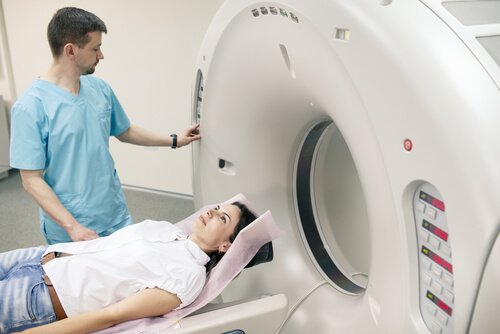
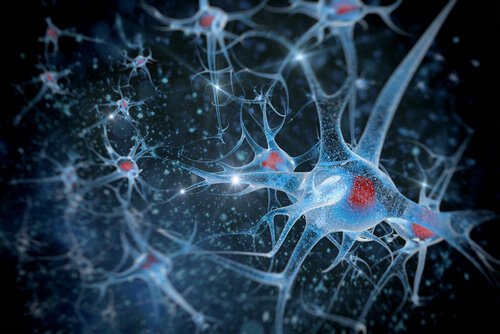

:max_bytes(150000):strip_icc():format(webp)/gestalt-laws-of-perceptual-organization-2795835-01-8f488f3d191048a0bc42e23ff9470042.png)


 Medicurio
