REQUEST AN APPOINTMENT OR BOOK A CONSULANT – Sargam.dange.18@gmail.com
nterpersonal attraction refers to positive feelings about another person. It can take many forms, including liking, love, friendship, lust, and admiration.
Everyone meets many people. With some, there is a natural fit; with other, there isn’t. Liking a person is quite different from liking chocolate or liking to ski. Liking someone implies feelings of warmth, intimacy, and consideration and a desire to spend time together. Interpersonal attraction plays a large part in the formation of all relationships except those into which a person is born, that is, all nonascriptive relationships. Everyone uses tactics that are expected to recruit potential partners; the specific tactics used in presenting oneself, as well as the characteristics an individual looks for in others, will vary depending on whether what is sought is friendship or love or a good working partner (McCall 1974). In earlier studies, questions of affiliation were confused with questions of attraction.You may be attracted to many people, but only those who are available in terms of physical proximity and who are defined as appropriate by social norms will actually become interaction partners.
Even though liking someone is based on many factors that can’t always be defined, a person does know, upon meeting someone, whether he or she is in fact liked. This perceived liking in turn draws us toward the other (Sprecher and Hatfield 1992).
Men and women operate differently in the area of choosing people as being attractive. For example, men are more inclined to reject a person who disagrees with them than are women and more likely to choose the same type of person as a friend and as a marriage partner (Lindzay and Aronson 1969).
First impressions don’t necessarily last. Nisbett, reanalyzing Newcomb’s data in 1989, found that people’s liking of other people after sixteen weeks’ acquaintance was not predicted very well by their initial liking of these others after one week’s acquaintance.
influences
Many factors influence whom people are attracted to. They include physical attractiveness, proximity, similarity, and reciprocity:
Physical attractiveness: Research shows that romantic attraction is primarily determined by physical attractiveness. In the early stages of dating, people are more attracted to partners whom they consider to be physically attractive. Men are more likely to value physical attractiveness than are women.
People’s perception of their own physical attractiveness also plays a role in romantic love. The matching hypothesis proposes that people tend to pick partners who are about equal in level of attractiveness to themselves.
Proximity: People are more likely to become friends with people who are geographically close. One explanation for this is the mere exposure effect. The mere exposure effect refers to people’s tendency to like novel stimuli more if they encounter them repeatedly.
Similarity: People also tend to pick partners who are similar to themselves in characteristics such as age, race, religion, social class, personality, education, intelligence, and attitude.
This similarity is seen not only between romantic partners but also between friends. Some researchers have suggested that similarity causes attraction. Others acknowledge that people may be more likely to have friends and partners who are similar to themselves simply because of accessibility: people are more likely to associate with people who are similar to themselves.
Reciprocity: People tend to like others who reciprocate their liking.
REQUEST AN APPOINTMENT OR BOOK A CONSULANT – Sargam.dange.18@gmail.com
Romantic Love
Many researchers focus on one particular form of attraction: romantic love.
Kinds of Romantic Love
Researchers have proposed that romantic love includes two kinds of love: passionate love and compassionate love. These two kinds of love may occur together, but they do not always go hand in hand in a relationship:
Passionate love: Involves absorption in another person, sexual desire, tenderness, and intense emotion.
Compassionate love: Involves warmth, trust, and tolerance of another person. Compassionate love is sometimes considered to have two components: intimacy and commitment. Intimacy is the warm, close, sharing aspect of a relationship. Commitment is the intent to continue the relationship even in the face of difficulties. Researchers believe commitment is a good predictor of the stability of a relationship.
Attachment Styles
Some researchers study the influence of childhood attachment styles on adult relationships. Many researchers believe that as adults, people relate to their partners in the same way that they related to their caretakers in infancy.
Cultural Similarities and Differences
There are both similarities and differences among cultures in romantic attraction. Researchers have found that people in many different cultures place a high value on mutual attraction between partners and the kindness, intelligence, emotional stability, dependability, and good health of partners.
However, people in different cultures place a different value on romantic love within a marriage. People in individualistic cultures often believe romantic love is a prerequisite for marriage. In many collectivist cultures, people often consider it acceptable for family members or third parties to arrange marriages.
Evolutionary Perspectives
Evolutionary psychologists speculate that the tendency to be attracted to physically attractive people is adaptive. Many cultures value particular aspects of physical attractiveness, such as facial symmetry and a small waist-to-hip ratio. Evolutionary psychologists point out that facial symmetry can be an indicator of good health, since many developmental abnormalities tend to produce facial asymmetries. A small waist-to-hip ratio, which produces an “hourglass” figure, indicates high reproductive potential.
As predicted by the parental investment theory, men tend to be more interested in their partners’ youthfulness and physical attractiveness. Evolutionary psychologists think that this is because these characteristics indicate that women will be able to reproduce successfully. Women, on the other hand, tend to value partners’ social status, wealth, and ambition, because these are characteristics of men who can successfully provide for offspring.
REQUEST AN APPOINTMENT OR BOOK A CONSULANT – Sargam.dange.18@gmail.com
REQUEST AN APPOINTMENT OR BOOK A CONSULANT – Sargam.dange.18@gmail.com
Prosocial behaviors are those intended to help other people. These actions are characterized by a concern for the rights, feelings, and welfare of other people. Behaviors that can be described as prosocial include feeling empathy and concern for others.
Prosocial behavior includes a wide range of actions such as helping, sharing, comforting, and cooperating. The term itself originated during the 1970s and was introduced by social scientists as an antonym for the term antisocial behavior.
Benefits
In addition to the obvious good that prosocial actions do for their recipients, these behaviors can have a range of beneficial effects for the “helper”:
Mood-boosting effects: Research has also shown that people who engage in prosocial behaviors are more likely to experience better moods. Not only that, people who help others tend to experience negative moods less frequently.
Social support benefits: Having social support can be crucial for getting through difficult times. Research has shown that social support can have a powerful impact on many aspects of wellness, including reducing the risk of loneliness, alcohol use, and depression.
Stress-reducing effects: Research has also found that engaging in prosocial behaviors helps mitigate the negative emotional effects of stress. Helping others may actually be a great way to reduce the impact of stress in your life.
Types
While prosocial behavior is often presented as a single, uniform dimension, some research suggests that there are different types. These types are distinguished based on why they are produced and include:
Proactive: These are prosocial actions that serve self-benefitting purposes.
Reactive: These are actions that are performed in response to individual needs.
Altruistic: These include actions that are meant to help others without any expectations of personal gain.
Researchers also suggest that these different types of prosocial behaviors are often likely to be motivated by differing forces. For example, proactive prosocial actions were found to often be motivated by status-linked goals and popularity within a group. Altruistic prosocial behaviors, on the other hand, were more closely linked to being liked by peers and achieving shared goals.
Other researchers have proposed that prosocial behaviors can be divided into helping, sharing, or comforting subtypes.
Prosocial Behavior vs. Altruism
Altruism is often seen as a form of prosocial behavior, but some experts suggest that they represent different concepts. While prosocial behavior is seen as a type of helping behavior that ultimately confers some benefits to the self, altruism is viewed as a form of helping motivated purely out of concern for the individual in need.
Others argue, however, that reciprocity actually does underlie many examples of altruism or that people engage in such seemingly selfless behaviors for selfish reasons. For example, a person might engage in altruism to gain the acclaim of others or to feel good about themselves.
Causes
Prosocial behavior has long posed a challenge to social scientists. Researchers seek to understand why people engage in helping behaviors that are beneficial to others, but costly to the individual performing the action.
In some cases, including acts of heroism, people will even put their own lives at risk in order to help other people, even those who are complete strangers. Why would people do something that benefits someone else but offers no immediate benefit to the doer?
Psychologists suggest that there are a number of reasons why people engage in prosocial behavior.
Evolutionary influences: Evolutionary psychologists often explain prosocial behaviors in terms of the principles of natural selection. While putting your own safety in danger makes it less likely that you will survive to pass on your own genes, kin selection suggests that helping members of your own genetic family makes it more likely that your kin will survive and pass on genes to future generations. Researchers have been able to produce some evidence that people are often more likely to help those to whom they are closely related.
Personal benefits: Prosocial behaviors are often seen as being compelled by a number of factors including egoistic reasons (doing things to improve one’s self-image), reciprocal benefits (doing something nice for someone so that they may one day return the favor), and more altruistic reasons (performing actions purely out of empathy for another individual).
Reciprocal behavior: The norm of reciprocity suggests that when people do something helpful for someone else, that person feels compelled to help out in return. This norm developed, evolutionary psychologists suggest, because people who understood that helping others might lead to reciprocal kindness were more likely to survive and reproduce.
Socialization: In many cases, such behaviors are fostered during childhood and adolescence as adults encourage children to share, act kindly, and help others.
REQUEST AN APPOINTMENT OR BOOK A CONSULANT – Sargam.dange.18@gmail.com
The Bystander Effect
Characteristics of the situation can also have a powerful impact on whether or not people engage in prosocial actions. The bystander effect is one of the most notable examples of how the situation can impact helping behaviors.
The bystander effect refers to the tendency for people to become less likely to assist a person in distress when there are a number of other people also present.
For example, if you drop your purse and several items fall out on the ground, the likelihood that someone will stop and help you decreases if there are many other people present. This same sort of thing can happen in cases where someone is in serious danger, such as a car accident. Witnesses might assume that since there are so many other people present, someone else will have already called for help.
The 1964 murder of a young woman named Kitty Genovese spurred much of the interest and research on the bystander effect. She was attacked late at night near her apartment, but no one contacted authorities during the attack.
Later research demonstrated that many of the neighbors may not have had a clear view of what was happening, which explained why no tried to intervene or contact the police. However, the crime still spurred an abundance of research on the bystander effect and prosocial behavior.
Other Influences on Prosocial Behavior
Research on the bystander effect resulted in a better understanding of why people help in some situations but not in others. Experts have discovered a number of different situational variables that contribute to (and sometimes interfere with) prosocial behaviors.
Fear of judgment or embarrassment: People sometimes fear leaping to assistance only to discover that their help was unwanted or unwarranted. In order to avoid being judged by other bystanders, people simply take no action.
How other people respond: People also tend to look to others for how to respond in such situations, particularly if the event contains some level of ambiguity. If no one else seems to be reacting, then individuals become less likely to respond as well.
The number of people present: The more people who are around, the less personal responsibility people feel in a situation. This is known as the diffusion of responsibility.
How to Take Action
Researchers have also have suggested that five key things must happen in order for a person to take action. An individual must:
Notice what is happening
Interpret the event as an emergency
Experience feelings of responsibility
Believe that they have the skills to help
Make a conscious choice to offer assistance
Other factors that can help people overcome the bystander effect include having a personal relationship with the individual in need, having the skills and knowledge to provide assistance, and having empathy for those in need.
Prosocial behavior can be a beneficial force for individuals, communities, and societies. While there are many factors that contribute to helping actions, there are things that you can do to improve prosocial actions in yourself and in others:
Develop your skills: One reason why people fail to help is that they feel like they don’t really have the necessary skills to be of assistance. You can overcome this by doing things like learning the basics of first aid or CPR, so that you’ll feel better prepared if you do find yourself in an emergency situation.
Model prosocial actions: If you are a parent, provide a good example for your children by letting them see you engage in helpful actions. Even if you don’t have kids, prosocial behaviors can help inspire others to take action. Volunteer in your community or look for other ways that you can help people.
Praise acts of kindness: When you see kids (or even adults) doing kind things for others, let them know you appreciate it.
SOCIAL EXCHANGE THEORY
We have discussed why we form relationships, what attracts us to others, and different types of love. But what determines whether we are satisfied with and stay in a relationship? One theory that provides an explanation is social exchange theory. According to social exchange theory, we act as naïve economists in keeping a tally of the ratio of costs and benefits of forming and maintaining a relationship with others (Rusbult & Van Lange, 2003).
People are motivated to maximize the benefits of social exchanges, or relationships, and minimize the costs. People prefer to have more benefits than costs, or to have nearly equal costs and benefits, but most people are dissatisfied if their social exchanges create more costs than benefits. Let’s discuss an example. If you have ever decided to commit to a romantic relationship, you probably considered the advantages and disadvantages of your decision. What are the benefits of being in a committed romantic relationship? You may have considered having companionship, intimacy, and passion, but also being comfortable with a person you know well. What are the costs of being in a committed romantic relationship? You may think that over time boredom from being with only one person may set in; moreover, it may be expensive to share activities such as attending movies and going to dinner. However, the benefits of dating your romantic partner presumably outweigh the costs, or you wouldn’t continue the relationship.
REQUEST AN APPOINTMENT OR BOOK A CONSULANT – Sargam.dange.18@gmail.com
REQUEST AN APPOINTMENT OR BOOK A CONSULANT – Sargam.dange.18@gmail.com
In psychology, an attitude refers to a set of emotions, beliefs, and behaviors toward a particular object, person, thing, or event. Attitudes are often the result of experience or upbringing, and they can have a powerful influence over behavior. While attitudes are enduring, they can also change.
Overview
What’s your opinion on the death penalty? Which political party does a better job of running the country? Should prayer be allowed in schools? Should violence on television be regulated?
Chances are that you probably have fairly strong opinions on these and similar questions. You’ve developed attitudes about such issues, and these attitudes influence your beliefs as well as your behavior. Attitudes are an important topic of study within the field of social psychology. But what exactly is an attitude? How does it develop?
How Psychologists Define Attitudes
Psychologists define attitudes as a learned tendency to evaluate things in a certain way. This can include evaluations of people, issues, objects, or events. Such evaluations are often positive or negative, but they can also be uncertain at times.
For example, you might have mixed feelings about a particular person or issue. Researchers also suggest that there are several different components that make up attitudes. The components of attitudes are sometimes referred to as CAB or the ABC’s of attitude.
Components of Attitude
Cognitive Component: Your thoughts and beliefs about the subject
Affective Component: How the object, person, issue, or event makes you feel
Behavioral Component: How attitude influences your behavior
Attitudes can also be explicit and implicit. Explicit attitudes are those that we are consciously aware of and that clearly influence our behaviors and beliefs. Implicit attitudes are unconscious but still have an effect on our beliefs and behaviors.
Attitude Formation
There are a number of factors that can influence how and why attitudes form. Here is a closer look at how attitudes form.
Experience
Attitudes form directly as a result of experience. They may emerge due to direct personal experience, or they may result from observation.
Social Factors
Social roles and social norms can have a strong influence on attitudes. Social roles relate to how people are expected to behave in a particular role or context. Social norms involve society’s rules for what behaviors are considered appropriate.
Learning
Attitudes can be learned in a variety of ways. Consider how advertisers use classical conditioning to influence your attitude toward a particular product. In a television commercial, you see young, beautiful people having fun on a tropical beach while enjoying a sports drink. This attractive and appealing imagery causes you to develop a positive association with this particular beverage.
Conditioning
Operant conditioning can also be used to influence how attitudes develop. Imagine a young man who has just started smoking. Whenever he lights up a cigarette, people complain, chastise him, and ask him to leave their vicinity. This negative feedback from those around him eventually causes him to develop an unfavorable opinion of smoking and he decides to give up the habit.
Observation
Finally, people also learn attitudes by observing people around them. When someone you admire greatly espouses a particular attitude, you are more likely to develop the same beliefs. For example, children spend a great deal of time observing the attitudes of their parents and usually begin to demonstrate similar outlooks.
Attitudes and Behavior
We tend to assume that people behave according to their attitudes. However, social psychologists have found that attitudes and actual behavior are not always perfectly aligned.
After all, plenty of people support a particular candidate or political party and yet fail to go out and vote. People also are more likely to behave according to their attitudes under certain conditions.
Factors Influencing Attitude Strength
Are an expert on the subject
Expect a favorable outcome
Experience something personally
Stand to win or lose something due to the issue
Are repeatedly expressed attitudes
REQUEST AN APPOINTMENT OR BOOK A CONSULANT – Sargam.dange.18@gmail.com
Changing to Match Behavior
In some cases, people may actually alter their attitudes in order to better align them with their behavior. Cognitive dissonance is a phenomenon in which a person experiences psychological distress due to conflicting thoughts or beliefs. In order to reduce this tension, people may change their attitudes to reflect their other beliefs or actual behaviors. Cognitive Dissonance and Ways to Resolve It
Using Cognitive Dissonance
Imagine the following situation: You’ve always placed a high value on financial security, but you start dating someone who is very financially unstable. In order to reduce the tension caused by the conflicting beliefs and behavior, you have two options.
You can end the relationship and seek out a partner who is more financially secure, or you can de-emphasize fiscal stability importance.
In order to minimize the dissonance between your conflicting attitude and behavior, you either have to change the attitude or change your actions.
Why Attitudes Change
While attitudes can have a powerful effect on behavior, they are not set in stone. The same influences that lead to attitude formation can also create attitude change.4
Learning Theory
Classical conditioning, operant conditioning, and observational learning can be used to bring about attitude change. Classical conditioning can be used to create positive emotional reactions to an object, person, or event by associating positive feelings with the target object.
Operant conditioning can be used to strengthen desirable attitudes and weaken undesirable ones. People can also change their attitudes after observing the behavior of others.
Elaboration Likelihood Theory
This theory of persuasion suggests that people can alter their attitudes in two ways. First, they can be motivated to listen and think about the message, thus leading to an attitude shift.
Or, they might be influenced by the characteristics of the speaker, leading to a temporary or surface shift in attitude. Messages that are thought-provoking and that appeal to logic are more likely to lead to permanent changes in attitudes.
Dissonance Theory
As mentioned earlier, people can also change their attitudes when they have conflicting beliefs about a topic. In order to reduce the tension created by these incompatible beliefs, people often shift their attitudes.
Attitude Strength
One of the most important characteristics of an attitude is its strength. Attitude strength is associated with an attitude’s persistence, resistance to change, and ability to predict behavior. The stronger an attitude, the more it exhibits these characteristics. As you might expect, attitudes produced by high-effort cognitive processes are stronger than those produced by low-effort processes. Because they are the result of greater cognitive effort, these attitudes are often based on more consistent information, are supported by a more developed knowledge structure (e.g., related beliefs and values), and are held with greater certainty than are attitudes produced by a low-effort process. If, for instance, your recent car purchase was based on months of research and test-drives, then you are likely to have a whole host of information that supports your positive attitude toward the vehicle. This associated information will then serve to buoy the attitude, allowing it to persist over the life of the vehicle and resist change (e.g., following negative experiences like breakdowns). If your attitude was instead based on a low-effort process (e.g., a heuristic rule, “if it looks good, it is good”), then this attitude may be easily changed when you experience negative events and become motivated to think critically about the attitude object.
REQUEST AN APPOINTMENT OR BOOK A CONSULANT – Sargam.dange.18@gmail.com
REQUEST AN APPOINTMENT OR BOOK A CONSULANT – Sargam.dange.18@gmail.com
In social psychology, the term “person perception”refers to the different mental processes that we use to form impressions of other people. This includes not just how we form these impressions, but the different conclusions we make about other people based on our impressions.
Consider how often you make this kind of judgment every day. When you meet with a new co-worker, you immediately begin to develop an initial impression of this person. When you visit the grocery store after work, you might draw conclusions about the cashier who checks you out, even though you know very little about them.
This allows us to make snap judgments and decisions, but it can also lead to biased or stereotyped perceptions of other people. Let’s take a closer look at how person perception works and the impact it has on our day-to-day interactions with other people.
How We Form Impressions
Obviously, person perception is a very subjective process that can be affected by a number of variables. Factors that can influence the impressions you form of other people include the characteristics of the person you are observing, the context of the situation, your own personal traits, and your past experiences.
People often form impressions of others very quickly, with only minimal information. We frequently base our impressions on the roles and social norms we expect from people. For example, you might form an impression of a city bus driver based on how you would anticipate a person in that role to behave, considering individual personality characteristics only after you have formed this initial impression.
Physical cues can also play an important role. If you see a woman dressed in a professional-looking suit, you might immediately assume that she works in a formal setting, perhaps at a law firm or bank. The salience of the information we perceive is also important. Generally, we tend to focus on the most obvious points rather than noting background information.
The more novel or obvious a factor is, the more likely we are to focus on it. If you see a woman dressed in a tailored suit with her hair styled in a bright pink mohawk, you are likely to pay more attention to her unusual hairstyle than her sensible business attire.
REQUEST AN APPOINTMENT OR BOOK A CONSULANT – Sargam.dange.18@gmail.com
Structure -Agency Debate
One persistent theme in social psychology is the structure-agency debate. This is also referred to as the individual-holism debate. It involves questions about the nature of social behavior: for example, does social behavior ultimately stem from the individual, or is it largely a product of socialization, interaction, and greater social structures?
Structure is the recurrent patterns or arrangements that influence or limit the choices and opportunities available. Agency is individuals’ capacity to act independently and to make their own free choices. The structure-versus-agency debate may be understood as an issue of socialization against autonomy in determining whether an individual acts as a free agent or in a manner dictated by social structure. Some theorize that what we know as our social existence is largely determined by the overall structure of society. On the other hand, other theorists stress the capacity of individual agents to construct and reconstruct their environments.
Social Categorization
One of the mental shortcuts we use in person perception is social categorization. In this process, we mentally categorize people into different groups based on common characteristics. Sometimes this process occurs consciously, but for the most part, social categorizations happen automatically and unconsciously. Some of the most common social categories are age, gender, occupation, and race.3
As with many mental shortcuts, social categorization has both positive and negative aspects.4 Social categorization allows you to make rapid judgments. Realistically, you simply do not have time to get to know every person you come into contact with. Using social categorization allows you to make decisions and establish expectations of how people will behave quickly, allowing you to focus on other things.
Problems with this technique include the fact that it can lead to errors, as well as to stereotyping or even prejudice. Imagine that you are getting on a bus. There are only two seats available. One is next to a petite, elderly woman; the other is next to a burly, grim-faced man. Based on your immediate impression, you sit next to the elderly woman, who unfortunately turns out to be quite skilled at picking pockets.
Because of social categorization, you immediately judged the woman as harmless and the man as threatening, leading to the loss of your wallet. While social categorization can be useful at times, it can also lead to these kinds of misjudgments.
Implicit Personality Theories
An implicit personality theory is a collection of beliefs and assumptions that we have about how certain traits are linked to other characteristics and behaviors. Once we know something about a cardinal trait, we assume that the person also exhibits other traits that are commonly linked to that key characteristic.
For example, if you observe that a new co-worker is very happy, you might immediately assume that they are also friendly, kind, and generous. As with social categorization, implicit personality theories help people make judgments quickly, but they can also contribute to stereotyping and errors.
REQUEST AN APPOINTMENT OR BOOK A CONSULANT – Sargam.dange.18@gmail.com
REQUEST AN APPOINTMENT OR BOOK A CONSULANT – Sargam.dange.18@gmail.com
Social cognition is a sub-topic of social psychology that focuses on how people process, store, and apply information about other people and social situations. It focuses on the role that cognitive processes play in our social interactions. The way we think about others plays a major role in how we think, feel, and interact with the world around us.
What Is Social Cognition?
How exactly do psychologists define social cognition? While there is no single definition, there are some common factors that many experts have identified as being important.
Social cognition involves:
The processes involved in perceiving other people and how we come to know about the people in the world around us.
The study of the mental processes that are involved in perceiving, remembering, thinking about, and attending to the other people in our social world.
The reasons we attend to certain information about the social world, how this information is stored in memory, and how it is then used to interact with other people.
Social cognition is not simply a topic within social psychology—it is an approach to studying any subject with social psychology. Using a social-cognitive perspective, researchers can study a wide range of topics including attitudes, person-perception, prejudice, stereotypes, self-concept, discrimination, persuasion, decision-making, and other areas.
Examples
Imagine that you are getting ready to go on a blind date. Not only do you worry about the impression and signals that you are sending to the other person, but you are also concerned with interpreting the signals given by your date. How do you form an impression of this person? What meaning do you read into the other person’s behavior?
This is just one example of how social cognition influences a single social interaction, but you can probably think of many more examples from your daily life. We spend a considerable portion of every day interacting with others, which is why an entire branch of psychology formed to help understand how we feel, think, and behave in social situations.
Development
Social cognition develops in childhood and adolescence. As children grow, they become more aware not only of their own feelings, thoughts, and motives but also of the emotions and mental states of others. Children become more adept at understanding how others feel, learning how to respond in social situations, engaging in prosocial behaviors, and taking the perspective of others.
While there are many different theories that look at how social cognition develops, one of the most popular focuses on the work of the psychologist Jean Piaget. According to Piaget, a child’s cognitive development goes through a series of stages.
During the earliest stages of development, children are very egocentric. They see the world from their own perspective and struggle to think about how other people may view the world.
As children grow older, children become increasingly adept at perspective-taking and have an increased ability to think about how and why people act the way they do in social situations.
More recently, research has provided evidence that children develop the ability to think about the perspectives of other people at an earlier age than Piaget previously believed. Even young preschoolers exhibit some ability to think about how other people might view a situation.
One of the most important developments in the early emergence of social cognition is the growth of a theory of mind. A theory of mind refers to a person’s ability to understand and think about the mental states of other people.
It is the emergence of a theory of mind that is critical to being able to consider the thoughts, motives, desires, needs, feelings, and experiences that other people may have. Being able to think about how these mental states can influence how people act is critical to forming social impressions and explaining how and why people do the things that they do.
REQUEST AN APPOINTMENT OR BOOK A CONSULANT – Sargam.dange.18@gmail.com
Cultural Differences
Social psychologists have also found that there are often important cultural differences in social cognition. When looking at a social situation, any two people may have wildly different interpretations. Each person brings a unique background of experiences, knowledge, social influences, feelings, and cultural variations.
Some researchers have found that there are also collective, cultural influences that can affect how people interpret social situations. The same social behavior in one cultural setting may have a very different meaning and interpretation if it was to take place or be observed in another culture.
As people interpret behavior, extract meaning from the interaction, and then act based upon their beliefs about the situation, they are then further reinforcing and reproducing the cultural norms that influence their social cognitions.
Schemas
In schema theory, when we see or think of a concept, a mental representation or “schema” is activated that brings to mind other related information, usually unconsciously. Through schema activation, judgments are formed based on internal assumptions in addition to information actually available in the environment.
Similarly, a notable theory of social cognition is social-schema theory. This theory suggests that we have mental representations for specific social situations. For example, if you meet your new teacher, your “teacher schema” may be activated, and you may therefore automatically associate this person with wisdom and authority if that is how you have experienced past teachers.
When a schema is more “accessible,” this means that it can be more quickly activated and used in a particular situation. Two cognitive processes that increase the accessibility of schemas are salience and priming. In social cognition, salience is the degree to which a particular social object stands out relative to other social objects in a situation. The higher the salience of an object, the more likely that schemas for that object will be made accessible. For example, if there is one female in a group of seven males, female gender schemas may be more accessible and influence the group’s thinking and behavior toward the female group member. “Priming” refers to any experience immediately prior to a situation that causes a schema to be more accessible. For example, watching a scary movie late at night might increase the accessibility of frightening schemas, increasing the likelihood that a person will perceive shadows and background noises as potential threats.
Research and Challenges
Research into social cognition is ongoing. But there are also challenges to some established theories.
Future Areas of Study
So what are some of the different questions related to social cognition that researchers are interested in understanding? Our perceptions of others play such an important role in how we forge relationships, how we interact with others, how we treat others, and how others treat us.
Some of the topics that psychologists are interested in when it comes to social cognition include:
How do we develop attitudes? What role do these attitudes play in our social lives?
How do we interpret other people’s feelings and emotions? How do we figure out what they are thinking or feeling? What cues or indicators do we use to make these assumptions?
How is self-concept formed and how does it influence our relationships with others?
What influence do our thoughts have on our feelings?
What mental processes influence person perception, or how we form impressions of other people?
Neuroscience of Social Cognition
People with autism, psychosis, antisocial personality disorder, and other disorders show differences in social behavior compared to their unaffected peers. Whether social cognition is entirely underpinned by neural mechanisms is still an open question. However, cases like Phineas Gage’s suggest that there is some kind of relationship between neural activity and social behavior.
Challenges
One criticism of some of the research on social cognition suggests that it is too focused on individualistic behavior. Because the topic itself is so social, some suggest that many of the information-processing models that have traditionally been used to understand the cognitive processes behind social cognition are too limited. Focusing on the collective and interactive aspects of human thought may provide a better understanding of how people think about and understand social behavior.
REQUEST AN APPOINTMENT OR BOOK A CONSULANT – Sargam.dange.18@gmail.com
REQUEST AN APPOINTMENT OR BOOK A CONSULANT – Sargam.dange.18@gmail.com
Evolutionary psychology is a scientific discipline that approaches human behavior through a lens that incorporates the effects of evolution. It combines the science of psychology with the study of biology.
Evolutionary psychologists seek to explain people’s emotions, thoughts, and responses based on Charles Darwin’s Theory of Evolution Through Natural Selection, similarly to how evolutionary biologists explain an organism’s physical features.
Evolutionary psychology is a theoretical approach to psychology that attempts to explain useful mental and psychological traits—such as memory, perception, or language—as adaptations, i.e., as the functional products of natural selection.
The purpose of this approach is to bring the functional way of thinking about biological mechanisms such as the immune system into the field of psychology, and to approach psychological mechanisms in a similar way.
In short, evolutionary psychology is focused on how evolution has shaped the mind and behavior.
Though applicable to any organism with a nervous system, most research in evolutionary psychology focuses on humans.
Evolutionary Psychology proposes that the human brain comprises many functional mechanisms, called psychological adaptations or evolved cognitive mechanisms designed by the process of natural selection.
Examples include language acquisition modules, incest avoidance mechanisms, cheater detection mechanisms, intelligence and sex-specific mating preferences, foraging mechanisms, alliance-tracking mechanisms, agent detection mechanisms, and so on.
Evolutionary psychology has roots in cognitive psychology and evolutionary biology.
It also draws on behavioral ecology, artificial intelligence, genetics, ethology, anthropology, archaeology, biology, and zoology.
Evolutionary psychology is closely linked to sociobiology, but there are key differences between them including the emphasis on domain-specific rather than domain-general mechanisms, the relevance of measures of current fitness, the importance of mismatch theory, and psychology rather than behaviour.
Many evolutionary psychologists, however, argue that the mind consists of both domain-specific and domain-general mechanisms, especially evolutionary developmental psychologists.
Most sociobiological research is now conducted in the field of behavioral ecology.
Evolutionary Psychology Approach
REQUEST AN APPOINTMENT OR BOOK A CONSULANT – Sargam.dange.18@gmail.com
Proponents of this psychological approach posit that as our ancestors confronted problems and developed ways of solving them, some had certain innate instincts and intelligence that gave them the ability to figure out and apply the most successful solutions.
In doing so, they gained advantages, such as better health or a longer lifespan, allowing them to produce more offspring through the process of natural selection. According to evolutionary psychology, our ancestors who had psychological advantages passed down these behavioral traits to future generations, resulting in a population of offspring that then had these adaptive behaviors.
Psychological abilities, such as reading others’ intentions, making friends, and gaining trust, are known to help a person throughout life. Evolutionary psychologists believe that these skills are rooted in deeply complex neural circuits in the brain and that they are inherited.
These innate behavioral tendencies are often tempered by input from our culture, family, and individual factors, but the principle of evolutionary psychology is that the underlying neural mechanisms are shaped by evolutionary forces.
5 Principles of Evolutionary Psychology
Evolutionary psychology is a well-defined discipline of study and research, with fundamental foundations that have developed and continue to guide new studies. There are five basic principles of evolutionary psychology:
Your brain is a physical system that instructs you to behave in a manner appropriate and adaptive to your environment.
The neural circuitry of your brain helps you solve problems in an appropriate manner. The specific ways that the neural circuitry is constructed were directed by natural selection, over the course of generations.
Most of your psychological behaviors are determined subconsciously by your neural circuitry, and you are largely of these subconscious processes. You rely on conscious decision-making to guide you in your daily life, and you may be aware of the conclusions resulting from the complex neural circuitry while remaining unaware of the underlying process involved.
Neural circuits in the brain are specialized to solve different adaptive problems. For example, the circuitry involved in vision is not the same as for vomiting.
Your mind is based on adaptive changes that originated in the Pleistocene era.
Evolutionary Psychology’s Theory and Methods
Influential evolutionary psychologists, Leda Cosmides and John Tooby, provide the following list of the field’s theoretical tenets (Tooby and Cosmides 2005):
The brain is a computer designed by natural selection to extract information from the environment.
Individual human behavior is generated by this evolved computer in response to information it extracts from the environment. Understanding behavior requires articulating the cognitive programs that generate the behavior.
The cognitive programs of the human brain are adaptations. They exist because they produced behavior in our ancestors that enabled them to survive and reproduce.
The cognitive programs of the human brain may not be adaptive now; they were adaptive in ancestral environments.
Natural selection ensures that the brain is composed of many different special purpose programs and not a domain general architecture.
Describing the evolved computational architecture of our brains “allows a systematic understanding of cultural and social phenomena”
Evolutionary Psychology and Behavioral Skills
At its most basic level, evolutionary psychology explains skills that we consider to be relatively simple and common to most humans, such as language.
At some point in history, early man developed language skills beyond grunting and pointing. The ability to communicate complex thoughts was beneficial for human survival, and, as a result, language acquisition abilities evolved and advanced through the process of natural selection. Evolutionary psychologists may argue that advanced language skills contribute to a person’s safety, survival, and reproduction.
Nevertheless, the language or languages you learn depends on the language spoken in your home and neighborhood, demonstrating the importance of cultural input.
How Evolution Explains Phobias
Phobias are fears that are irrational and that go beyond protecting you from danger. For example, research studies show you are more likely to fear snakes and spiders than other predatory animals, such as lions and tigers.
From an evolutionary point of view, this may be due to the fact that snakes and spiders are more difficult to spot. It made sense to our ancestors to look carefully for poisonous creatures before sticking their hands into woodpiles or overgrown brush.
Over time, that ability to recognize and quickly react to these small, quiet creatures became a trait that many humans inherited as an instinctive human reaction. In fact, a young child who has never heard of the dangers of snakes or spiders may have a dramatic reaction at seeing one, possibly rooted in evolutionary psychology.
REQUEST AN APPOINTMENT OR BOOK A CONSULANT – Sargam.dange.18@gmail.com
REQUEST AN APPOINTMENT OR BOOK A CONSULANT – Sargam.dange.18@gmail.com
What Is Psychology?
Psychology is the study of mind and behavior. It encompasses the biological influences, social pressures, and environmental factors that affect how people think, act, and feel.
Gaining a richer and deeper understanding of psychology can help people achieve insights into their own actions as well as a better understanding of other people.
Types of Psychology
Psychology is a broad and diverse field that encompasses the study of human thought, behavior, development, personality, emotion, motivation, and more. As a result, some different subfields and specialty areas have emerged. The following are some of the major areas of research and application within psychology:
Abnormal psychology is the study of abnormal behavior and psychopathology. This specialty area is focused on research and treatment of a variety of mental disorders and is linked to psychotherapy and clinical psychology.
Biological psychology (biopsychology) studies how biological processes influence the mind and behavior. This area is closely linked to neuroscience and utilizes tools such as MRI and PET scans to look at brain injury or brain abnormalities.
Clinical psychology is focused on the assessment, diagnosis, and treatment of mental disorders.
Cognitive psychology is the study of human thought processes including attention, memory, perception, decision-making, problem-solving, and language acquisition.
Comparative psychology is the branch of psychology concerned with the study of animal behavior.
Developmental psychology is an area that looks at human growth and development over the lifespan including cognitive abilities, morality, social functioning, identity, and other life areas.
Forensic psychology is an applied field focused on using psychological research and principles in the legal and criminal justice system.
Industrial-organizational psychology is a field that uses psychological research to enhance work performance and select employees.
Personality psychology focuses on understanding how personality develops as well as the patterns of thoughts, behaviors, and characteristics that make each individual unique.
Social psychology focuses on group behavior, social influences on individual behavior, attitudes, prejudice, conformity, aggression, and related topics.
Uses
The most obvious application for psychology is in the field of mental health where psychologists use principles, research, and clinical findings to help clients manage and overcome symptoms of mental distress and psychological illness. Some of the additional applications for psychology include:
Developing educational programs
Ergonomics
Informing public policy
Mental health treatment
Performance enhancement
Personal health and well-being
Psychological research
Self-help
Social program design
Understanding child development
It is difficult to capture everything that psychology encompasses in just a brief definition, but topics such as development, personality, thoughts, feelings, emotions, motivations, and social behaviors represent just a portion of what psychology seeks to understand, predict, and explain.The Major Goals of Psychology
REQUEST AN APPOINTMENT OR BOOK A CONSULANT – Sargam.dange.18@gmail.com
Impact of Psychology
Psychology is both an applied and academic field that benefits both individuals and society as a whole. A large part of psychology is devoted to the diagnosis and treatment of mental health issues, but that’s just the tip of the iceberg when it comes to the impact of psychology.
Some of the ways that psychology contributes to individuals and society include:
Improving our understanding of why people behave as they do as well
Understanding the different factors that can impact the human mind and behavior
Understanding issues that impact health, daily life, and well-being
Improving ergonomics to improve product design
Creating safer and more efficient workspaces
Helping motivate people to achieve their goals
Improving productivity
Psychologists accomplish these things by using objective scientific methods to understand, explain, and predict human behavior. Psychological studies are highly structured, beginning with a hypothesis that is then empirically tested.
Potential Pitfalls
There’s a lot of confusion out there about psychology. Unfortunately, such misconceptions about psychology abound in part thanks to stereotyped portrayals of psychologists in popular media as well as the diverse career paths of those holding psychology degrees.
Sure, there are psychologists who help solve crimes, and there are plenty of professionals who help people deal with mental health issues. However, there are also psychologists who:
Contribute to creating healthier workplaces
Design and implement public health programs
Research airplane safety
Help design technology and computer programs
Study military life and the psychological impact of combat
No matter where psychologists work, their primary goals are to help describe, explain, predict, and influence human behavior.
History of Psychology
Early psychology evolved out of both philosophy and biology. Discussions of these two subjects date as far back as the early Greek thinkers, including Aristotle and Socrates.
The word “psychology” itself is derived from the Greek word psyche, literally meaning “life” or “breath.” Derived meanings of the word include “soul” or “self.”
The emergence of psychology as a separate and independent field of study truly came about when Wilhelm Wundt established the first experimental psychology lab in Leipzig, Germany in 1879.
Throughout psychology’s history, various schools of thought have formed to explain the human mind and behavior. In some cases, certain schools of thought rose to dominate the field of psychology for a period of time.
The following are some of the major schools of thought in psychology.
Structuralism: Wundt and Titchener’s structuralism was the earliest school of thought, but others soon began to emerge.
Functionalism: The early psychologist and philosopher William James became associated with a school of thought known as functionalism, which focused its attention on the purpose of human consciousness and behavior.
Psychoanalysis: Soon, these initial schools of thought gave way to several dominant and influential approaches to psychology. Sigmund Freud’s psychoanalysis centered on how the unconscious mind impacted human behavior.
Behaviorism: The behavioral school of thought turned away from looking at internal influences on behavior and sought to make psychology the study of observable behaviors.
Humanistic psychology: Later, the humanistic approach centered on the importance of personal growth and self-actualization.
Cognitive psychology: By the 1960s and 1970s, the cognitive revolution spurred the investigation of internal mental processes such as thinking, decision-making, language development, and memory.
While these schools of thought are sometimes perceived as competing forces, each perspective has contributed to our understanding of psychology.
REQUEST AN APPOINTMENT OR BOOK A CONSULANT – Sargam.dange.18@gmail.com
REQUEST AN APPOINTMENT OR BOOK A CONSULANT – Sargam.dange.18@gmail.com
Before we discuss gender in detail, it is important to understand what gender actually is. The terms sex and gender are frequently used interchangeably, though they have different meanings. In this context, sex refers to the biological category of male or female, as defined by physical differences in genetic composition and in reproductive anatomy and function. On the other hand, gender refers to the cultural, social, and psychological meanings that are associated with masculinity and femininity (Wood & Eagly, 2002). You can think of “male” and “female” as distinct categories of sex (a person is typically born a male or a female), but “masculine” and “feminine” as continuums associated with gender (everyone has a certain degree of masculine and feminine traits and qualities).
” Sex ” refers to physical or physiological differences between males, females, and intersex persons, including both their primary and secondary sex characteristics. “Gender,” on the other hand, refers to social or cultural distinctions associated with a given sex. When babies are born, they are assigned a gender based on their biological sex—male babies are assigned as boys, female babies are assigned as girls, and intersex babies are usually relegated into one category or another. Scholars generally regard gender as a social construct, meaning that it does not exist naturally but is instead a concept that is created by cultural and societal norms. From birth, children are socialized to conform to certain gender roles based on their biological sex and the gender to which they are assigned.
As we grow, we learn how to behave from those around us. In this socialization process, children are introduced to certain roles that are typically linked to their biological sex. The term “gender role” refers to society’s concept of how men and women are expected to act and behave. Gender roles are based on norms, or standards, created by society. In American culture, masculine roles have traditionally been associated with strength, aggression, and dominance, while feminine roles have traditionally been associated with passivity, nurturing, and subordination.
Gender roles: The term “gender role” refers to society’s concept of how men and women are expected to act.
Gender Socialization
The socialization process in which children learn these gender roles begins at birth. Today, our society is quick to outfit male infants in blue and girls in pink, even applying these color-coded gender labels while a baby is in the womb. It is interesting to note that these color associations with gender have not always been what they are today. Up until the beginning of the 20th century, pink was actually more associated with boys, while blue was more associated with girls—illustrating how socially constructed these associations really are.
Gender socialization occurs through four major agents: family, education, peer groups, and mass media. Each agent reinforces gender roles by creating and maintaining normative expectations for gender-specific behavior. Exposure also occurs through secondary agents, such as religion and the workplace. Repeated exposure to these agents over time leads people into a false sense that they are acting naturally based on their gender, rather than following a socially constructed role.
REQUEST AN APPOINTMENT OR BOOK A CONSULANT – Sargam.dange.18@gmail.com
Children learn at a young age that there are distinct expectations for them based on their assigned gender. Cross-cultural studies reveal that children are aware of gender roles by age two or three; at four or five, most children are firmly entrenched in culturally appropriate gender roles (Kane, 1996). Parents often supply male children with trucks, toy guns, and superhero paraphernalia, which are active toys that promote motor skills, aggression, and solitary play. Female children are often given dolls and dress-up apparel that foster nurturing, social proximity, and role play. Studies have shown that children will most likely choose to play with “gender appropriate” toys even when cross-gender toys are available, because parents give children positive feedback (in the form of praise, involvement, and physical closeness) for gender-normative behavior (Caldera, Huston, and O’Brien, 1998).
The drive to adhere to masculine and feminine gender roles continues later in life. Men tend to outnumber women in professions such as law enforcement, the military, and politics; women tend to outnumber men in care-related occupations such as childcare, healthcare, and social work. These occupational roles are examples of typical American male and female behavior, derived not from biology or genetics but from our culture’s traditions. Adherence to these roles demonstrates fulfillment of social expectations but not necessarily personal preference (Diamond, 2002).
Sexism and Gender-Role Enforcement
The attitudes and expectations surrounding gender roles are not typically based on any inherent or natural gender differences, but on gender stereotypes, or oversimplified notions about the attitudes, traits, and behavior patterns of males and females. Gender stereotypes form the basis of sexism, or the prejudiced beliefs that value males over females. Common forms of sexism in modern society include gender-role expectations, such as expecting women to be the caretakers of the household. Sexism also includes people’s expectations of how members of a gender group should behave. For example, women are expected to be friendly, passive, and nurturing; when a woman behaves in an unfriendly or assertive manner, she may be disliked or perceived as aggressive because she has violated a gender role (Rudman, 1998). In contrast, a man behaving in a similarly unfriendly or assertive way might be perceived as strong or even gain respect in some circumstances.
Sexism can exist on a societal level such as in hiring, employment opportunities, and education. In the United States, women are less likely to be hired or promoted in male-dominated professions such as engineering, aviation, and construction (Blau, Ferber, & Winkler, 2010; Ceci & Williams, 2011). In many areas of the world, young girls are not given the same access to nutrition, healthcare, and education as boys.
Gender stereotypes: Every time we see someone riding a motorcycle and assume, without looking closely, that they are male, we are engaging in gender stereotyping. This particular gender stereotype assumes that women are too timid or weak to ride a motorcycle.
Gender roles shape individual behavior not only by dictating how people of each gender should behave, but also by giving rise to penalties for people who don’t conform to the norms. While it is somewhat acceptable for women to take on a narrow range of masculine characteristics without repercussions (such as dressing in traditionally male clothing), men are rarely able to take on more feminine characteristics (such as wearing skirts) without the risk of harassment or violence. This threat of punishment for stepping outside of gender norms is especially true for those who do not identify as male or female. Transgender, genderqueer, and other gender-nonconforming people face discrimination, oppression, and violence for not adhering to society’s traditional gender roles. People who identify as gay, lesbian, bisexual, or queer are also ostracized for breaking the traditional gender norm of who a person of a given sex “should” be attracted to. Even people who identify as cisgender (identifying with the sex they were assigned at birth) and straight (attracted to the opposite sex) face repercussions if they step outside of their gender role in an obvious way.
REQUEST AN APPOINTMENT OR BOOK A CONSULANT – Sargam.dange.18@gmail.com
REQUEST AN APPOINTMENT OR BOOK A CONSULANT – Sargam.dange.18@gmail.com
Developments in Behaviourism (Watson),
Neo-behavouristic traditions(Skinner),
Cognitive revolution- A Paradigm Shift)
Positivism is the term used to describe an approach to the study of society that relies specifically on scientific evidence, such as experiments and statistics, to reveal a true nature of how society operates. The term originated in the 19th century, when Auguste Comte described his ideas in his books The Course in Positive Philosophy and A General View of Positivism.
First and foremost, Comte was interested in establishing theories that could be tested with the ultimate goal of improving our world once these theories were clearly laid out. He was eager to discover natural laws that applied to society. He viewed the natural sciences, such as biology and physics, as a necessary step in the development of a social science. Just as gravity is a universal truth we all experience in the physical world, Comte believed sociologists could uncover similar laws operating on the social level of people’s lives.
Two influential positivists include Comte, who coined the term ‘positivism,’ and Emile Durkheim, who established the academic discipline of sociology. These early thinkers laid the groundwork for a social science to develop that they believed would have a unique place among the sciences. This new field would be distinct and have its own set of scientific facts. Comte hoped sociology would become the ‘queen science’ that held more importance than the other natural sciences that had come before it.
Theories of Positivism
Imagine you are a researcher living in France during Comte’s time, in the mid-1800s, interested in studying the choices and structures of your society. European culture around you has dramatically shifted in the past hundred years, with the Enlightenment bringing new focus on the scientific method and logic.
You’re convinced that you and your colleagues live in a time of great promise, having departed in many ways from the more superstitious views of the past. You thirst for the search for knowledge and universal truths. You believe a new era is dawning, one in which a logical approach to the study of society can bring dramatic insights never before explored or understood. You believe you have the potential to play a role in changing the course of human history.
If you felt this way, you would share much in common with the views of Comte, who was excited about the possibility of entering what he saw as the third and final of three key cultural stages. Society had already experienced the first two stages. First, the theological-military stage had been dominant, in which a belief in supernatural beings, slavery, and the military were key elements. Secondly, human culture experienced the metaphysical-judicial stage, in which a great focus on political and legal structures developed as society became more scientific. The final stage would be the scientific-industrial society with a positive philosophy of science emerging due to advances in logical ways of thinking and scientific inquiry.
While positivism formed the basis for sociology, the idea that there is one true set of natural laws governing how society operates is no longer part of mainstream theories. Instead, sociologists recognize that the study of culture is complex and a variety of methods can be used to understand it. For instance, using fieldwork, a researcher can spend time in another culture to learn about it. Modern-day sociologists do not see the development of one ‘true’ vision of society as a goal for sociology as Comte did.
Developments in Behaviourism / behaviourist psychology
Emerging in contrast to psychodynamic psychology, behaviourismfocuses on observable behaviour as a means to studying the human psyche. The primary tenet of behaviourism is that psychology should concern itself with the observable behaviour of people and animals, not with unobservable events that take place in their minds. The behaviourists criticized the mentalists for their inability to demonstrate empirical evidence to support their claims. The behaviourist school of thought maintains that behaviours can be described scientifically without recourse either to internal physiological events or to hypothetical constructs such as thoughts and beliefs, making behaviour a more productive area of focus for understanding human or animal psychology.
The main influences of behaviourist psychology were Ivan Pavlov (1849-1936), who investigated classical conditioning though often disagreeing with behaviourism or behaviourists; Edward Lee Thorndike (1874-1949), who introduced the concept of reinforcement and was the first to apply psychological principles to learning; John B. Watson (1878-1958), who rejected introspective methods and sought to restrict psychology to experimental methods; and B.F. Skinner (1904-1990), who conducted research on operant conditioning.
The first of these, Ivan Pavlov, is known for his work on one important type of learning, classical conditioning. As we learn, we alter the way we perceive our environment, the way we interpret the incoming stimuli, and therefore the way we interact, or behave. Pavlov, a Russian physiologist, actually discovered classical conditioning accidentally while doing research on the digestive patterns in dogs. During his experiments, he would put meat powder in the mouth of a dog who had tubes inserted into various organs to measure bodily responses. Pavlov discovered that the dog began to salivate before the meat powder was presented to it. Soon the dog began to salivate as soon as the person feeding it entered the room. Pavlov quickly began to gain interest in this phenomenon and abandoned his digestion research in favour of his now famous classical conditioning study.
Basically, Pavlov’s findings support the idea that we develop responses to certain stimuli that are not naturally occurring. When we touch a hot stove, our reflex pulls our hand back. We do this instinctively with no learning involved. The reflex is merely a survival instinct. Pavlov discovered that we make associations that cause us to generalize our response to one stimuli onto a neutral stimuli it is paired with. In other words, hot burner = ouch; stove = burner; therefore, stove = ouch.
In his research with the dogs, Pavlov began pairing a bell sound with the meat powder and found that even when the meat powder was not presented, a dog would eventually begin to salivate after hearing the bell. In this case, since the meat powder naturally results in salivation, these two variables are called the unconditioned stimulus (UCS) and the unconditioned response (UCR), respectively. In the experiment, the bell and salivation are not naturally occurring; the dog is conditioned to respond to the bell. Therefore, the bell is considered the conditioned stimulus (CS), and the salivation to the bell, the conditioned response (CR).
Many of our behaviours today are shaped by the pairing of stimuli. The smell of a cologne, the sound of a certain song, or the occurrence of a specific day of the year can trigger distinct memories, emotions, and associations. When we make these types of associations, we are experiencingclassical conditioning.
Operant conditioning is another type of learning that refers to how an organism operates on the environment or how it responds to what is presented to it in the environment (Figure 2.12).
Operant Conditioning.
REQUEST AN APPOINTMENT OR BOOK A CONSULANT – Sargam.dange.18@gmail.com
Examples of operant conditioning include the following:
Reinforcement means to strengthen, and is used in psychology to refer to any stimulus which strengthens or increases the probability of a specific response. For example, if you want your dog to sit on command, you may give him a treat every time he sits for you. The dog will eventually come to understand that sitting when told to will result in a treat. This treat is reinforcing the behaviour because the dog likes it and will result in him sitting when instructed to do so. There are four types of reinforcement: positive, negative, punishment, and extinction.
Positive reinforcement involves adding something in order to increase a response. For example, adding a treat will increase the response of sitting; adding praise will increase the chances of your child cleaning his or her room. The most common types of positive reinforcement are praise and reward, and most of us have experienced this as both the giver and receiver.
Negative reinforcement involves taking something negative away in order to increase a response. Imagine a teenager who is nagged by his parents to take out the garbage week after week. After complaining to his friends about the nagging, he finally one day performs the task and, to his amazement, the nagging stops. The elimination of this negative stimulus is reinforcing and will likely increase the chances that he will take out the garbage next week.
Punishment refers to adding something aversive in order to decrease a behaviour. The most common example of this is disciplining (e.g., spanking) a child for misbehaving. The child begins to associate being punished with the negative behaviour. The child does not like the punishment and, therefore, to avoid it, he or she will stop behaving in that manner.
Extinction involves removing something in order to decrease a behaviour. By having something taken away, a response is decreased.
Research has found positive reinforcement is the most powerful of any of these types of operant conditioning responses. Adding a positive to increase a response not only works better, but allows both parties to focus on the positive aspects of the situation. Punishment, when applied immediately following the negative behaviour, can be effective, but results in extinction when it is not applied consistently. Punishment can also invoke other negative responses such as anger and resentment.
Thorndike’s (1898) work with cats and puzzle boxes illustrates the concept of conditioning. The puzzle boxes were approximately 50 cm long, 38 cm wide, and 30 cm tall (Figure 2.13). Thorndike’s puzzle boxes were built so that the cat, placed inside the box, could escape only if it pressed a bar or pulled a lever, which caused the string attached to the door to lift the weight and open the door. Thorndike measured the time it took the cat to perform the required response (e.g., pulling the lever). Once it had learned the response he gave the cat a reward, usually food.
Thorndike’s Puzzle Box.
Thorndike found that once a cat accidentally stepped on the switch, it would then press the switch faster in each succeeding trial inside the puzzle box. By observing and recording how long it took a variety of animals to escape through several trials, Thorndike was able to graph the learning curve (graphed as an S-shape). He observed that most animals had difficulty escaping at first, then began to escape faster and faster with each successive puzzle box trial, and eventually levelled off in their escape times. The learning curve also suggested that different species learned in the same way but at different speeds. His finding was that cats, for instance, consistently showed gradual learning.
From his research with puzzle boxes, Thorndike was able to create his own theory of learning (1932):
Learning is incremental.
Learning occurs automatically.
All animals learn the same way.
Law of effect.If an association is followed by satisfaction, it will be strengthened, and if it is followed by annoyance, it will be weakened.
Law of use. The more often an association is used, the stronger it becomes.
Law of disuse.The longer an association is unused, the weaker it becomes.
Law of recency.The most recent response is most likely to reoccur.
Multiple response.An animal will try multiple responses (trial and error) if the first response does not lead to a specific state of affairs.
Set or attitude. Animals are predisposed to act in a specific way.
Prepotency of elements.A subject can filter out irrelevant aspects of a problem and focus on and respond to significant elements of a problem.
Response by analogy. Responses from a related or similar context may be used in a new context.
Identical elements theory of transfer. The more similar the situations are, the greater the amount of information that will transfer. Similarly, if the situations have nothing in common, information learned in one situation will not be of any value in the other situation.
Associative shifting. It is possible to shift any response from occurring with one stimulus to occurring with another stimulus. Associative shift maintains that a response is first made to situation A, then to AB, and then finally to B, thus shifting a response from one condition to another by associating it with that condition.
Law of readiness. A quality in responses and connections that results in readiness to act. Behaviour and learning are influenced by the readiness or unreadiness of responses, as well as by their strength.
Identifiability.Identification or placement of a situation is a first response of the nervous system, which can recognize it. Then connections may be made to one another or to another response, and these connections depend on the original identification. Therefore, a large amount of learning is made up of changes in the identifiability of situations.
Availability. The ease of getting a specific response. For example, it would be easier for a person to learn to touch his or her nose or mouth with closed eyes than it would be to draw a line five inches long with closed eyes.
John B. Watson promoted a change in psychology through his address, Psychology as the Behaviorist Views It (1913), delivered at Columbia University. Through his behaviourist approach, Watson conducted research on animal behaviour, child rearing, and advertising while gaining notoriety for the controversial “Little Albert” experiment. Immortalized in introductory psychology textbooks, this experiment set out to show how the recently discovered principles of classical conditioning could be applied to condition fear of a white rat into Little Albert, an 11-month-old boy. Watson and Rayner (1920) first presented to the boy a white rat and observed that the boy was not afraid. Next they presented him with a white rat and then clanged an iron rod. Little Albert responded by crying. This second presentation was repeated several times. Finally, Watson and Rayner presented the white rat by itself and the boy showed fear. Later, in an attempt to see if the fear transferred to other objects, Watson presented Little Albert with a rabbit, a dog, and a fur coat. He cried at the sight of all of them. This study demonstrated how emotions could become conditioned responses.
Burrhus Frederic Skinner called his particular brand of behaviourism radical behaviourism (1974). Radical behaviourism is the philosophy of the science of behaviour. It seeks to understand behaviour as a function of environmental histories of reinforcing consequences. This applied behaviourism does not accept private events such as thinking, perceptions, and unobservable emotions in a causal account of an organism’s behaviour.
While a researcher at Harvard, Skinner invented the operant conditioning chamber, popularly referred to as the Skinner box (Figure 2.14), used to measure responses of organisms (most often rats and pigeons) and their orderly interactions with the environment. The box had a lever and a food tray, and a hungry rat inside the box could get food delivered to the tray by pressing the lever. Skinner observed that when a rat was first put into the box, it would wander around, sniffing and exploring, and would usually press the bar by accident, at which point a food pellet would drop into the tray. After that happened, the rate of bar pressing would increase dramatically and remain high until the rat was no longer hungry.
Skinner Box.
Negative reinforcement was also exemplified by Skinner placing rats into an electrified chamber that delivered unpleasant shocks. Levers to cut the power were placed inside these boxes. By running a current through the box, Skinner noticed that the rats, after accidentally pressing the lever in a frantic bid to escape, quickly learned the effects of the lever and consequently used this knowledge to stop the currents both during and prior to electrical shock. These two learned responses are known as escape learning and avoidance learning (Skinner, 1938). The operant chamber for pigeons involved a plastic disk in which the pigeon pecked in order to open a drawer filled with grain. The Skinner box led to the principle of reinforcement, which is the probability of something occurring based on the consequences of a behaviour.
Impact and aftermath of the cognitive revolution
By the early 1960s the relevance of the Skinnerian approach for understanding complex mental processes was seriously questioned. The linguist Noam Chomsky’s critical review of Skinner’s theory of “verbal behaviour” in 1959 showed that it could not properly account for human language acquisition. It was one of several triggers for a paradigm shift that by the mid-1960s became the “cognitive revolution,” which compellingly argued against behaviourism and led to the development of cognitive science. In conjunction with concurrent analyses and advances in areas from computer science and artificial intelligence to neuroscience, genetics, and applications of evolutionary theory, the scientific study of the mind and mental activity quickly became the foundation for much of the evolving new psychological science in the 21st century.
Psychological scientists demonstrated that organisms have innate dispositions and that human brains are distinctively prepared for diverse higher-level mental activities, from language acquisition to mathematics, as well as space perception, thinking, and memory. They also developed and tested diverse theoretical models for conceptualizing mental representations in complex information processing conducted at multiple levels of awareness. They asked such questions as: How does the individual’s stored knowledge give rise to the patterns or networks of mental representations activated at a particular time? How is memory organized? In a related direction, the analysis of visual perception took increasing account of how the features of the environment (e.g., the objects, places, and other animals in one’s world) provide information, the perception of which is vital for the organism’s survival. Consequently, information about the possibilities and dangers of the environment, on the one side, and the animal’s dispositions and adaptation efforts, on the other, become inseparable: their interactions become the focus of research and theory building.
Traditional personality-trait taxonomies continued to describe individuals and types using such terms as introversion-extraversion and sociable-hostile, based on broad trait ratings. In new directions, consistent with developments in cognitive science and social psychology, individual differences were reconceptualized in terms of cognitive social variables, such as people’s constructs (encoding of information), personal goals and beliefs, and competencies and skills. Research examined the nature of the consistencies and variability that characterize individuals distinctively across situations and over time and began to identify how different types of individuals respond to different types of psychological situations. The often surprising findings led to new models of cognitive and affective information-processing systems.
In clinical applications, cognitive-behaviour therapy (CBT) was developed. CBT focuses on identifying and changing negative, inaccurate, or otherwise maladaptive beliefs and thought patterns through a combination of cognitive and behaviour therapy. It helps people to change how they think and feel about themselves and others. In time, these cognitive-behavioral treatment innovations, often supplemented with medications, were shown to be useful for treating diverse problems, including disabling fears, self-control difficulties, addictions, and depression.
In social psychology, beginning in the early 1970s, social cognition—how people process social information about other people and the self—became a major area of study. Research focused on such topics as the nature and functions of self-concepts and self-esteem; cultural differences in information processing; interpersonal relations and social communication; attitudes and social-influence processes; altruism, aggression, and obedience; motivation, emotion, planning, and self-regulation; and the influence of people’s dispositions and characteristics on their dealings with different types of situations and experiences. Recognizing that much information processing occurs at levels below awareness and proceeds automatically, research turned to the effects of subliminal (below awareness) stimuli on the activation of diverse kinds of mental representations, emotions, and social behaviours. Research at the intersection of social cognition and health psychology began to examine how people’s beliefs, positive illusions, expectations, and self-regulatory abilities may help them deal with diverse traumas and threats to their health and the stress that arises when trying to cope with diseases such as HIV/AIDS and cancer. Working with a variety of animal species, from mice and birds to higher mammals such as apes, researchers investigated social communication and diverse social behaviours, psychological characteristics, cognitive abilities, and emotions, searching for similarities and differences in comparison with humans.
In developmental psychology, investigators identified and analyzed with increasing precision the diverse perceptual, cognitive, and numerical abilities of infants and traced their developmental course, while others focused on life-span development and mental and behavioral changes in the aging process. Developmental research provided clear evidence that humans, rather than entering the world with a mental blank slate, are extensively prepared for all sorts of cognitive and skill development. At the same time, research also has yielded equally impressive evidence for the plasticity of the human brain and the possibilities for change in the course of development.
REQUEST AN APPOINTMENT OR BOOK A CONSULANT – Sargam.dange.18@gmail.com
REQUEST AN APPOINTMENT OR BOOK A CONSULANT – Sargam.dange.18@gmail.com
The mind has been a subject of debate for centuries. Philosopher Rene Descartes first developed the concept of dualism—a dichotomy between the mind and body or mind and matter—that has posed challenges to philosophers, physiologists, and psychologists ever since.
The products of the mind are highly abstract, and many people have struggled with the idea that these abstract concepts, ideas, beliefs, and feelings could arise directly from the very concrete functioning of the brain. However, most people now accept that the brain gives rise to the mind, though this is by no means a unanimous opinion. Some religions emphasize the primacy of the soul as a source of the mind, while some philosophers have argued that the brain alone cannot fully account for the actions of the mind. While conscious mind states can, to a certain extent, now be mapped on the brain, it is still impossible to tell what a person is thinking based on brain imaging.
Philosophy of mind
Philosophy of mind is the branch of philosophy that studies the nature of the mind, mental events, mental functions, mental properties, consciousness and their relationship to the physical body. The mind-body problem, i.e. the relationship of the mind to the body, is commonly seen as the central issue in philosophy of mind, although there are other issues concerning the nature of the mind that do not involve its relation to the physical body.
Dualism and monism are the two major schools of thought that attempt to resolve the mind-body problem. Dualism is the position that mind and body are in some way separate from each other. It can be traced back to Plato, Aristotle and the Samkhya and Yoga schools of Hindu philosophy, but it was most precisely formulated by René Descartes in the 17th century. Substance dualists argue that the mind is an independently existing substance, whereas Property dualists maintain that the mind is a group of independent properties that emerge from and cannot be reduced to the brain, but that it is not a distinct substance.
Many modern philosophers of mind adopt either a reductive or non-reductive physicalist position, maintaining in their different ways that the mind is not something separate from the body. These approaches have been particularly influential in the sciences, particularly in the fields of sociobiology, computer science, evolutionary psychology and the various neurosciences.Other philosophers, however, adopt a non-physicalist position which challenges the notion that the mind is a purely physical construct. Reductive physicalists assert that all mental states and properties will eventually be explained by scientific accounts of physiological processes and states.Non-reductive physicalists argue that although the brain is all there is to the mind, the predicates and vocabulary used in mental descriptions and explanations are indispensable, and cannot be reduced to the language and lower-level explanations of physical science.Continued neuroscientific progress has helped to clarify some of these issues. However, they are far from having been resolved, and modern philosophers of mind continue to ask how the subjective qualities and the intentionality (aboutness) of mental states and properties can be explained in naturalistic terms.
The Preconscious, Conscious, and Unconscious Minds
The famed psychoanalyst Sigmund Freud believed that behavior and personality were derived from the constant and unique interaction of conflicting psychological forces that operate at three different levels of awareness: the preconscious, conscious, and unconscious.1 He believed that each of these parts of the mind plays an important role in influencing behavior.
In order to understand Freud’s theory, it is essential to first understand what he believed each part of personality did, how it operated, and how these three elements interact to contribute to the human experience. Each level of awareness has a role to play in shaping human behavior and thought.
REQUEST AN APPOINTMENT OR BOOK A CONSULANT – Sargam.dange.18@gmail.com
About Sigmund Freud
Sigmund Freud was the founder of psychoanalytic theory. While his ideas were considered shocking at the time and create debate and controversy even now, his work had a profound influence on a number of disciplines, including psychology, sociology, anthropology, literature, and even art.
The term psychoanalysis is used to refer to many aspects of Freud’s work and research, including Freudian therapy and the research methodology he used to develop his theories. Freud relied heavily upon his observations and case studies of his patients when he formed his theory of personality development. How Psychoanalysis Influenced Psychology
Freud’s Three Levels of Mind
Freud delineated the mind in the distinct levels, each with their own roles and functions.
The preconscious consists of anything that could potentially be brought into the conscious mind.
The conscious mind contains all of the thoughts, memories, feelings, and wishes of which we are aware at any given moment. This is the aspect of our mental processing that we can think and talk about rationally. This also includes our memory, which is not always part of consciousness but can be retrieved easily and brought into awareness.
The unconscious mind is a reservoir of feelings, thoughts, urges, and memories that are outside of our conscious awareness. The unconscious contains contents that are unacceptable or unpleasant, such as feelings of pain, anxiety, or conflict.
Freud likened the three levels of mind to an iceberg. The top of the iceberg that you can see above the water represents the conscious mind. The part of the iceberg that is submerged below the water, but is still visible, is the preconscious. The bulk of the iceberg that lies unseen beneath the waterline represents the unconscious.
The Freudian Slip
One way to understand how the conscious and unconscious minds operate is to look at what is known as a slip of the tongue. Many of us have experienced what is commonly referred to as a Freudian slip at some point or another. These misstatements are believed to reveal underlying, unconscious thoughts or feelings.
Freud believed that while the unconscious mind is largely inaccessible, the contents can sometimes bubble up unexpectedly, such as in dreams or slips of the tongue.
An example of a Freudian slip is a man who accidentally uses a former girlfriend’s name when referring to a current girlfriend. While most of us might believe this to be a simple error, Freud believed that the slip showed the sudden intrusion of the unconscious mind into the conscious mind, often due to unresolved or repressed feelings.
Accessing Unconscious Thoughts
According to Freud, thoughts and emotions outside of our awareness continue to exert an influence on our behaviors, even though we are unaware (unconscious) of these underlying influences.
The unconscious can include repressed feelings, hidden memories, habits, thoughts, desires, and reactions. Memories and emotions that are too painful, embarrassing, shameful, or distressing to consciously face are stored in the enormous reservoir that makes up the unconscious mind.
To identify the roots of a psychological distress, Freud employed techniques like dream analysis and free association (the sharing of seemingly random thoughts) to bring true feelings to light.
Role of the Preconscious Mind
The contents of the conscious mind include all of the things that you are actively aware of. The closely related preconscious mind contains all of the things that you could potentially pull into conscious awareness. The preconscious also acts as something of a guard, controlling the information that is allowed to enter into conscious awareness.
Preconscious memories are not the same things as memories that are readily accessed, such as remembering your way home. They are unrepressed memories that we extract for a specific purpose at a specific time.
REQUEST AN APPOINTMENT OR BOOK A CONSULANT – Sargam.dange.18@gmail.com


:max_bytes(150000):strip_icc():format(webp)/attitudes-how-they-form-change-shape-behavior-2795897-01-110d1b20b934495fad6fcb84d9df7ad4.png)


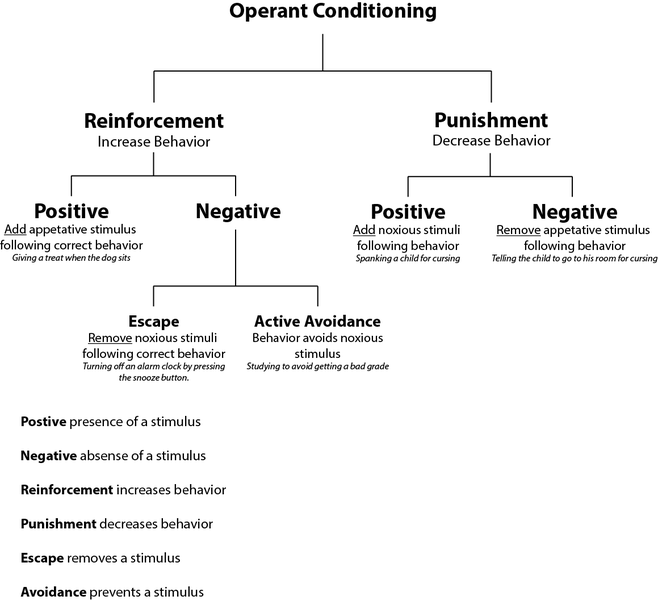
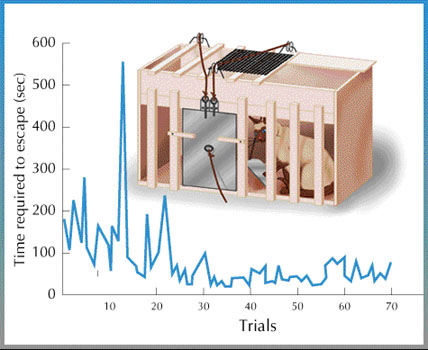
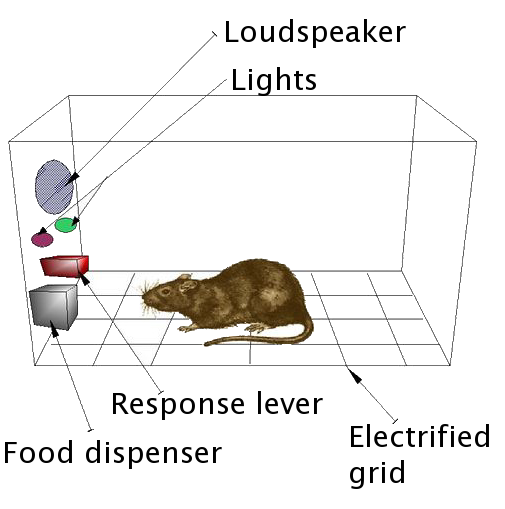
:max_bytes(150000):strip_icc():format(webp)/2795946-the-conscious-and-unconscious-mind-5b180a1c303713003637fa48.png)
 Medicurio