REQUEST AN APPOINTMENT OR BOOK A CONSULANT – Sargam.dange.18@gmail.com
INTRODUCTION-
neumoconiosis is one of a group of interstitial lung disease caused by breathing in certain kinds of dust particles that damage your lungs.
Because you are likely to encounter these dusts only in the workplace, pneumoconiosis is called an occupational lung disease.
Pneumoconiosis usually take years to develop. Because your lungs can’t get rid of all these dust particles, they cause inflammation in your lungs that can eventually lead to scar tissue.
Pneumoconiosis is a lung disease that affects miners, builders, and other workers who breathe in certain kinds of dust on the job.
Over time, the dust gathers in your lungs, and you may find it hard to get enough air.
You may hear other people call pneumoconiosis “black lung disease” or “popcorn lung.” There’s no cure, but treatments can make it easier for you to breathe and go about your regular activities
TYPE-
The disease appears in different forms, depending on the type of dust you inhale. One of the most common forms is black lung disease, also known as miner’s lung. It’s caused by breathing in coal dust. Another is brown lung, which comes from working around dust from cotton or other fibers. Other types of dusts that can cause pneumoconiosis include silica and asbestos. Diacetyl, the compound used to give movie popcorn its buttery flavor, also can lead to the disease. This is known as popcorn lung.
Pneumoconiosis can be simple or complicated. Simple pneumoconiosis causes a small amount of scar tissue. The tissue may appear on an X-ray as round, thickened areas called nodules. This type of the disease is sometimes called coal worker pneumoconiosis, or CWP. Complicated pneumoconiosis is known as progressive massive fibrosis, or PMF. Fibrosis means that a lot of scarring is present in the lungs.
For either simple or complicated pneumoconiosis, the damage causes the loss of blood vessels and air sacs in your lungs. The tissues that surround your air sacs and air passages become thick and stiff from scarring. Breathing becomes increasingly difficult. This condition is called interstitial lung disease.
Types of dust that may cause pneumoconiosis include:
coal dust from drilling into rock when mining
asbestos fibers, often from insulation or roofing
cotton dust, usually from textile manufacturing
silica, often from sand and rock at a foundry
beryllium, a lightweight metal used in electronics and aerospace industries
aluminum oxide, cobalt, and talc
CAUSES-
Pneumoconiosis doesn’t show up overnight. It happens after you’ve spent years in a place where you breathe in fine mineral or chemical dust, such as silica, coal dust, or asbestos. When the specks of dust build up in your lungs, the immune system — your body’s defense against germs — swings into action. It sees the dust particles as invaders and tries to destroy them.
Your lung tissue often gets inflamed during this process. As a result, scar tissue may form in your lungs, just as it would after an injury. Since scar tissue is less stretchy than regular lung tissue, it may become harder for you to take a full, deep breath.
REQUEST AN APPOINTMENT OR BOOK A CONSULANT – Sargam.dange.18@gmail.com
SYMPTOM-
Symptoms of pneumoconiosis often depend on how severe the disease is. Simple CWP may have no or few symptoms and show up only on an X-ray. PMF may cause mild to severe difficulty breathing. Symptoms may include:
Cough
Lots of phlegm
Shortness of breath
DIAGNOSIS-
Many employers offer a routine check for lung diseases, such as a chest X-ray or breathing test, if employees are exposed to harmful dust in the workplace.
If a person has symptoms of pneumoconiosis, a doctor will complete a physical examination and ask about medical history, including whether the person has been exposed to dust particles. A more detailed examination may be carried out by a doctor specializing in the lungs, known as a pulmonologist.
A chest X-ray or CT scan can reveal inflammation, excess fluid, or scarring in the lungs. A test may also be done to check how much oxygen is reaching the blood from the lungs. Sometimes a biopsy may be needed to rule out other diseases.
RISK FACTOR-
There are clear risk factors for pneumoconiosis and a range of jobs that are more likely to bring people into contact with harmful dust.
Some examples of occupations that may bring workers into contact with dust particles that cause pneumoconiosis include:
plumbers, roofers, and builders who work with asbestos
coal miners
textile workers
Working with dust particles does not mean that a person will develop pneumoconiosis. Many steps can be taken to protect workers.
The Occupational Safety and Health Act (OSHA) is a law that instructs employers to make sure that their workplace is “free from recognized hazards,” which includes exposure to harmful dust.
Steps that can be taken to help prevent pneumoconiosis in the workplace include:
keeping levels of dust down
ventilating a workspace properly
providing regular medical examinations
making sure workers wear a face mask and protective clothing
washing hands and face before eating or drinking
Being exposed to high levels of dust or working in unsafe conditions for a long time will increase the risk of pneumoconiosis. Smoking can also make someone more vulnerable to developing the condition.
Who’s at risk
Being exposed to dust that can cause pneumoconiosis, in an everyday setting, is not enough to cause the disease. But you could be at risk if you’ve worked around or directly with these dusts. Studies show that about 16 percent of American coal miners may eventually develop interstitial fibrosis from coal dust. Other dust exposures that may put you at risk include working with asbestos fibers or silica dust. Your risk may also be increased by:
Smoking
Being exposed to a high level of dust
Being exposed for a long time
Complications
The main complication is when simple pneumoconiosis progresses to PMF. These are other possible complications:
Progressive respiratory failure
Lung cancer
Tuberculosis (but this is now rare)
Heart failure caused by pressure inside the lungs
Prevention
REQUEST AN APPOINTMENT OR BOOK A CONSULANT – Sargam.dange.18@gmail.com
Prevention is important because the disease cannot be treated or reversed. The Occupational Safety and Health Administration sets standard prevention rules for workers at risk for pneumoconiosis. These are common prevention measures:
Wearing a mask
Washing areas of skin that come in contact with dust
Safe removal of dust from clothing
Washing your face and hands thoroughly before eating, drinking, or taking any medications
Not smoking
Letting your doctor and your employer know about any symptoms of pneumoconiosis
Getting regular chest X-rays and physical exams
TREATMENT –
There isn’t any treatment that can remove the specks of mineral dust in your lungs. Instead, most treatments try to keep your lungs working.
You may need to stop doing the work that led to your pneumoconiosis. If you’re a smoker, your doctor will recommend you quit to improve your lung health.
Your doctor may prescribe an inhaled medication such as a bronchodilator or corticosteroid. Bronchodilators open up your airways if you have trouble breathing, while corticosteroids can curb airway inflammation.
If your tests show low levels of oxygen in your blood, your doctor may suggest you get “supplemental oxygen therapy.” In this treatment, you breathe in extra oxygen through a mask or prongs in your nose. The oxygen you get this way is stored in a tank or some other kind of device. Some people use this treatment throughout the day, while others may need it only
There isn’t any treatment that can remove the specks of mineral dust in your lungs. Instead, most treatments try to keep your lungs working.
You may need to stop doing the work that led to your pneumoconiosis. If you’re a smoker, your doctor will recommend you quit to improve your lung health.
Your doctor may prescribe an inhaled medication such as a bronchodilator or corticosteroid. Bronchodilators open up your airways if you have trouble breathing, while corticosteroids can curb airway inflammation.
If your tests show low levels of oxygen in your blood, your doctor may suggest you get “supplemental oxygen therapy.” In this treatment, you breathe in extra oxygen through a mask or prongs in your nose. The oxygen you get this way is stored in a tank or some other kind of device. Some people use this treatment throughout the day, while others may need it only
If your tests show low levels of oxygen in your blood, your doctor may suggest you get “supplemental oxygen therapy.” In this treatment, you breathe in extra oxygen through a mask or prongs in your nose. The oxygen you get this way is stored in a tank or some other kind of device. Some people use this treatment throughout the day, while others may need it only at night.
REQUEST AN APPOINTMENT OR BOOK A CONSULANT – Sargam.dange.18@gmail.com
REQUEST AN APPOINTMENT OR BOOK A CONSULANT – Sargam.dange.18@gmail.com
INTRODUCTION-
Tuberculosis (TB) is a potentially serious infectious disease that mainly affects your lungs. The bacteria that cause tuberculosis are spread from one person to another through tiny droplets released into the air via coughs and sneezes.
Once rare in developed countries, tuberculosis infections began increasing in 1985, partly because of the emergence of HIV, the virus that causes AIDS. HIV weakens a person’s immune system so it can’t fight the TB germs. In the United States, because of stronger control programs, tuberculosis began to decrease again in 1993, but remains a concern.
Many strains of tuberculosis resist the drugs most used to treat the disease. People with active tuberculosis must take several types of medications for many months to eradicate the infection and prevent development of antibiotic resistance.
CAUSES-
Tuberculosis is caused by bacteria that spread from person to person through microscopic droplets released into the air. This can happen when someone with the untreated, active form of tuberculosis coughs, speaks, sneezes, spits, laughs or sings.
Although tuberculosis is contagious, it’s not easy to catch. You’re much more likely to get tuberculosis from someone you live with or work with than from a stranger. Most people with active TB who’ve had appropriate drug treatment for at least two weeks are no longer contagious.
HIV and TB
Since the 1980s, the number of cases of tuberculosis has increased dramatically because of the spread of HIV, the virus that causes AIDS. Infection with HIV suppresses the immune system, making it difficult for the body to control TB bacteria. As a result, people with HIV are many times more likely to get TB and to progress from latent to active disease than are people who aren’t HIV positive.
Drug-resistant TB
Another reason tuberculosis remains a major killer is the increase in drug-resistant strains of the bacterium. Since the first antibiotics were used to fight tuberculosis more than 60 years ago, some TB germs have developed the ability to survive despite medications, and that ability gets passed on to their descendants.
Drug-resistant strains of tuberculosis emerge when an antibiotic fails to kill all of the bacteria it targets. The surviving bacteria become resistant to that particular drug and frequently other antibiotics as well. Some TB bacteria have developed resistance to the most commonly used treatments, such as isoniazid and rifampin.
Some strains of TB have also developed resistance to drugs less commonly used in TB treatment, such as the antibiotics known as fluoroquinolones, and injectable medications including amikacin and capreomycin (Capastat). These medications are often used to treat infections that are resistant to the more commonly used drugs.
Tuberculosis Types
A TB infection doesn’t always mean you’ll get sick. There are two forms of the disease:
Latent TB. You have the germs in your body, but your immune system keeps them from spreading. You don’t have any symptoms, and you’re not contagious. But the infection is still alive and can one day become active. If you’re at high risk for re-activation — for instance, if you have HIV, you had an infection in the past 2 years, your chest X-ray is unusual, or your immune system is weakened — your doctor will give you medications to prevent active TB.
Active TB. The germs multiply and make you sick. You can spread the disease to others. Ninety percent of active cases in adults come from a latent TB infection.
A latent or active TB infection can also be drug-resistant, meaning certain medications don’t work against the bacteria.
SYMPTOM-
Although your body may harbor the bacteria that cause tuberculosis (TB), your immune system usually can prevent you from becoming sick. For this reason, doctors make a distinction between:
Latent TB. In this condition, you have a TB infection, but the bacteria remain in your body in an inactive state and cause no symptoms. Latent TB, also called inactive TB or TB infection, isn’t contagious. It can turn into active TB, so treatment is important for the person with latent TB and to help control the spread of TB. An estimated 2 billion people have latent TB.
Active TB. This condition makes you sick and in most cases can spread to others. It can occur in the first few weeks after infection with the TB bacteria, or it might occur years later.
Signs and symptoms of active TB include:
Coughing that lasts three or more weeks
Coughing up blood
Chest pain, or pain with breathing or coughing
Unintentional weight loss
Fatigue
Fever
Night sweats
Chills
Loss of appetite
Tuberculosis can also affect other parts of your body, including your kidneys, spine or brain. When TB occurs outside your lungs, signs and symptoms vary according to the organs involved. For example, tuberculosis of the spine may give you back pain, and tuberculosis in your kidneys might cause blood in your urine.
When to see a doctor
REQUEST AN APPOINTMENT OR BOOK A CONSULANT – Sargam.dange.18@gmail.com
See your doctor if you have a fever, unexplained weight loss, drenching night sweats or a persistent cough. These are often signs of TB, but they can also result from other medical problems. Your doctor can perform tests to help determine the cause.
The Centers for Disease Control and Prevention recommends that people who have an increased risk of tuberculosis be screened for latent TB infection. This recommendation includes people who:
Have HIV/AIDS
Use IV drugs
Are in contact with infected individuals
Are from a country where TB is common, such as several countries in Latin America, Africa and Asia
Live or work in areas where TB is common, such as prisons or nursing homes
Work in health care and treat people with a high risk of TB
Are children and are exposed to adults at risk of TB
Risk factors
Anyone can get tuberculosis, but certain factors can increase your risk of the disease. These factors include:
Weakened immune system
A healthy immune system often successfully fights TB bacteria, but your body can’t mount an effective defense if your resistance is low. A number of diseases, conditions and medications can weaken your immune system, including:
HIV/AIDS
Diabetes
Severe kidney disease
Certain cancers
Cancer treatment, such as chemotherapy
Drugs to prevent rejection of transplanted organs
Some drugs used to treat rheumatoid arthritis, Crohn’s disease and psoriasis
Malnutrition
Very young or advanced age
Traveling or living in certain areas
The risk of contracting tuberculosis is higher for people who live in or travel to areas that have high rates of tuberculosis and drug-resistant tuberculosis, including:
Africa
Eastern Europe
Asia
Russia
Latin America
Caribbean Islands
Poverty and substance use
Lack of medical care. If you receive a low or fixed income, live in a remote area, have recently immigrated to the United States, or are homeless, you may lack access to the medical care needed to diagnose and treat TB.
Substance use. Use of IV drugs or excessive alcohol weakens your immune system and makes you more vulnerable to tuberculosis.
Tobacco use. Using tobacco greatly increases the risk of getting TB and dying of it.
Where you work or live
Health care work. Regular contact with people who are ill increases your chances of exposure to TB bacteria. Wearing a mask and frequent hand-washing greatly reduce your risk.
Living or working in a residential care facility. People who live or work in prisons, homeless shelters, psychiatric hospitals or nursing homes are all at a higher risk of tuberculosis. That’s because the risk of the disease is higher anywhere there is overcrowding and poor ventilation.
Living in or emigrating from a country where TB is common. People from a country where TB is common may be at high risk of tuberculosis infection.
Living with someone infected with TB. Living with someone who has TB increases your risk.
Complications
Without treatment, tuberculosis can be fatal. Untreated active disease typically affects your lungs, but it can spread to other parts of your body through your bloodstream. Examples of tuberculosis complications include:
Spinal pain. Back pain and stiffness are common complications of tuberculosis.
Joint damage. Tuberculous arthritis usually affects the hips and knees.
Swelling of the membranes that cover your brain (meningitis). This can cause a lasting or intermittent headache that occurs for weeks. Mental changes also are possible.
Liver or kidney problems. Your liver and kidneys help filter waste and impurities from your bloodstream. These functions become impaired if the liver or kidneys are affected by tuberculosis.
Heart disorders. Rarely, tuberculosis can infect the tissues that surround your heart, causing inflammation and fluid collections that may interfere with your heart’s ability to pump effectively. This condition, called cardiac tamponade, can be fatal.
REQUEST AN APPOINTMENT OR BOOK A CONSULANT – Sargam.dange.18@gmail.com
Prevention
If you test positive for latent TB infection, your doctor may advise you to take medications to reduce your risk of developing active tuberculosis. The only type of tuberculosis that is contagious is the active variety, when it affects the lungs. So if you can prevent your latent tuberculosis from becoming active, you won’t transmit tuberculosis to anyone else.
Protect your family and friends
If you have active TB, keep your germs to yourself. It generally takes a few weeks of treatment with TB medications before you’re not contagious anymore. Follow these tips to help keep your friends and family from getting sick:
Stay home. Don’t go to work or school or sleep in a room with other people during the first few weeks of treatment for active tuberculosis.
Ventilate the room. Tuberculosis germs spread more easily in small closed spaces where air doesn’t move. If it’s not too cold outdoors, open the windows and use a fan to blow indoor air outside.
Cover your mouth. Use a tissue to cover your mouth anytime you laugh, sneeze or cough. Put the dirty tissue in a bag, seal it and throw it away.
Wear a mask. Wearing a surgical mask when you’re around other people during the first three weeks of treatment may help lessen the risk of transmission.
Finish your entire course of medication
This is the most important step you can take to protect yourself and others from tuberculosis. When you stop treatment early or skip doses, TB bacteria have a chance to develop mutations that allow them to survive the most potent TB drugs. The resulting drug-resistant strains are much more deadly and difficult to treat.
Vaccinations
In countries where tuberculosis is more common, infants often are vaccinated with bacillus Calmette-Guerin (BCG) vaccine because it can prevent severe tuberculosis in children. The BCG vaccine isn’t recommended for general use in the United States because it isn’t very effective in adults. Dozens of new TB vaccines are in various stages of development and testing.
TRANSMISSION-
When someone who has TB coughs, sneezes, talks, laughs, or sings, they release tiny droplets that contain the germs. If you breathe in these germs, you can get it.
TB isn’t easy to catch. You usually have to spend a long time around someone who has a lot of the bacteria in their lungs. You’re most likely to catch it from co-workers, friends, and family members.
Tuberculosis germs don’t thrive on surfaces. You can’t get it from shaking hands with someone who has it or by sharing their food or drink.
Tuberculosis Tests and Diagnosis
There are two common tests for tuberculosis:
Skin test. This is also known as the Mantoux tuberculin skin test. A technician injects a small amount of fluid into the skin of your lower arm. After 2 or 3 days, they’ll check for swelling in your arm. If your results are positive, you probably have TB bacteria. But you could also get a false positive. If you’ve gotten a tuberculosis vaccine called bacillus Calmette-Guerin (BCG), the test could say that you have TB when you really don’t. The results can also be false negative, saying that you don’t have TB when you really do, if you have a very new infection. You might get this test more than once.
Blood test. These tests, also called interferon-gamma release assays (IGRAs), measure the response when TB proteins are mixed with a small amount of your blood.
Those tests don’t tell you if your infection is latent or active. If you get a positive skin or blood test, your doctor will learn which type you have with:
A chest X-ray or CT scan to look for changes in your lungs
Acid-fast bacillus (AFB) tests for TB bacteria in your sputum, the mucus that comes up when you cough
Tuberculosis Treatment
Your treatment will depend on your infection.
If you have latent TB, your doctor will give you medication to kill the bacteria so the infection doesn’t become active. You might get isoniazid, rifapentine, or rifampin, either alone or combined. You’ll have to take the drugs for up to 9 months. If you see any signs of active TB, call your doctor right away.
A combination of medicines also treats active TB. The most common are ethambutol, isoniazid, pyrazinamide, and rifampin. You’ll take them for 6 to 12 months.
If you have drug-resistant TB, your doctor might give you one or more different medicines. You may have to take them for much longer, up to 30 months, and they can cause more side effects.
Whatever kind of infection you have, it’s important to finish taking all of your medications, even when you feel better. If you quit too soon, the bacteria can become resistant to the drugs.
Tuberculosis Medication Side Effects
Like any medication, TB drugs can have side effects–
Common isoniazid side effects include:
Numbness and tingling in your hands and feet
Upset stomach, nausea, and vomiting
Loss of appetite
Weakness
Ethambutol side effects may include:
Chills
Painful or swollen joints
Belly pain, nausea, and vomiting
Loss of appetite
Headache
Confusion
Some pyrazinamide side effects include:
Lack of energy
Nausea and vomiting
Loss of appetite
Muscle or joint pain
Common rifampin side effects include:
Skin rash
Upset stomach, nausea, and vomiting
Diarrhea
Loss of appetite
Inflamed pancreas
Tuberculosis Complications
Tuberculosis infection can cause complications such as:
Joint damage
Lung damage
Infection or damage of your bones, spinal cord, brain, or lymph nodes
Liver or kidney problems
Inflammation of the tissues around your heart
Global commitments and the WHO response
On 26 September 2018, the United Nations (UN) held its first- ever high-level meeting on TB, elevating discussion about the status of the TB epidemic and how to end it to the level of heads of state and government. It followed the first global ministerial conference on TB hosted by WHO and the Russian government in November 2017. The outcome was a political declaration agreed by all UN Member States, in which existing commitments to the Sustainable Development Goals (SDGs) and WHO’s End TB Strategy were reaffirmed, and new ones added.
SDG Target 3.3 includes ending the TB epidemic by 2030. The End TB Strategy defines milestones (for 2020 and 2025) and targets (for 2030 and 2035) for reductions in TB cases and deaths. The targets for 2030 are a 90% reduction in the number of TB deaths and an 80% reduction in the TB incidence rate (new cases per 100 000 population per year) compared with levels in 2015. The milestones for 2020 are a 35% reduction in the number of TB deaths and a 20% reduction in the TB incidence rate. The strategy also includes a 2020 milestone that no TB patients and their households face catastrophic costs as a result of TB disease.
The political declaration of the UN high-level meeting included four new global targets:
treat 40 million people for TB disease in the 5-year period 2018–2022;
reach at least 30 million people with TB preventive treatment for a latent TB infection in the 5-year period 2018–2022;
mobilize at least US$ 13 billion annually for universal access to TB diagnosis, treatment and care by 2022;
mobilize at least US$ 2 billion annually for TB research.
The political declaration also requested the UN Secretary-General, with support from WHO, to provide a report in 2020 to the General Assembly on global and national progress, as the basis for a comprehensive review at a high-level meeting in 2023. The Director-General of WHO was requested to continue to develop a multisectoral accountability framework for TB (MAF-TB) and to ensure its timely implementation.
WHO is working closely with countries, partners and civil society in scaling up
the TB response. Six core functions are being pursued by WHO to contribute to achieving the targets of the UN high-level meeting political declaration, SDGs, End TB Strategy and WHO strategic priorities:
Providing global leadership to end TB through strategy development, political and multisectoral engagement, strengthening review and accountability, advocacy, and partnerships, including with civil society;
Shaping the TB research and innovation agenda and stimulating the generation, translation and dissemination of knowledge;
Setting norms and standards on TB prevention and care and promoting and facilitating their implementation;
Developing and promoting ethical and evidence-based policy options for TB prevention and care;
Ensuring the provision of specialized technical support to Member States and partners jointly with WHO regional and country offices, catalyzing change, and building sustainable capacity;
Monitoring and reporting on the status of the TB epidemic and progress in financing and implementation of the response at global, regional and country levels.
Mycobacterium tuberculosis
Mycobacterium tuberculosis is the etiologic agent of tuberculosis in humans. Humans are the only reservoir for the bacterium.
Mycobacterium bovis is the etiologic agent of TB in cows and rarely in humans. Both cows and humans can serve as reservoirs. Humans can also be infected by the consumption of unpasteurized milk. This route of transmission can lead to the development of extrapulmonary TB, exemplified in history by bone infections that led to hunched backs.
Other human pathogens belonging to the Mycobacterium genus include Mycobacterium avium which causes a TB-like disease especially prevalent in AIDS patients, and Mycobacterium leprae, the causative agent of leprosy.
History and Present Day Importance
Mycobacterium tuberculosis (MTB) was the cause of the “White Plague” of the 17th and 18th centuries in Europe. During this period nearly 100 percent of the European population was infected with MTB, and 25 percent of all adult deaths were caused by MTB (Note: The White Plague is not to be confused with the “Black Plague”, which was caused by Yersinia pestis and occurred about 3 centuries earlier).
General Characteristics
Mycobacterium tuberculosis is a fairly large nonmotile rod-shaped bacterium distantly related to the Actinomycetes. Many non pathogenic mycobacteria are components of the normal flora of humans, found most often in dry and oily locales. The rods are 2-4 micrometers in length and 0.2-0.5 um in width.
Mycobacterium tuberculosis is an obligate aerobe. For this reason, in the classic case of tuberculosis, MTB complexes are always found in the well-aerated upper lobes of the lungs. The bacterium is a facultative intracellular parasite, usually of macrophages, and has a slow generation time, 15-20 hours, a physiological characteristic that may contribute to its virulence.
Two media are used to grow MTB Middlebrook’s medium which is an agar based medium and Lowenstein-Jensen medium which is an egg based medium. MTB colonies are small and buff colored when grown on either medium. Both types of media contain inhibitors to keep contaminants from out-growing MT. It takes 4-6 weeks to get visual colonies on either type of media.
Chains of cells in smears made from in vitro-grown colonies often form distinctive serpentine cords. This observation was first made by Robert Koch who associated cord factor with virulent strains of the bacterium.
MTB is not classified as either Gram-positive or Gram-negative because it does not have the chemical characteristics of either, although the bacteria do contain peptidoglycan (murein) in their cell wall. If a Gram stain is performed on MTB, it stains very weakly Gram-positive or not at all (cells referred to as “ghosts”).
Mycobacterium species, along with members of a related genus Nocardia, are classified as acid-fast bacteria due to their impermeability by certain dyes and stains. Despite this, once stained, acid-fast bacteria will retain dyes when heated and treated with acidified organic compounds. One acid-fast staining method for Mycobacterium tuberculosis is the Ziehl-Neelsen stain. When this method is used, the MTB. smear is fixed, stained with carbol-fuchsin (a pink dye), and decolorized with acid-alcohol. The smear is counterstained with methylene-blue or certain other dyes. Acid-fast bacilli appear pink in a contrasting background.
In order to detect Mycobacterium tuberculosis in a sputum sample, an excess of 10,000 organisms per ml of sputum are needed to visualize the bacilli with a 100X microscope objective (1000X mag). One acid-fast bacillus/slide is regarded as “suspicious” of an MTB infection.
The Disease Tuberculosis
TB infection means that MTB is in the body, but the immune system is keeping the bacteria under control. The immune system does this by producing macrophages that surround the tubercle bacilli. The cells form a hard shell that keeps the bacilli contained and under control. Most people with TB infection have a positive reaction to the tuberculin skin test. People who have TB infection but not TB disease are NOT infectious, i.e., they cannot spread the infection to other people. These people usually have a normal chest x-ray. TB infection is not considered a case of TB disease. Major similarities and differences between TB infection and TB disease are given in the table below. Tuberculosis: Infection vs Disease
TB Infection
TB disease in lungs
MTB present
MTB present
Tuberculin skin test positive
Tuberculin skin test positive
Chest X-ray normal
Chest X-ray usually reveals lesion
Sputum smears and cultures negative
Sputum smears and cultures positive
No symptoms
Symptoms such as cough, fever, weight loss
Not infectious
Often infectious before treatment
Not defined as a case of TB
Defined as a case of TB
Predisposing factors for TB infection include: – Close contact with large populations of people, i.e., schools, nursing homes, dormitories, prisons, etc. – Poor nutrition – iv drug use – Alcoholism – HIV infection is the #1 predisposing factor for MTB infection. 10 percent of all HIV-positive individuals harbor MTB. This is 400-times the rate associated with the general public
Only 3-4% of infected individuals will develop active disease upon initial infection, 5-10% within one year. These percentages are much higher if the individual is HIV+.
REQUEST AN APPOINTMENT OR BOOK A CONSULANT – Sargam.dange.18@gmail.com
REQUEST AN APPOINTMENT OR BOOK A CONSULANT – Sargam.dange.18@gmail.com
Chronic obstructive pulmonary disease (COPD) is a chronic inflammatory lung disease that causes obstructed airflow from the lungs. Symptoms include breathing difficulty, cough, mucus (sputum) production and wheezing. It’s typically caused by long-term exposure to irritating gases or particulate matter, most often from cigarette smoke. People with COPD are at increased risk of developing heart disease, lung cancer and a variety of other conditions.
Emphysema and chronic bronchitis are the two most common conditions that contribute to COPD. These two conditions usually occur together and can vary in severity among individuals with COPD.
Chronic bronchitis is inflammation of the lining of the bronchial tubes, which carry air to and from the air sacs (alveoli) of the lungs. It’s characterized by daily cough and mucus (sputum) production.
Emphysema is a condition in which the alveoli at the end of the smallest air passages (bronchioles) of the lungs are destroyed as a result of damaging exposure to cigarette smoke and other irritating gases and particulate matter.
Although COPD is a progressive disease that gets worse over time, COPD is treatable. With proper management, most people with COPD can achieve good symptom control and quality of life, as well as reduced risk of other associated conditions.
CAUSES-
In developed countries like the United States, the single biggest cause of COPD is cigarette smoking. About 90 percent of people who have COPD are smokers or former smokers.
Among long-time smokers, 20 to 30 percent develop COPD. Many others develop lung conditions or have reduced lung function.
Most people with COPD are at least 40 years old and have at least some history of smoking. The longer and more tobacco products you smoke, the greater your risk of COPD is. In addition to cigarette smoke, cigar smoke, pipe smoke, and secondhand smoke can cause COPD.
Your risk of COPD is even greater if you have asthma and smoke.
You can also develop COPD if you’re exposed to chemicals and fumes in the workplace. Long-term exposure to air pollution and inhaling dust can also cause COPD.
In developing countries, along with tobacco smoke, homes are often poorly ventilated, forcing families to breathe fumes from burning fuel used for cooking and heating.
There may be a genetic predisposition to developing COPD. Up to an estimated 5 percent of people with COPD have a deficiency in a protein called alpha-1-antitrypsin. This deficiency causes the lungs to deteriorate and also can affect the liver. There may be other associated genetic factors at play as well.
COPD isn’t contagious.
SYMPTOMS-
COPD makes it harder to breathe. Symptoms may be mild at first, beginning with intermittent coughing and shortness of breath. As it progresses, symptoms can become more constant to where it can become increasingly difficult to breathe.
You may experience wheezing and tightness in the chest or have excess sputum production. Some people with COPD have acute exacerbations, which are flare-ups of severe symptoms.
At first, symptoms of COPD can be quite mild. You might mistake them for a cold.
Early symptoms include:
occasional shortness of breath, especially after exercise
mild but recurrent cough
needing to clear your throat often, especially first thing in the morning
You might start making subtle changes, such as avoiding stairs and skipping physical activities.
Symptoms can get progressively worse and harder to ignore. As the lungs become more damaged, you may experience:
shortness of breath, after even mild exercise such as walking up a flight of stairs
wheezing, which is a type of higher pitched noisy breathing, especially during exhalations
chest tightness
chronic cough, with or without mucus
need to clear mucus from your lungs every day
frequent colds, flu, or other respiratory infections
lack of energy
In later stages of COPD, symptoms may also include:
fatigue
swelling of the feet, ankles, or legs
weight loss
Immediate medical care is needed if:
you have bluish or gray fingernails or lips, as this indicates low oxygen levels in your blood
you have trouble catching your breath or cannot talk
you feel confused, muddled, or faint
your heart is racing
Symptoms are likely to be much worse if you currently smoke or are regularly exposed to secondhand smoke.
When to see a doctor
REQUEST AN APPOINTMENT OR BOOK A CONSULANT – Sargam.dange.18@gmail.com
Talk to your doctor if your symptoms are not improving with treatment or getting worse, or if you notice symptoms of an infection, such as fever or a change in sputum.
Seek immediate medical care if you can’t catch your breath, if you experience severe blueness of your lips or fingernail beds (cyanosis) or a rapid heartbeat, or if you feel foggy and have trouble concentrating.
Risk factors
Risk factors for COPD include:
Exposure to tobacco smoke. The most significant risk factor for COPD is long-term cigarette smoking. The more years you smoke and the more packs you smoke, the greater your risk. Pipe smokers, cigar smokers and marijuana smokers also may be at risk, as well as people exposed to large amounts of secondhand smoke.
People with asthma. Asthma, a chronic inflammatory airway disease, may be a risk factor for developing COPD. The combination of asthma and smoking increases the risk of COPD even more.
Occupational exposure to dusts and chemicals. Long-term exposure to chemical fumes, vapors and dusts in the workplace can irritate and inflame your lungs.
Exposure to fumes from burning fuel. In the developing world, people exposed to fumes from burning fuel for cooking and heating in poorly ventilated homes are at higher risk of developing COPD.
Genetics. The uncommon genetic disorder alpha-1-antitrypsin deficiency is the cause of some cases of COPD. Other genetic factors likely make certain smokers more susceptible to the disease.
Complications
COPD can cause many complications, including:
Respiratory infections. People with COPD are more likely to catch colds, the flu and pneumonia. Any respiratory infection can make it much more difficult to breathe and could cause further damage to lung tissue.
Heart problems. For reasons that aren’t fully understood, COPD can increase your risk of heart disease, including heart attack
Lung cancer. People with COPD have a higher risk of developing lung cancer.
High blood pressure in lung arteries. COPD may cause high blood pressure in the arteries that bring blood to your lungs (pulmonary hypertension).
Depression. Difficulty breathing can keep you from doing activities that you enjoy. And dealing with serious illness can contribute to the development of depression.
REQUEST AN APPOINTMENT OR BOOK A CONSULANT – Sargam.dange.18@gmail.com
Prevention
Unlike some diseases, COPD typically has a clear cause and a clear path of prevention, and there are ways to slow the progression of the disease. The majority of cases are directly related to cigarette smoking, and the best way to prevent COPD is to never smoke — or to stop smoking now.
If you’re a longtime smoker, these simple statements may not seem so simple, especially if you’ve tried quitting — once, twice or many times before. But keep trying to quit. It’s critical to find a tobacco cessation program that can help you quit for good. It’s your best chance for reducing damage to your lungs.
Occupational exposure to chemical fumes and dusts is another risk factor for COPD. If you work with these types of lung irritants, talk to your supervisor about the best ways to protect yourself, such as using respiratory protective equipment.
Here are some steps you can take to help prevent complications associated with COPD:
Quit smoking to help reduce your risk of heart disease and lung cancer.
Get an annual flu vaccination and regular vaccination against pneumococcal pneumonia to reduce your risk of or prevent some infections.
Talk to your doctor if you feel sad or helpless or think that you may be experiencing depression.
TREATMENT
Treatment can ease symptoms, prevent complications, and generally slow disease progression. Your healthcare team may include a lung specialist (pulmonologist) and physical and respiratory therapists.
Medication
Bronchodilators are medications that help relax the muscles of the airways, widening the airways so you can breathe easier. They’re usually taken through an inhaler or a nebulizer. Glucocorticosteroids can be added to reduce inflammation in the airways.
To lower risk of other respiratory infections, ask your doctor if you should get a yearly flu shot, pneumococcal vaccine, and a tetanus booster that includes protection from pertussis (whooping cough).
Oxygen therapy
If your blood oxygen level is too low, you can receive supplemental oxygen through a mask or nasal cannula to help you breathe better. A portable unit can make it easier to get around.
Surgery
Surgery is reserved for severe COPD or when other treatments have failed, which is more likely when you have a form of severe emphysema.
One type of surgery is called bullectomy. During this procedure, surgeons remove large, abnormal air spaces (bullae) from the lungs.
Another is lung volume reduction surgery, which removes damaged upper lung tissue.
Lung transplantation is an option in some cases.
Lifestyle changes
Certain lifestyle changes may also help alleviate your symptoms or provide relief.
If you smoke, quit. Your doctor can recommend appropriate products or support services.
Whenever possible, avoid secondhand smoke and chemical fumes.
Get the nutrition your body needs. Work with your doctor or dietician to create a healthy eating plan.
Talk to your doctor about how much exercise is safe for you.
Medications for COPD
Medications can reduce symptoms and cut down on flare-ups. It may take some trial and error to find the medication and dosage that works best for you. These are some of your options:
Inhaled bronchodilators
Medicines called bronchodilators help loosen tight muscles of your airways. They’re typically taken through an inhaler or nebulizer.
Short-acting bronchodilators last from four to six hours. You only use them when you need them. For ongoing symptoms, there are long-acting versions you can use every day. They last about 12 hours.
Some bronchodilators are selective beta-2-agonists, and others are anticholinergics. These bronchodilators work by relaxing tightened muscles of the airways, which widens your airways for better air passage. They also help your body clear mucus from the lungs. These two types of bronchodilators can be taken separately or in combination by inhaler or with a nebulizer.
Corticosteroids
Long-acting bronchodilators are commonly combined with inhaled glucocorticosteroids. A glucocorticosteroid can reduce inflammation in the airways and lower mucus production. The long-acting bronchodilator can relax the airway muscle to help the airways stay wider. Corticosteroids are also available in pill form.
Phosphodiesterase-4 inhibitors
This type of medication can be taken in pill form to help reduce inflammation and relax the airways. It’s generally prescribed for severe COPD with chronic bronchitis.
Theophylline
This medication eases chest tightness and shortness of breath. It may also help prevent flare-ups. It’s available in pill form. Theophylline is an older medication that relaxes the muscle of the airways, and it may cause side effects. It’s generally not a first-line treatment for COPD therapy.
Antibiotics and antivirals
Antibiotics or antivirals may be prescribed when you develop certain respiratory infections.
Vaccines
COPD increases your risk of other respiratory problems. For that reason, your doctor might recommend that you get a yearly flu shot, the pneumococcal vaccine, or the whooping cough vaccine
REQUEST AN APPOINTMENT OR BOOK A CONSULANT – Sargam.dange.18@gmail.com
REQUEST AN APPOINTMENT OR BOOK A CONSULANT – Sargam.dange.18@gmail.com
INTRODUCTION-
Pneumonia is an infection that inflames the air sacs in one or both lungs. The air sacs may fill with fluid or pus (purulent material), causing cough with phlegm or pus, fever, chills, and difficulty breathing. A variety of organisms, including bacteria, viruses and fungi, can cause pneumonia.
Pneumonia can range in seriousness from mild to life-threatening. It is most serious for infants and young children, people older than age 65, and people with health problems or weakened immune systems.
Pneumonia is a lung infection that can range from mild to so severe that you have to go to the hospital.
It happens when an infection causes the air sacs in your lungs (your doctor will call them alveoli) to fill with fluid or pus. That can make it hard for you to breathe in enough oxygen to reach your bloodstream.
Anyone can get this lung infection. But infants younger than age 2 and people over age 65 are at higher risk. That’s because their immune systems might not be strong enough to fight it.
You can get pneumonia in one or both lungs. You can also have it and not know it. Doctors call this walking pneumonia. Causes include bacteria, viruses, and fungi. If your pneumonia results from bacteria or a virus, you can spread it to someone else.
Lifestyle habits, like smoking cigarettes and drinking too much alcohol, can also raise your chances of getting pneumonia.
CAUSES-
Many germs can cause pneumonia. The most common are bacteria and viruses in the air we breathe. Your body usually prevents these germs from infecting your lungs. But sometimes these germs can overpower your immune system, even if your health is generally good.
Pneumonia is classified according to the types of germs that cause it and where you got the infection.
Community-acquired pneumonia
Community-acquired pneumonia is the most common type of pneumonia. It occurs outside of hospitals or other health care facilities. It may be caused by:
Bacteria. The most common cause of bacterial pneumonia in the U.S. is Streptococcus pneumoniae. This type of pneumonia can occur on its own or after you’ve had a cold or the flu. It may affect one part (lobe) of the lung, a condition called lobar pneumonia.
Bacteria-like organisms. Mycoplasma pneumoniae also can cause pneumonia. It typically produces milder symptoms than do other types of pneumonia. Walking pneumonia is an informal name given to this type of pneumonia, which typically isn’t severe enough to require bed rest.
Fungi. This type of pneumonia is most common in people with chronic health problems or weakened immune systems, and in people who have inhaled large doses of the organisms. The fungi that cause it can be found in soil or bird droppings and vary depending upon geographic location.
Viruses, including COVID-19. Some of the viruses that cause colds and the flu can cause pneumonia. Viruses are the most common cause of pneumonia in children younger than 5 years. Viral pneumonia is usually mild. But in some cases it can become very serious. Coronavirus 2019 (COVID-19) may cause pneumonia, which can become severe.
Hospital-acquired pneumonia
Some people catch pneumonia during a hospital stay for another illness. Hospital-acquired pneumonia can be serious because the bacteria causing it may be more resistant to antibiotics and because the people who get it are already sick. People who are on breathing machines (ventilators), often used in intensive care units, are at higher risk of this type of pneumonia.
Health care-acquired pneumonia
Health care-acquired pneumonia is a bacterial infection that occurs in people who live in long-term care facilities or who receive care in outpatient clinics, including kidney dialysis centers. Like hospital-acquired pneumonia, health care-acquired pneumonia can be caused by bacteria that are more resistant to antibiotics.
Aspiration pneumonia
Aspiration pneumonia occurs when you inhale food, drink, vomit or saliva into your lungs. Aspiration is more likely if something disturbs your normal gag reflex, such as a brain injury or swallowing problem, or excessive use of alcohol or drug.
There are several types of infectious agents that can cause pneumonia.
Bacterial pneumonia
The most common cause of bacterial pneumonia is Streptococcus pneumoniae. Other causes include:
Mycoplasma pneumoniae
Haemophilus influenzae
Legionella pneumophila
Viral pneumonia
Respiratory viruses are often the cause of pneumonia. Some examples include:
influenza (flu)
respiratory syncytial virus (RSV)
rhinoviruses (common cold)
Viral pneumonia is usually milder and can improve in one to three weeks without treatment.
Fungal pneumonia
Fungi from soil or bird droppings can cause pneumonia. They most often cause pneumonia in people with weakened immune systems. Examples of fungi that can cause pneumonia include:
Pneumocystis jirovecii
Cryptococcus species
Histoplasmosis species
Types of pneumonia
REQUEST AN APPOINTMENT OR BOOK A CONSULANT – Sargam.dange.18@gmail.com
Pneumonia can also be classified according to where or how it was acquired.
Hospital-acquired pneumonia (HAP)
This type of bacterial pneumonia is acquired during a hospital stay. It can be more serious than other types, as the bacteria involved may be more resistant to antibiotics.
Community-acquired pneumonia (CAP)
Community-acquired pneumonia (CAP) refers to pneumonia that’s acquired outside of a medical or institutional setting.
Ventilator-associated pneumonia (VAP)
When people who are using a ventilator get pneumonia, it’s called VAP.
Aspiration pneumonia
Aspiration pneumonia happens when you inhale bacteria into your lungs from food, drink, or saliva. This type is more likely to occur if you have a swallowing problem or if you’re too sedate from the use of medications, alcohol, or other drugs.
SYMPTOM
REQUEST AN APPOINTMENT OR BOOK A CONSULANT – Sargam.dange.18@gmail.com
The signs and symptoms of pneumonia vary from mild to severe, depending on factors such as the type of germ causing the infection, and your age and overall health. Mild signs and symptoms often are similar to those of a cold or flu, but they last longer.
Signs and symptoms of pneumonia may include:
Chest pain when you breathe or cough
Confusion or changes in mental awareness (in adults age 65 and older)
Cough, which may produce phlegm
Fatigue
Fever, sweating and shaking chills
Lower than normal body temperature (in adults older than age 65 and people with weak immune systems)
Nausea, vomiting or diarrhea
Shortness of breath
Newborns and infants may not show any sign of the infection. Or they may vomit, have a fever and cough, appear restless or tired and without energy, or have difficulty breathing and eating.
DIAGNOSIS-
Your doctor will start with questions about your symptoms and your medical history, like whether you smoke and whether you’ve been around sick people at home, school, or work. Then, they’ll listen to your lungs. If you have pneumonia, they might hear cracking, bubbling, or rumbling sounds when you breathe in.
If your doctor thinks you might have pneumonia, they’ll probably give you tests, including:
Blood tests to look for signs of a bacterial infection
A chest X-ray to find the infection in your lungs and how far it’s spread
Pulse oximetry to measure the level of oxygen in your blood
A sputum test to check the fluid in your lungs for the cause of an infection
If your symptoms started in the hospital or you have other health problems, your doctor might give you more tests, such as:
An arterial blood gas test to measure the oxygen in a small amount of blood taken from one of your arteries
Bronchoscopy to check your airways for blockages or other problems
A CT scan to get a more detailed image of your lungs
A pleural fluid culture, in which the doctor removes a small amount of fluid from the tissues around your lungs to look for bacteria that might cause pneumonia.
When to see a doctor
REQUEST AN APPOINTMENT OR BOOK A CONSULANT – Sargam.dange.18@gmail.com
See your doctor if you have difficulty breathing, chest pain, persistent fever of 102 F (39 C) or higher, or persistent cough, especially if you’re coughing up pus.
It’s especially important that people in these high-risk groups see a doctor:
Adults older than age 65
Children younger than age 2 with signs and symptoms
People with an underlying health condition or weakened immune system
People receiving chemotherapy or taking medication that suppresses the immune system
For some older adults and people with heart failure or chronic lung problems, pneumonia can quickly become a life-threatening condition.
Risk factors
Pneumonia can affect anyone. But the two age groups at highest risk are:
Children who are 2 years old or younger
People who are age 65 or older
Other risk factors include:
Being hospitalized. You’re at greater risk of pneumonia if you’re in a hospital intensive care unit, especially if you’re on a machine that helps you breathe (a ventilator).
Chronic disease. You’re more likely to get pneumonia if you have asthma, chronic obstructive pulmonary disease (COPD) or heart disease.
Smoking. Smoking damages your body’s natural defenses against the bacteria and viruses that cause pneumonia.
Weakened or suppressed immune system. People who have HIV/AIDS, who’ve had an organ transplant, or who receive chemotherapy or long-term steroids are at risk.
Complications
Even with treatment, some people with pneumonia, especially those in high-risk groups, may experience complications, including:
Bacteria in the bloodstream (bacteremia). Bacteria that enter the bloodstream from your lungs can spread the infection to other organs, potentially causing organ failure.
Difficulty breathing. If your pneumonia is severe or you have chronic underlying lung diseases, you may have trouble breathing in enough oxygen. You may need to be hospitalized and use a breathing machine (ventilator) while your lung heals.
Fluid accumulation around the lungs (pleural effusion). Pneumonia may cause fluid to build up in the thin space between layers of tissue that line the lungs and chest cavity (pleura). If the fluid becomes infected, you may need to have it drained through a chest tube or removed with surgery.
Lung abscess. An abscess occurs if pus forms in a cavity in the lung. An abscess is usually treated with antibiotics. Sometimes, surgery or drainage with a long needle or tube placed into the abscess is needed to remove the pus.
Prevention
To help prevent pneumonia:
Get vaccinated. Vaccines are available to prevent some types of pneumonia and the flu. Talk with your doctor about getting these shots. The vaccination guidelines have changed over time so make sure to review your vaccination status with your doctor even if you recall previously receiving a pneumonia vaccine.
Make sure children get vaccinated. Doctors recommend a different pneumonia vaccine for children younger than age 2 and for children ages 2 to 5 years who are at particular risk of pneumococcal disease. Children who attend a group child care center should also get the vaccine. Doctors also recommend flu shots for children older than 6 months.
Practice good hygiene. To protect yourself against respiratory infections that sometimes lead to pneumonia, wash your hands regularly or use an alcohol-based hand sanitizer.
Don’t smoke. Smoking damages your lungs’ natural defenses against respiratory infections.
Keep your immune system strong. Get enough sleep, exercise regularly and eat a healthy diet.
REQUEST AN APPOINTMENT OR BOOK A CONSULANT – Sargam.dange.18@gmail.com
TREATMENT
Your doctor can tell you which treatment is right for you.
If you have bacterial pneumonia, you’ll get antibiotics. Make sure you take all of the medicine your doctor gives you, even if you start to feel better before you’re through with it.
If you have viral pneumonia, antibiotics won’t help. You’ll need to rest, drink a lot of fluids, and take medicine for your fever.
If your symptoms are severe or if you have other conditions that make you more likely to have complications, your doctor may send you to the hospital.
With any kind of pneumonia, recovery will take time. You’re going to need lots of rest. You might need a week off your usual routines, and you could still feel tired for a month.
REQUEST AN APPOINTMENT OR BOOK A CONSULANT – Sargam.dange.18@gmail.com
REQUEST AN APPOINTMENT OR BOOK A CONSULANT – Sargam.dange.18@gmail.com
INTRODUCTION-
Rheumatic heart disease is a condition in which the heart valves have been permanently damaged by rheumatic fever. The heart valve damage may start shortly after untreated or under-treated streptococcal infection such as strep throat or scarlet fever. An immune response causes an inflammatory condition in the body which can result in on-going valve damage.
Rheumatic heart disease is a condition where the heart valves have been permanently damaged by rheumatic fever. The heart valve damage may start shortly after untreated or under-treated streptococcal infection such as strep throat or scarlet fever. An immune response causes an inflammatory condition in the body. This can result in ongoing valve damage.
CAUSES-
heumatic heart disease is caused by rheumatic fever. This is an inflammatory disease that can affect many connective tissues, especially in the heart, joints, skin, or brain. The heart valves can be inflamed and become scarred over time. This can result in narrowing or leaking of the heart valve. This makes it harder for the heart to work normally. This may take years to develop and can lead to heart failure. Rheumatic fever can occur at any age. But it often occurs in children ages 5 to 15. It’s rare in developed countries like the U.S.
SYMPTOM-
A recent history of strep infection or rheumatic fever is key to the diagnosis of rheumatic heart disease. Symptoms of rheumatic fever vary and typically begin 1 to 6 weeks after a bout of strep throat. In some cases, the infection may have been too mild to have been recognized, or it may be gone by the time the person sees a doctor.
These are the most common symptoms of rheumatic fever:
Fever
Swollen, tender, red and extremely painful joints — particularly the knees and ankles
Nodules (lumps under the skin)
Red, raised, lattice-like rash, usually on the chest, back, and abdomen
Shortness of breath and chest discomfort
Uncontrolled movements of arms, legs, or facial muscles
Weakness
Symptoms of rheumatic heart disease depend on the degree of valve damage and may include:
Shortness of breath (especially with activity or when lying down)
Chest pain
Swelling
DIAGNOSIS-
People with rheumatic heart disease will have or recently had a strep infection. A throat culture or blood test may be used to check for strep.
They may have a murmur or rub that may be heard during a routine physical exam. The murmur is caused by the blood leaking around the damages valve. The rub is caused when the inflamed heart tissues move or rub against each other.
Along with a complete health history and physical exam, tests used to diagnose rheumatic heart disease may include:
Echocardiogram (echo). This test uses sound waves to check the heart’s chambers and valves. The echo sound waves create a picture on a screen as a handheld ultrasound probe (transducer) is passed over the skin over the heart. Echo can show damage to the valve flaps, backflow of blood through a leaky valve, fluid around the heart, and heart enlargement. It’s the most useful test for diagnosing heart valve problems. For more in-depth pictures you may be given sedation and the probe is put into the throat (transesophageal echo or TEE).
Electrocardiogram (ECG). This test records the strength and timing of the heart’s electrical activity. It shows abnormal rhythms (arrhythmias or dysrhythmias). And it can sometimes find heart muscle damage. Small sensors are taped to your skin to pick up the electrical activity.
Chest X-ray. An X-ray may be done to check your lungs and see if your heart is enlarged.
Cardiac MRI. This is an imaging test that takes detailed pictures of the heart. It may be used to get a more exact look at the heart valves and heart muscle.
Blood tests. Certain blood tests may be used to look for infection and inflammation.
RISK FACTOR-
Untreated or under-treated strep infections can increase the risk for rheumatic heart disease. Children who get repeated strep throat infections are at the most risk for rheumatic fever and rheumatic heart disease.
COMPLICATION –
Some complications of rheumatic heart disease include:
Heart failure. This can occur from either a severely narrowed or leaking heart valve.
Bacterial endocarditis. This is an infection of the inner lining of the heart, and may occur when rheumatic fever has damaged the heart valves.
Complications of pregnancy and delivery due to heart damage. Women with rheumatic heart disease should discuss their condition with their healthcare provider before getting pregnant.
Ruptured heart valve. This is a medical emergency that must be treated with surgery to replace or repair the heart valve.
REQUEST AN APPOINTMENT OR BOOK A CONSULANT – Sargam.dange.18@gmail.com
PREVENTION-
Rheumatic heart disease can be prevented by preventing strep infections. Or by treating them with antibiotics when they do occur. It’s important to take antibiotics as prescribed. Always finish taking them as instructed, even if you feel better after a few days.
TREATMENT
Treatment depends in large part on how much damage has been done to the heart valves. In severe cases, treatment may include surgery to replace or repair a badly damaged valve.
The best treatment is to prevent rheumatic fever. Antibiotics can usually treat strep infections and keep rheumatic fever from developing. Anti-inflammatory drugs may be used to reduce inflammation and lower the risk of heart damage. Other medicines may be needed to manage heart failure.
People who have had rheumatic fever are often given daily or monthly antibiotic treatments, possibly for life, to prevent recurrent infections and lower the risk of further heart damage. To reduce inflammation, aspirin, steroids, or non-steroidal medicines may be given.
PHYSICAL THERAPY
REQUEST AN APPOINTMENT OR BOOK A CONSULANT – Sargam.dange.18@gmail.com
Medical rehabilitation, including physical and occupational therapy, can help you do daily activities while managing a rheumatic condition. A rehabilitation program tailored to your condition and needs allows you improve your strength and flexibility and the movement of your joints and muscles – all with less pain and stiffness. Such a program will not cure a rheumatic condition, but it can help you become better able to function and more independent.
Anyone who is experiencing pain, spasms, swelling or stiffness that is reducing the ability to function, the range of motion, strength or endurance, should consult a rehabilitation therapist. Seeing a physical or occupational therapist with special training in treating rheumatic diseases can be particularly helpful.
An appropriate rehabilitation program is essential for almost all persons with rheumatic diseases. It is most effective for conditions that involve the muscles or joints. The rheumatologists at Cedars-Sinai are well versed in the type of rehabilitation programs available and which ones best suit each patient and his or her condition.
A consultation with a rehabilitation therapist usually begins with an examination that will include:
Touching or manipulating muscles that are having spasms
Assessing range of movement, flexibility and strength
Analyzing movement and gait
In the first stage of rehabilitation, tender areas of the body are treated with massage, stretching or other approaches as needed. This will be followed with a specific, individualized home program consisting of stretching, strength building, movement re-education and self-management of pain and swelling. You will also learn how to maintain good posture and use your body safely. Group programs can help you cope physically, emotionally and mentally with your condition, giving you a better sense of control and more confidence in your ability to function and lead a full, active life.
Occupational therapy can help you do daily activities without putting unnecessary strain on joints or causing you to become tired.
Physical therapy can help you maintain your strength and flexibility, help reduce pain and keep your mobility at its maximum. Physical therapy can also help reduce stiffness in joints.Rheumatic fever is the principal cause of heart disease from childhood well into adult life, but most persons with chronic rheumatic heart disease can be helped to enjoy productive lives by adequate total rehabilitation. The majority can be employed without any special concessions, after proper orientation and training, by matching the person’s mental and physical capacities with the requirements of the proposed job. Orientation and education of the patient and his family will help to produce a favorable environment free from undue tensions, so that a therapeutic balance between work, play, and rest can be achieved.
Aquatic therapy may be especially helpful to people who suffer with arthritis. Warm water helps to loosen tight joints and muscles while the resistance of the water improves muscle strength.
In some cases, physical therapy may involve splinting an area to keep it stable, applying moist heat or ice to reduce swelling and tenderness or exercise to strengthen muscles that protect a joint or enhance your ability to move and do daily activities.
REQUEST AN APPOINTMENT OR BOOK A CONSULANT – Sargam.dange.18@gmail.com
REQUEST AN APPOINTMENT OR BOOK A CONSULANT – Sargam.dange.18@gmail.com
INTRODUCTION-
Heart failure is characterized by the heart’s inability to pump an adequate supply of blood to the body. Without sufficient blood flow, all major body functions are disrupted. Heart failure is a condition or a collection of symptoms that weaken your heart.
In some people with heart failure, the heart has difficulty pumping enough blood to support other organs in the body. Other people may have a hardening and stiffening of the heart muscle itself, which blocks or reduces blood flow to the heart.
Heart failure can affect the right or left side of your heart, or both at the same time. It can be either an acute (short-term) or chronic (ongoing) condition.
In acute heart failure, the symptoms appear suddenly but go away fairly quickly. This condition often occurs after a heart attack. It may also be a result of a problem with the heart valves that control the flow of blood in the heart.
In chronic heart failure, however, symptoms are continuous and don’t improve over time. The vast majority of heart failure cases are chronic.
About 5.7 million Americans have heart failure, according to the Centers for Disease Control and Prevention. Most of these people are men. However, women are more likely to die from heart failure when the condition goes untreated.
Heart failure is a serious medical condition that requires treatment. Early treatment increases your chances of long-term recovery with fewer complications. Call your doctor right away if you’re having any symptoms of heart failure.
Heart failure, sometimes known as congestive heart failure, occurs when your heart muscle doesn’t pump blood as well as it should. Certain conditions, such as narrowed arteries in your heart (coronary artery disease) or high blood pressure, gradually leave your heart too weak or stiff to fill and pump efficiently.
Not all conditions that lead to heart failure can be reversed, but treatments can improve the signs and symptoms of heart failure and help you live longer. Lifestyle changes — such as exercising, reducing sodium in your diet, managing stress and losing weight — can improve your quality of life.
One way to prevent heart failure is to prevent and control conditions that cause heart failure, such as coronary artery disease, high blood pressure, diabetes or obesity.
CAUSES-
Heart failure is most often related to another disease or illness. The most common cause of heart failure is coronary artery disease (CAD), a disorder that causes narrowing of the arteries that supply blood and oxygen to the heart. Other conditions that may increase your risk for developing heart failure include:
cardiomyopathy, a disorder of the heart muscle that causes the heart to become weak
a congenital heart defect
a heart attack
heart valve disease
certain types of arrhythmias, or irregular heart rhythms
high blood pressure
emphysema, a disease of the lung
diabetes
an overactive or underactive thyroid
HIV
AIDS
severe forms of anemia
certain cancer treatments, such as chemotherapy
drug or alcohol misuse
Heart failure often develops after other conditions have damaged or weakened your heart. However, the heart doesn’t need to be weakened to cause heart failure. It can also occur if the heart becomes too stiff.
In heart failure, the main pumping chambers of your heart (the ventricles) may become stiff and not fill properly between beats. In some cases of heart failure, your heart muscle may become damaged and weakened, and the ventricles stretch (dilate) to the point that the heart can’t pump blood efficiently throughout your body.
Over time, the heart can no longer keep up with the normal demands placed on it to pump blood to the rest of your body.
An ejection fraction is an important measurement of how well your heart is pumping and is used to help classify heart failure and guide treatment. In a healthy heart, the ejection fraction is 50 percent or higher — meaning that more than half of the blood that fills the ventricle is pumped out with each beat.
But heart failure can occur even with a normal ejection fraction. This happens if the heart muscle becomes stiff from conditions such as high blood pressure.
Heart failure can involve the left side (left ventricle), right side (right ventricle) or both sides of your heart. Generally, heart failure begins with the left side, specifically the left ventricle — your heart’s main pumping chamber.
REQUEST AN APPOINTMENT OR BOOK A CONSULANT – Sargam.dange.18@gmail.com
TYPES-
Type of heart failure
Description
Left-sided heart failure
Fluid may back up in your lungs, causing shortness of breath.
Right-sided heart failure
Fluid may back up into your abdomen, legs and feet, causing swelling.
Systolic heart failure
The left ventricle can’t contract vigorously, indicating a pumping problem.
Diastolic heart failure (also called heart failure with preserved ejection fraction)
The left ventricle can’t relax or fill fully, indicating a filling problem.
Any of the following conditions can damage or weaken your heart and can cause heart failure. Some of these can be present without your knowing it:
Coronary artery disease and heart attack. Coronary artery disease is the most common form of heart disease and the most common cause of heart failure. The disease results from the buildup of fatty deposits (plaque) in your arteries, which reduce blood flow and can lead to heart attack.
High blood pressure (hypertension). If your blood pressure is high, your heart has to work harder than it should to circulate blood throughout your body. Over time, this extra exertion can make your heart muscle too stiff or too weak to effectively pump blood.
Faulty heart valves. The valves of your heart keep blood flowing in the proper direction through the heart. A damaged valve — due to a heart defect, coronary artery disease or heart infection — forces your heart to work harder, which can weaken it over time.
Damage to the heart muscle (cardiomyopathy). Heart muscle damage (cardiomyopathy) can have many causes, including several diseases, infections, alcohol abuse and the toxic effect of drugs, such as cocaine or some drugs used for chemotherapy. Genetic factors also can play a role.
Myocarditis. Myocarditis is an inflammation of the heart muscle. It’s most commonly caused by a virus, including COVID-19, and can lead to left-sided heart failure.
Heart defects you’re born with (congenital heart defects). If your heart and its chambers or valves haven’t formed correctly, the healthy parts of your heart have to work harder to pump blood through your heart, which, in turn, may lead to heart failure.
Abnormal heart rhythms (heart arrhythmias). Abnormal heart rhythms may cause your heart to beat too fast, creating extra work for your heart. A slow heartbeat also may lead to heart failure.
Other diseases. Chronic diseases — such as diabetes, HIV, hyperthyroidism, hypothyroidism, or a buildup of iron (hemochromatosis) or protein (amyloidosis) — also may contribute to heart failure. Causes of acute heart failure include viruses that attack the heart muscle, severe infections, allergic reactions, blood clots in the lungs, the use of certain medications or any illness that affects the whole body.
SYMPTOM-
If you have heart failure, you may not have any symptoms, or the symptoms may range from mild to severe. Symptoms can be constant or can come and go. Heart failure symptoms are related to the changes that occur to your heart and body, and the severity depends on how weak your heart is. The symptoms can include:
Congested lungs. A weak heart causes fluid to back up in the lungs. This can cause shortness of breath with exercise or difficulty breathing at rest or when lying flat in bed. Lung congestion can also cause a dry, hacking cough or wheezing.
Fluid and water retention. A weak heart pumps less blood to your kidneys and causes fluid and water retention, resulting in swollen ankles, legs, and abdomen (called edema) and weight gain. This can also cause an increased need to urinate during the night as your body attempts to get rid of this excess fluid. Bloating in your stomach may cause a loss of appetite or nausea.
Dizziness , fatigue, and weakness. Less blood to your major organs and muscles makes you feel tired and weak. Less blood to the brain can cause dizziness or confusion.
Rapid or irregular heartbeats. The heart beats faster to pump enough blood to the body. This can cause a fast or irregular heartbeat. Irregular heartbeats also can become more common as the heart weakens.
Heart failure can be ongoing (chronic), or your condition may start suddenly (acute).
Heart failure signs and symptoms may include:
Shortness of breath (dyspnea) when you exert yourself or when you lie down
Fatigue and weakness
Swelling (edema) in your legs, ankles and feet
Rapid or irregular heartbeat
Reduced ability to exercise
Persistent cough or wheezing with white or pink blood-tinged phlegm
Increased need to urinate at night
Swelling of your abdomen (ascites)
Very rapid weight gain from fluid retention
Lack of appetite and nausea
Difficulty concentrating or decreased alertness
Sudden, severe shortness of breath and coughing up pink, foamy mucus
Chest pain if your heart failure is caused by a heart attack
When to see a doctor
REQUEST AN APPOINTMENT OR BOOK A CONSULANT – Sargam.dange.18@gmail.com
See your doctor if you think you might be experiencing signs or symptoms of heart failure. Seek emergency treatment if you experience any of the following:
Chest pain
Fainting or severe weakness
Rapid or irregular heartbeat associated with shortness of breath, chest pain or fainting
Sudden, severe shortness of breath and coughing up pink, foamy mucus
Although these signs and symptoms may be due to heart failure, there are many other possible causes, including other life-threatening heart and lung conditions. Don’t try to diagnose yourself. Call 911 or your local emergency number for immediate help. Emergency room doctors will try to stabilize your condition and determine if your symptoms are due to heart failure or something else.
If you have a diagnosis of heart failure and if any of the symptoms suddenly become worse or you develop a new sign or symptom, it may mean that existing heart failure is getting worse or not responding to treatment. This may be also the case if you gain 5 pounds (2.3 kg) or more within a few days.
DIAGNOSIS-
An echocardiogram is the most effective way to diagnose heart failure. It uses sound waves to create detailed pictures of your heart, which help your doctor evaluate the damage to your heart and determine the underlying causes of your condition. Your doctor may use an echocardiogram along with other tests, including the following:
Your doctor may also perform a physical exam to check for physical signs of heart failure. For instance, leg swelling, an irregular heartbeat, and bulging neck veins may make your doctor suspect heart failure almost immediately.
Risk factors
A single risk factor may be enough to cause heart failure, but a combination of factors also increases your risk.
Risk factors include:
High blood pressure. Your heart works harder than it has to if your blood pressure is high.
Coronary artery disease. Narrowed arteries may limit your heart’s supply of oxygen-rich blood, resulting in weakened heart muscle.
Heart attack. A heart attack is a form of coronary disease that occurs suddenly. Damage to your heart muscle from a heart attack may mean your heart can no longer pump as well as it should.
Diabetes. Having diabetes increases your risk of high blood pressure and coronary artery disease.
Some diabetes medications. The diabetes drugs rosiglitazone (Avandia) and pioglitazone (Actos) have been found to increase the risk of heart failure in some people. Don’t stop taking these medications on your own, though. If you’re taking them, discuss with your doctor whether you need to make any changes.
Certain medications. Some medications may lead to heart failure or heart problems. Medications that may increase the risk of heart problems include nonsteroidal anti-inflammatory drugs (NSAIDs); certain anesthesia medications; some anti-arrhythmic medications; certain medications used to treat high blood pressure, cancer, blood conditions, neurological conditions, psychiatric conditions, lung conditions, urological conditions, inflammatory conditions and infections; and other prescription and over-the-counter medications. Don’t stop taking any medications on your own. If you have questions about medications you’re taking, discuss with your doctor whether he or she recommends any changes.
Sleep apnea. The inability to breathe properly while you sleep at night results in low blood oxygen levels and increased risk of abnormal heart rhythms. Both of these problems can weaken the heart.
Congenital heart defects. Some people who develop heart failure were born with structural heart defects.
Valvular heart disease. People with valvular heart disease have a higher risk of heart failure.
Viruses. A viral infection may have damaged your heart muscle.
Alcohol use. Drinking too much alcohol can weaken heart muscle and lead to heart failure.
Tobacco use. Using tobacco can increase your risk of heart failure.
Obesity. People who are obese have a higher risk of developing heart failure.
Irregular heartbeats. These abnormal rhythms, especially if they are very frequent and fast, can weaken the heart muscle and cause heart failure.
Complications
If you have heart failure, your outlook depends on the cause and the severity, your overall health, and other factors such as your age. Complications can include:
Kidney damage or failure. Heart failure can reduce the blood flow to your kidneys, which can eventually cause kidney failure if left untreated. Kidney damage from heart failure can require dialysis for treatment.
Heart valve problems. The valves of your heart, which keep blood flowing in the proper direction through your heart, may not function properly if your heart is enlarged or if the pressure in your heart is very high due to heart failure.
Heart rhythm problems. Heart rhythm problems (arrhythmias) can be a potential complication of heart failure.
Liver damage. Heart failure can lead to a buildup of fluid that puts too much pressure on the liver. This fluid backup can lead to scarring, which makes it more difficult for your liver to function properly.
Some people’s symptoms and heart function will improve with proper treatment. However, heart failure can be life-threatening. People with heart failure may have severe symptoms, and some may require heart transplantation or support with a ventricular assist device.
Prevention
The key to preventing heart failure is to reduce your risk factors. You can control or eliminate many of the risk factors for heart disease — high blood pressure and coronary artery disease, for example — by making lifestyle changes along with the help of any needed medications.
Lifestyle changes you can make to help prevent heart failure include:
Not smoking
Controlling certain conditions, such as high blood pressure and diabetes
Staying physically active
Eating healthy foods
Maintaining a healthy weight
Reducing and managing stress
TREATMENT
REQUEST AN APPOINTMENT OR BOOK A CONSULANT – Sargam.dange.18@gmail.com
Treating heart failure depends on the severity of your condition. Early treatment can improve symptoms fairly quickly, but you should still get regular testing every three to six months. The main goal of treatment is to increase your lifespan.
Medication
Early stages of heart failure may be treated with medications to help relieve your symptoms and prevent your condition from getting worse. Certain medications are prescribed to:
improve your heart’s ability to pump blood
reduce blood clots
reduce your heart rate, when necessary
remove excess sodium and replenish potassium levels
reduce cholesterol levels
Always speak with your doctor before taking new medications. Some medications are completely off-limits to people with heart failure, including naproxen (Aleve, Naprosyn) and ibuprofen (Advil, Midol).
Surgery
Some people with heart failure will need surgery, such as coronary bypass surgery. During this surgery, your surgeon will take a healthy piece of artery and attach it to the blocked coronary artery. This allows the blood to bypass the blocked, damaged artery and flow through the new one.
Your doctor may also suggest an angioplasty. In this procedure, a catheter with a small balloon attached is inserted into the blocked or narrowed artery. Once the catheter reaches the damaged artery, your surgeon inflates a balloon to open the artery. Your surgeon may need to place a permanent stent, or wire mesh tube, into the blocked or narrowed artery. A stent permanently holds your artery open and can help prevent further narrowing of the artery.
Other people with heart failure will need pacemakers to help control heart rhythms. These small devices are placed into the chest. They can slow your heart rate down when the heart is beating too quickly or increase heart rate if the heart is beating too slowly. Pacemakers are often used along with bypass surgery as well as medications.
Heart transplants are used in the final stages of heart failure, when all other treatments have failed. During a transplant, your surgeon removes all or part of your heart and replaces it with a healthy heart from a donor.
PHYSICAL THERAPY FOR HEART FAILURE –
Physiotherapy is important in the management of heart failure. The cornerstone of physiotherapy management is cardiac rehabilitation. In patients undergoing heart surgery, physiotherapy can also help with recovery after surgery.
Up until the late 1980s, exercise was considered unsafe for the patient with HF. It was unclear whether any benefit could be gained from rehabilitation, and concern also existed regarding patient safety, with the belief that additional myocardial stress would cause further harm. Since this time, considerable research has been completed and the evidence resoundingly suggests that exercise for this patient group is not only safe but also provides substantial physiological and psychological benefits. As such, exercise is now considered an integral component of the non pharmacological management of these patients
Effective treatment for heart failure should aim to:
Strengthen the heart
Improve symptoms
Reduce the risk of a flare-up or worsening of symptoms
Improve Quality of Life
Offer longevity
Recent Research findings
Systematic review and meta-analysis show a significant effect of aerobic and resistance training on peak oxygen consumption, muscle strength, and health-related quality of life in patients with heart failure with a reduced left ventricular ejection fraction.
A study published in the Journal of Cardiopulmonary Rehabilitation and Prevention 2020, comparing the effects of β-blockers and non-β-blockers on Heart Rate (HR) and Oxygen Uptake (VO2) during exercise and recovery in older patients with heart failure with a preserved ejection fraction (HFpEF) demonstrated no significant differences in values (HRpeak, HRresv, HRrecov, or VO2) between both the groups, along with significant correlation between HRresv and VO2peak, suggesting the efficacy of these measures in prognostic and functional assessment and clinical applications, including the prescription of exercise, in elderly HFpEF patients.
Studies show a contrasting effect of aerobic training and resistance training on some echocardiographic parameters in patients with heart failure with reduced ejection fraction. While aerobic training was associated with evidence of worsening myocardial diastolic function, this was not apparent after resistance training. Further studies are indicated to investigate the long-term clinical significance of these adaptations.
А single-blind, prospective randomized controlled trial suggests: modified group-based High-intensity aerobic interval training (HIAIT) intervention showed more considerable improvement as compared to moderate-intensity continuous training (MICT) in the rehabilitation of patients with chronic heart failure (CHF). Physical and rehabilitation medicine (PRM) physicians should apply Group based Cardiac intervention in routine cardiac rehabilitation (CR) practice.
An article published online (March 2020) suggests positive outcomes with the High-intensity interval training (HIIT) for patients with heart failure along with preserved ejection fraction.
A study assessing patients carrying out 5-months cardiac rehabilitation CR showed a lower rate of clinical events with higher maximal inspiratory pressure, suggesting that the changes in respiratory muscle strength independently predicted the occurrence of clinical manifestations in patients with Heart Failure HF.
REQUEST AN APPOINTMENT OR BOOK A CONSULANT – Sargam.dange.18@gmail.com
REQUEST AN APPOINTMENT OR BOOK A CONSULANT – Sargam.dange.18@gmail.com
INTRODUCTION-
High blood pressure is a common condition in which the long-term force of the blood against your artery walls is high enough that it may eventually cause health problems, such as heart disease.
Blood pressure is determined both by the amount of blood your heart pumps and the amount of resistance to blood flow in your arteries. The more blood your heart pumps and the narrower your arteries, the higher your blood pressure.
You can have high blood pressure (hypertension) for years without any symptoms. Even without symptoms, damage to blood vessels and your heart continues and can be detected. Uncontrolled high blood pressure increases your risk of serious health problems, including heart attack and stroke.
High blood pressure generally develops over many years, and it affects nearly everyone eventually. Fortunately, high blood pressure can be easily detected. And once you know you have high blood pressure, you can work with your doctor to control it.
Blood pressure is the force that a person’s blood exerts against the walls of their blood vessels. This pressure depends on the resistance of the blood vessels and how hard the heart has to work.
Almost half of all adults in the United States have high blood pressure, but many are not aware of this fact.
Hypertension is a primary risk factor for cardiovascular disease, including stroke, heart attack, heart failure, and aneurysm. Keeping blood pressure under control is vital for preserving health and reducing the risk of these dangerous conditions.
In this article, we explain why blood pressure can increase, how to monitor it, and ways to keep it within a normal range.
CAUSES-
There are two types of high blood pressure.
Primary (essential) hypertension
For most adults, there’s no identifiable cause of high blood pressure. This type of high blood pressure, called primary (essential) hypertension, tends to develop gradually over many years.
Secondary hypertension
Some people have high blood pressure caused by an underlying condition. This type of high blood pressure, called secondary hypertension, tends to appear suddenly and cause higher blood pressure than does primary hypertension. Various conditions and medications can lead to secondary hypertension, including:
Obstructive sleep apnea
Kidney problems
Adrenal gland tumors
Thyroid problems
Certain defects you’re born with (congenital) in blood vessels
Certain medications, such as birth control pills, cold remedies, decongestants, over-the-counter pain relievers and some prescription drugs
Illegal drugs, such as cocaine and amphetamines
The cause of hypertension is often not known. In many cases, it is the result of an underlying condition.
Doctors call high blood pressure that is not due to another condition or disease primary or essential hypertension.
If an underlying condition is the cause of increasing blood pressure, doctors call this secondary hypertension.
Primary hypertension can result from multiple factors, including:
blood plasma volume
hormone activity in people who manage blood volume and pressure using medication
environmental factors, such as stress and lack of exercise
Secondary hypertension has specific causes and is a complication of another health problem.
Chronic kidney disease (CKD) is a common cause of high blood pressure, as the kidneys no longer filter out fluid. This excess fluid leads to hypertension.
Conditions that can lead to hypertension include:
diabetes, due to kidney problems and nerve damage
kidney disease
pheochromocytoma, a rare cancer of an adrenal gland
Cushing syndrome that corticosteroid drugs can cause
congenital adrenal hyperplasia, a disorder of the cortisol-secreting adrenal glands
hyperthyroidism, or an overactive thyroid gland
hyperparathyroidism, which affects calcium and phosphorous levels
pregnancy
sleep apnea
obesity
SYMPTOM
A person with hypertension may not notice any symptoms, and so people often call it the “silent killer.” Without detection, hypertension can damage the heart, blood vessels, and other organs, such as the kidneys.
It is vital to check blood pressure regularly.
In rare and severe cases, high blood pressure causes sweating, anxiety, sleeping problems, and blushing. However, most people with hypertension will experience no symptoms at all.
If high blood pressure becomes a hypertensive crisis, a person may experience headaches and nosebleeds.
When to see a doctor
You’ll likely have your blood pressure taken as part of a routine doctor’s appointment.
Ask your doctor for a blood pressure reading at least every two years starting at age 18. If you’re age 40 or older, or you’re 18 to 39 with a high risk of high blood pressure, ask your doctor for a blood pressure reading every year.
Blood pressure generally should be checked in both arms to determine if there’s a difference. It’s important to use an appropriate-sized arm cuff.
Your doctor will likely recommend more frequent readings if you’ve already been diagnosed with high blood pressure or have other risk factors for cardiovascular disease. Children age 3 and older will usually have blood pressure measured as a part of their yearly checkups.
If you don’t regularly see your doctor, you may be able to get a free blood pressure screening at a health resource fair or other locations in your community. You can also find machines in some stores that will measure your blood pressure for free.
Public blood pressure machines, such as those found in pharmacies, may provide helpful information about your blood pressure, but they may have some limitations. The accuracy of these machines depends on several factors, such as a correct cuff size and proper use of the machines. Ask your doctor for advice on using public blood pressure machines.
Risk factors
REQUEST AN APPOINTMENT OR BOOK A CONSULANT – Sargam.dange.18@gmail.com
High blood pressure has many risk factors, including:
Age. The risk of high blood pressure increases as you age. Until about age 64, high blood pressure is more common in men. Women are more likely to develop high blood pressure after age 65.
Race. High blood pressure is particularly common among people of African heritage, often developing at an earlier age than it does in whites. Serious complications, such as stroke, heart attack and kidney failure, also are more common in people of African heritage.
Family history. High blood pressure tends to run in families.
Being overweight or obese. The more you weigh the more blood you need to supply oxygen and nutrients to your tissues. As the volume of blood circulated through your blood vessels increases, so does the pressure on your artery walls.
Not being physically active. People who are inactive tend to have higher heart rates. The higher your heart rate, the harder your heart must work with each contraction and the stronger the force on your arteries. Lack of physical activity also increases the risk of being overweight.
Using tobacco. Not only does smoking or chewing tobacco immediately raise your blood pressure temporarily, but the chemicals in tobacco can damage the lining of your artery walls. This can cause your arteries to narrow and increase your risk of heart disease. Secondhand smoke also can increase your heart disease risk.
Too much salt (sodium) in your diet. Too much sodium in your diet can cause your body to retain fluid, which increases blood pressure.
Too little potassium in your diet. Potassium helps balance the amount of sodium in your cells. If you don’t get enough potassium in your diet or retain enough potassium, you may accumulate too much sodium in your blood.
Drinking too much alcohol. Over time, heavy drinking can damage your heart. Having more than one drink a day for women and more than two drinks a day for men may affect your blood pressure. If you drink alcohol, do so in moderation .For healthy adults, that means up to one drink a day for women and two drinks a day for men. One drink equals 12 ounces of beer, 5 ounces of wine or 1.5 ounces of 80-proof liquor.
Stress. High levels of stress can lead to a temporary increase in blood pressure. If you try to relax by eating more, using tobacco or drinking alcohol, you may only increase problems with high blood pressure.
Certain chronic conditions. Certain chronic conditions also may increase your risk of high blood pressure, such as kidney disease, diabetes and sleep apnea.
Sometimes pregnancy contributes to high blood pressure, as well.
Although high blood pressure is most common in adults, children may be at risk, too. For some children, high blood pressure is caused by problems with the kidneys or heart. But for a growing number of kids, poor lifestyle habits, such as an unhealthy diet, obesity and lack of exercise, contribute to high blood pressure.
Complications
The excessive pressure on your artery walls caused by high blood pressure can damage your blood vessels, as well as organs in your body. The higher your blood pressure and the longer it goes uncontrolled, the greater the damage.
Uncontrolled high blood pressure can lead to complications including:
Heart attack or stroke. High blood pressure can cause hardening and thickening of the arteries (atherosclerosis), which can lead to a heart attack, stroke or other complications.
Aneurysm. Increased blood pressure can cause your blood vessels to weaken and bulge, forming an aneurysm. If an aneurysm ruptures, it can be life-threatening.
Heart failure. To pump blood against the higher pressure in your vessels, the heart has to work harder. This causes the walls of the heart’s pumping chamber to thicken (left ventricular hypertrophy). Eventually, the thickened muscle may have a hard time pumping enough blood to meet your body’s needs, which can lead to heart failure.
Weakened and narrowed blood vessels in your kidneys. This can prevent these organs from functioning normally.
Thickened, narrowed or torn blood vessels in the eyes. This can result in vision loss.
Metabolic syndrome. This syndrome is a cluster of disorders of your body’s metabolism, including increased waist circumference; high triglycerides; low high-density lipoprotein (HDL) cholesterol, the “good” cholesterol; high blood pressure and high insulin levels. These conditions make you more likely to develop diabetes, heart disease and stroke.
Trouble with memory or understanding. Uncontrolled high blood pressure may also affect your ability to think, remember and learn. Trouble with memory or understanding concepts is more common in people with high blood pressure.
Dementia. Narrowed or blocked arteries can limit blood flow to the brain, leading to a certain type of dementia (vascular dementia). A stroke that interrupts blood flow to the brain also can cause vascular dementia.
TREATMENT-
Regular physical exercise-
Current guidelines recommend that all people, including those with hypertension, engage in at least 150 minutes of moderate intensity, aerobic exercise every week, or 75 minutes a week of high intensity exercise.
People should exercise on at least 5 days of the week.
Examples of suitable activities are walking, jogging, cycling, or swimming.
Stress reduction
Avoiding or learning to manage stress can help a person control blood pressure.
Meditation, warm baths, yoga, and simply going on long walks are relaxation techniques that can help relieve stress.
People should avoid consuming alcohol, recreational drugs, tobacco, and junk food to cope with stress, as these can contribute to elevated blood pressure and the complications of hypertension.
Smoking can increase blood pressure. Avoiding or quitting smoke
educes the risk of hypertension, serious heart conditions, and other health issues.
Medication
People can use specific medications to treat hypertension. Doctors will often recommend a low dose at first. Antihypertensive medications will usually only have minor side effects.
Eventually, people with hypertension will need to combine two or more drugs to manage their blood pressure.
Medications for hypertension include:
diuretics, including thiazides, chlorthalidone, and indapamide
beta-blockers and alpha-blockers
calcium-channel blockers
central agonists
peripheral adrenergic inhibitor
vasodilators
angiotensin-converting enzyme (ACE) inhibitors
angiotensin receptor blockers
The choice of medication depends on the individual and any underlying medical conditions they may experience.
Anyone on antihypertensive medications should carefully read the labels of any over-the-counter (OTC) drugs they may also take, such as decongestants. These OTC drugs may interact with the medications they are taking to lower their blood pressure.
Diet
People can prevent high blood pressure by following a heart-healthy diet.
Reducing salt intake
People’s average salt intake is between 9 grams (g) and 12 g per day in most countries around the world.
The World Health Organization (WHO) recommend reducing intake to under 5 g a day to help decrease the risk of hypertension and related health problems.
Lowering salt intake can benefit people both with and without hypertension.
Moderating alcohol consumption
Moderate to excessive alcohol consumption can increase blood pressure.
The American Heart Association (AHA) recommend a maximum of two alcoholic drinks a day for men, and one for women.
The following would count as one drink:
a 12-ounce (oz) bottle of beer
4 oz of wine
1.5 oz of 80-proof spirits
1 oz of 100-proof spirits
A healthcare provider can help people reduce consumption if they find it difficult to moderate their alcohol intake.
Eating more fruit and vegetables and less fat
People who have high blood pressure or people at high risk of developing high blood pressure should eat as little saturated and total fat as possible.
Instead, experts recommend:
whole grain, high fiber foods
a variety of fruit and vegetables
beans, pulses, and nuts
fish rich in omega-3 twice a week
nontropical vegetable oils, for example, olive oil
skinless poultry and fish
low fat dairy products
It is important to avoid trans fats, hydrogenated vegetable oils, and animal fats, as well as large portion sizes.
Some fats, such as those in oily fish and olive oil, have protective effects on the heart. However, these are still fats. While they are typically healthful, people with a risk of hypertension should still include them in their total fat intake.
Managing body weight
Excess body weight can contribute to hypertension. A fall in blood pressure usually follows weight loss, as the heart does not have to work so hard to pump blood around the body.
A balanced diet with a calorie intake that matches the individual’s size, sex, and activity level will help.
The DASH diet
The U.S. National Heart, Lung, and Blood Institute (NHLBI) recommend the DASH diet for people with high blood pressure. DASH stands for “Dietary Approaches to Stop Hypertension.”
DASH is a flexible and balanced eating plan with a firm grounding in research by the NHLBI who advise that the diet:
lowers high blood pressure
improves levels of fats in the bloodstream
reduces the risk of cardiovascular disease
The NHLBI produce a cookbook called Keep the Beat Recipes that provides meal ideas to help reduce blood pressure.
Research from 2014 suggests that using probiotic supplements for 8 weeks or more may benefit people with hypertension.
PHYSICAL THERAPY MANAGEMENT
According to the American Physical Therapy Association, “Physical therapist patient/client management integrates an understanding of a patient’s/client’s prescription and nonprescription medication regimen with consideration of its impact upon health, impairments, functional limitations, and disabilities. The administration and storage of medications used for PT interventions is also a component of patient/client management and thus within the scope of PT practice”. Considering the prevalence of hypertension, therapists will undoubtedly work with many patients taking antihypertensive medications and should factor the effects of antihypertensives in their plan of care. A few important considerations for the physical therapist when treating hypertensive patients include: ensuring efficient scheduling in correspondence with therapy schedule, monitoring side effects, ensuring patient adherence to medications, and also selecting appropriate therapeutic exercises for each individual patient.
In regards to monitoring side effects, orthostatic hypotension is of the utmost concern for patients currently taking antihypertensives. Clinicians should be cautious when their patient changes posture suddenly or engages in activities that may lower blood pressure. In addition, patients need to be educated on the significant impact that uncontrolled high blood pressure can have on their health. When hypertension is left uncontrolled it has the ability to become a “silent killer” which serves reason as to why adherence should be continuously reinforced. Exercise is an imperative component of evidence-based treatment for many conditions treated in PT settings, however, it is an essential aspect of improving health in those diagnosed with hypertension. Regular exercise has been shown to drastically decrease blood pressure and can potentially eliminate the need for antihypertensive medications when it is accepted as a lifestyle. Exercise may present health risks to patients with hypertension, making it crucial for physical therapists to identify which exercise interventions are appropriate and safe for individual patients.
A randomized controlled pilot study suggests positive outcomes with neuromuscular electrical stimulation (NMES) for patients with pulmonary arterial hypertension (PAH)
REQUEST AN APPOINTMENT OR BOOK A CONSULANT – Sargam.dange.18@gmail.com
REQUEST AN APPOINTMENT OR BOOK A CONSULANT – Sargam.dange.18@gmail.com
INTRODUCTION-
Cirrhosis is a late stage of scarring (fibrosis) of the liver caused by many forms of liver diseases and conditions, such as hepatitis and chronic alcoholism.
Each time your liver is injured — whether by disease, excessive alcohol consumption or another cause — it tries to repair itself. In the process, scar tissue forms. As cirrhosis progresses, more and more scar tissue forms, making it difficult for the liver to function (decompensated cirrhosis). Advanced cirrhosis is life-threatening.
The liver damage done by cirrhosis generally can’t be undone. But if liver cirrhosis is diagnosed early and the cause is treated, further damage can be limited and, rarely, reversed.
The liver is the largest solid organ in the body. It performs many important functions, including:
Making blood proteins that aid in clotting, transporting oxygen, and helping the immune system.
Storing excess nutrients and returning some of the nutrients to the bloodstream.
Manufacturing bile, a substance needed to help digest food.
Helping the body store sugar (glucose) in the form of glycogen.
Ridding the body of harmful substances in the bloodstream, including drugs and alcohol.
Breaking down saturated fat and producing cholesterol.
Cirrhosis is a slowly developing disease in which healthy liver tissue is replaced with scar tissue. The scar tissue blocks the flow of blood through the liver and slows the liver’s ability to process nutrients, hormones, drugs and natural toxins (poisons). It also reduces the production of proteins and other substances made by the liver. Cirrhosis eventually keeps the liver from working properly.
CAUSES-
Cirrhosis often has no signs or symptoms until liver damage is extensive. When signs and symptoms do occur, they may include:
Fatigue
Easily bleeding or bruising
Loss of appetite
Nausea
Swelling in your legs, feet or ankles (edema)
Weight loss
Itchy skin
Yellow discoloration in the skin and eyes (jaundice)
Fluid accumulation in your abdomen (ascites)
Spiderlike blood vessels on your skin
Redness in the palms of the hands
For women, absent or loss of periods not related to menopause
For men, loss of sex drive, breast enlargement (gynecomastia) or testicular atrophy
Confusion, drowsiness and slurred speech (hepatic encephalopathy)
REQUEST AN APPOINTMENT OR BOOK A CONSULANT – Sargam.dange.18@gmail.com
STAGES OF CIRRHOSIS-
Cirrhosis in itself is already a late stage of liver damage. In the early stages of liver disease there will be inflammation of the liver. If this inflammation is not treated it can lead to scarring (fibrosis). At this stage it is still possible for the liver to heal with treatment.
If fibrosis of the liver is not treated, it can result in cirrhosis. At this stage, the scar tissue cannot heal, but the progression of the scarring may be prevented or slowed. People with cirrhosis who have signs of complications may develop end-stage liver disease (ESLD) and the only treatment at this stage is liver transplantation.
Stage 1 cirrhosis involves some scarring of the liver, but few symptoms. This stage is considered compensated cirrhosis, where there are no complications.
Stage 2 cirrhosis includes worsening portal hypertension and the development of varices.
Stage 3 cirrhosis involves the development of swelling in the abdomen and advanced liver scarring. This stage marks decompensated cirrhosis, with serious complications and possible liver failure.
Stage 4 cirrhosis can be life threatening and people have develop end-stage liver disease (ESLD), which is fatal without a transplant.
SYMPTOM-
Cirrhosis often has no signs or symptoms until liver damage is extensive. When signs and symptoms do occur, they may include:
Fatigue
Easily bleeding or bruising
Loss of appetite
Nausea
Swelling in your legs, feet or ankles (edema)
Weight loss
Itchy skin
Yellow discoloration in the skin and eyes (jaundice)
Fluid accumulation in your abdomen (ascites)
Spiderlike blood vessels on your skin
Redness in the palms of the hands
For women, absent or loss of periods not related to menopause
For men, loss of sex drive, breast enlargement (gynecomastia) or testicular atrophy
Confusion, drowsiness and slurred speech (hepatic encephalopathy)
Risk factors
Drinking too much alcohol. Excessive alcohol consumption is a risk factor for cirrhosis.
Being overweight. Being obese increases your risk of conditions that may lead to cirrhosis, such as nonalcoholic fatty liver disease and nonalcoholic steatohepatitis.
Having viral hepatitis. Not everyone with chronic hepatitis will develop cirrhosis, but it’s one of the world’s leading causes of liver disease.
Complications
Complications of cirrhosis can include:
High blood pressure in the veins that supply the liver (portal hypertension). Cirrhosis slows the normal flow of blood through the liver, thus increasing pressure in the vein that brings blood to the liver from the intestines and spleen.
Swelling in the legs and abdomen. The increased pressure in the portal vein can cause fluid to accumulate in the legs (edema) and in the abdomen (ascites). Edema and ascites also may result from the inability of the liver to make enough of certain blood proteins, such as albumin.
Enlargement of the spleen (splenomegaly). Portal hypertension can also cause changes to and swelling of the spleen, and trapping of white blood cells and platelets. Decreased white blood cells and platelets in your blood can be the first sign of cirrhosis.
Bleeding. Portal hypertension can cause blood to be redirected to smaller veins. Strained by the extra pressure, these smaller veins can burst, causing serious bleeding. Portal hypertension may cause enlarged veins (varices) in the esophagus (esophageal varices) or the stomach (gastric varices) and lead to life-threatening bleeding. If the liver can’t make enough clotting factors, this also can contribute to continued bleeding.
Infections. If you have cirrhosis, your body may have difficulty fighting infections. Ascites can lead to bacterial peritonitis, a serious infection.
Malnutrition. Cirrhosis may make it more difficult for your body to process nutrients, leading to weakness and weight loss.
Buildup of toxins in the brain (hepatic encephalopathy). A liver damaged by cirrhosis isn’t able to clear toxins from the blood as well as a healthy liver can. These toxins can then build up in the brain and cause mental confusion and difficulty concentrating. With time, hepatic encephalopathy can progress to unresponsiveness or coma.
Jaundice. Jaundice occurs when the diseased liver doesn’t remove enough bilirubin, a blood waste product, from your blood. Jaundice causes yellowing of the skin and whites of the eyes and darkening of urine.
Bone disease. Some people with cirrhosis lose bone strength and are at greater risk of fractures.
Increased risk of liver cancer. A large proportion of people who develop liver cancer have pre-existing cirrhosis.
Acute-on-chronic cirrhosis. Some people end up experiencing multiorgan failure. Researchers now believe this is a distinct complication in some people who have cirrhosis, but they don’t fully understand its causes.
REQUEST AN APPOINTMENT OR BOOK A CONSULANT – Sargam.dange.18@gmail.com
Prevention
Reduce your risk of cirrhosis by taking these steps to care for your liver:
Do not drink alcohol if you have cirrhosis. If you have liver disease, you should avoid alcohol.
Eat a healthy diet. Choose a plant-based diet that’s full of fruits and vegetables. Select whole grains and lean sources of protein. Reduce the amount of fatty and fried foods you eat.
Maintain a healthy weight. An excess amount of body fat can damage your liver. Talk to your doctor about a weight-loss plan if you are obese or overweight.
Reduce your risk of hepatitis. Sharing needles and having unprotected sex can increase your risk of hepatitis B and C. Ask your doctor about Hepatitis vaccinations.
DIAGNOSIS-
Physical exam: During a physical exam, your doctor can observe how your liver feels or how large it is (a cirrhotic liver is bumpy and irregular instead of smooth).
Blood tests: If your doctor suspects cirrhosis, you will be given blood tests to check for liver disease.
Other tests: In some cases, other tests that take pictures of the liver are performed, such as a computerized tomography (CT) scan or an ultrasound.
Biopsy: Your doctor may decide to confirm the diagnosis by taking a sample of tissue (biopsy) from the liver.
Surgery: In some cases, cirrhosis is diagnosed during surgery when the doctor is able to see the entire liver. The liver also can be inspected through a laparoscope, a viewing device that is inserted through a tiny incision (cut) in the abdomen.
TREATMENT-
Although there is no cure for cirrhosis, there are treatments that can delay its progress, and in so doing, decrease the damage to liver cells and reduce complications:
For cirrhosis caused by alcohol abuse, the person must stop drinking alcohol.
For other patients with cirrhosis caused by autoimmune diseases, Wilson’s disease, or hemochromatosis, the doctor will recommend the proper treatments for cirrhosis as well as for the underlying disease.
Medications may be given to control the symptoms of cirrhosis.
Edema (fluid retention) and ascites (fluid in the abdomen) are treated by reducing salt in the diet. Diuretics (water pills) are used to remove excess fluid and to prevent edema from coming back.
Diet and drug therapies can help improve the confused mental state that cirrhosis can cause. For instance, decreasing the amount of salt in the diet results in less fluid retention in the abdomen and legs. Laxatives such as lactulose may be given to help absorb toxins.
Some people with severe cirrhosis may need a liver transplant.
REQUEST AN APPOINTMENT OR BOOK A CONSULANT – Sargam.dange.18@gmail.com
REQUEST AN APPOINTMENT OR BOOK A CONSULANT – Sargam.dange.18@gmail.com
INTRODUCTION-
Hepatitis refers to an inflammatory condition of the liver. It’s commonly caused by a viral infection, but there are other possible causes of hepatitis. These include autoimmune hepatitis and hepatitis that occurs as a secondary result of medications, drugs, toxins, and alcohol. Autoimmune hepatitis is a disease that occurs when your body makes antibodies against your liver tissue.
Your liver is located in the right upper area of your abdomen. It performs many critical functions that affect metabolism throughout your body, including:
bile production, which is essential to digestion
filtering of toxins from your body
excretion of bilirubin (a product of broken-down red blood cells), cholesterol, hormones, and drugs
breakdown of carbohydrates, fats, and proteins
activation of enzymes, which are specialized proteins essential to body functions
storage of glycogen (a form of sugar), minerals, and vitamins (A, D, E, and K)
synthesis of blood proteins, such as albumin
synthesis of clotting factors
According to the Centers for Disease Control and Prevention (CDC), approximately 4.4 million Americans are currently living with chronic hepatitis B and C. Many more people don’t even know that they have hepatitis.
Treatment options vary depending on which type of hepatitis you have. You can prevent some forms of hepatitis through immunizations and lifestyle precautions.
Hepatitis is an inflammation of the liver. The condition can be self-limiting or can progress to fibrosis (scarring), cirrhosis or liver cancer. Hepatitis viruses are the most common cause of hepatitis in the world but other infections, toxic substances (e.g. alcohol, certain drugs), and autoimmune diseases can also cause hepatitis.
There are 5 main hepatitis viruses, referred to as types A, B, C, D and E. These 5 types are of greatest concern because of the burden of illness and death they cause and the potential for outbreaks and epidemic spread. In particular, types B and C lead to chronic disease in hundreds of millions of people and, together, are the most common cause of liver cirrhosis and cancer.
Hepatitis A and E are typically caused by ingestion of contaminated food or water. Hepatitis B, C and D usually occur as a result of parenteral contact with infected body fluids. Common modes of transmission for these viruses include receipt of contaminated blood or blood products, invasive medical procedures using contaminated equipment and for hepatitis B transmission from mother to baby at birth, from family member to child, and also by sexual contact.
Acute infection may occur with limited or no symptoms, or may include symptoms such as jaundice (yellowing of the skin and eyes), dark urine, extreme fatigue, nausea, vomiting and abdominal pain.
The 5 types of viral hepatitis
Viral infections of the liver that are classified as hepatitis include hepatitis A, B, C, D, and E. A different virus is responsible for each type of virally transmitted hepatitis.
Hepatitis A is always an acute, short-term disease, while hepatitis B, C, and D are most likely to become ongoing and chronic. Hepatitis E is usually acute but can be particularly dangerous in pregnant women.
Hepatitis A
Hepatitis A is caused by an infection with the hepatitis A virus (HAV). This type of hepatitis is most commonly transmitted by consuming food or water contaminated by feces from a person infected with hepatitis A.
Hepatitis B
Hepatitis B is transmitted through contact with infectious body fluids, such as blood, vaginal secretions, or semen, containing the hepatitis B virus (HBV). Injection drug use, having sex with an infected partner, or sharing razors with an infected person increase your risk of getting hepatitis B.
It’s estimated by the CDC that 1.2 million people in the United States and 350 million people worldwide live with this chronic disease.
Hepatitis C
Hepatitis C comes from the hepatitis C virus (HCV). Hepatitis C is transmitted through direct contact with infected body fluids, typically through injection drug use and sexual contact. HCV is among the most common bloodborne viral infections in the United States. Approximately 2.7 to 3.9 million Americans are currently living with a chronic form of this infection.
Hepatitis D
Also called delta hepatitis, hepatitis D is a serious liver disease caused by the hepatitis D virus (HDV). HDV is contracted through direct contact with infected blood. Hepatitis D is a rare form of hepatitis that only occurs in conjunction with hepatitis B infection. The hepatitis D virus can’t multiply without the presence of hepatitis B. It’s very uncommon in the United States.
Hepatitis E
Hepatitis E is a waterborne disease caused by the hepatitis E virus (HEV). Hepatitis E is mainly found in areas with poor sanitation and typically results from ingesting fecal matter that contaminates the water supply. This disease is uncommon in the United States. However, cases of hepatitis E have been reported in the Middle East, Asia, Central America, and Africa, according to the CDC.
NON INFECTION CAUSES-
Alcohol and other toxins
Excessive alcohol consumption can cause liver damage and inflammation. This is sometimes referred to as alcoholic hepatitis. The alcohol directly injures the cells of your liver. Over time, it can cause permanent damage and lead to liver failure and cirrhosis, a thickening and scarring of the liver.
Other toxic causes of hepatitis include overuse or overdose of medications and exposure to poisons.
Autoimmune system response
In some cases, the immune system mistakes the liver as a harmful object and begins to attack it. It causes ongoing inflammation that can range from mild to severe, often hindering liver function. It’s three times more common in women than in men.
REQUEST AN APPOINTMENT OR BOOK A CONSULANT – Sargam.dange.18@gmail.com
SYMPTOM-
Hepatitis A signs and symptoms typically don’t appear until you’ve had the virus for a few weeks. But not everyone with hepatitis A develops them. If you do, hepatitis signs and symptoms can include:
Fatigue
Sudden nausea and vomiting
Abdominal pain or discomfort, especially on the upper right side beneath your lower ribs (by your liver)
Clay-colored bowel movements
Loss of appetite
Low-grade fever
Dark urine
Joint pain
Yellowing of the skin and the whites of your eyes (jaundice)
Intense itching
These symptoms may be relatively mild and go away in a few weeks. Sometimes, however, hepatitis A infection results in a severe illness that lasts several months.
When to see a doctor
Make an appointment with your doctor if you have signs or symptoms of hepatitis A.
Getting a hepatitis A vaccine or an injection of immunoglobulin (an antibody) within two weeks of exposure to hepatitis A may protect you from infection. Ask your doctor or your local health department about receiving the hepatitis A vaccine if:
You’ve traveled out of the country recently, particularly to Mexico or South or Central America, or to areas with poor sanitation
A restaurant where you recently ate reports a hepatitis A outbreak
Someone close to you, such as a roommate or caregiver, is diagnosed with hepatitis A
You recently had sexual contact with someone who has hepatitis A
DIAGNOSIS-
History and physical exam
To diagnose hepatitis, first your doctor will take your history to determine any risk factors you may have for infectious or noninfectious hepatitis.
During a physical examination, your doctor may press down gently on your abdomen to see if there’s pain or tenderness. Your doctor may also feel to see if your liver is enlarged. If your skin or eyes are yellow, your doctor will note this during the exam.
Liver function tests
Liver function tests use blood samples to determine how efficiently your liver works. Abnormal results of these tests may be the first indication that there is a problem, especially if you don’t show any signs on a physical exam of liver disease. High liver enzyme levels may indicate that your liver is stressed, damaged, or not functioning properly.
Other blood tests
If your liver function tests are abnormal, your doctor will likely order other blood tests to detect the source of the problem. These tests can check for the viruses that cause hepatitis. They can also be used to check for antibodies that are common in conditions like autoimmune hepatitis.
Ultrasound
An abdominal ultrasound uses ultrasound waves to create an image of the organs within your abdomen. This test allows your doctor to take a close at your liver and nearby organs. It can reveal:
fluid in your abdomen
liver damage or enlargement
liver tumors
abnormalities of your gallbladder
Sometimes the pancreas shows up on ultrasound images as well. This can be a useful test in determining the cause of your abnormal liver function.
Liver biopsy
A liver biopsy is an invasive procedure that involves your doctor taking a sample of tissue from your liver. It can be done through your skin with a needle and doesn’t require surgery. Typically, an ultrasound is used to guide your doctor when taking the biopsy sample.
This test allows your doctor to determine how infection or inflammation has affected your liver. It can also be used to sample any areas in your liver that appear abnormal
Risk factors
You’re at increased risk of hepatitis A if you:
Travel or work in areas of the world where hepatitis A is common
Attend child care or work in a child care center
Live with another person who has hepatitis A
Are a man who has sexual contact with other men
Have any type of sexual contact with someone who has hepatitis A
Are HIV positive
Are experiencing homelessness
Have a clotting-factor disorder, such as hemophilia
Use any type of illegal drugs (not just those that are injected)
Complications
Unlike other types of viral hepatitis, hepatitis A does not cause long-term liver damage, and it doesn’t become chronic.
In rare cases, hepatitis A can cause a sudden loss of liver function, especially in older adults or people with chronic liver diseases. Acute liver failure requires a stay in the hospital for monitoring and treatment. Some people with acute liver failure may need a liver transplant
Prevention
The hepatitis A vaccine can prevent infection with the virus. The vaccine is typically given in two shots. The first one is followed by a booster shot six months later.
The Centers for Disease Control and Prevention recommends a hepatitis A vaccine for the following people:
All children at age 1, or older children who didn’t receive the childhood vaccine
Anyone age 1 year or older who is experiencing homelessness
Infants ages 6 to 11 months traveling internationally
Family and caregivers of adoptees from countries where hepatitis A is common
People in direct contact with others who have hepatitis A
Laboratory workers who may come in contact with hepatitis A
Men who have sex with men
People who work or travel in parts of the world where hepatitis A is common
People who use any type of illicit drugs, not just injected ones
People with clotting-factor disorders
People with chronic liver disease, including hepatitis B or hepatitis C
Anyone wishing to obtain protection (immunity)
If you’re concerned about your risk of hepatitis A, ask your doctor if you should be vaccinated.
TREATMENT-
REQUEST AN APPOINTMENT OR BOOK A CONSULANT – Sargam.dange.18@gmail.com
Hepatitis A
Hepatitis A usually doesn’t require treatment because it’s a short-term illness. Bed rest may be recommended if symptoms cause a great deal of discomfort. If you experience vomiting or diarrhea, follow your doctor’s orders for hydration and nutrition.
The hepatitis A vaccine is available to prevent this infection. Most children begin vaccination between ages 12 and 18 months. It’s a series of two vaccines. Vaccination for hepatitis A is also available for adults and can be combined with the hepatitis B vaccine.
Hepatitis B
Acute hepatitis B doesn’t require specific treatment.
Chronic hepatitis B is treated with antiviral medications. This form of treatment can be costly because it must be continued for several months or years. Treatment for chronic hepatitis B also requires regular medical evaluations and monitoring to determine if the virus is responding to treatment.
Hepatitis B can be prevented with vaccination. The CDC recommends hepatitis B vaccinations for all newborns. The series of three vaccines is typically completed over the first six months of childhood. The vaccine is also recommended for all healthcare and medical personnel.
Hepatitis C
Antiviral medications are used to treat both acute and chronic forms of hepatitis C. People who develop chronic hepatitis C are typically treated with a combination of antiviral drug therapies. They may also need further testing to determine the best form of treatment.
People who develop cirrhosis (scarring of the liver) or liver disease as a result of chronic hepatitis C may be candidates for a liver transplant.
Currently, there is no vaccination for hepatitis C.
Hepatitis D
No antiviral medications exist for the treatment of hepatitis D at this time. According to a 2013 study, a drug called alpha interferon can be used to treat hepatitis D, but it only shows improvement in about 25 to 30 percent of people.
Hepatitis D can be prevented by getting the vaccination for hepatitis B, as infection with hepatitis B is necessary for hepatitis D to develop.
Hepatitis E
Currently, no specific medical therapies are available to treat hepatitis E. Because the infection is often acute, it typically resolves on its own. People with this type of infection are often advised to get adequate rest, drink plenty of fluids, get enough nutrients, and avoid alcohol. However, pregnant women who develop this infection require close monitoring and care.
Autoimmune hepatitis
Corticosteroids, like prednisone or budesonide, are extremely important in the early treatment of autoimmune hepatitis. They’re effective in about 80 percent of people with this condition.
Azothioprine (Imuran), a drug that suppresses the immune system, is often included in treatment. It can be used with or without steroids.
Other immune suppressing drugs like mycophenolate (CellCept), tacrolimus (Prograf) and cyclosporine (Neoral) can also be used as alternatives to azathioprine for treatment.
REQUEST AN APPOINTMENT OR BOOK A CONSULANT – Sargam.dange.18@gmail.com
The least invasive and most appropriate treatment for PAD conducted by Physiotherapists would be by prescribing an exercise program. The recommended parameters of physical exercise are a 6 month program of 30-35 minutes walking sessions at a frequency of 3-5 times a week at near-maximal pain tolerant.
REQUEST AN APPOINTMENT OR BOOK A CONSULANT – Sargam.dange.18@gmail.com
Supervised exercise programs have proved to be have better results that unsupervised exercise programs. An updated Cochrane review 2018 reports that the original version of this review was released in 2006, prescribed exercise therapy consisted mostly of “go home and walk” advice. However the compelling evidence now suggests that “Evidence of moderate and high quality shows that SET (supervised exercise programs) provides an important benefit for treadmill‐measured walking distance (MWD and PFWD) compared with HBET (home based exercise programs) and WA (walking advice) respectively.”
Even for clients having invasive therapies exercise is important A 2018 Cochrane review comparing mono invasive therapies (monotherapies) to supervised exercise programs (SET) with invasive therapies, concluded ” that exercise is a complication-free treatment, it appears to offer significant improvements in patients walk distances with a combination of both SET and intervention offering a superior walking outcome to monotherapy in those requiring invasive measures.”
A 2018 review of the best exercise prescription for PAD summarised their findings thus
Supervised treadmill exercise improves treadmill walking performance in patients with PAD.
Supervised treadmill exercise has greater benefit on treadmill walking performance than home-based walking exercise.
Home-based walking exercise interventions that involve behavioral techniques are effective for functional impairment in people with PAD and improve the 6-min walk distance more than supervised treadmill exercise.
Upper and lower extremity ergometry improve walking performance in patients with PAD and improve peak oxygen uptake.
Lower extremity resistance training can improve treadmill walking performance in PAD, but is not as effective as supervised treadmill exercise.
The optimal exercise program for PAD recommended by the American Heart Association states the following
Exercise Prescription for Supervised Exercise Treadmill Training in Patients With Claudication
Modality Supervised Treadmill Walking
Intensity 40%–60% maximal workload based on baseline treadmill test or workload that brings on claudication within 3–5 min during a 6-MWT
Session duration 30–50 min of intermittent exercise; goal is to accumulate at least 30 min of walking exercise
Claudication intensity Moderate to moderate/severe claudication as tolerated
Work-to-rest ratio Walking duration should be within 5–10 min to reach moderate to moderately severe claudication followed by rest until pain has dissipated (2–5 min)
Frequency 3 times per week supervised
Program duration At least 12 wk
Progression Every 1–2 wk: increase duration of training session to achieve 50 min. As individuals can walk beyond 10 min without reaching prescribed claudication level, manipulate grade or speed of exercise prescription to keep the walking bouts within 5–10 min
Maintenance Lifelong maintenance at least 2 times per week
Based on currently available evidence. Exercise prescription should be individualized to each patient as tolerated. 6-MWT indicates 6-minute walk test.
REQUEST AN APPOINTMENT OR BOOK A CONSULANT – Sargam.dange.18@gmail.com


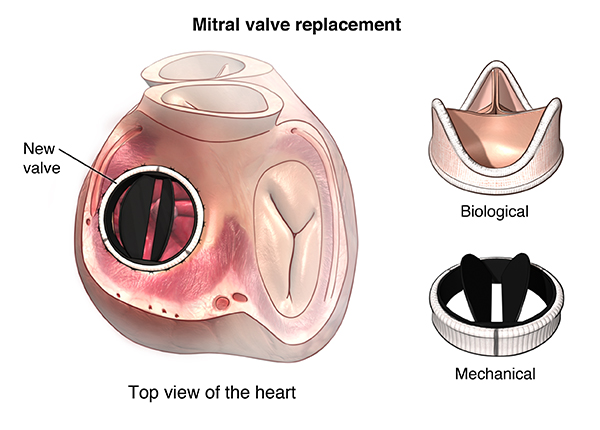


 Medicurio