hysterical neurosis

REQUEST AN APPOINTMENT OR BOOK A CONSULANT – Sargam.dange.18@gmail.com

Hysteria can be defined as a feature of some conditions that involve people experiencing physical symptoms that have a psychological cause.

Hysteria: Disease mainly of women, characterized by lack of control over emotions and acts.
Neurasthenia:   Depression due to exhausted nerve energy.
Neurosis:  A nervous disease, especially a functional disease.
Traumatic neuritis: Inflammation of a nerve caused by an injury.
Malingering:   Feigning illness.

Symptoms of Hysteria

Symptoms that are considered characteristic of “hysteria” include:

  • Blindness
  • Emotional outbursts
  • Hallucinations
  • Histrionic behavior (being overly dramatic or excitable)
  • Increased suggestibility
  • Loss of sensation

Additional symptoms often associated with being in a hysterical state have varied, but include:

  • Being in a sort of trance
  • Developing amnesia
  • Experiencing paralysis
  • Fainting or passing out (syncope)
  • Having epileptic-like seizures
  • Increased pain sensations
  • Rigid or spasming muscles

Diagnosis of Hysteria

In 1980, the American Psychological Association (APA) changed the diagnosis of “hysterical neurosis, conversion type” to “conversion disorder.” Today, someone might be diagnosed with different types of disorders that were historically known as hysteria, including dissociative and somatic disorders.

REQUEST AN APPOINTMENT OR BOOK A CONSULANT – Sargam.dange.18@medicurio

Dissociative Disorders

Dissociative disorders are psychological disorders that involve an interruption in aspects of consciousness, including those related to identity and memory. Disorders in this category include:

  • Dissociative amnesia, which involves forgetting personal information or not being able to recall certain events
  • Dissociative fugue, which involves forgetting personal information combined with changing physical locations, sometimes creating a new identity in the process
  • Dissociative identity disorder, which involves having two or more distinct personalities, each with no memory of what the other has done

Somatic Symptom Disorder

In the DSM-5, symptoms that once existed under the broad umbrella of “hysteria” now fit under what is referred to as somatic symptom disorder.There are several related conditions that can be diagnosed within this category, including:

  • Conversion disorder (functional neurological symptom disorder)
  • Factitious disorder (Munchausen syndrome imposed on one’s self)
  • Illness anxiety disorder (formerly hypochondriasis)

Somatic symptom disorder involves having a significant focus on physical symptoms such as weakness, pain, or shortness of breath. This preoccupation with symptoms results in significant distress and difficulties with normal functioning.

With somatic symptom disorder, the person may or may not have a medical condition. It is important to note that the disorder does not involve faking an illness—whether the person is sick or not, they believe that they are ill. 

Causes of Hysteria

Over time, the theories about what causes hysteria have changed. Although they originally focused on the uterus, we now know that the causes of both dissociative and somatic disorders are often psychological in nature.

Dissociative disorders are generally caused by experiencing some type of trauma. This might include being exposed to childhood abuse that is physical, sexual, or emotional. Being in a natural disaster or being involved in combat can also lead to a dissociative disorder.

Somatic symptom disorder can also be a result of childhood abuse or parental neglect but is also sometimes caused by having extreme anxiety about bodily processes and illness combined with a low threshold for pain.

A phenomenon known as hysterical contagion, a form of social contagion, can also lead groups of people to experience symptoms often associated with hysteria. This phenomenon involves groups of individuals having symptoms of illness that are attributed to a physical or contagious source, but that, in reality, stem from social and psychological influences.

Treatment for Hysteria

Treating hysteria-like symptoms associated with dissociative and somatic symptoms disorders typically includes some type of psychotherapy. Common treatment approaches for these conditions include:

  • Cognitive behavioral therapy (CBT)
  • Dialectical behavioral therapy (DBT)
  • Eye movement desensitization and reprocessing (EMDR)
  • Mindfulness-based therapy

In some cases, medications may also be used to help reduce symptoms. For example, amitriptyline, selective serotonin reuptake inhibitors (SSRIs), and St. John’s wort are known for effectively treating somatic symptom disorder.

Coping With Hysteria

If you or a loved one experience symptoms once associated with hysteria—such as having emotional outbursts, losing sensation, or having hallucinations—seeking the help of a mental health professional is a good step. In the meantime, here are a few tips to help you better cope:

  • Practice mindfulness. Concentrate on the present instead of focusing on yesterday or tomorrow. This can help you stay grounded.
  • Engage in breathing exercises. Relax your feelings of anxiety by breathing in and out in specific patterns.
  • Write in a journal. Get your feelings out and on paper. Put the sources of your stress in black and white, then let them go.
  • Get physically active. Go for a walk or hike, or take your bike for a ride around the neighborhood. Physical activity helps boost mental health while promoting physical health at the same time.
  • Develop a consistent sleep schedule. Give your body the rest it needs to help it better deal with the symptoms and emotions you are experiencing.
  • REQUEST AN APPOINTMENT OR BOOK A CONSULANT – Sargam.dange.18@gmail.com

for consultant or book an online appointment- gmail- sargam.dange.18@gmail.com

behavioural psychology

REQUEST AN APPOINTMENT OR BOOK A CONSULANT – Sargam.dange.18@gmail.com

Behavioral psychology, or behaviorism, is a theory suggesting that environment shapes human behavior. In a most basic sense, behavioral psychology is the study and analysis of observable behavior.

This field of psychology influenced thought heavily throughout the middle of the 20th century. It is still used by mental health professionals today, as its concepts and theories remain relevant in fields like psychotherapy and education

Techniques from Behavioral Psychology

Several concepts in behaviorism are utilized in therapy.

  • Systematic desensitization is used for clients who have a specific phobia, which is characterized by marked fear or anxiety about an object or situation, like an animal or airplanes. Therapy involves applying relaxation or coping techniques as people are gradually exposed to the object or situation.
  • Exposure and response prevention is a strategy that involves exposure to fearful situations, and then not engaging in unhelpful coping strategies. This therapeutic technique is used for obsessive-compulsive disorder (OCD) and other types of anxiety disorders.
  • Token economy reinforces target behavior by giving children and adults symbols or tokens that can be exchanged for something else. It can be used for people with a wide range of mental health issues, as well as in educational settings.
  • Modeling involves clients learning behavior by imitation alone. It’s used in developmental psychology and can be incorporated into clinical use.
  • Applied behavior analysis emerged in the 1960s as a way to modify behavior. It is commonly used for children with an autism spectrum disorder, and is also relevant to fields like education, industrial safety, and criminal behavior.
  • Contingency management involves individuals receiving vouchers for retail goods and services, or the opportunity to win prizes. Often used for patients with substance abuse or related disorders, it typically takes the form of monetary-based reinforcers for drug-negative tests, according to The Psychiatrist.
  • REQUEST AN APPOINTMENT OR BOOK A CONSULANT – Sargam.dange.18@gmail.com

for consultant or book an online appointment- gmail- sargam.dange.18@gmail.com

pyoderma gangrenosum

REQUEST AN APPOINTMENT OR BOOK A CONSULANT – Sargam.dange.18@gmail.com

Pyoderma gangrenosum (pie-o-DUR-muh gang-ruh-NO-sum) is a rare condition that causes large, painful sores (ulcers) to develop on your skin, most often on your legs.

The exact causes of pyoderma gangrenosum are unknown, but it appears to be a disorder of the immune system. People who have certain underlying conditions, such as inflammatory bowel disease or arthritis, are at higher risk of pyoderma gangrenosum.

Pyoderma gangrenosum ulcers can develop quickly. They usually clear up with treatment, but scarring and recurrences are common.

Symptoms

Pyoderma gangrenosum usually starts with a small, red bump on your skin, which may resemble a spider bite. Within days, this bump can develop into a large, painful open sore.

The ulcer usually appears on your legs, but may develop anywhere on your body. Sometimes it appears around surgical sites. If you have several ulcers, they may grow and merge into one larger ulcer.

Causes

The exact cause of pyoderma gangrenosum is unknown. The condition is not infectious or contagious. It’s often associated with autoimmune diseases such as ulcerative colitis, Crohn’s disease and arthritis. And it may have a genetic component.

If you have pyoderma gangrenosum, new skin trauma, such as a cut or puncture wound, may trigger new ulcers.

REQUEST AN APPOINTMENT OR BOOK A CONSULANT – Sargam.dange.18@gmail.com

Risk factors

Certain factors may increase your risk of pyoderma gangrenosum, including:

  • Your age and sex. The condition can affect anyone at any age, though it’s more common between 20 and 50 years of age.
  • Having inflammatory bowel disease. People with a digestive tract disease such as ulcerative colitis or Crohn’s disease are at increased risk of pyoderma gangrenosum.
  • Having arthritis. People with rheumatoid arthritis are at increased risk of pyoderma gangrenosum.
  • Having a blood disorder. People with acute myelogenous leukemia, myelodysplasia or a myeloproliferative disorder are at increased risk of pyoderma gangrenosum.

Complications

Possible complications of pyoderma gangrenosum include infection, scarring, uncontrolled pain, depression and loss of mobility.

Prevention

You can’t totally prevent pyoderma gangrenosum. If you have the condition, try to avoid injuring your skin. Injury or trauma to your skin, including from surgery, can provoke new ulcers to form. It may also help to control any underlying condition that may be causing the ulcers.

Diagnosis

Your doctor will talk with you about your medical history and conduct a physical exam. No test can confirm a diagnosis of pyoderma gangrenosum. But your doctor may order a variety of tests to rule out other conditions that may have similar signs or symptoms. These may include blood tests, a skin biopsy and other tests.

Your doctor may refer you to a specialist in skin conditions (dermatologist).

Treatment

Treatment of pyoderma gangrenosum is aimed at reducing inflammation, controlling pain, promoting wound healing and controlling any underlying disease. Your treatment will depend on several factors, including your health and the number, size, depth and growth rate of your skin ulcers.

Some people respond well to treatment with a combination of pills, creams or injections. Others may need a stay in the hospital or burn treatment center for specialized wound care. Even after successful treatment, it’s common for new wounds to develop.

Medications

  • Corticosteroids. The most common treatment are daily doses of corticosteroids. These drugs may be applied to the skin, injected into the wound or taken by mouth (prednisone). Using corticosteroids for a long time or in high doses may cause serious side effects. Because of this your doctor may prescribe steroid-sparing (nonsteroidal) drugs if you need long-term treatment.
  • Steroid-sparing drugs. An effective nonsteroidal drug is cyclosporine. Other options include mycophenolate (Cellcept), immunoglobulins, dapsone, infliximab (Remicade) and tacrolimus (Protopic), which is a calcineurin inhibitor. Depending on the type of drug used, it may be applied to the wounds, injected or taken by mouth.
  • Pain medication. Depending on the extent of your wounds, you may benefit from pain medication, especially when dressings are being changed.

Wound care

In addition to applying medicine directly to your wounds, your doctor or wound care specialist will cover them with a nonadherent, moist (not wet or dry) dressing and, perhaps, an elasticized wrap. You may be asked to keep the affected area elevated.

Follow your doctor’s instructions regarding wound care. This is especially important because many of the oral medications prescribed for pyoderma gangrenosum suppress your immune system, which increases your risk of infection.

Surgery

Because pyoderma gangrenosum can be made worse by cuts to the skin, surgery to remove dead tissue is not usually considered a good treatment option. Trauma to the skin may worsen existing ulcers or trigger new ones.

If the ulcers on your skin are large and need help with healing, your doctor might suggest a skin graft. In this procedure, the surgeon attaches a piece of skin or synthetic skin over the open sores. This is attempted only after the wound inflammation has gone and the ulcer has started healing.

for consultant or book an online appointment- gmail- sargam.dange.18@gmail.com

REQUEST AN APPOINTMENT OR BOOK A CONSULANT – Sargam.dange.18@gmail.com

Traumatic Brachial Plexopathy

REQUEST AN APPOINTMENT OR BOOK A CONSULANT – Sargam.dange.18@gmail.com

Trauma accounts for a large proportion of brachial plexopathies. The mechanism of an injury and the magnitude, rate, and direction of deforming forces ultimately determine the extent and location of a traumatic brachial plexopathy.

Anatomy

The anterior rami of the spinal nerves C5 to T1 combine to form the brachial plexus. C5 and C6 merge into the upper trunk, C7 forms the middle trunk, and C8 and T1 merge to form the lower trunk. Anterior divisions from the upper and middle trunks form the lateral cord. The medial cord is the anterior division of the lower trunk. Posterior divisions from all 3 trunks form the posterior cord. Terminal branches originate from the C5 root, trunks, and cords to supply the upper extremity and the shoulder girdle. The spinal nerves emerge from the vertebral foramina and pass between the anterior and middle scalenes; they then pass between the clavicle and the first rib, near the coracoid and humeral head. The plexus is relatively tethered at the prevertebral fascia at its proximal aspect and by the axillary sheath in the midarm.

Signs and symptoms of traumatic brachial plexopathy

A lesion of the brachial plexus can result in motor, sensory, and sympathetic disturbances. Impairments can be transient, as in stinger or burner injuries in football players, or they may result in intractable palsy. Because of the changing arrangement of the brachial plexus as it progresses distally, injuries to it may result in diverse paralyses, anesthesias, and paresthesias, depending on the exact level of injury and the extent of injury to the various elements at that level. 

Workup in traumatic brachial plexopathy

Brachial plexopathies may be difficult to accurately diagnose, even with a meticulous investigation. This is not only because the anatomic design of the plexus pose challenges, but also because the types of lesions and injuries that occur are frequently incomplete and complex. Even so, establishing a precise anatomic diagnosis and estimating the severity of the lesion is imperative for prognostic, surgical, and rehabilitative purposes.

Electrodiagnosis has become a mainstay in the diagnostic evaluation of brachial plexopathies. Moreover, many peripheral nerve injuries can be associated with other soft-tissue or bone injuries that can be detected at radiography, while computed tomography (CT) scanning can be used in the investigation of occult fractures that are not depicted on plain radiographs, and conventional magnetic resonance imaging (MRI) can be employed to visualize normal and abnormal peripheral nerve structures. 

Management of traumatic brachial plexopathy

Depending on local expertise, a rehabilitation program may be undertaken with a physical therapist and/or an occupational therapist. The goals are to preserve range of motion (ROM), improve strength, and manage pain.

Pathophysiology

In traumatic brachial plexopathy, nerve roots may be avulsed from the cord, or the plexus may be subject to traction or compression. Any injury that increases the distance between the relatively fixed points of the prevertebral fascia and the midforearm may injure the brachial plexus.

Traction or compression may result in ischemia, which initially damages the vasa vasorum. Severe compression injuries can result in intraneural hematomas, which can compress adjacent nerve tissue.

clinical presentation

History

History taking should include inquiry into the mechanism of injury, as well as a description of patient symptoms. Common mechanisms of injury involve cervical extension, rotation, lateral bending, and depression or hyperabduction of the shoulder.

Patients should be queried about weakness, sensory loss, paresthesias and dysesthesias, and the location of symptoms in the arm.

Physical

The physician should examine the cervical spine, shoulder, clavicle, scapula, and related joints for range of motion (ROM), alignment, and tender points. A thorough neurologic examination of the upper extremity should include manual muscle testing, sensory examination, and an evaluation of deep tendon reflexes. 

  • The site of injury can be accurately localized with a precise neurologic examination by using the correlative neuroanatomy.
  • A sensory examination should include testing for light-touch sensation, pinprick sensation, 2-point discrimination, vibration sensation, and proprioception.
  • In an anterior dislocation of the shoulder, the sensory distribution of the axillary and musculocutaneous nerves are tested to detect nerve injury in the early stages.
  • Associated problems that require prompt attention can be identified with the following:
    • Evaluation of joint instability and scapular winging
    • Auscultation to detect hemidiaphragmatic paralysis
    • Observation of patterns of muscle weakness and/or atrophy, in which the injured side is compared with the uninvolved side
    • Testing for SCI and TBI

Causes

As previously noted, a large proportion of brachial plexopathies are caused by trauma. The mechanism of traumatic injuries and the magnitude, rate, and direction of deforming forces ultimately determine the extent and location of the injury. Mechanisms include traction, penetrating injury, and crushing or compression.

Closed injuries, such as those caused by motor vehicle accidents, industrial accidents, and sports-related trauma, are more common in civilian life than in military life. Violent torsion of the upper limb, either upward or downward, may damage the plexus. Shrapnel injuries and blast injuries, as well as gunshot wounds and knife injuries to the neck or axilla, can cause lesions in the brachial plexus. 

Iatrogenic injuries occur during surgery, particularly in procedures involving the following: (1) neck or shoulder, (2) opening of the chest, (3) regional anesthetic blocks, and (4) placement of cannulas. Injuries to the brachial plexus of neonates may occur during birth, as a result of the strain placed on the plexus by a wide separation of the head and shoulder or by forced adduction of the shoulder joint during a difficult delivery. 

REQUEST AN APPOINTMENT OR BOOK A CONSULANT – Sargam.dange.18@gmail.com

Diagnostic Considerations

These include the following:

  • Traumatic root avulsion
  • Anterior horn cell disorders
  • Cerebrovascular accident (CVA)
  • Peripheral neuropathy
  • Entrapment syndromes of the upper extremity
  • Iatrogenic injury – Injection and/or block, thoracotomy, tourniquet paralysis
  • Sports injury – Stingers, burners
  • Psychogenic paralysis
  • Intraspinal and brachial plexus neoplasm
  • Myopathy
  • Neurodegenerative process
  • Toxic process – Exposure to heavy metals, synthetic hydrocarbons, alcohol
  • Infiltrative process
  • Vasculitic process – Polyarteritis nodosa (PAN), systemic lupus erythematosus (SLE), diabetes
  • Hemorrhagic process in the spinal cord or nerve sheath
  • Immunogenic process -Human immunodeficiency virus (HIV) infection, transverse myelitis
  • Shoulder and scapulothoracic dislocation, fracture, tendinitis, or capsulitis

Differential Diagnoses

  • Cervical Radiculopathy
  • Guillain-Barre Syndrome
  • Multiple Sclerosis
  • Neoplastic Brachial Plexopathy
  • Neurologic Thoracic Outlet Syndrome
  • Spinal Cord Injury: Definition, Epidemiology, Pathophysiology
  • Spinal Stenosis
  • Syringomyelia
  • Traumatic Brain Injury (TBI)

Rehabilitation Program

Physical Therapy

Depending on local expertise, a rehabilitation program may be undertaken with a physical therapist and/or an occupational therapist. The goals are to preserve ROM, improve strength, and manage pain.

Patients should undergo physical therapy to maintain ROM and to optimize the recovery of motor function as muscle reinnervation occurs.

The goal of treatment is to return function to the structures supplied by the damaged nerves and to improve the patient’s quality of life. The injured nerve and the exogenous sources of nerve injury are treated.

At the onset of injury, early mobilization and icing are used. In the subacute phase, therapy gradually progresses from passive to active motion and from assisted to active ROM, as tolerated.

Heat, ultrasonography, transcutaneous electrical nerve stimulation (TENS), interferential current stimulation, and/or electrical stimulation are used, depending on the predominant symptoms.

Cervical muscle strengthening and the correction of upper extremity muscle imbalances are included in the protocol as well.

The use of appropriate slings, the protection of extremities and joints, and the prevention of subluxation must be considered.

Cervical pillows or collars may be required for patients with combined lesions of the roots and plexus.

A literature review by de Santana Chagas et al found that in adults with brachial plexus injury, physical therapy most often involved kinesiotherapy (such as ROM exercises, muscle stretching, and strengthening techniques), electrothermal treatment, phototherapy, manual therapy, and sensory reeducation. [28]

Occupational Therapy

During occupational therapy efforts are concentrated on maintaining ROM in the shoulder; fabricating appropriate orthoses to support the function of the hand, elbow, and arm; and addressing edema control and sensory deficits, with testing and therapy.

Occupational therapy may address issues related to the patient’s ability to write, type, and find alternate ways of communicating.

Additionally, occupational therapy provides help with retraining for activities of daily living (ADLs), including the use of 1-arm techniques, adaptive equipment, and self-ranging and strengthening exercises.

Medical Issues/Complications

Complications may include intractable pain syndromes, such as persistent neuropathy and complex regional pain syndrome type 2 (CRPS II or causalgia), skin damage and infection, significant muscle atrophy, contractures and capsulitis, subluxations, sensory loss, osteopenia, heterotopic ossification, myofascial pain, and depression and anxiety.

Bone dislocation with neurologic deficit requires prompt anatomic reduction to prevent irreversible nerve damage.

The use of analgesics can help patients control pain from nerve injuries. Steroids may help to decrease endoneurial edema associated with nerve injury.

Hyperbaric oxygen decreases vascular compromise of the vasa nervorum, as well as endoneurial edema and pressure. Hyperbaric oxygen is an approved adjunctive treatment for acute traumatic ischemic reperfusion injury.

Ciliary neurotrophic factor (CNTF), which enhances motor neuron survival in vivo and in vitro, is in the investigational stage.

Medication Summary

Nonsteroidal anti-inflammatory drugs (NSAIDs) and neuropathic pain medications are most commonly used in the treatment of traumatic brachial plexopathy, depending on the symptoms and the length of time since the injury’s occurrence. During the acute phase, narcotic analgesics may also be necessary, but they should not be used for long-term pain management. Narcotic medications are also indicated in the acute postoperative period.

Neuropathic pain medications are useful for the relief of dysesthetic pain in the acute and chronic phases. There is no drug of choice, and medications often must be tried in serial fashion to find one that provides optimal relief for the patient.

REQUEST AN APPOINTMENT OR BOOK A CONSULANT – Sargam.dange.18@gmail.com

stroke

REQUEST AN APPOINTMENT OR BOOK A CONSULANT – Sargam.dange.18@gmail.com

Stroke occurs due to a decrease or blockage in the brain’s blood supply. A person experiencing a stroke needs immediate emergency treatment.

Stroke is the fifth leading cause of death in the United States. In fact, nearly 800,000 people have a stroke each year. That equates to around one person every 40 seconds.

There are three main types of stroke:

  • Ischemic stroke: This is the most common type of stroke, making up 87% of all cases. A blood clot prevents blood and oxygen from reaching an area of the brain.
  • Hemorrhagic stroke: This occurs when a blood vessel ruptures. These are usually the result of aneurysms or arteriovenous malformations (AVMs)
  • Transient ischemic attack (TIA): This occurs when blood flow to a part of the brain is inadequate for a brief period of time. Normal blood flow resumes after a short amount of time, and the symptoms resolve without treatment. Some people call this a ministroke.

Stroke can be fatal. According to the American Heart Association (AHA), the age-adjusted mortality rate for 2017 was 37.6 in every 100,000 stroke diagnoses. Doctors have made a great deal of progress in managing strokes, meaning that this mortality rate is 13.6% lower than it was in 2007.

This article explains why strokes occur and how to treat them. It also explores the different types of stroke, as well as the steps a person can take to prevent them.

In hemorrhagic stroke, bleeding occurs directly into the brain parenchyma. The usual mechanism is thought to be leakage from small intracerebral arteries damaged by chronic hypertension. The terms intracerebral hemorrhage and hemorrhagic stroke are used interchangeably in this article and are regarded as separate entities from hemorrhagic transformation of ischemic stroke. 

Pathophysiology

In intracerebral hemorrhage, bleeding occurs directly into the brain parenchyma. The usual mechanism is thought to be leakage from small intracerebral arteries damaged by chronic hypertension. Other mechanisms include bleeding diatheses, iatrogenic anticoagulation, cerebral amyloidosis, and cocaine abuse.

Intracerebral hemorrhage has a predilection for certain sites in the brain, including the thalamus, putamen, cerebellum, and brainstem. In addition to the area of the brain injured by the hemorrhage, the surrounding brain can be damaged by pressure produced by the mass effect of the hematoma. A general increase in intracranial pressure may occur.

Subarachnoid hemorrhage

The pathologic effects of subarachnoid hemorrhage (SAH) on the brain are multifocal. SAH results in elevated intracranial pressure and impairs cerebral autoregulation. These effects can occur in combination with acute vasoconstriction, microvascular platelet aggregation, and loss of microvascular perfusion, resulting in profound reduction in blood flow and cerebral ischemia.

Symptoms

If you or someone you’re with may be having a stroke, pay particular attention to the time the symptoms began. Some treatment options are most effective when given soon after a stroke begins.

Signs and symptoms of stroke include:

  • Trouble speaking and understanding what others are saying. You may experience confusion, slur words or have difficulty understanding speech.
  • Paralysis or numbness of the face, arm or leg. You may develop sudden numbness, weakness or paralysis in the face, arm or leg. This often affects just one side of the body. Try to raise both your arms over your head at the same time. If one arm begins to fall, you may be having a stroke. Also, one side of your mouth may droop when you try to smile.
  • Problems seeing in one or both eyes. You may suddenly have blurred or blackened vision in one or both eyes, or you may see double.
  • Headache. A sudden, severe headache, which may be accompanied by vomiting, dizziness or altered consciousness, may indicate that you’re having a stroke.
  • Trouble walking. You may stumble or lose your balance. You may also have sudden dizziness or a loss of coordination.

When to see a doctor

Seek immediate medical attention if you notice any signs or symptoms of a stroke, even if they seem to come and go or they disappear completely. Think “FAST” and do the following:

  • Face. Ask the person to smile. Does one side of the face droop?
  • Arms. Ask the person to raise both arms. Does one arm drift downward? Or is one arm unable to rise?
  • Speech. Ask the person to repeat a simple phrase. Is his or her speech slurred or strange?
  • Time. If you observe any of these signs, call 911 or emergency medical help immediately.

REQUEST AN APPOINTMENT OR BOOK A CONSULANT – Sargam.dange.18@gmail.com

Causes

There are two main causes of stroke: a blocked artery (ischemic stroke) or leaking or bursting of a blood vessel (hemorrhagic stroke). Some people may have only a temporary disruption of blood flow to the brain, known as a transient ischemic attack (TIA), that doesn’t cause lasting symptoms.

Ischemic stroke

Ischemic stroke Open pop-up dialog box

This is the most common type of stroke. It happens when the brain’s blood vessels become narrowed or blocked, causing severely reduced blood flow (ischemia). Blocked or narrowed blood vessels are caused by fatty deposits that build up in blood vessels or by blood clots or other debris that travel through the bloodstream, most often from the heart, and lodge in the blood vessels in the brain.

Some initial research shows that COVID-19 infection may increase the risk of ischemic stroke, but more study is needed.

Hemorrhagic stroke

Hemorrhagic stroke occurs when a blood vessel in the brain leaks or ruptures. Brain hemorrhages can result from many conditions that affect the blood vessels. Factors related to hemorrhagic stroke include:

  • Uncontrolled high blood pressure
  • Overtreatment with blood thinners (anticoagulants)
  • Bulges at weak spots in your blood vessel walls (aneurysms)
  • Trauma (such as a car accident)
  • Protein deposits in blood vessel walls that lead to weakness in the vessel wall (cerebral amyloid angiopathy)
  • Ischemic stroke leading to hemorrhage

A less common cause of bleeding in the brain is the rupture of an irregular tangle of thin-walled blood vessels (arteriovenous malformation).

Transient ischemic attack (TIA)

A transient ischemic attack (TIA) — sometimes known as a ministroke — is a temporary period of symptoms similar to those in a stroke. A TIA doesn’t cause permanent damage. A TIA is caused by a temporary decrease in blood supply to part of the brain, which may last as little as five minutes.

Like an ischemic stroke, a TIA occurs when a clot or debris reduces or blocks blood flow to part of the nervous system.

Seek emergency care even if you think you’ve had a TIA because your symptoms got better. It’s not possible to tell if you’re having a stroke or TIA based only on the symptoms. If you’ve had a TIA, it means you may have a partially blocked or narrowed artery leading to the brain. Having a TIA increases your risk of having a full-blown stroke later.

Risk factors

Many factors can increase the risk of stroke. Potentially treatable stroke risk factors include:

Lifestyle risk factors

  • Being overweight or obese
  • Physical inactivity
  • Heavy or binge drinking
  • Use of illegal drugs such as cocaine and methamphetamine

Medical risk factors

  • High blood pressure
  • Cigarette smoking or secondhand smoke exposure
  • High cholesterol
  • Diabetes
  • Obstructive sleep apnea
  • Cardiovascular disease, including heart failure, heart defects, heart infection or irregular heart rhythm, such as atrial fibrillation
  • Personal or family history of stroke, heart attack or transient ischemic attack
  • COVID-19 infection

Other factors associated with a higher risk of stroke include:

  • Age — People age 55 or older have a higher risk of stroke than do younger people.
  • Race or ethnicity — African Americans and Hispanics have a higher risk of stroke than do people of other races or ethnicities.
  • Sex — Men have a higher risk of stroke than do women. Women are usually older when they have strokes, and they’re more likely to die of strokes than are men.
  • Hormones — Use of birth control pills or hormone therapies that include estrogen increases risk.

Complications

A stroke can sometimes cause temporary or permanent disabilities, depending on how long the brain lacks blood flow and which part is affected. Complications may include:

  • Paralysis or loss of muscle movement. You may become paralyzed on one side of the body, or lose control of certain muscles, such as those on one side of the face or one arm.
  • Difficulty talking or swallowing. A stroke might affect control of the muscles in the mouth and throat, making it difficult for you to talk clearly, swallow or eat. You also may have difficulty with language, including speaking or understanding speech, reading, or writing.
  • Memory loss or thinking difficulties. Many people who have had strokes experience some memory loss. Others may have difficulty thinking, reasoning, making judgments and understanding concepts.
  • Emotional problems. People who have had strokes may have more difficulty controlling their emotions, or they may develop depression.
  • Pain. Pain, numbness or other unusual sensations may occur in the parts of the body affected by stroke. For example, if a stroke causes you to lose feeling in the left arm, you may develop an uncomfortable tingling sensation in that arm.
  • Changes in behavior and self-care ability. People who have had strokes may become more withdrawn. They may need help with grooming and daily chores.

Diagnostic Considerations

Intracerebral hemorrhage may be clinically indistinguishable from ischemic stroke, and a thorough history and physical examination are important. An acute onset of neurologic deficit, altered level of consciousness/mental status, or coma is more common with hemorrhagic stroke than with ischemic stroke. A history of trauma, even if minor, may be important, as extracranial arterial dissections can result in ischemic stroke.

Seizures are more common in hemorrhagic stroke than in ischemic stroke and occur in up to 28% of hemorrhagic strokes, generally at the onset of the intracerebral hemorrhage or within the first 24 hours. Postictal (Todd) paralysis and hyperosmolality should also be considered.

Differential Diagnoses

  • Acute Hypoglycemia
  • Brain Neoplasms
  • Encephalitis
  • Headache, Migraine
  • Hypernatremia in Emergency Medicine
  • Hyperosmolar Hyperglycemic Nonketotic Coma
  • Hypertensive Emergencies
  • Hyponatremia
  • Labyrinthitis Ossificans
  • Meningitis
  • Stroke, Ischemic
  • Subarachnoid Hemorrhage
  • Subdural Hematoma
  • Transient Ischemic Attack

History

Obtaining an adequate history includes determining the onset and progression of symptoms, as well as assessing for risk factors and possible causative events.

A history of trauma, even if minor, may be important, as extracranial arterial dissections can result in ischemic stroke.

Hemorrhagic versus ischemic stroke

Symptoms alone are not specific enough to distinguish ischemic from hemorrhagic stroke. However, generalized symptoms, including nausea, vomiting, and headache, as well as an altered level of consciousness, may indicate increased intracranial pressure and are more common with hemorrhagic strokes and large ischemic strokes.

Seizures are more common in hemorrhagic stroke than in the ischemic kind. Seizures occur in up to 28% of hemorrhagic strokes, generally at the onset of the intracerebral hemorrhage or within the first 24 hours.

Focal neurologic deficits

The neurologic deficits reflect the area of the brain typically involved, and stroke syndromes for specific vascular lesions have been described. Focal symptoms of stroke include the following:

  • Weakness or paresis that may affect a single extremity, one half of the body, or all 4 extremities
  • Facial droop
  • Monocular or binocular blindness
  • Blurred vision or visual field deficits
  • Dysarthria and trouble understanding speech
  • Vertigo or ataxia
  • Aphasia

Symptoms of subarachnoid hemorrhage may include the following:

  • Sudden onset of severe headache
  • Signs of meningismus with nuchal rigidity
  • Photophobia and pain with eye movements
  • Nausea and vomiting
  • Syncope – Prolonged or atypical

The most common clinical scoring systems for grading aneurysmal subarachnoid hemorrhage are the Hunt and Hess grading scheme and the World Federation of Neurosurgeons (WFNS) grading scheme, which incorporates the Glasgow Coma Scale. The Fisher Scale incorporates findings from noncontrast computed tomography (NCCT) scans.

Physical Examination

The assessment in patients with possible hemorrhagic stroke includes vital signs; a general physical examination that focuses on the head, heart, lungs, abdomen, and extremities; and a thorough but expeditious neurologic examination. 

Hypertension (particularly systolic blood pressure [BP] greater than 220 mm Hg) is commonly a prominent finding in hemorrhagic stroke. Higher initial BP is associated with early neurologic deterioration, as is fever. 

An acute onset of neurologic deficit, altered level of consciousness/mental status, or coma is more common with hemorrhagic stroke than with ischemic stroke. Often, this is caused by increased intracranial pressure. Meningismus may result from blood in the subarachnoid space.

Examination results can be quantified using various scoring systems. These include the Glasgow Coma Scale (GCS), the Intracerebral Hemorrhage Score (which incorporates the GCS; see Prognosis), and the National Institutes of Health Stroke Scale.

Focal neurologic deficits

The type of deficit depends upon the area of brain involved. If the dominant hemisphere (usually the left) is involved, a syndrome consisting of the following may result:

  • Right hemiparesis
  • Right hemisensory loss
  • Left gaze preference
  • Right visual field cut
  • Aphasia
  • Neglect (atypical)

If the nondominant (usually the right) hemisphere is involved, a syndrome consisting of the following may result:

  • Left hemiparesis
  • Left hemisensory loss
  • Right gaze preference
  • Left visual field cut

Nondominant hemisphere syndrome may also result in neglect when the patient has left-sided hemi-inattention and ignores the left side.

If the cerebellum is involved, the patient is at high risk for herniation and brainstem compression. Herniation may cause a rapid decrease in the level of consciousness and may result in apnea or death.

Specific brain sites and associated deficits involved in hemorrhagic stroke include the following:

  • Putamen – Contralateral hemiparesis, contralateral sensory loss, contralateral conjugate gaze paresis, homonymous hemianopia, aphasia, neglect, or apraxia
  • Thalamus – Contralateral sensory loss, contralateral hemiparesis, gaze paresis, homonymous hemianopia, miosis, aphasia, or confusion
  • Lobar – Contralateral hemiparesis or sensory loss, contralateral conjugate gaze paresis, homonymous hemianopia, abulia, aphasia, neglect, or apraxia
  • Caudate nucleus – Contralateral hemiparesis, contralateral conjugate gaze paresis, or confusion
  • Brainstem – Quadriparesis, facial weakness, decreased level of consciousness, gaze paresis, ocular bobbing, miosis, or autonomic instability
  • Cerebellum – Ipsilateral ataxia, facial weakness, sensory loss; gaze paresis, skew deviation, miosis, or decreased level of consciousness

Other signs of cerebellar or brainstem involvement include the following:

  • Gait or limb ataxia
  • Vertigo or tinnitus
  • Nausea and vomiting
  • Hemiparesis or quadriparesis
  • Hemisensory loss or sensory loss of all 4 limbs
  • Eye movement abnormalities resulting in diplopia or nystagmus
  • Oropharyngeal weakness or dysphagia
  • Crossed signs (ipsilateral face and contralateral body)

Many other stroke syndromes are associated with intracerebral hemorrhage, ranging from mild headache to neurologic devastation. At times, a cerebral hemorrhage may present as a new-onset seizure.

Approach Considerations

The treatment and management of patients with acute intracerebral hemorrhage depends on the cause and severity of the bleeding. Basic life support, as well as control of bleeding, seizures, blood pressure (BP), and intracranial pressure, are critical. Medications used in the treatment of acute stroke include the following:

  • Anticonvulsants – To prevent seizure recurrence
  • Antihypertensive agents – To reduce BP and other risk factors of heart disease
  • Osmotic diuretics – To decrease intracranial pressure in the subarachnoid space

Management begins with stabilization of vital signs. Perform endotracheal intubation for patients with a decreased level of consciousness and poor airway protection. Intubate and hyperventilate if intracranial pressure is elevated, and initiate administration of mannitol for further control. Rapidly stabilize vital signs, and simultaneously acquire an emergent computed tomography (CT) scan. Glucose levels should be monitored, with normoglycemia recommended.  Antacids are used to prevent associated gastric ulcers.

No effective targeted therapy for hemorrhagic stroke exists yet. Studies of recombinant factor VIIa (rFVIIa) have yielded disappointing results. Evacuation of hematoma, either via open craniotomy or endoscopy, may be a promising ultra-early-stage treatment for intracerebral hemorrhage that may improve long-term prognosis.

A combined analysis of INTERACT (Intensive Blood Pressure Reduction in Acute Cerebral Hemorrhage Trial) 1 and 2 suggested that in patients with intracerebral hemorrhage, intensive BP reduction early in their treatment lessens the absolute growth of hematomas, with the effect being especially pronounced in patients who have undergone prior antithrombotic therapy. 

The study involved 1310 patients who had undergone repeat 24-hour CT scans, including 665 who received intensive BP reduction therapy (target BP < 140 mm Hg systolic) and 645 controls (target BP < 180 mm Hg systolic).  A total of 235 patients in the intensive reduction and control groups had received antithrombotic medication prior to intracerebral hemorrhage.

The investigators found that, in patients who had not had prior antithrombotic therapy, hematoma volume increased 1.1 mL on repeat CT scan in those who underwent intensive BP reduction, compared with 2.4 mL in controls. In patients who had previously taken antithrombotics, however, the difference between the intensive-reduction and control groups was much greater, with the increase in hematoma volume being 3.4 mL in the intensive-reduction and 8.1 mL in the controls.

REQUEST AN APPOINTMENT OR BOOK A CONSULANT – Sargam.dange.18@gmail.com

spinal cord injury

REQUEST AN APPOINTMENT OR BOOK A CONSULANT – Sargam.dange.18@gmail.com

Key facts by WHO

  • Every year, around the world, between 250 000 and 500 000 people suffer a spinal cord injury (SCI).
  • The majority of spinal cord injuries are due to preventable causes such as road traffic crashes, falls or violence.
  • People with a spinal cord injury are two to five times more likely to die prematurely than people without a spinal cord injury, with worse survival rates in low- and middle-income countries.
  • Spinal cord injury is associated with lower rates of school enrollment and economic participation, and it carries substantial individual and societal costs.

A spinal cord injury — damage to any part of the spinal cord or nerves at the end of the spinal canal (cauda equina) — often causes permanent changes in strength, sensation and other body functions below the site of the injury.

If you’ve recently injured your spinal cord, it might seem like every aspect of your life has been affected. You might feel the effects of your injury mentally, emotionally and socially.

Many scientists are optimistic that advances in research will someday make repair of spinal cord injuries possible. Research studies are ongoing around the world. In the meantime, treatments and rehabilitation allow many people with spinal cord injuries to lead productive, independent lives.

for consultant or book an online appointment- gmail- sargam.dange.18@gmail.com

Symptoms

The area of the body affected by paraplegia and quadriplegiaSpinal cord injuriesOpen pop-up dialog box

Your ability to control your limbs after a spinal cord injury depends on two factors: where the injury occurred on your spinal cord and the severity of injury.

The lowest part of your spinal cord that remains undamaged after an injury is referred to as the neurological level of your injury. The severity of the injury is often called “the completeness” and is classified as either of the following:

  • Complete. If all feeling (sensory) and all ability to control movement (motor function) are lost below the spinal cord injury, your injury is called complete.
  • Incomplete. If you have some motor or sensory function below the affected area, your injury is called incomplete. There are varying degrees of incomplete injury.

Additionally, paralysis from a spinal cord injury can be referred to as:

  • Tetraplegia. Also known as quadriplegia, this means that your arms, hands, trunk, legs and pelvic organs are all affected by your spinal cord injury.
  • Paraplegia. This paralysis affects all or part of the trunk, legs and pelvic organs.

Your health care team will perform a series of tests to determine the neurological level and completeness of your injury.

Spinal cord injuries can cause one or more of the following signs and symptoms:

  • Loss of movement
  • Loss of or altered sensation, including the ability to feel heat, cold and touch
  • Loss of bowel or bladder control
  • Exaggerated reflex activities or spasms
  • Changes in sexual function, sexual sensitivity and fertility
  • Pain or an intense stinging sensation caused by damage to the nerve fibers in your spinal cord
  • Difficulty breathing, coughing or clearing secretions from your lungs

Emergency signs and symptoms

Emergency signs and symptoms of a spinal cord injury after an accident include:

  • Extreme back pain or pressure in your neck, head or back
  • Weakness, incoordination or paralysis in any part of your body
  • Numbness, tingling or loss of sensation in your hands, fingers, feet or toes
  • Loss of bladder or bowel control
  • Difficulty with balance and walking
  • Impaired breathing after injury
  • An oddly positioned or twisted neck or back

When to see a doctor

Anyone who has significant trauma to the head or neck needs immediate medical evaluation for a spinal injury. In fact, it’s safest to assume that trauma victims have a spinal injury until proved otherwise because:

  • A serious spinal injury isn’t always immediately obvious. If it isn’t known, a more severe injury may occur.
  • Numbness or paralysis can be immediate or come on gradually.
  • The time between injury and treatment can be critical in determining the extent and severity of complications and the possible extent of expected recovery.

REQUEST AN APPOINTMENT OR BOOK A CONSULANT – Sargam.dange.18@gmail.com

If you suspect that someone has a back or neck injury:

  • Don’t move the injured person — permanent paralysis and other serious complications can result
  • Call 911 or your local emergency medical assistance number
  • Keep the person still
  • Place heavy towels on both sides of the neck or hold the head and neck to prevent them from moving until emergency care arrives
  • Provide basic first aid, such as stopping bleeding and making the person comfortable, without moving the head or neck

Causes

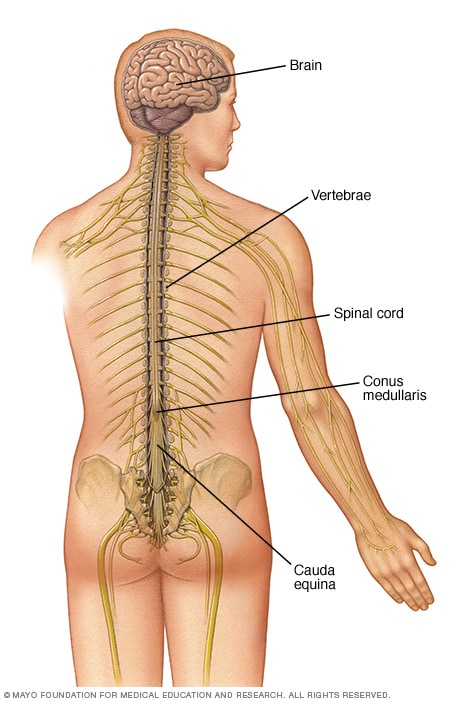
The anatomy of the central nervous system Central nervous systemOpen pop-up dialog box

Spinal cord injuries can result from damage to the vertebrae, ligaments or disks of the spinal column or to the spinal cord itself.

A traumatic spinal cord injury can stem from a sudden, traumatic blow to your spine that fractures, dislocates, crushes or compresses one or more of your vertebrae. It can also result from a gunshot or knife wound that penetrates and cuts your spinal cord.

Additional damage usually occurs over days or weeks because of bleeding, swelling, inflammation and fluid accumulation in and around your spinal cord.

A nontraumatic spinal cord injury can be caused by arthritis, cancer, inflammation, infections or disk degeneration of the spine.

Your brain and central nervous system

The central nervous system comprises the brain and spinal cord. The spinal cord is made of soft tissue and surrounded by bones (vertebrae). It extends down from the base of your brain and contains nerve cells and groups of nerves called tracts, which go to different parts of your body.

The lower end of your spinal cord stops a little above your waist in the region called the conus medullaris. Below this region is a group of nerve roots called the cauda equina.

Tracts in your spinal cord carry messages between your brain and the rest of your body. Motor tracts carry signals from your brain to control muscle movement. Sensory tracts carry signals from body parts to your brain relating to heat, cold, pressure, pain and the position of your limbs.

Damage to nerve fibers

Whether the cause is traumatic or nontraumatic, the damage affects the nerve fibers passing through the injured area and can impair part of or all the muscles and nerves below the injury site.

A chest (thoracic) or lower back (lumbar) injury can affect your torso, legs, bowel and bladder control, and sexual function. A neck (cervical) injury affects the same areas in addition to affecting movements of your arms and, possibly, your ability to breathe.

Common causes of spinal cord injuries

The most common causes of spinal cord injuries in the United States are:

  • Motor vehicle accidents. Auto and motorcycle accidents are the leading cause of spinal cord injuries, accounting for almost half of new spinal cord injuries each year.
  • Falls. A spinal cord injury after age 65 is most often caused by a fall.
  • Acts of violence. About 12% of spinal cord injuries result from violent encounters, usually from gunshot wounds. Knife wounds also are common.
  • Sports and recreation injuries. Athletic activities, such as impact sports and diving in shallow water, cause about 10% of spinal cord injuries.
  • Diseases. Cancer, arthritis, osteoporosis and inflammation of the spinal cord also can cause spinal cord injuries.

Risk factors

Although a spinal cord injury is usually the result of an accident and can happen to anyone, certain factors can predispose you to being at higher risk of having a spinal cord injury, including:

  • Being male. Spinal cord injuries affect a disproportionate number of men. In fact, females account for only about 20% of traumatic spinal cord injuries in the United States.
  • Being between the ages of 16 and 30. More than half of spinal cord injuries occur in people in this age range.
  • Being 65 and older. Another spike in spinal cord injuries occurs at age 65. Falls cause most injuries in older adults.
  • Alcohol use. Alcohol use is involved in about 25 % of traumatic spinal cord injuries.
  • Engaging in risky behavior. Diving into too-shallow water or playing sports without wearing the proper safety gear or taking proper precautions can lead to spinal cord injuries. Motor vehicle crashes are the leading cause of spinal cord injuries for people under 65.
  • Having certain diseases. A relatively minor injury can cause a spinal cord injury if you have another disorder that affects your joints or bones, such as osteoporosis.

Complications

At first, changes in the way your body functions can be overwhelming. However, your rehabilitation team will help you develop tools to address the changes caused by the spinal cord injury, in addition to recommending equipment and resources to promote quality of life and independence. Areas often affected include:

  • Bladder control. Your bladder will continue to store urine from your kidneys. However, your brain might not control your bladder as well because the message carrier (the spinal cord) has been injured.The changes in bladder control increase your risk of urinary tract infections. The changes may also cause kidney infections and kidney or bladder stones. During rehabilitation, you’ll learn ways to help empty your bladder.
  • Bowel control. Although your stomach and intestines work much like they did before your injury, control of your bowel movements is often altered. A high-fiber diet might help regulate your bowels, and you’ll learn ways to help control your bowel during rehabilitation.
  • Pressure injuries. Below the neurological level of your injury, you might have lost some or all skin sensations. Therefore, your skin can’t send a message to your brain when it’s injured by certain things such as prolonged pressure.This can make you more susceptible to pressure sores, but changing positions frequently — with help, if needed — can help prevent these sores. You’ll learn proper skin care during rehabilitation, which can help you avoid these problems.
  • Circulatory control. A spinal cord injury can cause circulatory problems ranging from low blood pressure when you rise (orthostatic hypotension) to swelling of your extremities. These circulation changes can also increase your risk of developing blood clots, such as deep vein thrombosis or a pulmonary embolus.Another problem with circulatory control is a potentially life-threatening rise in blood pressure (autonomic dysreflexia). Your rehabilitation team will teach you how to address these problems if they affect you.
  • Respiratory system. Your injury might make it more difficult to breathe and cough if your abdominal and chest muscles are affected.Your neurological level of injury will determine what kind of breathing problems you have. If you have a cervical and thoracic spinal cord injury, you might have an increased risk of pneumonia or other lung problems. Medications and therapy can help prevent and treat these problems.
  • Bone density. After spinal cord injury, there’s an increased risk of osteoporosis and fractures below the level of injury.
  • Muscle tone. Some people with spinal cord injuries have one of two types of muscle tone problems: uncontrolled tightening or motion in the muscles (spasticity) or soft and limp muscles lacking muscle tone (flaccidity).
  • Fitness and wellness. Weight loss and muscle atrophy are common soon after a spinal cord injury. Limited mobility can lead to a more sedentary lifestyle, placing you at risk of obesity, cardiovascular disease and diabetes.A dietitian can help you eat a nutritious diet to sustain an adequate weight. Physical and occupational therapists can help you develop a fitness and exercise program.
  • Sexual health. Men might notice changes in erection and ejaculation; women might notice changes in lubrication after a spinal cord injury. Physicians specializing in urology or fertility can offer options for sexual functioning and fertility.
  • Pain. Some people have pain, such as muscle or joint pain, from overuse of particular muscle groups. Nerve pain can occur after a spinal cord injury, especially in someone with an incomplete injury.
  • Depression. Coping with the changes a spinal cord injury brings and living with pain causes depression in some people.

Prevention

Following this advice might reduce your risk of a spinal cord injury:

  • Drive safely. Car crashes are one of the most common causes of spinal cord injuries. Wear a seat belt every time you’re in a moving vehicle.Make sure that your children wear a seat belt or use an age- and weight-appropriate child safety seat. To protect them from air bag injuries, children under age 12 should always ride in the back seat.
  • Check water depth before diving. Don’t dive into a pool unless it’s 12 feet (about 3.7 meters) or deeper, don’t dive into an aboveground pool and don’t dive into water if you don’t know how deep it is.
  • Prevent falls. Use a step stool with a grab bar to reach high-up objects. Add handrails along stairways. Put nonslip mats on tile floors and in the tub or shower. For young children, use safety gates to block stairs and consider installing window guards.
  • Take precautions when playing sports. Always wear recommended safety gear. Avoid leading with your head in sports. For example, don’t slide headfirst in baseball, and don’t tackle using the top of your helmet in football. Use a spotter for new moves in gymnastics.
  • Don’t drink and drive. Don’t drive while intoxicated or under the influence of drugs. Don’t ride with a driver who’s been drinking.

Medical Management

The ideal management of acute spinal cord injury is a combination of pharmacological therapy, early surgery, aggressive volume resuscitation, and blood pressure elevation to maximize spinal cord perfusion, early rehabilitation, and cellular therapies.

Pharmacological Intervention

There is still no commonly accepted pharmacological agent. The most important candidates are

Glucocorticoids (Methylprednisolone), which suppress many of the ‘secondary’ events of spinal cord injury. These are inflammation, lipid peroxidation, and excitotoxicity. Randomized clinical trials are contradictory in their results and so are the opinions of experts. 

Thyrotropin-releasing Hormone (TRH) shows antagonistic effects against the secondary injury mediators
Polyunsaturated Fatty Acids (PUFA) such as Docosahexaenoic Acid (DHA) have recently been explored for spinal cord injury management. It is said to improve neurological recovery through increased neuronal and oligodendrocyte survival and decreased microglia/macrophage responses, which reduces the axonal accumulation of B-Amyloid Precursor Protein (b-APP) and increases synaptic connectivity. Similarly Eicosapentaenoic Acid (EPA) increases synaptic connectivity, to restore neuro-plasticity.

Surgical Intervention

Early surgical decompression results in a better neurological outcome.

Cellular Therapy Interventions

Traumatic SCI represents heterogeneous and complex pathophysiology. While pre-clinical research on SCI has been an ongoing endeavor for over a century, our understanding of SCI mechanisms has been increased remarkably over the past few decades. This is mainly due to the development of new transgenic and preclinical animal models that has facilitated rapid discoveries in SCI mechanisms. Although SCI research has made an impressive advancement, much work is still needed to translate the gained knowledge from animal studies to clinical applications in humans.

The aim of cellular therapies is to provide functional recovery of the deficit through axonal regeneration and restoration.
Schwann Cell is one of the most widely used cell types for the repair of the spinal cord.
Olfactory Ensheating Cells are capable of promoting axonal regeneration and remyelination after injury.
Bone Marrow derived Mononuclear Cells (BM-MNC’s) transplantation is feasible, safe, and has a good degree of outcome improvement.
Stimulated Macrophages invade the impaired tissue.

Diagnostic Procedures

Imaging technology is an important part of the diagnostic process of acute or chronic spinal cord injuries. Spinal cord injuries can be detected using different types of imaging which depends on the type of underlying pathology.

  • MRI Scans have become the golden standard for imaging neurological tissues such as the spinal cord, ligaments, discs, and other soft tissues. Only MRI sequences of sagittal T2 were found to be useful for prognosticative purposes. 
  • Spinal fractures and bony lesions are better characterized by computed tomography (CT) and vascular injuries can be detected by using an MR angiography or by a CT scan.

Outcome Measures

  • Cite instrument related to ICF classification
    • Instruments to measure impairments
    • Instruments to measure disability
  • Spinal Cord Independence Measure (SCIM)
  • Spinal Cord Injury Lifestyle Scale (SCILS)
  • WHOQOL-BREF
Examination

A diagnosis can be made through a thorough history and examination. By performing a neurological examination, if possible to participate in a reliable physical neurological examination, for the sensory and motoric functions of the body in the corresponding area of complaints. After the examination, we can make a judgment of the severity and the location of the injury. If the place of injury is diagnosed we can perform some extra examinations as described on the following pages:

  • Cervical Examination
  • Lumbar Examination
  • Thoracic Examination
PHYSICAL THERAPY MANAGEMENT

The rehabilitation of patients who had a spinal cord injury depends on which level of the spine the injury occurred. Also, the therapy depends on whether it was a complete or incomplete spinal cord injury. In case of an incomplete spinal cord injury, 25% do not become independent ambulators. The therapies differ according to where the lesion happened, cervical, thoracic, or lumbar. The rehabilitation of SCI is a multidisciplinary approach! 

Possible Upper Incomplete SCI Therapy:
When the cervical spine is injured, the consequences for the patient are life-changing. Patients need therapy for movement and strength recovery of the upper body and probable respiratory training. Respiratory muscle training consists of inspiratory, expiratory, or both improvements in muscle strength and endurance. Normocapnic hyperpnoea is a method of respiratory muscle endurance training that simultaneously trains the inspiratory and expiratory muscles. This device consists of a re-breathing bag that works at 30 to 40% of the patient’s vital capacity and is connected to a tube system and mouthpiece. The patient must fill and empty the bag completely with each breath. Other respiratory muscle training exists and is also effective. The study by Holmlund T et al. guides the clinician in the rehabilitation program for persons with SCI to meet required physical activity levels. Spinal immobilization should be the primary focus in patients with bone or ligament injuries and the prevention of inducing spinal cord injury. 
Training of the upper limb after SCI consists usually of specific exercises or conventional therapy using Bobath principles combined with functional electrical stimulation.


Possible Lower Incomplete SCI Therapy:
The main limitations with lower incomplete SCI patients are that they have reduced coordination, leg paresis, and impaired balance. These limitations can be worked on with the use of braces and tilt tables.

If the leg strength improves, therapists can use braces, parallel bars, and other walking aids to work on the balance weight-bearing of the patient. In combination with those instruments, the therapist needs to train the patient using the repetitive and intensive practice of gait.

The use of a treadmill with an overhead harness is applied to certain SCI cases and only by choice of the therapist. Thanks to the harness, patients can more easily focus on their gait under the supervision of their therapist. In addition to this therapy, the use of functional electrical stimulation is needed to optimize the rehabilitation of the patient.

New therapies are emerging and showing positive evolution, such as robotic-assisted gait training. This therapy uses a treatment of 40 minutes twice a day at a rate of 5 times a week. 3 days using robotic-gait training and 2 days of regular physical therapy. Included in the regular physical therapy are, functional electrical stimulation and physical therapy using the Bobath principles.

Complete recovery after incomplete or complete SCI is never attainable.

Future Public Health Directions

The total number of patients living with SCI is likely to be increasing because the global population is increasing. The main causes of SCI across most geographical locations were falls and road traffic accidents, suggesting that interventions targeting fall prevention and improved road safety should be key public health priorities. Furthermore, policymakers and governments should be prepared to invest resources into centers specializing in multidisciplinary care for people with SCI, because available systems are likely to become overburdened. This may entail Infrastructural changes at a health-care-systems level to establish appropriate clinical care pathways and improve timely access to quality care.

REQUEST AN APPOINTMENT OR BOOK A CONSULANT – Sargam.dange.18@medicurio

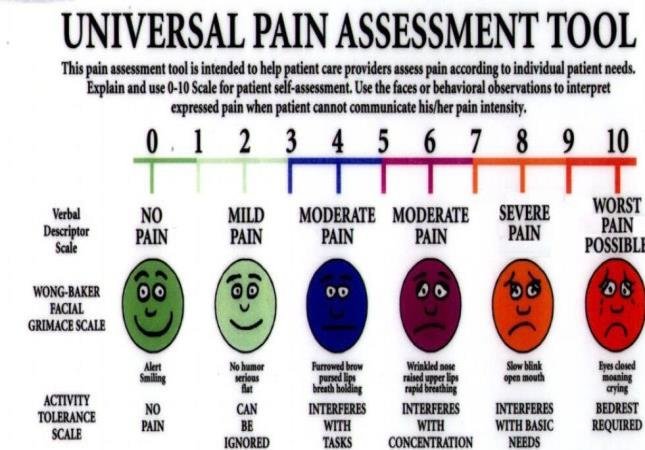
Visual Analogue Scale(VAS)

REQUEST AN APPOINTMENT OR BOOK A CONSULANT – Sargam.dange.18@gmail.com

A Visual Analogue Scale (VAS) is one of the pain rating scales used for the first time in 1921 by Hayes and Patterson. It is often used in epidemiologic and clinical research to measure the intensity or frequency of various symptoms. For example, the amount of pain that a patient feels ranges across a continuum from none to an extreme amount of pain. From the patient’s perspective, this spectrum appears continuous ± their pain does not take discrete jumps, as a categorization of none, mild, moderate and severe would suggest. It was to capture this idea of an underlying continuum that the VAS was devised.

for consultant or book an online appointment- gmail- sargam.dange.18@gmail.com

Purpose

The pain VAS is a unidimensional measure of pain intensity, used to record patients’ pain progression, or compare pain severity between paints with similar conditions. VAS has been widely used in diverse adult populations for example; those with rheumatic diseases, patients with chronic pain, cancer, or cases with allergic rhinitis. In addition to rating pain, it has been used to evaluate mood, appetite, asthma, dyspepsia, and ambulation, and it can be used as a simple, valid, and effective to assess disease control.

Structure, Orientation, and Response Options

VAS can be presented in a number of ways, including:

  • Numerical rating scales, scales with a middle point, graduations, or numbers.
  • Curvilinear analog scales, meter-shaped scales.
  • “Box-scales” consist of circles equidistant from each other (one of which the subject has to mark).
  • Graphic rating scales or Likert scales with descriptive terms at intervals along a line.

The most simple VAS is a straight horizontal line of fixed length, usually 100 mm. The ends are defined as the extreme limits of the parameter to be measured (symptom, pain, health) orientated from the left (worst) to the right (best). In some studies, horizontal scales are orientated from right to left, and many investigators use vertical VAS.

No difference between horizontal and vertical VAS has been shown in a survey involving 100 subjects but other authors have suggested that the two orientations differ with regard to the number of possible angles of view.Reproducibility has been shown to vary along 100-mm and along a horizontal VAS. the choice of terms to define the anchors of a scale has also been described as important.

Administration

  • They are generally completed by patients themselves but are sometimes used to elicit opinions from health professionals.
  • The patient marks on the line the point that they feel represents their perception of their current state.
  • The VAS score is determined by measuring in millimetres from the left hand end of the line to the point that the patient marks.

Recall Period for items

Recall period for items.Varies, but most commonly respondents are asked to report “current” pain intensity or pain intensity “in the last 24 hours.”

Scoring and Interpretation

Using a ruler, the score is determined by measuring the distance (mm) on the 10-cm line between the “no pain” anchor and the patient’s mark, providing a range of scores from 0–100. A higher score indicates greater pain intensity. Based on the distribution of pain VAS scores in post-surgical patients (knee replacement, hysterectomy, or laparoscopic myomectomy who described their postoperative pain intensity as none, mild, moderate, or severe, the following cut points on the pain VAS have been recommended: no pain (0–4 mm), mild pain(5-44 mm), moderate pain (45–74 mm), and severe pain (75–100 mm). Normative values are not available. The scale has to be shown to the patient otherwise it is an auditory scale, not a visual one. There is a recent study stated that” the preferred paper-based VAS item is with a horizontal, 8-cm long”.

REQUEST AN APPOINTMENT OR BOOK A CONSULANT – Sargam.dange.18@gmail.com

Merits and Demerits

The VAS is widely used due to its simplicity and adaptability to a broad range of populations and settings.

Merits

  • VAS is more sensitive to small changes than are simple descriptive ordinal scales in which symptoms are rated, for example, as mild or slight, moderate, or severe to agonizing.
  • These scales are of most value when looking at change within individuals.
  • The VAS takes < 1 minute to complete.
  • Easy to use with routine treatment.
  • No training is required other than the ability to use a ruler to measure the distance to determine a score.
  • Minimal translation difficulties have led to an unknown number of cross-cultural adaptations.
  • Obtained data from VAS can be converted parametrically to an interval-scale level.

Demerits

  • However, assessment is clearly highly subjective.
  • Are of less value for comparing across a group of individuals at one-time point.
  • It could be argued that a VAS is trying to produce interval/ratio data out of subjective values that are at best ordinal.
  • The VAS is administered as a paper and pencil measure or digital. As a result, it cannot be administered verbally or by phone.
  • Caution is required when photo-copying the scale as this may change the length of the 10-cm line also, the same alignment of scale should be used consistently within the same patient.

Thus, some caution is required in handling such data.

Obtaining the scale

The pain VAS is available in the public domain at no cost.

Psychometric Information

Method of development.

The pain VAS originated from continuous visual analog scales developed in the field of psychology to measure well-being. Woodforde and Merskey first reported the use of the VAS pain scale with the descriptor extremes “no pain at all” and “my pain is as bad as it could possibly be” in patients with a variety of conditions. Subsequently, others reported the use of the scale to measure pain in rheumatology patients receiving pharmacologic pain therapy. While variable anchor pain descriptors have been used, there does not appear to be any rationale for selecting one set of descriptors over another.

Acceptability

The pain VAS requires little training to administer and score and has been found to be acceptable to patients. However, older patients with cognitive impairment may have difficulty understanding and therefore completing the scale. Supervision during completion may minimize these errors.

Reliability

Test–retest reliability has been shown to be good, but higher among literate (r= 0.94, P= 0.001) than illiterate patients (r = 0.71,P= 0.001) before and after attending a rheumatology outpatient clinic.

High reliability when it is used for acute abdominal pain and ICC = 0.99 [95%CI 0.989 to 0.992], and moderate to good reliability for disability in patients with chronic musculoskeletal pain.

Validity

In the absence of a gold standard for pain, criterion validity cannot be evaluated. For construct validity, in patients with a variety of rheumatic diseases, the pain VAS has been shown to be highly correlated with a 5-point verbal descriptive scale (“nil,” “mild,” “moderate,” “severe,” and “very severe”) and a numeric rating scale (with response options from “no pain” to “unbearable pain”), with correlations ranging from 0.71–0.78 and 0.62–0.91, respectively). The correlation between vertical and horizontal orientations of the VAS is 0.99.

Ability to detect a change

In patients with chronic inflammatory or degenerative joint pain, the pain VAS has demonstrated sensitivity to changes in pain assessed hourly for a maximum of 4 hours and weekly for up to 4 weeks following analgesic therapy (P=0.001). In patients with rheumatoid arthritis, the minimal clinically significant change has been estimated as 1.1 points on an 11-point scale (or 11 points on a 100-point scale). A minimum clinically important difference of 1.37 cm has been determined for a 10-cm pain VAS in patients with rotator cuff disease evaluated after 6 weeks of nonoperative treatment.

REQUEST AN APPOINTMENT OR BOOK A CONSULANT – Sargam.dange.18@gmail.com

Haemophilic arthropathy

REQUEST AN APPOINTMENT OR BOOK A CONSULANT – Sargam.dange.18@gmail.com

Haemophilic arthropathy refers to permanent joint disease occurring in haemophilia sufferers as a long-term consequence of repeated haemarthrosis. 

A target joint is a term used for a joint that has more than 3 bleeds in a 6-month period. Target joints tend to be weaker than other joints and re-bleed easily. Your medical provider may modify your treatment plan to break the cycle of bleeding.

As the long-term consequences of joint bleeds are not usually apparent until later in life, if you or your child has a joint bleed, it should be considered a serious medical event requiring immediate and aggressive treatment with factor.

for consultant or book an online appointment- gmail- sargam.dange.18@gmail.com

Around 50% of patients with haemophilia will develop a severe arthropathy.

Presents similarly to osteoarthritis, with chronic joint pain, reduced range of motion and function, and reduced quality of life.

Haemophilia is an X-linked recessive disease affecting mainly males. Haemarthroses may be spontaneous or result from minor trauma and typically first occurs before the age of two and continues to occur into adolescence. It is usual for the same joint to be repeatedly involved. In adulthood, haemarthroses are uncommon. However, proliferative chronically-inflamed synovium results in the development of haemophilic arthropathy.

The haemarthroses results in the deposit of iron in the intraarticular region, which then leads to the proliferation of the synovium, neoangiogenesis, and ultimately damage to both the articular cartilage and subchondral bone .

Haemophilic arthropathy is characterised by synovial hyperplasia, chronic inflammation, fibrosis, and haemosiderosis. The synovium mass erodes cartilage and subchondral bone leading to subarticular cyst formation.

Haemophilic arthropathy is often monoarticular or oligoarticular. Large joints are most commonly involved in the following order of frequency:

  1. knee
  2. elbow
  3. ankle
  4. hip
  5. shoulder

REQUEST AN APPOINTMENT OR BOOK A CONSULANT – Sargam.dange.18@gmail.com

  • joint effusion is seen in the setting of haemarthrosis
  • periarticular osteoporosis: from hyperaemia
  • epiphyseal enlargement with associated gracile diaphysis: from hyperaemia (appearances can be similar to juvenile rheumatoid arthritis and paralysis)
  • secondary degenerative disease: symmetrical loss of joint cartilage involving all compartments equally with periarticular erosions and subchondral cysts, osteophytes and sclerosis
  • knee
    • widened intercondylar notch
    • squared inferior margin of the patella
    • bulbous femoral condyles
    • flattened condylar surfaces
    • changes can be classified through the Arnold-Hilgartner classification 
  • elbow
    • enlarged radial head
    • widened trochlear notch
  • ankle
    • talar tilt: relative undergrowth of the lateral side of the tibial epiphysis leads to a pronated foot
  • good for detection of early disease
  • thickened synovium with low signal due to haemosiderin susceptibility effect: siderotic synovitis
  • enhancing synovium due to synovitis
  • joint effusion
  • cartilage loss and erosions can be well seen
  • bone scan
    • sensitive for detecting areas of disease over the entire skeleton
    • follow-up scans can monitor treatment response
  • radiosynoviorthesis
    • radioisotopes can be injected therapeutically into a joint to decrease bleeding and synovitis
    • Rhenium186 is emerging as the preferred isotope over Phosphorus32 and Yttrium90 particularly in medium-sized joints.

Permanent and irreversible joint damage (also known as hemophilic arthropathy) is the most common complication of hemophilia that leads to disability. It is caused by repeated bleeding into the same joint, and over time results in the destruction of the cartilage and synovium (the lining of the joint). This can cause chronic joint pain and limited movement.

Unfortunately, there is no cure for hemophilic arthropathy, and there is no way to reverse the progression of the condition once it has begun. Surgical procedures such as joint replacements help with the symptoms of joint disease but will not return your joint to 100% normal functioning.

Early factor VIII or IX replacement may prevent or delay joint destruction. Radiosynoviorthesis has been shown to be effective in reducing bleeding and effusion in selected cases. Surgical arthrodesis  or joint replacement  can be an effective treatment for the end-stage disease.

for consultant or book an online appointment- gmail- sargam.dange.18@gmail.com

Consider:

  • juvenile rheumatoid arthritis (plain radiograph)
  • paralysis
  • pigmented villonodular synovitis (MRI)
  • synovial osteochondromatosis (MRI)
  • mono- or oligoarticular involving large joints
  • joint effusion: may show fluid-fluid levels related to the blood products
  • chronic haemarthroses and hyperaemia leading to growth deformities (e.g. epiphyseal enlargement, widened intercondylar notch of the knee)
  • chronic periarticular erosions and subchondral cysts

REQUEST AN APPOINTMENT OR BOOK A CONSULANT – Sargam.dange.18@gmail.com

behçet’s disease (old silk road disease)

REQUEST AN APPOINTMENT OR BOOK A CONSULANT – Sargam.dange.18@gmail.com

Behçet’s disease, also known as Behçet’s syndrome, is a long-term auto-inflammatory disorder that affects the body’s blood vessels.

This can lead to many different symptoms, including vascular problems, oral sores, genital and skin sores, eye inflammation, arthritis, and inflammation of the gut, brain, and spinal cord.

It is a relapsing and remitting condition, which means that sometimes there may be no symptoms, but, during a flare, symptoms worsen for a while.

epidemiology-

Behçet’s disease is seen all over the world. But it’s most common in Northern Turkey (up to 420 cases per 100,000 people), the Mediterranean basin and Middle East (up to 300 cases per 100,000 people), and the Far East (about 15 cases per 100,000 people).

It appears that Behçet’s disease in India is predominantly ‘mucocutaneous’ and ‘arthritic’; ‘ocular’ and ‘neuro’ Behçet’s being uncommon. In comparison to published literature, the onset of disease in this part of the world is significantly delayed. The pathergy test is rarely positive.

Pathophysiology

Theories behind the pathogenesis of Behçet disease currently suggest an autoimmune etiology.It is thought that in genetically predisposed individuals, exposure to an infectious agent or an environmental antigen triggers the autoimmune response.

Infectious triggers

Exposure to an infectious agent may trigger a cross-reactive immune response. Proposed infectious agents have included the following:

  • Herpes simplex virus (HSV)
  • Streptococcus species
  • Staphylococcus species
  • Escherichia coli

The International Study Group for Behçet’s Disease has emphasized the presence of recurrent oral ulcers as a primary consideration in the diagnosis of Behçet disease.  In response, the pathogens above have been targeted for study, with the hope of establishing a direct link between their presence and disease activity. Unfortunately so far, researchers have been unable to generalize results across geographic populations.

The study of heat shock proteins (HSPs) has provided some insight into possible mechanisms that contribute to the development of Behçet disease. Through discovery that human HSP-60 and HSP-65 share greater than 50% homology with mycobacterial HSP, enhanced T-cell response has been elicited with exposure to both bacterial and human homogenates in Behçet disease patients compared with controls in United Kingdom, Japanese, and Turkish populations.

HSP-65, found in high concentrations in oral ulcers and active skin lesions in patients with Behçet disease, has also been demonstrated to stimulate production of antibodies that exhibit cross-reactivity with streptococcal species present in the mouth.  Feng et al suggested that HSP-A6 levels may be useful in differentiating intestinal Behçet disease from Crohn disease: in their study, serum HSP-A6 expression was significantly elevated in intestinal Behçet disease (0.72 ± 0.39 ng/mL) compared with Crohn disease (0.50 ± 0.24 ng/mL, P = 0.000) and healthy controls (0.38 ± 0.37 ng/mL). The clinical relevance of enzyme-linked immunosorbent assay (ELISA) testing to measure HSPA6 is currently unknown.

Attempts at determining whether tissue antigens have a role in channeling the immune response have been unsuccessful. Elevated peripheral levels of gamma-delta T cells (γδ+ T cells) in patients with Behçet disease in response to exposure to mycobacterial HSPs compared with those in healthy subjects imply a role for their production.  Antigen-driven expansion of oligoclonal Vβ+ T-cell receptor (TCR)–specific cell lines in Behçet disease patients has been demonstrated.  However, generalization of these results is not applicable because of the high degree of interindividual variability in TCR expression.

T cells and neutrophils

Systemic involvement of multiple organs is observed in Behçet disease, rooted primarily in the development of vasculitic or vasculopathic lesions in the affected areas. These areas may demonstrate microscopic evidence of inflammatory tissue infiltration with both T cells and neutrophils. 

Studies of T lymphocytes have suggested a T-helper type 1 (TH1)–predominant response. Both CD4+ and CD8+ lymphocytes demonstrate higher concentrations in peripheral blood, with characteristic and corresponding elevations of cytokines (interleukin [IL]–2] and interferon-γ [IFN-γ]). Serum levels of IL-12 have also been shown to be elevated in patients with Behçet disease, possibly helping drive the response. Decreased levels and impaired activity of natural killer cells were demonstrated in bronchoalveolar lavage specimens of Behçet disease patients with pulmonary manifestations.

Because of the degree of neutrophilic infiltration demonstrated in characteristic Behçet disease lesions (eg, hypopyon, pustular lesions, and pathergy reactions), the activity and function of these cells has been explored extensively. Unfortunately, existing studies offer inconsistent results regarding cell adhesion and chemotactic behavior, superoxide production, and phagocytic properties.

Thus, the specific role of neutrophils in Behçet disease has been difficult to characterize. Some studies have found that cytokine release in Behçet disease may, by an unknown mechanism, place neutrophils in a static pre-excitatory “primed” state, eventually triggered into hyperactivity by environmental stimuli at a lower threshold than in individuals who do not have Behçet disease. 

for consultant or book an online appointment- gmail- sargam.dange.18@gmail.com

Genetics

Behçet disease is a sporadic disease, but a familial aggregation is well known.  Carriers of HLA-B51/HLA-B5 have an increased risk of developing Behçet disease compared with noncarriers.  HLA-B51 is the the strongest associated genetic factor and it has been shown to be more prevalent in Turkish, Middle Eastern, and Japanese populations, corresponding with a higher prevalence of Behçet disease in these populations. However, HLA-B51 has not been shown to affect the severity of symptoms and is less prevalant in patients not from endemic areas. 

In addition, genome-wide association (GWA) studies have linked increased susceptibility to Behçet disease with polymorphisms in genes encoding for cytokines, activator factors, and chemokines.   Specific single-nucleotide polymorphisms involving the following genes have been identified  :

  • Familial Mediterranean fever gene ( MEFV) mutation Met694Val
  • TLR4 (involved in pathogen recognition and activation of innate immunity)
  • ERAP1 (codes for a molecule that processes microbial proteins in white blood cells)
  • CCR1-CCR3 (involved in recruitment of effector immune cells to sites of infection)
  • STAT4 (involved in increased risk for autoimmune disease)
  • KLRK1-KLRC4

Symptoms

Behcet’s disease symptoms vary from person to person, can come and go or become less severe over time. Signs and symptoms depend on which parts of your body are affected.

Areas commonly affected by Behcet’s disease include:

  • Mouth. Painful mouth sores that look similar to canker sores are the most common sign of Behcet’s disease. They begin as raised, round lesions in the mouth that quickly turn into painful ulcers. The sores usually heal in one to three weeks, though they do recur.
  • Skin. Some people develop acnelike sores on their bodies. Others develop red, raised and tender nodules on their skin, especially on the lower legs.
  • Genitals. Red, open sores can occur on the scrotum or the vulva. The sores are usually painful and can leave scars.
  • Eyes. Inflammation in the eye (uveitis) causes redness, pain and blurred vision, typically in both eyes. In people with Behcet’s disease, the condition can come and go.
  • Joints. Joint swelling and pain often affect the knees in people with Behcet’s disease. The ankles, elbows or wrists also might be involved. Signs and symptoms can last one to three weeks and go away on their own.
  • Blood vessels. Inflammation in veins and arteries can cause redness, pain, and swelling in the arms or legs when a blood clot results. Inflammation in the large arteries can lead to complications, such as aneurysms and narrowing or blockage of the vessel.
  • Digestive system. A variety of signs and symptoms can affect the digestive system, including abdominal pain, diarrhea and bleeding.
  • Brain. Inflammation in the brain and nervous system can cause headache, fever, disorientation, poor balance or stroke.

When to see a doctor

Make an appointment with your doctor if you notice unusual signs and symptoms that might indicate Behcet’s disease. If you’ve been diagnosed with the condition, see your doctor if you notice new signs and symptoms.

REQUEST AN APPOINTMENT OR BOOK A CONSULANT – Sargam.dange.18@gmail.com

Causes

The exact cause of Behçet’s disease is unknown, but it is thought to be an autoimmune disease.

In this type of condition, the immune system mistakenly reacts to a normal substance or process in the body, leading to symptoms of inflammation.

Certain groups of people have a higher risk of developing the disease than others.

Age: All ages and sexes are at risk of developing Behçet’s disease, but it most commonly affects people in their 20s and 30s. Men typically experience more severe symptoms than women.

Ethnicity and geographic location: These may play a role in how likely a person is to develop Behçet’s disease. The condition is most common in men from the Middle East and Asia, and women from the United States, other Western Countries, Japan, and Korea.

Genetic and hereditary factors: There may be a genetic or inherited component to the disease. Behçet’s disease could also be linked to bacteria, viruses, or environmental factors. More research is needed, however, before these suggestions can be confirmed.

Risk factors

Factors that might increase your risk of Behcet’s include:

  • Age. Behcet’s disease commonly affects men and women in their 20s and 30s, though children and older adults also can develop the condition.
  • Where you live. People from countries in the Middle East and East Asia, including Turkey, Iran, Japan and China, are more likely to develop Behcet’s.
  • Sex. While Behcet’s disease occurs in both men and women, the disease is usually more severe in men.
  • Genes. Having certain genes is associated with a higher risk of developing Behcet’s.

Complications

Complications of Behcet’s disease depend on your signs and symptoms. For instance, untreated uveitis can lead to decreased vision or blindness. People with eye signs and symptoms of Behcet’s disease need to visit an eye specialist (ophthalmologist) regularly because treatment can help prevent this complication.

Diagnosis

Because there is not a single test to diagnose Behçet’s disease, doctors need to rule out any conditions that mimic the disease.

The International Clinical Criteria for Behçet’s disease diagnosis require that certain symptoms must be present for a diagnosis to be made.

A diagnosis requires:

  • The presence of recurring mouth ulcers at least three times in one single year

In addition to the above, at least two of the criteria below must also be met:

  • recurring genital ulcers
  • eye inflammation (uveitis) confirmed by an eye exam
  • skin sores in adults who are not taking corticosteroids
  • a positive pathergy test reading within 24-48 hours of the test

In a pathergy test, a doctor inserts a small, clean needle into the skin of the forearm. A positive result is given if a small, red bump forms 1 to 2 days after the needle has been inserted.

History

In 1990, the International Study Group (ISG) for Behçet’s Disease clarified criteria for the diagnosis of Behçet disease.  The ISG group compared the clinical findings of 914 patients with a history of aphthous ulcers with those of controls. Initial criteria for diagnosis require the occurrence of at least three episodes of oral herpetiform or aphthous ulcerations within a 12-month period observed directly by a physician or reported by the patient. To confirm the diagnosis, at least two of the following must also be demonstrated:

  • Recurrent painful genital ulcers that heal with scarring
  • Ophthalmic lesions, including anterior or posterior uveitis, hypopyon, or retinal vasculitis
  • Skin lesions, including erythema nodosum–like lesions, pseudofolliculitis, or papulopustular or acneiform lesions
  • Positive results from pathergy skin testing, defined as the formation of a sterile erythematous papule 2 mm in diameter or larger that appears 48 hours following a skin prick with a sharp sterile needle (22-24 gauge [a dull needle may be used as a control])

See the Behcet’s Syndrome International Study Group Criteria calculator.

Considering the above diagnostic criteria, case presentation often includes the following characteristics:

  • Multiorgan system involvement, often beginning with mucocutaneous involvement and usually sparing the liver, kidneys, and heart
  • Age of 25-35 years at onset
  • Organ-specific manifestations characterized by exacerbations and a relapsing/remitting course

Skin and mucous membrane manifestations

Painful oral lesions (aphthous or herpetiform) are one of the criteria for diagnosis and may be the first manifestation (70% of cases). See the image below.

Oral aphthous ulcers secondary to Behçet disease.

View Media Gallery

Oral lesions are commonly found in keratinized areas of the oropharynx, often excluding the nonkeratinized surfaces of the dorsal tongue, gums, and hard palate. The lesions are usually not distinguishable from those due to other causes but often have a high recurrence rate (often more than five times per year, despite only three times per year specified in ISG criteria) and appear as multiple lesions or crops (often more than six simultaneous lesions at a given time).

Skin lesions often occur in the genital region of both sexes. In males, scrotal involvement is most characteristic; however, lesions can also develop on the penile shaft. In females, the labial area is most commonly involved, with lesions occasionally developing in the vagina and on the perineum. Genital ulcerations typically heal with scarring and are more painful in men. Development of ulcerations in women may correlate with menstruation.

Nodules that resemble erythema nodosum are more common in the lower extremities of females. They are tender, erythematous, and nodular and usually resolve after 2-3 weeks but often recur. Erythema nodosum may be an indicator of mild Behçet disease.

Acneiform papulopustular lesions are more common in men and are usually found on the trunk and extremities, although they may develop anywhere on the body.

Extragenital ulcerations that heal with scarring are rare and affect only 3% of patients.  These are very specific for Behçet disease. They can be found in the axillae, neck, breast, interdigital skin of the feet, and groin.

Positive pathergy test is more common in Turkish and Japanese populations, as well as patients with ophthalmic and neurologic manifestations.

Ocular lesions

Ocular presentations (anterior or posterior uveitis, hypopyon, retinal vasculitis, cystoid macular degeneration) represent the first manifestation of disease in 10% of patients with Behçet disease but usually occur following oral ulceration. 

Symptoms commonly include blurred vision, periorbital pain, photophobia, scleral injection, and excessive lacrimation.

Men, particularly of Iranian and Japanese descent, tend to present with more severe eye involvement.

Highly recurrent posterior uveitis can lead to blindness.

Ocular symptoms usually present in the first years of illness. Cases that cause blindness commonly develop within the first 7 years. The prognosis is better for persons who develop symptoms later in the disease course.

Neurologic manifestations

Collectively, neurologic signs and symptoms tend to be an unusual late manifestation, 1-8 years after disease onset. They include the following:

  • Memory tends to be affected in most cases, particularly affecting recall and learning. Orientation, arithmetic, and language are often unaffected.
  • Symptoms are usually parenchymal in nature, predominantly with brainstem involvement. 
  • Behavioral changes, primarily apathy or disinhibition, occur in 54% of patients.
  • Seizures and bulbar signs with ophthalmoplegia are less common.

Other less common findings include the following:

  • Infarctions due to vasculitis or thrombosis
  • Meningoencephalitis
  • Lymphocytic meningeal infiltration
  • Demyelinization

Vasculopathy

Behçet disease can cause aneurysms in the pulmonary arterial tree that often prove to be fatal. Pulmonary artery aneurysmal involvement is associated with right-sided cardiac thromboses and can manifest as hemoptysis, cough, chest pain, or dyspnea. 

Vasculitis of the small and large vessels can cause a panoply of symptoms depending on location of the lesions.

Arterial disease predominantly affects males and only rarely occurs in women. 

Venous involvement (usually in the form of superficial thrombophlebitis) is more common than arterial involvement.  Superficial thrombophlebitis presents in a linear fashion with overlying erythema and is often confused with erythema nodosum. In males, formation of these linear areas of vasculopathy leads to sclerosis and stringlike thickening in the affected areas.

Symptoms correlate with the vessel involved and may be devastating. For example, extension of an inferior vena caval clot to the hepatic vein may be the mechanism of Budd-Chiari syndrome in Behçet disease.

Arthritis

Arthritis and arthralgias occur in as many as 60% of patients and primarily affect the lower extremities, especially the knee. Ankles, wrists, and elbows can also be primarily involved.

The arthritis is nondeforming and asymmetric in nature and can assume a monoarticular, oligoarticular, or polyarticular pattern of involvement.

Symptoms relapse and remit and rarely become chronic.

Diffuse arthralgias are also common.

Gastrointestinal (GI)/genitourinary manifestations (GU)

GI involvement affects 3-16% of patients with Behçet disease. Areas affected often include the esophagus and ileocecal area. Symptoms include abdominal pain, bloating, and GI bleeding. Complications often result from deep ulceration of intestinal sections.

GU involvement can include epididymitis, neurogenic bladder, and sterile urethritis. Neurogenic bladder can present with typical symptoms of urinary retention.

Renal manifestations

Renal manifestations may be underreported. One study found that 1-29% of patients with Behçet disease developed such manifestations. 

Associated amyloidosis may develop.

The first presentation is often nephritic-range proteinuria found incidentally. Crescenteric and proliferative glomerulonephritis, as well as IgA nephritis, have also been reported in some cases. 

Other manifestations

Cardiac manifestations (5-17% of cases) include the following::

  • Coronary vasculitis and thrombosis
  • Pericarditis
  • Myocarditis
  • Endocarditis with granulomatous changes or fibrosis
  • Regurgitation
  • Diastolic dysfunction

Lung involvement occurs in up to 18% of patients with Behçet disease. Pulmonary vasculitis, hypertension, and pleural effusions have been reported. Aneurysms represent a dreaded complication of Behçet disease and may result in massive hemoptysis. The detection of a pulmonary aneurysm in the setting of a vasculitic illness is highly suggestive of Behçet disease. 

Drug therapies

According to the United Kingdom’s National Health Service (NHS), medications include:

Corticosteroids: These reduce inflammation and may be used as a systemic treatment, affecting the whole body, or in topical applications, for example, to treat mouth sores.

Immunosuppressants: These reduce are systemic medications the excessive activity of the immune system, which underlies most of the symptoms of Behçet’s.

Biological therapies: This is a newer, systemic therapy. It targets some of the specific biological processes that are involved in causing symptoms. For example, tumour necrosis factor alpha inhibitors (TNFa-inhibitors) affect the antibodies that lead to inflammation.

Topical therapy

This is applied to the surfaces of the body. It may include the use of pain-relieving therapy, including corticosteroid rinses, gels, eye drops, and ointments. Examples include triamcinolone acetonide, betamethasone, and dexamethasone.

Oral therapy

At times, it may be necessary to undergo treatment with drugs that work throughout the body. These drugs include:

  • colchicine, a medication used to prevent gout
  • corticosteroids
  • medications to suppress the immune system such as azathioprine, cyclosporine, and cyclophosphamide
  • medications that change how the body’s immune cells work

Additional medications may be recommended based on the symptoms that develop. Patients should discuss treatment options with their healthcare provider.

for consultant or book an online appointment- gmail- sargam.dange.18@gmail.com

During pregnancy

Behçet’s does not appear to be linked to pregnancy complications, but the medications used can be harmful to the unborn baby.

For this reason, it is best for any pregnancy to be planned and discussed first with a health provider.

Sometimes a baby is born with neonatal Behçet’s disease. This is very rare and usually resolves itself within 6 to 8 weeks.

REQUEST AN APPOINTMENT OR BOOK A CONSULANT – Sargam.dange.18@gmail.com

Reiters syndrome

REQUEST AN APPOINTMENT OR BOOK A CONSULANT – Sargam.dange.18@gmail.com

Reactive arthritis is joint pain and swelling triggered by an infection in another part of the body — most often the intestines, genitals or urinary tract.

This condition usually targets the knees, ankles and feet. Inflammation also can affect the eyes, skin and the tube that carries urine out of the body (urethra). Previously, reactive arthritis was sometimes called Reiter’s syndrome.

Reactive arthritis isn’t common. For most people, signs and symptoms come and go, eventually disappearing within 12 months.

for consultant or book an online appointment- gmail- sargam.dange.18@gmail.com

Causes

Reactive arthritis develops in reaction to an infection in your body, often in your intestines, genitals or urinary tract. You might not be aware of the triggering infection if it causes mild symptoms or none at all.

Numerous bacteria can cause reactive arthritis. Some are transmitted sexually, and others are foodborne. The most common ones include:

  • Campylobacter
  • Chlamydia
  • Clostridioides difficile
  • Escherichia coli
  • Salmonella
  • Shigella
  • Yersinia

Reactive arthritis isn’t contagious. However, the bacteria that cause it can be transmitted sexually or in contaminated food. Only a few of the people who are exposed to these bacteria develop reactive arthritis.

Pathophysiology

ReA is usually triggered by a GU or GI infection (see Etiology). Evidence indicates that a preceding Chlamydia respiratory infection may also trigger ReA.  The frequency of ReA after enteric infection averages 1-4% but varies greatly, even among outbreaks of the same organism. Although severely symptomatic GI infections are associated with an increased risk of ReA, asymptomatic venereal infections more frequently cause this disease.  About 10% of patients have no preceding symptomatic infection.

ReA is associated with histocompatibility leukocyte antigen B-27 (HLA-B27), a major histocompatibility complex (MHC) class I molecule involved in T-cell antigen presentation. Results for HLA-B27 are positive in 65-96% of patients (average, 75%) with ReA. Patients with HLA-B27, as well as those with a strong family clustering of the disease, tend to develop more severe and long-term disease.

Sun et al reported that susceptibility to ReA arthritis is affected by the levels of certain killer cell immunoglobulin-like receptors (KIRs), which correspond with specific HLA-C ligand genotypes. In individuals with high levels of activating and low levels of inhibitory KIR signals, pathogens can more easily trigger natural killer cell and T cell innate and adaptive immune responses, resulting in the overproduction of cytokines that contribute to the pathogenesis of ReA.

Their study of 138 patients with ReA found that KIR2DS1, which is activating, is associated with susceptibility to ReA, when present alone or in combination with the HLA-C1C1 genotype. KIR2DL2, which is inhibitory, in combination with the HLA-C1 ligand is associated with protection against ReA. Patients with ReA had significantly lower frequencies of KIR2DL2 and KIR2DL5 than did controls. The presence of more than seven inhibitory KIR genes was protective. 

The mechanism by which the interaction of the inciting organism with the host leads to the development of ReA is not known. It is possible that microbial antigens cross-react with self-proteins, stimulating and perpetuating an autoimmune response mediated by type 2 T helper (Th2) cells. Chronicity and joint damage have been associated with a Th2 cytokine profile that leads to decreased bacterial clearance.

Synovial fluid cultures are negative for enteric organisms or Chlamydia species. However, a systemic and intrasynovial immune response to the organisms has been found with intra-articular antibody and bacterial reactive T cells. Furthermore, bacterial antigen has been found in the joints. Thus, the elements for an immune-mediated synovitis are present.

Synovitis in ReA is mediated by proinflammatory cytokines. Native T cells under the influence of transforming growth factor (TGF)-β and other cytokines, such as interleukin (IL)-6, differentiate into Th17 effector cells, which then produce IL-17. IL-17 is one of the major cytokines elevated in the synovial fluid of these patients.  Deficiencies in regulatory mechanisms can result in increased proinflammatory cytokine production and worse outcome. 

The Toll-like receptors (TLRs) recognize different extracellular antigens as part of the innate immune system.  TLR-4 recognizes gram-negative lipopolysaccharide (LPS). Studies in mice and humans showed abnormalities in antigen presentation due to downregulation of TLR-4 costimulatory receptors in patients with ReA. Subsequent studies implicated TLR-2 polymorphism associated with acute ReA; however, its role is still disputed. 

Molecular evidence of bacterial DNA (obtained via polymerase chain reaction [PCR] assay) in synovial fluids has been found only in Chlamydia -related ReA, and a single placebo-controlled trial of a tetracycline derivative (ie, lymecycline) has shown a reduction in the duration of acute Chlamydia -related, but not enteric-related, ReA.  This suggests that persistent infection may play a role, at least in some cases of chlamydial-associated ReA.

In a subsequent trial, the combination of doxycycline and rifampin was superior to doxycycline alone in reducing morning stiffness and swollen and tender joints in patients with undifferentiated spondyloarthropathy. 

The role of HLA-B27 in this scenario remains to be fully defined. The following theories have been proposed:

  • Molecular mimicry – This hypothesis suggests that a similarity exists at the molecular level between the HLA-B27 molecule and the inciting organisms, allowing the triggering of an immune response and the subsequent development of clinical disease 
  • HLA-B27 as a receptor for certain bacteria – At present, there is little evidence either to confirm or to refute this hypothesis
  • Defective class I antigen-mediated cellular response – This hypothesis suggests that the HLA-B27 molecule may be a defective molecule associated with an aberrant cytotoxic T-cell response

ReA can occur in patients with HIV infection or AIDS—most likely because both conditions can be sexually acquired, rather than because ReA is triggered by HIV. The course of ReA in these patients tends to be severe, with a generalized rash resembling psoriasis, profound arthritis, and frank AIDS. HLA-B27 frequency is the same as that associated with non–AIDS-related ReA in a similar demographic group. This association points out the likely importance of CD8+ cytotoxic T cells as compared with CD4+ Th cells in the pathogenesis of ReA.

ReA is sometimes divided into epidemic and endemic forms. Whereas a triggering agent can be identified for epidemic ReA, none has been identified for endemic ReA. Differentiation between the 2 types of ReA may be difficult in some cases; however, it is not essential to either diagnosis or treatment.

for consultant or book an online appointment- gmail- sargam.dange.18@gmail.com

epidemiology

International statistics

The infections that incite ReA may vary with geographic location. For example, Y enterocolitica is more commonly identified in Europe than in North America and thus is responsible for more cases of ReA in countries such as Finland and Norway. The occurrence of ReA appears to be related to the prevalence of HLA-B27 in a population and to the rate of urethritis/cervicitis and infectious diarrhea.

More than 40 subtypes of HLA-B27 are known; those associated with the spondyloarthropathies are HLA-B2702, B2704, and B2705.  These subtypes may be somewhat geographically segregated. For example, the subtype B2705 is found predominantly in Latin America, Brazil, Taiwan, and parts of India. It is noteworthy that subtypes HLA-B2706 and B2709—found in native Indonesia and Sardinia, respectively—may be partially protective against ReA. 

In Norway, an annual incidence of 4.6 cases per 100,000 population for chlamydial ReA and an incidence of 5 cases per 100,000 population for enteric bacteria–induced ReA were reported in 1988-1990. In Finland, nearly 2% of males were found to have ReA after nongonococcal urethritis; the incidence of HLA-B27 is higher in the Finnish population. In the United Kingdom, the incidence of ReA after urethritis is about 0.8%. In the Czech Republic, the annual incidence of ReA in adults during 2002-2003 was reported at 9.3 cases per 100,000 population. 

clinical presentation

History

Reactive arthritis (ReA) usually develops 2-4 weeks after a genitourinary (GU) or gastrointestinal (GI) infection (or, possibly, a chlamydial respiratory infection . About 10% of patients do not have a preceding symptomatic infection. The classic triad of symptoms—noninfectious urethritis, arthritis, and conjunctivitis—is found in only one third of patients with ReA and has a sensitivity of 50.6% and a specificity of 98.9%.  In postenteric ReA, diarrhea and dysenteric syndrome (usually mild) is commonly followed by the clinical triad in 1-4 weeks.

In a large percentage of ReA cases, conjunctivitis or urethritis occurred weeks before the patient seeks medical attention. Patients may fail to mention this unless specifically asked. Musculoskeletal disease is evident in many of these patients. Vague, seemingly unrelated complaints may obscure this diagnosis at times. 

The onset of ReA is usually acute and characterized by malaise, fatigue, and fever. An asymmetrical, predominantly lower-extremity, oligoarthritis is the major presenting symptom. Myalgias may be noted early on. Asymmetric arthralgia and joint stiffness, primarily involving the knees, ankles, and feet (the wrists may be an early target), may be noted. Low-back pain occurs in 50% of patients.  Heel pain associated with Achilles enthesopathies and plantar fasciitis is also common.

Both postvenereal and postenteric forms of ReA may manifest initially as nongonococcal urethritis, with frequency, dysuria, urgency, and urethral discharge; this urethritis may be mild or inapparent. Urogenital symptoms, whether resulting from GU infection or from GI infection, are found in 90% of patients with ReA. 

An estimated 0.5-1% of cases of urethritis evolve into ReA. Urethritis develops acutely 1-2 weeks after infection through sexual contact and is similar to gonococcal urethritis. A purulent or hemopurulent exudate appears, and the patient complains of dysuria.

In men, chlamydial urethritis is less painful and produces less purulent discharge than acute gonorrhea does, making it difficult to notice. Findings from microscopic examination and cultures can be used to rule out Neisseria gonorrhoeae infection. Coinfection with Chlamydia and Neisseria organisms is common in some areas. In women, urethritis and cervicitis may be mild, with dysuria or slight vaginal discharge, or asymptomatic, which makes diagnosis difficult.

Often, the initial urethritis is treated with antibiotics (especially wide-spectrum tetracyclines or macrolides) when findings suggest gonorrhea. Despite an apparent early cure, the manifestations of the disease appear several weeks later, and the patient may not relate them to a previous episode of urethritis.

Lymphogranuloma venereum infection may be asymptomatic; screening should be considered in all men who have sex with men (MSM) presenting with acute arthritis, particularly if they are infected with HIV. 

In addition to conjunctivitis, ophthalmologic symptoms of ReA include erythema, burning, tearing, photophobia, pain, and decreased vision (rare).

Patients may have mild recurrent abdominal complaints after a precipitating episode of diarrhea.

Association with HIV infection

ReA is particularly common in the context of HIV infection. Accordingly, patients with new-onset ReA must be evaluated for HIV. The existing immunodepression in patients with AIDS poses special management problems.

HIV-positive ReA patients are at risk for severe psoriasiform dermatitis, which commonly involves the flexures, scalp, palms, and soles. Frequently, psoriasiform dermatitis is associated with arthritis that involves the distal joints in a destructive pattern. The disturbances of immune homeostasis in AIDS could account for this peculiar expression of psoriasis in these patients.

REQUEST AN APPOINTMENT OR BOOK A CONSULANT – Sargam.dange.18@gmail.com

Risk factors

Certain factors increase your risk of reactive arthritis:

  • Age. Reactive arthritis occurs most frequently in adults between the ages of 20 and 40.
  • Sex. Women and men are equally likely to develop reactive arthritis in response to foodborne infections. However, men are more likely than are women to develop reactive arthritis in response to sexually transmitted bacteria.
  • Hereditary factors. A specific genetic marker has been linked to reactive arthritis. But most people who have this marker never develop the condition.

Prevention

Genetic factors appear to play a role in whether you’re likely to develop reactive arthritis. Though you can’t change your genetic makeup, you can reduce your exposure to the bacteria that may lead to reactive arthritis.

Store your food at proper temperatures and cook it properly. Doing these things help you avoid the many foodborne bacteria that can cause reactive arthritis, including salmonella, shigella, yersinia and campylobacter. Some sexually transmitted infections can trigger reactive arthritis. Use condoms to help lower your risk.

for consultant or book an online appointment- gmail- sargam.dange.18@gmail.com

treatment

Approach Considerations

No curative treatment for reactive arthritis (ReA) exists. Instead, treatment aims at relieving symptoms and is based on symptom severity. Almost two thirds of patients have a self-limited course and need no treatment other than symptomatic and supportive care. As many as 30% of patients develop chronic symptoms, posing a therapeutic challenge.

Physical therapy, nonsteroidal anti-inflammatory drugs (NSAIDs), and intralesional corticosteroids may be helpful for joint, tendon, and fascial inflammation. Low-dose prednisone may be prescribed, but prolonged treatment is not advisable. Antibiotics may be given to treat underlying infection. Disease-modifying antirheumatic drugs (DMARDs) such as sulfasalazine and methotrexate may be used safely and are often beneficial. No specific surgical treatment is indicated.

Hospitalization of a patient with uncomplicated ReA is not usually indicated. Inpatient care may be considered for patients who are unable to tolerate oral administration of medications, who are unable to ambulate because of significant joint involvement, who have intractable pain, or who have concomitant disease necessitating admission.

Few treatment options exist for HIV-infected patients with severe ReA. Treatment of ReA in the setting of HIV infection poses special problems. However, potentially immunosuppressive therapies (eg, cyclosporine, methotrexate, and psoralen plus ultraviolet A [PUVA]) have been used in some cases, with variable success and relatively few severe complications. A case report from the United Kingdom suggests that antiretroviral therapy may be considered in HIV-infected ReA patients who are unresponsive to standard therapy. 

No dietary limitations are necessary unless the patient is receiving steroid therapy. Efforts should be made to maintain joint function with physical activity, joint protection, and suppression of inflammation. Physical therapy may be instituted to avoid muscle wasting and to reduce pain in severe cases. Although no limitations on physical activity need be imposed, symptoms of arthritis will usually limit patients’ activity to some extent.

Pharmacologic Therapy

NSAIDs (eg, indomethacin and naproxen) are the foundation of therapy for ReA.  Etretinate/acitretin has been shown to decrease the required dosage of NSAIDs.  Sulfasalazine or methotrexate may be used for patients who do not experience relief with NSAIDs after 1 month or who have contraindications to NSAIDs. In addition, sulfasalazine-resistant ReA may be successfully treated with methotrexate.

In a series of 22 pediatric ReA patients from the Republic of China, NSAIDs and sulfasalazine were the mainstays of treatment, with cyclophosphamide used in 14 patients and methotrexate and corticosteroids added in a few. Most achieved full remission within 6 months.

Antibiotic treatment is indicated for cervicitis or urethritis but generally not for postdysenteric ReA. In Chlamydia-induced ReA, some data suggest that prolonged combination antibiotic therapy could be an effective treatment strategy. 

Case reports exist that demonstrate the effectiveness of anti−tumor necrosis factor (TNF) medications,  such as etanercept and infliximab. No published data are available on the effectiveness of selective cyclooxygenase (COX)–2 inhibitors; however, a COX-2 inhibitor may be tried in patients who do not tolerate NSAIDs and in whom no preexisting contraindication to COX-2 use exists.

Symptom-specific approaches

Arthritis and enthesitis

Joint symptoms are best treated with aspirin or other short-acting and long-acting anti-inflammatory drugs (eg, indomethacin, naproxen). In one report, a patient became asymptomatic after 3 months of aspirin at a dosage of 80 mg/kg/day; the dosage was gradually reduced and eventually discontinued. A combination of NSAIDs is reportedly effective in severe cases. No published data suggest that any NSAID is more effective or less toxic than another (controlled treatment trials are difficult to conduct with an uncommon disease).

Varying success in treating severe cases of ReA with other medications (eg, sulfasalazine, methotrexate, etretinate, ketoconazole, azathioprine, or intra-articular steroid injections) has been reported. In a refractory case or a patient with HIV-associated ReA, the anti−TNF-α agent infliximab may be successful.  Depending on the culture results, a short course of antibiotics may be needed; however, treatment may not affect the disease course. Longer-term administration of antibiotics to treat joint symptoms provides no established benefits.

Conjunctivitis and uveitis

Transient and mild conjunctivitis is usually not treated. Mydriatics and cycloplegics (eg, atropine) with topical corticosteroids may be administered in patients with acute anterior uveitis. Patients with recurrent ocular involvement may require systemic corticosteroid therapy and immunomodulators to preserve vision and prevent ocular morbidity. 

Urethritis and gastroenteritis

Antibiotics may be considered for urethritis and gastroenteritis, depending on the cultures used and their sensitivity. In general, urethritis may be treated with a 7- to 10-day course of erythromycin or tetracycline. Antibiotic treatment of enteritis is controversial.

Mucocutaneous lesions

Only local care is necessary for mucosal lesions. Topical steroids may be needed for psoriasiform lesions; the use of hydrocortisone or triamcinolone may be beneficial. A topical keratolytic, such as 10% salicylic acid ointment, can be added if needed. Topical salicylic acid and hydrocortisone with oral aspirin has also been suggested. 

Hydrocortisone 2.5% cream and salicylic acid 10% ointment are effective in treating chronic keratoderma blennorrhagicum and circinate balanitis, though either condition may heal without medical treatment. Circinate balanitis usually responds to topical steroids; however, it can be recurrent and create a therapeutic challenge. Balanitis refractory to conventional therapy can be successfully treated with the complementary use of topical 0.1% tacrolimus. 

Systemic therapy, if required, consists of the administration of oral acitretin, PUVA, methotrexate, cyclosporine, or some combination thereof.

Nonsteroidal anti-inflammatory drugs

The choice of a specific NSAID depends on the individual response to treatment. Phenylbutazone may work in patients refractive to other NSAIDs. These agents should be used regularly to achieve a good anti-inflammatory effect. Patients must be instructed on compliance and the possible need to adjust the dosage or switch to another agent. Treatment must be continued for 1 month at maximum dosage before effectiveness can be fully evaluated.

NSAIDs may reduce the intensity and the frequency of recurrences of ocular inflammation and allow a decrease in the corticosteroid dosage, which helps decrease the chances of cataract formation and other associated corticosteroid effects.

The decreased awareness of pain sometimes seen with the use of NSAIDs may alter the patient’s recognition of recurrences. Patients should be examined whenever any change in symptoms occurs to evaluate for recurrence of an acute episode of inflammation. Ocular involvement may parallel systemic and joint disease relapses.

Corticosteroids

Corticosteroids may be given either via intra-articular injection or as systemic therapy. For ocular manifestations of ReA, they may also be given topically.

Joint injections can produce long-lasting symptomatic improvement and help avoid the use of systemic therapy. Sacroiliac joints can be injected, usually under fluoroscopic guidance. 

Systemic corticosteroids may be particularly useful in patients who do not respond well to NSAIDs or who experience adverse effects related to the use of NSAIDs. The starting dose is guided by a patient’s symptoms and objective evidence of inflammation. Prednisone can be used initially at a dosage of 0.5-1 mg/kg/day, tapered according to response.

Topical corticosteroids and mydriatics should be used early and aggressively to reduce tissue damage. Prolonged topical treatment is necessary for several weeks after the inflammation has cleared; early withdrawal of topical corticosteroids frequently results in the return of inflammatory changes. Keratolytics or topical corticosteroids may improve cutaneous lesions. Topical corticosteroids may be useful for iridocyclitis.

Antibiotics

The current view of the pathogenesis of ReA indicates that an infectious agent is the trigger of the disease, but antibiotic treatment does not change the course of the disease, even when a microorganism is isolated. In these cases, antibiotics are used to treat the underlying infection, but specific treatment guidelines for ReA are lacking.

However, in Chlamydia -induced ReA, studies have suggested that appropriate treatment of the acute genitourinary (GU) infection can prevent ReA and that treatment of acute ReA with a 3-month course of tetracycline reduces the duration of illness. Empiric antibiotics may be considered after appropriate cultures have been taken. Nongonococcal urethritis and other infections can be treated specifically with systemic antibiotics. In the absence of contraindications, treatment of urethritis is recommended, even if improvement is not certain.

Although urethritis and cervicitis are commonly treated with antibiotics, diarrhea generally is not. No evidence indicates that antibiotic therapy benefits enteric-related ReA or chronic ReA of any cause.

Long-term antibiotic therapy may be warranted in cases of poststreptococcal ReA; however, this is currently a controversial topic.

Lymecycline (a tetracycline available outside the United States) was studied in a double-blind placebo-controlled study of patients with chronic ReA for a treatment period of 3 months.  The duration of illness was significantly shorter in patients with Chlamydia -induced disease than in those with disease triggered by enteric infections.

Azithromycin was shown to be ineffective in a placebo-controlled trial. Nevertheless, in another study, azithromycin or doxycycline in combination with rifampin for 6 months was reported to be significantly superior to placebo and significantly improved symptoms associated with Chlamydia-induced ReA.

Quinolones have been studied because of their broad coverage, but no clear benefit has been reported. In a randomized, double-blind, placebo-controlled study of 56 patients with recent-onset ReA, 3 months of treatment with a combination of ofloxacin and roxithromycin was not better than placebo in improving outcomes.

More studies are needed before definite recommendations can be made for the role of antibiotics in the management of ReA. 

Disease-modifying antirheumatic drugs

In patients who have chronic symptoms or have persistent inflammation despite the use of the agents mentioned above, other second-line drugs may be used. Clinical experience with these DMARDs has been mostly in rheumatoid arthritis and in psoriatic arthritis. However, DMARDs have also been used in ReA, though their disease-modifying effects in this setting are uncertain.

Sulfasalazine has been shown to be beneficial in some patients. The use of this drug in ReA is of interest because of the finding of clinical or subclinical inflammation of the bowel in many patients. Sulfasalazine is more widely used in ankylosing spondylitis. In a 36-week trial of sulfasalazine versus placebo to treat spondyloarthropathies, patients with ReA who were taking sulfasalazine had a 62.3% response rate, compared with a 47.7% rate for the placebo group in peripheral arthritis. 

Methotrexate may be used in patients who present with rheumatoidlike disease. Several reports have shown good response, but controlled studies are lacking. Reports also describe the use of azathioprine and bromocriptine in ReA, but again, large studies have not been published. Patients with ReA who have HIV infection or AIDS should not receive methotrexate or other immunosuppressive agents.

Case reports have demonstrated the effectiveness of anti-TNF medications, such as etanercept and infliximab, though there remains a need for randomized, double-blind trials. The high concentrations of TNF-α in the serum and joints of patients with persistent ReA suggest that this cytokine could be targeted in patients who do not respond to NSAIDS and DMARDs. Anti−TNF-α therapy has been demonstrated to be effective treatment for ReA, with a corticosteroid-sparing effect. 

However, TNF-α antagonists can increase the risk of serious infection, and it is important to conduct infectious screening and monitoring with a high index of suspicion, as well as preemptive treatment, when such medications are used.  Anti-TNF medications can also be associated with severe glomerulonephritis, and it is recommended that renal function be closely monitored in patients treated with these agents. 

Interleukin (IL)-6 plays an important role in regulating immune response. Unregulated overproduction of IL-6, however, is pathologically involved in various immune-mediated inflammatory diseases, including ReA. Tocilizumab, a humanized anti–IL-6 receptor antibody, may provide clinical benefit in patients who are refractory to conventional therapy or anti-TNF therapy.  However, further clinical studies are required.

Surgical Intervention

No surgical therapy for ReA is recommended. However, surgical intervention may be warranted for certain ocular manifestations of the disease.

The posterior spillover of inflammatory material in the chronic iridocyclitis associated with ReA may result in persistent vitreous opacification. The cumulative effects of secondary involvement of the vitreous may result in visually disabling vitreous debris and opacification, making these eyes good candidates for vitrectomy. Although vitrectomy should be considered only after prolonged follow-up care and thorough planning, it appears to offer a definitive improvement in vision in certain cases.

Because of the intense episodes of recurrent inflammation, it is essential to render the eyes as quiet as possible before surgery by using topical, periocular, or systemic corticosteroids. At least 3 months of cell-free slit lamp examinations—6 months for younger patients and severe cases—should be documented before elective surgical intervention.

Preoperative ultrasonography is helpful in determining the degree of vitreous opacification, the thickening of the choroid, and the presence of a cyclitic membrane, which can create significant problems at surgery.

The major objective of surgery in patients with complicated uveitic cataract and vitreous opacification is to improve vision. Vitrectomy may favorably modify the dynamics of the uveitic process, though lensectomy-vitrectomy does not reduce the inflammatory reaction in all cases.

Cystoid macular edema is the major cause of decreased visual acuity after surgery; however, this is a common and serious complication of chronic uveitis even without surgery. Vitrectomy may actually reduce cystoid macular edema with gradual resolution over 1 year and an improvement in vision in some patients.

REQUEST AN APPOINTMENT OR BOOK A CONSULANT – Sargam.dange.18@gmail.com
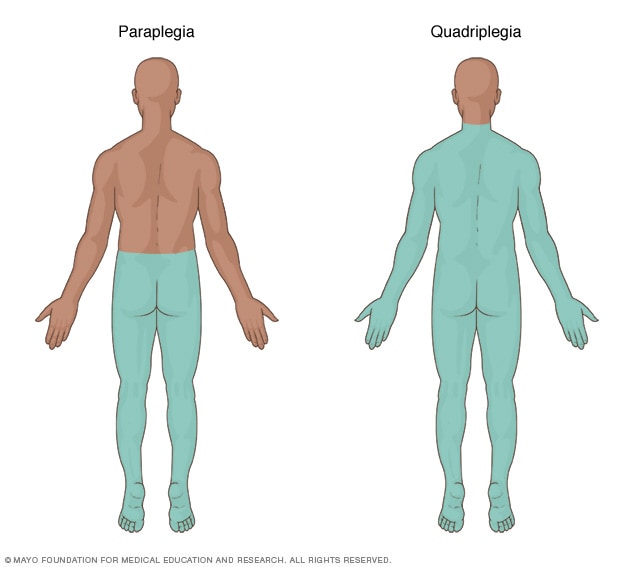
Design a site like this with WordPress.com
Get started