Diet in Hyperlipidenmia

REQUEST AN APPOINTMENT OR BOOK A CONSULANT – Sargam.dange.18@gmail.com

What is hyperlipidemia?

Hyperlipidemia is a medical term for abnormally high levels of fats (lipids) in the blood. The two major types of lipids found in the blood are triglycerides and cholesterol.

Triglycerides are made when your body stores the extra calories it doesn’t need for energy. They also come directly from your diet in foods such as red meat and whole-fat dairy. A diet high in refined sugar, fructose, and alcohol raises triglycerides.

Cholesterol is produced naturally in your liver because every cell in your body uses it. Similar to triglycerides, cholesterol is also found in fatty foods like eggs, red meat, and cheese.

Hyperlipidemia is more commonly known as high cholesterol. Although high cholesterol can be inherited, it’s more often the result of unhealthy lifestyle choices.

Understanding cholesterol

Cholesterol is a fatty substance that travels through your bloodstream on proteins called lipoproteins. When you have too much cholesterol in your blood, it can build up on the walls of your blood vessels and form plaque. Over time, plaque deposits grow larger and begin to clog up your arteries, which can lead to heart disease, heart attack, and stroke.

Getting a diagnosis

Hyperlipidemia has no symptoms, so the only way to detect it is to have your doctor perform a blood test called a lipid panel or a lipid profile. This test determines your cholesterol levels. Your doctor will take a sample of your blood and send it to a lab for testing, then get back to you with a full report. Your report will show your levels of:

  • total cholesterol
  • low-density lipoprotein (LDL) cholesterol
  • high-density lipoprotein (HDL) cholesterol
  • triglycerides

Your doctor may ask you to fast for 8 to 12 hours before getting your blood drawn. That means you’ll need to avoid eating or drinking anything other than water during that time. However, recent studies suggest that fasting isn’t always necessary, so follow your doctor’s instructions in regard to your particular health concerns.

Generally, a total cholesterol level above 200 milligrams per deciliter is considered high. However, safe levels of cholesterol can vary from person to person depending on health history and current health concerns, and are best determined by your doctor. Your doctor will use your lipid panel to make a hyperlipidemia diagnosis.

Are you at risk for hyperlipidemia?

There are two types of cholesterol, LDL and HDL. You’ve probably heard them called “bad” and “good” cholesterol, respectively. LDL (“bad”) cholesterol builds up in your artery walls, making them hard and narrow. HDL (“good”) cholesterol cleans up excess “bad” cholesterol and moves it away from the arteries, back to your liver. Hyperlipidemia is caused by having too much LDL cholesterol in your blood and not enough HDL cholesterol to clear it up.

Unhealthy lifestyle choices can raise “bad” cholesterol levels and lower “good” cholesterol levels. If you’re overweight, eating lots of fatty foods, smoking, or not getting enough exercise, then you’re at risk.

Lifestyle choices that put you at risk for high cholesterol include:

  • eating foods with saturated and trans fats
  • eating animal protein, like meat and dairy
  • not getting enough exercise
  • not eating enough healthy fats
  • obesity
  • large waist circumference
  • smoking
  • drinking alcohol excessively

Abnormal cholesterol levels are also found in some people with certain health conditions, including:

  • kidney disease
  • diabetes
  • polycystic ovary syndrome
  • pregnancy
  • underactive thyroid
  • inherited conditions

As well, your cholesterol levels may be affected by certain medications:

  • birth control pills
  • diuretics
  • some depression medications

Familial combined hyperlipidemia

There’s a type of hyperlipidemia that you can inherit from your parents or grandparents. It’s called familial combined hyperlipidemia. Familial combined hyperlipidemia causes high cholesterol and high triglycerides. People with this condition often develop high cholesterol or high triglyceride levels in their teens and receive a diagnosis in their 20s or 30s. This condition increases the risk of early coronary artery disease and heart attack.

Unlike people with typical hyperlipidemia, people with familial combined hyperlipidemia may experience symptoms of cardiovascular disease after a few years, such as:

  • chest pain (at a young age)
  • heart attack (at a young age)
  • cramping in the calves while walking
  • sores on the toes that don’t heal properly
  • stroke symptoms, including trouble speaking, drooping on one side of the face, or weakness in the extremities

REQUEST AN APPOINTMENT OR BOOK A CONSULANT – Sargam.dange.18@gmail.com

How to treat and manage hyperlipidemia at home

Lifestyle changes are the key to managing hyperlipidemia at home. Even if your hyperlipidemia is inherited (familial combined hyperlipidemia), lifestyle changes are still an essential part of treatment. These changes alone may be enough to reduce your risk of complications like heart disease and stroke. If you’re already taking medications, lifestyle changes can improve their cholesterol-lowering effects.

Eat a heart-healthy diet

Making changes to your diet can lower your “bad” cholesterol levels and increase your “good” cholesterol levels. Here are a few changes you can make:

  • Choose healthy fats. Avoid saturated fats that are found primarily in red meat, bacon, sausage, and full-fat dairy products. Choose lean proteins like chicken, turkey, and fish when possible. Switch to low-fat or fat-free dairy. And use monounsaturated fats like olive and canola oil for cooking.
  • Cut out the trans fats. Trans fats are found in fried food and processed foods, like cookies, crackers, and other snacks. Check the ingredients on product labels. Skip any product that lists “partially hydrogenated oil.”
  • Eat more omega-3s. Omega-3 fatty acids have many heart benefits. You can find them in some types of fish, including salmon, mackerel, and herring. They can also be found in some nuts and seeds, like walnuts and flax seeds.
  • Increase your fiber intake. All fiber is heart-healthy, but soluble fiber, which is found in oats, brain, fruits, beans, and vegetables, can lower your LDL cholesterol levels.
  • Learn heart-healthy recipes. Check out thetips on delicious meals, snacks, and desserts that won’t raise your cholesterol.
  • Eat more fruits and veggies. They’re high in fiber and vitamins and low in saturated fat.

Lose weight

If you’re overweight or obese, losing weight can help lower your total cholesterol levels. Even 5 to 10 pounds can make a difference.

Losing weight starts with figuring out how many calories you’re taking in and how many you’re burning. It takes cutting 3,500 calories from your diet to lose a pound.

To lose weight, adopt a low-calorie diet and increase your physical activity so that you’re burning more calories than you’re eating. It helps to cut out sugary drinks and alcohol, and practice portion control.

Get active

Physical activity is important for overall health, weight loss, and cholesterol levels. When you aren’t getting enough physical activity, your HDL cholesterol levels go down. This means there isn’t enough “good” cholesterol to carry the “bad” cholesterol away from your arteries.

You only need 40 minutes of moderate to vigorous exercise three or four times a week to lower your total cholesterol levels. The goal should be 150 minutes of exercise total each week. Any of the following can help you add exercise to your daily routine:

  • Try biking to work.
  • Take brisk walks with your dog.
  • Swim laps at the local pool.
  • Join a gym.
  • Take the stairs instead of the elevator.
  • If you use public transportation, get off a stop or two sooner.

Quit smoking

Smoking lowersyour “good” cholesterol levels and raises your triglycerides. Even if you haven’t been diagnosed with hyperlipidemia, smoking can increase your risk of heart disease. Talk to your doctor about quitting or try the nicotine patch. Nicotine patches are available at the pharmacy without a prescription.

Hyperlipidemia medications

If lifestyle changes aren’t enough to treat your hyperlipidemia, your doctor may prescribe medication. Common cholesterol- and triglyceride-lowering medications include:

  • statins, such as:
    • atorvastatin (Lipitor)
    • fluvastatin (Lescol XL)
    • lovastatin (Altoprev)
    • pitavastatin (Livalo)
    • pravastatin (Pravachol)
    • rosuvastatin (Crestor)
    • simvastatin (Zocor)
  • bile-acid-binding resins, such as:
    • cholestyramine (Prevalite)
    • colesevelam (WelChol)
    • colestipol (Colestid)
  • cholesterol absorption inhibitors, such asezetimibe (Zetia)
  • injectable medications, such as alirocumab(Praluent) or evolocumab (Repatha)
  • fibrates, like fenofibrate (Fenoglide, Tricor, Triglide) or gemfibrozil (Lopid)
  • niacin (Niacor)
  • omega-3 fatty acid supplements
  • other cholesterol-lowing supplements

Outlook

People with untreated hyperlipidemia have a greater chance of getting coronary heart disease than the general population. Heart disease is a condition in which plaque builds up inside the coronary (heart) arteries. Hardening of the arteries, called atherosclerosis, happens when plaque builds up on the walls of arteries. Over time, plaque buildup narrows the arteries and can block them completely, preventing normal blood flow. This can lead to heart attack, stroke, or other problems.

How to prevent high cholesterol

You can make changes to your lifestyle to prevent high cholesterol or reduce your risk of developing hyperlipidemia:

  • Exercise several days per week.
  • Eat a diet low in saturated and trans fats.
  • Include lots of fruits, vegetables, beans, nuts, whole grains, and fish regularly into your diet. (The Mediterranean diet is an excellent heart-healthy eating plan.)
  • Stop eating red meat and processed meats like bacon, sausage, and cold cuts.
  • Drink skim or low-fat milk.
  • Maintain a healthy weight.
  • Eat lots of healthy fats, like avocado, almonds, and olive oil.

Heart Disease is the leading cause of death in the United States. Understanding the physiology of nutrition and effects of your behaviors could save a life. Your diet and consumption play a direct role in your overall health and mental state.

The most common type of heart disease in this country is Coronary Artery Disease (CAD). CAD develops due to a buildup of plaque in the walls of the coronary arteries (the arteries that supply blood to the heart and other areas as well). Some of this plaque is made up of deposits of cholesterol. As a result of this buildup of plaque inside the arteries, these arteries tend to narrow over time, which can partly or completely block the flow of blood – also known as atherosclerosis.

Hypercholesterolemia and hyperlipidemia are two risk factors of heart disease. Hyperlipidemia is defined as your blood having too many lipids – examples of lipids (also known as fats) include cholesterol and triglycerides.
Hypercholesterolemia is defined as having too much bad cholesterol (LDL) in your blood. Not enough good cholesterol (HDL) to remove your cholesterol from your arteries can also increase your risk of a blockage due to the fatty deposits left in your arteries.

So how do you prevent hyperlipidemia and hypercholesterolemia through diet?

  • Limit saturated fat intake to <14 g/day
    • Foods high in saturated fat include: fried foods, butter, high fat dairy products (i.e., whole milk, cheese – stick to low-fat cheese), bacon, sausage, red meat
    • When looking at a nutrition label, you want the saturated fat content to be as close to 0 as possible
    • Limit trans fat intake– found in margarine, fried foods, packaged foods, foods with hydrogenated oil under the ingredient list
  • Increase your intake of heart healthy fats (omega 3 fatty acids)
    • Salmon, walnuts, flaxseed, avocado are some examples of healthy fats
  • Limit the fat you eat to 25-35% of total calories you eat
  • Aim for 20-30 g of dietary fiber daily
  • Fruits, vegetables, whole grains and beans are some sources of fiber
  • Get in 30 minutes of exercise daily
  • Limit cholesterol in your diet
    • Foods high in cholesterol include egg yolks (one egg yolk has about 212 mg of cholesterol), fatty meat, whole milk, cheese, shrimp, lobster, and crab.
      • Limit egg intake to one per day
      • Limit shrimp intake to 3 oz. as a 3 oz. serving of shrimp is equivalent to one egg
      • For those who do not have high cholesterol, 2 eggs per day is acceptable

Nutritional Counseling

Behavioral Nutrition specializes in providing support for patients who need help eating healthier to prevent more serious issues like heart disease. We understand that there is no one size fits all approach when it comes to dieting and nutrition. Everyone has different preferences and unique tastes so our Nutritionists work hard to create a nutrition plan that works for each of our patients. We take a holistic approach to find sustainable solutions that give our patients the tools they need to eat healthy and stay active so they can stay healthy. Contact us to learn more about how our Behavioral Therapy Services can help you improve your diet for a healthier lifestyle.

REQUEST AN APPOINTMENT OR BOOK A CONSULANT – Sargam.dange.18@gmail.com

Hypertension- causes and dietary treatment,

REQUEST AN APPOINTMENT OR BOOK A CONSULANT – Sargam.dange.18@gmail.com

  • Sodium restricted diet,
  • level of sodium restriction,
  • sources of sodium,
  • danger of severe sodium restriction.

What is high blood pressure?

Blood pressure is the force of blood pushing against blood vessel walls. The heart pumps blood into the arteries (blood vessels) which carry the blood throughout the body. High blood pressure, also called hypertension, means the pressure in your arteries is above the normal range. In most cases, no one knows what causes high blood pressure. What you eat can affect your blood pressure.

How does nutrition affect blood pressure?

  • Certain foods can increase blood pressure.
  • Certain foods can lower blood pressure.
  • Gaining weight can increase blood pressure.
  • Losing weight can reduce blood pressure.

What should I eat to control high blood pressure?

  • Eat foods lower in fat, salt, and calories.
  • Use spices and herbs, vinegar, lemon or fruit juices instead of salt to flavor foods.
  • Use less oil, butter, margarine, shortening, and salad dressings.

What are some of the foods I should eat?

  • Skim or 1% milk, yogurt, Greek yogurt (calcium-rich foods can lower blood pressure).
  • Lean meat.
  • Skinless turkey and chicken.
  • Low-salt, ready-to-eat cereals.
  • Cooked hot cereal (not instant).
  • Low-fat and low-salt cheeses.
  • Fruits (fresh, frozen, or canned without added salt).
  • Vegetables (fresh, frozen or canned, no added salt).
    • Richly colored green, orange, and red items are high in potassium and minerals that help lower blood pressure.
    • The goal is 5-9 servings of fruits and vegetables per day.
  • Plain rice, pasta, and potatoes.
  • Breads (English muffins, bagels, rolls, and tortillas).
  • Lower salt “prepared” convenience food.

Unsalted seeds (pumpkin, squash, sunflower) and unsalted nuts are mineral-rich foods that lower blood pressure.

What foods should I eat less of?

  • Butter and margarine.
  • Regular salad dressings.
  • Fatty meats.
  • Whole milk dairy products.
  • Fried foods.
  • Salted snacks.
  • Canned soups.
  • Fast foods.
  • Deli meats.

What’s the difference between sodium and salt?

Salt is mostly sodium, a mineral that occurs naturally in foods. Sodium is the substance that may cause your blood pressure to increase. Other forms of sodium are also present in food. MSG (monosodium glutamate) is another example of a sodium added to food (common in Chinese food).

REQUEST AN APPOINTMENT OR BOOK A CONSULANT – Sargam.dange.18@gmail.com

How does salt increase blood pressure?

When you eat too much salt, which contains sodium, your body holds extra water to “wash” the salt from your body. In some people, this may cause blood pressure to rise. The added water puts stress on your heart and blood vessels.

How much sodium is too much?

The American Heart Association recommends limiting daily sodium intake no more than 1,500 milligrams. (A teaspoon of salt has about 2,400 milligrams of sodium.) Most people greatly exceed these sodium guidelines.

How can I reduce my sodium intake?

  • Don’t use table salt.
  • Read nutrition labels and choose foods lower in sodium.
  • Choose foods marked “sodium-free,” “low sodium,” and “unsalted.”
  • Use salt substitutes (ask your healthcare provider first).
  • Don’t use lite salt as a substitute.
  • Read content labels. (Contents are listed in order of greatest amount.)
  • Purchase sodium-free herbs and seasoning mixes like Mrs. Dash®.

What foods are high in sodium?

  • Processed foods such as lunch meats, sausage, bacon, and ham.
  • Canned soups, bouillon, dried soup mixes.
  • Deli meats.
  • Condiments (catsup, soy sauce, salad dressings).
  • Frozen and boxed mixes for potatoes, rice, and pasta.
  • Snack foods (pretzels, popcorn, peanuts, chips).
  • Pickled or marinated food in brine. (Vinegar- and lemon juice-based marinades are ok.)

What else should I do to change my diet?

  • Avoid alcohol.
  • Eat a variety of foods.
  • Eat foods high in dietary fiber (whole grain breads, cereals, pasta, fresh fruit, and vegetables).

Comparison of Sodium in Foods

Meats, poultry, fish, and shellfish

Food: Milligrams (mg.) sodium

Fresh meat, 3 oz. cooked: Less than 90 mg

Shellfish, 3 oz: 100 to 325 mg

Tuna, canned, 3 oz: 300 mg

Lean ham, 3 oz.: 1,025 mg

Dairy products

Food: Milligrams sodium

*Whole milk, 1 cup: 120 mg

Skim or 1% milk, 1 cup: 125 mg

*Buttermilk (salt added), 1 cup: 260 mg

*Swiss cheese, 1 oz: 75 mg

*Cheddar cheese, 1 oz : 175 mg

Low-fat cheese, 1 oz.: 150 mg

*Cottage cheese (regular), 1/2 cup: 455 mg

Vegetables

Food: Milligrams sodium

Fresh or frozen vegetables, and no-salt-added canned (cooked without salt), 1/2 cup: Less than 70 mg

Vegetables canned or frozen (without sauce), 1/2 cup: 55-470 mg

Tomato juice, canned, 3/4 cup: 660 mg

Breads, cereals, rice and pasta

Food: Milligrams sodium

Bread, 1 slice: 110-175 mg

English muffin (half): 130 mg

Ready-to-eat, shredded wheat, 3/4 cup: Less than 5 mg

Cooked cereal (unsalted), 1/2 cup: Less than 5 mg

Instant cooked cereal, 1 packet: 180 mg

Canned soups, 1 cup: 600-1,300 mg

Convenience foods

Food: Milligrams sodium

Canned and frozen main dishes, 8 oz: 500-1,570 mg

*These can also be high in saturated fat, unless low-fat or reduced fat options are purchased.

*High in saturated fat.

REQUEST AN APPOINTMENT OR BOOK A CONSULANT – Sargam.dange.18@gmail.com

click here to read more

Improvement of nutrition of a community

REQUEST AN APPOINTMENT OR BOOK A CONSULANT – Sargam.dange.18@gmail.com
  • Modern methods of improvement or nutritional quality of food,
  • food fortification,enrichment and nutrient supplementations.
  • Nutrition education themes and messages in nutrition and health,
  • Antenatal and postnatal care.

Modern methods of improvement or nutritional quality of food

objective:

The increasing consumer interest in health prompted Unilever to develop a globally applicable method (Nutrition Score) to evaluate and improve the nutritional composition of its foods and beverages portfolio.

Methods:

Based on (inter)national dietary recommendations, generic benchmarks were developed to evaluate foods and beverages on their content of trans fatty acids, saturated fatty acids, sodium and sugars. High intakes of these key nutrients are associated with undesirable health effects. In principle, the developed generic benchmarks can be applied globally for any food and beverage product. Product category-specific benchmarks were developed when it was not feasible to meet generic benchmarks because of technological and/or taste factors.

Results:

The whole Unilever global foods and beverages portfolio has been evaluated and actions have been taken to improve the nutritional quality. The advantages of this method over other initiatives to assess the nutritional quality of foods are that it is based on the latest nutritional scientific insights and its global applicability.

Conclusions:

The Nutrition Score is the first simple, transparent and straightforward method that can be applied globally and across all food and beverage categories to evaluate the nutritional composition. It can help food manufacturers to improve the nutritional value of their products. In addition, the Nutrition Score can be a starting point for a powerful health indicator front-of-pack. This can have a significant positive impact on public health, especially when implemented by all food manufacturers.

Are Fortified and Enriched Foods Healthy?

More than two-thirds of Americans don’t eat fruits or vegetables at least twice a day, and most don’t meet the recommended dietary guidelines.

Worldwide, more than 2 billion people have micronutrient deficiencies because they aren’t getting enough essential vitamins and minerals each day. Many Americans also aren’t meeting the requirement for vitamins and minerals, especially children.

Fortified and enriched foods were introduced in the 1930s and 1940s. They were intended to help boost vitamin and mineral intake with foods that adults and children were already eating, like grains and milk.

What’s a fortified or enriched food?

Fortified foods are those that have nutrients added to them that don’t naturally occur in the food. These foods are meant to improve nutrition and add health benefits. For example, milk is often fortified with vitamin D, and calcium may be added to fruit juices.

An enriched food means that nutrients that were lost during processing are added back in. Many refined grains are enriched. Wheat flour, for example, may have folic acid, riboflavin, and iron added back in after processing. This is intended to restore its original vitamin levels.

Are fortified and enriched foods healthy?

Historically, fortifying foods has been widely successful in the United States. Common diseases that are caused by nutrient deficiencies, like rickets and pellagra, have been virtually eliminated.

Even though fortification has increased vitamin and mineral consumption in the United States, there haven’t been studies on nutrients other than folic acid that show that fortified foods are improving our health. There are also concerns that fortified and enriched foods may be causing people to get harmful amounts of certain vitamins and minerals.

Fortified and enriched foods can be a part of a healthy, nutrient-rich diet. But whether or not they’re beneficial depends on age and a few other factors.

To inspire you to exercise and eat well, we’ll send you our top health tips and stories, plus must-read news.

Fortified and enriched foods for kids

Children are particularly vulnerable to nutrient deficiencies. Without added vitamins and minerals, many children and teens don’t meet daily nutrient requirements. Fortified and enriched foods are important sources of nutrients for kids, especially for iron, zinc, and B vitamins.

Unfortunately, many fortified or enriched foods are heavily processed and packaged. They often come with high sodium, fat, and sugar content. Fortification doesn’t make them inherently healthy or good for you.

Many younger children are also at risk of overdosing on some added vitamins, according to a report from the Environmental Working Group (EWG). The report showed that many fortified foods currently available contain levels of vitamins that aren’t appropriate for children. Many children may also exceed daily recommended values by eating a variety of fortified foods throughout the day, or by eating more than one serving. Nearly half of children ages 2 to 8 get too much zinc, and 13 percent consume too much vitamin A. These overdoses are potentially dangerous.

Fortified and enriched foods, especially foods not formulated for children, may not be safe for all children. The EWG recommends that children eat products with no more than 20 to 25 percent of the adult recommended daily value for vitamin A, niacin, and zinc. You can find this value on the nutrition label. While it’s still important to keep an eye on these nutrients, tweens and teens may benefit from including fortified or enriched foods in a balanced diet.

Fortified and enriched foods for adults

While adults also avoid vegetables, the majority of people get enough of most nutrients, according to the Academy of Nutrition and Dietetics. However, many adults are not getting enough:

  • calcium
  • magnesium
  • dietary fiber
  • vitamins A, D, E, and C.

Older adults and pregnant women are especially vulnerable to vitamin deficiencies.

People with special diets also need to be aware of potential vitamin deficiencies. Vegans, for example, can benefit from foods fortified with vitamin B-12.

However, adults can overconsume certain vitamins with enriched or fortified foods, especially if they are also taking supplements.

REQUEST AN APPOINTMENT OR BOOK A CONSULANT – Sargam.dange.18@gmail.com

Pregnant women and older adults can get too much vitamin A. It can cause birth defects, and high levels of vitamin A have been linked to hip fractures in older adults. While many women still have low folate intake, foods fortified with folic acid can cause people to get too much, according to the Harvard T.H. Chan School of Public Health.

Outdated daily value guidelines are also a concern. The U.S. Food and Drug Administration’s (FDA) recommendations have not been updated since they were introduced in 1968. The current guidelines conflict with the levels that the Institute of Medicine of the National Academies consider to be safe. This means that many fortified or enriched foods may be within the FDA’s guidelines, but may in fact have more than is necessary or safe.

Bottom line

In some cases, fortified or enriched foods are helpful. They can fill in the gaps and increase a particular vitamin and mineral consumption that would otherwise be less than the recommended value.

But it’s also easy to get too much. These foods can contribute to nutrient overdoses. Be aware of how much of each nutrient you are eating. Don’t forget to include foods that don’t come with a nutrition label, like dark leafy greens. Keep an eye on serving sizes to make sure you’re not overdosing on added vitamins or minerals.

No matter what, you can’t cover poor nutrition by adding extra vitamins. Desserts made with enriched flours and fortified breakfast cereals coated in sugar aren’t healthy options. The typical diet is already full of nutrient-poor processed foods, added sugars, and refined grains. Avoid foods that contain added sugars, have trans fats, or are high in sodium.

While fortified and enriched foods can certainly add to a healthy diet, they aren’t enough by themselves. You still need to eat a well-rounded, varied diet that is loaded with vegetables and other whole foods. You cannot rely on fortification or enrichment to get all of the nutrients you need.

What is Nutrition Education?

Nutrition education is the process of teaching the science of nutrition to an individual or group. Health professionals have a different role in educating an individual in the clinic, community, or long-term health-care facility. In these settings, the dietician, nutritionist, or nurse serves to assist or enable individuals to incorporate changes in eating patterns and behavior into their lives. The major focus of this type of nutrition is not knowledge and facts, but rather the development of permanent behavioral changes. This is the art of nutrition education – breaking down a large body of knowledge into small, individual components that are represented to a patient or client at a rate and level, at which they are able to absorb and use the information. Effective education is making nutrition information digestible and usable in an everyday setting.

Pregnancy Care

Pregnancy care consists of prenatal (before birth) and postpartum (after birth) healthcare for expectant mothers.

It involves treatments and trainings to ensure a healthy prepregnancy, pregnancy, and labor and delivery for mom and baby.

Prenatal Care

Prenatal care helps decrease risks during pregnancy and increases the chance of a safe and healthy delivery. Regular prenatal visits can help your doctor monitor your pregnancy and identify any problems or complications before they become serious.

Babies born to mothers who lack prenatal care have triple the chance of being born at a low birth weight. Newborns with low birth weight are five times more likely to die than those whose mothers received prenatal care.

Prenatal care ideally starts at least three months before you begin trying to conceive. Some healthy habits to follow during this period include:

  • quitting smoking and drinking alcohol
  • taking folic acid supplements daily (400 to 800 micrograms)
  • talking to your doctor about your medical conditions, dietary supplements, and any over-the-counter or prescription drugs that you take
  • avoiding all contact with toxic substances and chemicals at home or work that could be harmful

During Pregnancy

Once you become pregnant, you’ll need to schedule regular healthcare appointments throughout each stage of your pregnancy.

A schedule of visits may involve seeing your doctor:

  • every month in the first six months you are pregnant
  • every two weeks in the seventh and eighth months you are pregnant
  • every week during your ninth month of pregnancy

During these visits, your doctor will check your health and the health of your baby.

Visits may include:

  • taking routine tests and screenings, such as a blood test to check for anemia, HIV, and your blood type
  • monitoring your blood pressure
  • measuring your weight gain
  • monitoring the baby’s growth and heart rate
  • talking about special diet and exercise

Later visits may also include checking the baby’s position and noting changes in your body as you prepare for birth.

Your doctor may also offer special classes at different stages of your pregnancy.

These classes will:

  • discuss what to expect when you are pregnant
  • prepare you for the birth
  • teach you basic skills for caring for your baby

If your pregnancy is considered high risk because of your age or health conditions, you may require more frequent visits and special care. You may also need to see a doctor who works with high-risk pregnancies.

Postpartum Care

While most attention to pregnancy care focuses on the nine months of pregnancy, postpartum care is important, too. The postpartum period lasts six to eight weeks, beginning right after the baby is born.

During this period, the mother goes through many physical and emotional changes while learning to care for her newborn. Postpartum care involves getting proper rest, nutrition, and vaginal care.

Getting Enough Rest

Rest is crucial for new mothers who need to rebuild their strength. To avoid getting too tired as a new mother, you may need to:

  • sleep when your baby sleeps
  • keep your bed near your baby’s crib to make night feedings easier
  • allow someone else to feed the baby with a bottle while you sleep

Eating Right

Getting proper nutrition in the postpartum period is crucial because of the changes your body goes through during pregnancy and labor.

The weight that you gained during pregnancy helps make sure you have enough nutrition for breast-feeding. However, you need to continue to eat a healthy diet after delivery.

Experts recommend that breast-feeding mothers eat when they feel hungry. Make a special effort to focus on eating when you are actually hungry — not just busy or tired.

  • avoid high-fat snacks
  • focus on eating low-fat foods that balance protein, carbohydrates, and fruits and vegetables
  • drink plenty of fluids

Vaginal Care

New mothers should make vaginal care an essential part of their postpartum care. You may experience:

  • vaginal soreness f you had a tear during delivery
  • urination problems like pain or a frequent urge to urinate
  • discharge, including small blood clots
  • contractions during the first few days after delivery

Schedule a checkup with your doctor about six weeks after delivery to discuss symptoms and receive proper treatment. You should abstain from sexual intercourse for four to six weeks after delivery so that your vagina has proper time to heal.

REQUEST AN APPOINTMENT OR BOOK A CONSULANT – Sargam.dange.18@gmail.com

Methods of assessing nutritional status:

REQUEST AN APPOINTMENT OR BOOK A CONSULANT – Sargam.dange.18@gmail.com

As a Health Extension Practitioner you will frequently be dealing with your community’s nutritional problems. Using different nutritional assessment methods discussed in this section you will learn how to assess the nutritional status of children, mothers and other adults living in your community.

Nutritional assessment is the interpretation of anthropometric, biochemical (laboratory), clinical and dietary data to determine whether a person or groups of people are well nourished or malnourished (over-nourished or under-nourished).

These refer to the following:

  1. Anthropometry
  2. Biochemical methods
  3. Clinical methods
  4. Dietary methods

Anthropometry methods of assessing nutritional status

The word anthropometry comes from two words: Anthropo means ‘human’ and metry means ‘measurement’. The different measurements taken to assess growth and body composition are presented below.

To assess growth, several different measurements including length, height, weight, head circumference, mid-arm circumference, skin-fold thickness, head/chest ratio, and hip/waist ratio can be used. Height and weight measurements are essential in children to evaluate physical growth. As an additional resource, the NHANES Anthropometry Procedures Manual (revised January 2004) can be viewed here

fig 1.7.1.jpg
Figure 1.7.1

: Measuring Height.

Biochemical methods of assessing nutritional status

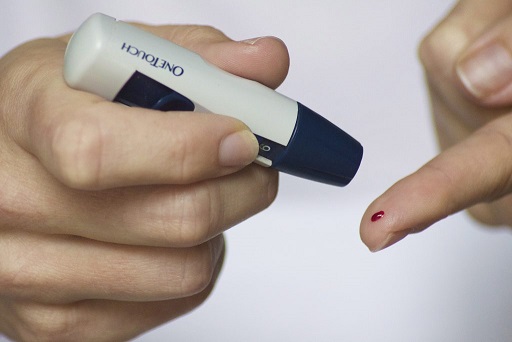
Biochemical or laboratory methods of assessment include measuring a nutrient or its metabolite in the blood, feces, urine or other tissues that have a relationship with the nutrient. An example of this method would be to take blood samples to measure levels of glucose in the body. This method is useful for determining if an individual has diabetes.

fig 1.7.2.jpg
Figure 1.7.2

: Measuring Blood Glucose Levels.

Clinical methods of assessing nutritional status

In addition to the anthropometric assessments, you can also assess clinical signs and symptoms that might indicate potential specific nutrient deficiency. Special attention are given to organs such as skin, eyes, tongue, ears, mouth, hair, nails, and gums. Clinical methods of assessing nutritional status involve checking signs of deficiency at specific places on the body or asking the patient whether they have any symptoms that might suggest nutrient deficiency.

Dietary methods of assessing nutritional status

Dietary methods of assessment include looking at past or current intakes of nutrients from food by individuals or a group to determine their nutritional status. There are several methods used to do this:

24 hour recall

A trained professional asks the subject to recall all food and drink consumed in the previous 24 hours. This is a quick and easy method. However, it is dependent upon the subject’s short-term memory and may not be very accurate.

Food frequency questionnaire

The subject is given a list of foods and asked to indicate intake per day, per week, and per month. This method is inexpensive and easy to administer. It is more accurate than the 24 hour recall.

Food Diary

Food intake is recorded by the subject at the time of eating. This method is reliable but difficult to maintain. Also known as a food journal or food record.

REQUEST AN APPOINTMENT OR BOOK A CONSULANT – Sargam.dange.18@gmail.com

Observed food consumption

This method requires food to be weighed and exactly calculated. It is very accurate but rarely used because it is time-consuming and expensive.

Evolving Science

Science is always moving forward, albeit sometimes slowly. One study is not enough to make a guideline or a recommendation, or cure a disease. Science is a stepwise process that builds on past evidence and finally culminates into a well-accepted conclusion. Unfortunately, not all scientific conclusions are developed in the interest of human health, and some can be biased. Therefore, it is important to know where a scientific study was conducted and who provided the funding, as this can have an impact on the scientific conclusions being made. For example, an air quality study paid for by a tobacco company diminishes its value in the minds of readers as well as a red meat study performed at a laboratory funded by a national beef association.

Nutritional Science Evolution

One of the newest areas in the realm of nutritional science is the scientific discipline of nutritional genetics, also called nutrigenomics. Genes are part of DNA and contain the genetic information that make up all of our traits. Genes are codes for proteins and when they are turned “on” or “off,” they change how the body works. While we know that health is defined as more than just the absence of disease, there are currently very few accurate genetic markers of good health. Rather, there are many more genetic markers for disease. However, science is evolving, and nutritional genetics aims to identify what nutrients to eat to “turn on” healthy genes and “turn off” genes that cause disease.

Using Science and Technology to Change the Future

As science evolves, so does technology. Both can be used to create a healthy diet, optimize health, and prevent disease. Picture yourself not too far into the future: you are wearing a small “dietary watch” that painlessly samples your blood, and downloads the information to your cell phone, which has an app that evaluates the nutrient profile of your blood and then recommends a snack or dinner menu to assure you maintain adequate nutrient levels. What else is not far off? How about another app that provides a shopping list that adheres to all dietary guidelines and is emailed to the central server at your local grocer, who then delivers the food to your home? The food is then stored in your smart fridge which documents your daily diet at home and delivers your weekly dietary assessment to your home computer. At your computer, you can compare your diet with other diets aimed at weight loss, optimal strength training, reduction in risk for specific diseases or any other health goals you may have. You also may delve into the field of nutritional genetics and download your gene expression profiles to a database that analyzes your genes against millions of others.

Nutrition and the Media

A motivational speaker once said, “A smart person believes half of what they read. An intelligent person knows which half to believe.” In this age of information, where instant Internet access is just a click away, it is easy to be misled if you do not know where to go for reliable nutrition information.

Using Eyes of Discernment

“New study shows that margarine contributes to arterial plaque.”

“Asian study reveals that two cups of coffee per day can have detrimental effects on the nervous system.”

How do you react when you read news of this nature? Do you boycott margarine and coffee? When reading nutrition-related claims, articles, websites, or advertisements, always remember that one study does not substantiate a fact. One study neither proves nor disproves anything. Readers who may be looking for complex answers to nutritional dilemmas can quickly misconstrue such statements and be led down a path of misinformation. Listed below are ways that you can develop discerning eyes when reading nutritional news.

  1. The scientific study under discussion should be published in a peer reviewed journal, such as the Journal of Nutrition. Question studies that come from less trustworthy sources (such as non peer-reviewed journals or websites) or that are not formally published.
  2. The report should disclose the methods used by the researcher(s). Did the study last for three or thirty weeks? Were there ten or one hundred participants? What did the participants actually do? Did the researcher(s) observe the results themselves or did they rely on self reports from program participants?
  3. Who were the subjects of this study? Humans or animals? If human, are any traits/characteristics noted? You may realize you have more in common with certain program participants and can use that as a basis to gauge if the study applies to you.
  4. Credible reports often disseminate new findings in the context of previous research. A single study on its own gives you very limited information, but if a body of literature supports a finding, it adds to credibility.
  5. Peer-reviewed articles deliver a broad perspective and are inclusive of findings of many studies on the exact same subject.
  6. When reading such news, ask yourself, “Is this making sense?” Even if coffee does adversely affect the nervous system, do you drink enough of it to see any negative effects? Remember, if a headline professes a new remedy for a nutrition-related topic, it may well be a research-supported piece of news, but more often than not, it is a sensational story designed to catch the attention of an unsuspecting consumer. Track down the original journal article to see if it really supports the conclusions being drawn in the news report.

When reading information on websites, remember the following criteria for discerning if the site is valid:

  1. Who sponsors the website?
  2. Are names and credentials disclosed?
  3. Is an editorial board identified?
  4. Does the site contain links to other credible informational websites?
  5. Even better, does it reference peer-reviewed journal articles? If so, do those journal articles actually back up the claims being made on the website?
  6. How often is the website updated?
  7. Are you being sold something at this website?
  8. Does the website charge a fee?

REQUEST AN APPOINTMENT OR BOOK A CONSULANT – Sargam.dange.18@gmail.com

Nutritional and infection relationship :

REQUEST AN APPOINTMENT OR BOOK A CONSULANT – Sargam.dange.18@gmail.com

  • Immunization and its importance,
  • Food borne infection and intoxication diseases,
  • foods involved, methods of prevention,
  • Infestation of food borne diseases ,
  • Outbreak,
  • Prevention signs and control of infection.

Immunisation is important

Immunisation is one of the best ways you can protect yourself, your children and future generations from infectious diseases. In other words, if you vaccinate, you help wipe out disease that could spread now and into the future.

By making sure you and your family are fully vaccinated (by following the National Immunisation Program schedule set by the Australian Government), you are not only looking after your own family but also protecting vulnerable people in your community. The more people who are vaccinated, the fewer people will be infected, and the less widely a disease can spread.

Immunisation saves lives. As recently as the 1950s, thousands of children died every year from diseases such as tetanus, diphtheria and whooping cough (pertussis). Luckily, it is rare for anyone in Australia to die from these infectious diseases now, thanks to the major vaccination programs introduced in the 1960s and 1970s, which continue today.

How do vaccinations work?

All immunisations work in the same way. The vaccination uses your body’s immune system to increase protection to an infection before you come into contact with that infection. In other words, it is like being infected with the disease without suffering the actual symptoms.

If you come into contact with an infection after you’ve been vaccinated, your body works to stop you from getting the disease, or you may get just a mild case. Unlike other proposed approaches to immunisation (such as homeopathy), vaccinations have been rigorously tested to demonstrate their safety and effectiveness in protecting against infectious disease. 

What about people who cannot be immunised?

Some people in our community cannot be vaccinated. This might be because they are too young or too sick. You can help protect these vulnerable people by keeping your family’s vaccinations up to date. 

When you get vaccinated, you are playing an important role in keeping yourself and your community safe. When enough people in the community are vaccinated, the spread of a disease slows down or stops completely – this is because the disease can’t move easily from person to person. So as long as enough people are vaccinated, the disease will not spread. This is called herd immunity or community immunity and protects friends, family and others, especially those who cannot be immunised. 

Foods contaminated with pathogenic microorganisms usually do not look bad, taste bad, or smell bad.  It is impossible to determine whether a food is contaminated with pathogenic microorganisms without microbiological testing. To avoid potential problems in foods, it is very important to control or eliminate these microorganisms in food products.

Pathogenic microorganisms can be transmitted to humans by a number of routes.

Diseases which result from pathogenic microorganisms are of two types: infection and intoxication.

  • Foodborne infection is caused by the ingestion of food containing live bacteria which grow and establish themselves in the human intestinal tract.
  • Foodborne intoxication is caused by ingesting food containing toxins formed by bacteria which resulted from the bacterial growth in the food item. The live microorganism does not have to be consumed.

For a foodborne illness (poisoning) to occur, the following conditions must be present:

  • The microorganism or its toxin must be present in food.
  • The food must be suitable for the microorganism
    to grow.
  • The temperature must be suitable for the microorganism
    to grow.
  • Enough time must be given for the microorganism
     to grow (and to produce a toxin).
  • The food must be eaten.

Symptoms of Foodborne Illness

The most common symptom associated with foodborne illnesses is diarrhea. Each pathogenic microorganism has its set of characteristic symptoms.

The severity of the foodborne illness depends on the pathogenic microorganism or toxin ingested, the amount of food consumed (dose), and the health status of the individual. For individuals who have immunocompromised health conditions, or for the aged, children, or pregnant women, any foodborne illness may be life-threatening.

Food Microbiology and Food borne Illness

(Taken from EC 92-2307 by Julie A. Albrecht and Susan S. Sumner archived/posted in Digital Commons, University of Nebraska-Lincoln)

Bacteria, yeasts, and mold are microorganisms associated with foods. The individual microorganism cannot be seen without the aid of a microscope. The size of these microorganisms are measured in microns (1 micron is 1/1000 of a millimeter or U25,40A of an inch). More than a thousand microorganisms in a cluster are barely visible to the eye.

Microorganisms may be classified into three groups according to their activity:

  1. Beneficial microorganisms may be used in the process of making new foods. Cheese is made with microorganisms which convert the milk sugar to an acid.
  2. Spoilage microorganisms cause food to spoil and are not harmful to humans. A spoilage microorganism is responsible for souring milk.
  3. Pathogenic microorganisms are disease-causing microorganisms. The living microorganism or a toxin (microbial waste product) must be consumed to cause symptoms associated with specific pathogenic microorganisms.

Microorganisms can be found virtually everywhere. Bacteria and molds are found in the soil and water. Yeasts are found mainly in the soil. Plant and animal food products support the growth of microorganisms. Bacteria have been detected on plants and animals; molds are usually found on fruits and vegetables; yeasts are generally found on fruits. Many bacteria are part of the normal microflora of the intestinal tracts of man and animals.

  • Microorganisms may be transferred from soil and water to plants and animals.
  • Raw food stuffs contain microorganisms which may be transferred to processed foods by careless handling.
  • Food handlers with poor hygiene practices may transfer microorganisms to food.
  • If suitable conditions exist, some of these microorganisms may grow to create a public health concern.
  • Specific bacterial species (pathogenic microorganisms) are the main causes of foodborne illnesses in humans.

REQUEST AN APPOINTMENT OR BOOK A CONSULANT – Sargam.dange.18@gmail.com

Growth Factors of Microorganisms

All microorganisms require moisture, a food source, enough time, and suitable temperatures to grow and multiply.

Moisture

Microorganisms are composed of about 80% water which is an essential requirement for microorganisms to grow. Moisture requirements vary for each species of microorganism. In general bacteria need more water than yeasts. Yeasts require more water than molds to grow. If water is not available for microorganisms in a food product, the microorganisms may remain but will not grow and multiply.

Certain components in foods will make water unavailable for microorganisms (and thus can inhibit growth).

Salt & Sugar

Salt and sugar added to foods “tie” up water and lower the water activity. When enough salt or sugar is added to a food, the water activity will be lowered to a level that will prevent microorganisms from growing.

  • In general, bacterial growth is inhibited by the addition of 5-15% salt. Yeasts and molds can tolerate up to 15% salt.
  • To inhibit mold growth, 65-70% sugar must be added. The addition of up to 50% sugar will inhibit bacteria and yeast growth.

Some microorganisms are tolerant of certain conditions.

  • Halophilic (salt-liking) microorganisms require salt to be present for the organism to grow.
  • Osmiophilic ( sugar-liking) microorganisms, usually yeasts, grow best at high concentrations of sugar.
  • Xerophilic (dry-liking) microorganisms can grow with limited moisture.

Food

Microorganisms need a source of nutrients to grow and multiply.

Time

Microorganisms need time to grow and multiply. Under favorable conditions (enough moisture and food available with the desired temperature), cell division (reproductive growth) may occur every 20 to 30 minutes. The time for a microbial cell to double is called the generation time.

Temperature

Microorganisms grow best within certain temperature ranges. Bacteria are classified into three groups, depending on the temperature at which the bacteria grows best.

  • Psychrophilic (cold-liking) bacteria (responsible for food spoilage in refrigerators, grow rapidly at room temp.)
    – Growth range 32-77°F
    – Optimum temperature 68-77°F
  • Mesophilic (middle-liking) bacteria
    – Growth range 68-110°F
    – Optimum temperature 68-113°F
  • Thermophilic (heat-liking) bacteria
    – Growth range 113-158°F
    – Optimum temperature 122-131°F
Other factors affecting growth:
  • Varying requirements for Oxygen (aerobic vs. anaerobic bacteria, e.g.)
  • pH – acidity or alkalinity  (most microorganisms prefer a pH near neutral [pH = 7.0])
  • Darkness vs. Light (Ultraviolet light is lethal to microorganisms)

Chemicals caused by contaminated food

Food contaminated with naturally occurring toxins and environmental pollutions are a major health concern due to their ability to cause food-borne illnesses.

Naturally occurring toxins

There are a whole range of naturally occurring toxins which can lead to becoming infected with a food borne disease.

Naturally occurring toxins in food can range from the toxins found in poisonous mushrooms, to the high levels of mycotoxins such as aflatoxin and ochratoxin found in corn and cereals.

Long term exposure to these toxins can severely affect the immune system, and in some cases, cause cancer, according to the WHO.

Persistent organic pollutants

Persistent organic pollutants (POPs) refer to compounds which accumulate in the environment and the human body.

The most well known examples of POPs are dioxins and polychlorinated biphenyls. These are the chemicals released as a result of industrial processes and waste incineration, and are found worldwide in the environment and infect animal food chains.

Humans are at risk by consuming food products contaminated by POPs. Dioxins are extremely toxic. Dioxins cause reproductive and developmental problems and damages to the immune system. They are also known to interfere with hormones as well as cause cancer.

Metals

Food can become contaminated with metals such as lead, calcium and mercury. This happens via pollution of the air, water and soil. These lead to illnesses such as lead and mercury poisoning which can result in neurological and kidney damage.

Of course there are a lot more food borne diseases circulating the world, the ones mentioned above are the most common.

REQUEST AN APPOINTMENT OR BOOK A CONSULANT – Sargam.dange.18@gmail.com

Who is at risk of food poisoning?

Unlike some diseases, food borne illnesses can affect everyone. Anyone can catch food poisoning, and relatively easily.

Some people are more likely to develop food poisoning than others. Apparently some people are naturally more resistant to food poisoning that others. Factors such as stress can also play a part in a person’s resistance to food borne diseases.

Certain groups of people are naturally less resistant to food borne illnesses due to a weaker immune system, these are:

  • The elderly
  • Sick people
  • Babies and young children
  • Pregnant women

Food borne illness symptoms

Although there is a wide range of different foodborne diseases you can catch, they all show relatively the same symptoms.

Foodborne illness can have various symptoms including:

  • Diarrhea
  • Vomiting
  • Nausea
  • Abdominal cramps
  • Fever

The number of these symptoms present and their severity depends on the type of food borne illness.

Treating food poisoning

Whilst food borne infections are fairly common, thankfully treatment can be quite simple. Food poisoning can usually be treated at home on your own, without the need for medical intervention.

Treatment

When treating a foodborne illness it is important to replenish your fluids by drinking plenty of water. Avoiding dehydration is key to recovery.

You can also treat food poisoning by:

  • Resting as much as possible.
  • Try to eat, if and when you feel up to it. But stick to small, light, non-fatty meals first. Bland carbohydrates such as toast, crackers and rice are a good option.
  • Avoid alcoholic, caffeinated and carbonated drinks as well as spicy and fatty foods. These will make you feel worse.

If you find yourself not recovering after a few days, or if you’re showing severe signs of a food borne illness, get professional medical help.

Preventing foodborne illness

Preventing foodborne illnesses is relatively simple. In order to prevent food contamination from harmful pathogens, always follow food safety guidelines and basic food hygiene practises.

Food safety

Food safety is a scientific discipline that ensures the prevention of foodborne illnesses through the handling, preparation, and storage of food. It includes a number of food hygiene routines that should be adhered to in order to prevent the potentially severe health hazards food borne diseases can cause.

5 Principles to safer food

According to WHO the five key principles to safer food are:

  1. Keep clean
  2. Separate raw and cooked
  3. Cook thoroughly
  4. Keep food at safe temperatures
  5. Use safe water and raw materials

Keep clean

Following proper food hygiene and hand hygiene practices can ensure the spread of foodborne illnesses is kept to a minimum.

The harmful microorganisms which cause food borne illnesses are carried on hands, wiping cloths, and cooking utensils. Even the slightest bit of contact can transfer these organisms to food.

You can prevent food borne illnesses by:

  • Ensuring hands are washed regularly — before and after handling food, during preparation, and after using a washroom.
  • If wearing gloves, remember to dispose of them safely and wear a fresh pair when handling different items of food.
  • Wash, sanitize and disinfect all surfaces and equipment used within the food processing cycle.
  • Protect food supply and preparation areas from pests such as rodents, cockroaches, flies and stored product insects.

Separate raw and cooked

Raw food, and in particular meat, poultry and seafood are riddled with dangerous microorganisms (which are eliminated during the cooking process). These microorganisms can easily be transferred during food preparation, transportation and storage and lead to infection from a variety of different food-borne illnesses.

You can prevent foodborne illnesses by:

  • Separating raw meat, poultry and seafood from other foods during preparation, transportation and storage.
  • Use separate equipment and utensils such as knives, chopping boards and plates whilst handling raw foods.
  • Store raw foods in airtight containers and away from cooked foods, and items such as fruit and vegetables which don’t require cooking before consumption.

Cook thoroughly

The majority of the microorganisms that cause food-borne infections are eliminated through heat. Studies have shown that cooking food to a temperature of 70℃ can help ensure it is safe for consumption by thoroughly eradicating any pathogens on the item. 70℃ is the advised temperature as it can kill off even the highest concentrations of microorganisms within 30 seconds. However, in the UK it is advised by food safety professionals that food is held at 70℃ for 2 minutes to reduce harmful bacteria to a safe level.

However, foods such as large joints of meat require special attention to ensure they are thoroughly cooked.

You can prevent food-borne illnesses by:

  • Ensure all food is cooked through thoroughly, especially meat, poultry and seafood.
  • Use a thermometer to check food has reached 70℃ before serving. For meat and poultry make sure the juices run clear.
  • Reheat cooked food thoroughly before serving.

Keep food at safe temperatures

Improper food storing methods can lead to products becoming infected with foodborne illnesses. The microorganisms responsible for causing these diseases can multiply very quickly in food stored at room temperatures.

Ensuring that food is stored at temperatures below 5℃ and above 60℃ (63℃ in the UK) slows down and stops the growth of these microorganisms. However, it is worth noting that some dangerous microorganisms can still grow below 5℃.

You can prevent foodborne diseases by:

  • Ensuring cooked food is not left at room temperature for more than 2 hours.
  • Promptly refrigerating all cooked and perishable food, preferably below 5℃.
  • Keep cooked food at 60℃ (63℃ in the UK) or above before serving.
  • Quickly cool and store leftovers.
  • Prepare food in smaller amounts to reduce the amount of leftovers.
  • Do not store food for longer than 3 days, even in the refrigerator.
  • Do not thaw frozen food at room temperature, use a refrigerator or another cool location instead.

Use safe water and raw materials

Raw materials, ice, and water can be contaminated with dangerous microorganisms and chemicals. Damaged and mouldy foods are often littered with toxic chemicals as well. The same can also be said for soil.

You can prevent food-borne infections by:

  • Taking care in the selection of raw materials.
  • Washing and peeling fruit and vegetables before using.
  • If growing produce, ensure the soil and water used is free from chemicals.
  • Do not use food beyond expiry date.
  • Opt for foods processed for safety such as pasteurized milk.
  • Avoid using food which is damaged or rotting.
  • Throw away smashed, swollen or oxidized cans.

Modern outbreaks of infectious diseases

Many infectious diseases are rare or not around anymore, thanks to vaccination. But there are still infectious disease outbreaks happening around the world today:

  • COVID-19 – a new disease that the world is still learning about. New research is happening all the time so we can understand more about the disease, including the long-term effects.
  • Flu, chicken pox, whooping cough, measles – these diseases still have occasional outbreaks in Australia, mainly when introduced from overseas. They could make a strong comeback if people stop vaccinating. In January 2019, 62,225 measles cases were notified globally compared to the same period in 2018 when only 23,535 cases were notified.
  • Zika – in February 2016 the World Health Organization (WHO) declared the Zika virus an international public health emergency following outbreaks in Central and South America. There is ongoing evidence of transmission throughout the Americas, Africa and other regions of the world. As of 2018, a total of 86 countries and territories have reported evidence of mosquito-transmitted Zika infection.
  • Ebola – the latest outbreak of Ebola virus disease started in Democratic Republic of Congo in August 2018, and is ongoing.
  • HIV/AIDS – the first cases of HIV/AIDS were identified in the gay community in America in 1981 and, by 1985, at least one case had been reported from each region of the world. In 2019, more than 38 million people around the world were living with HIV/AIDS. There is still no cure, but current treatments allow patients to live long and healthy lives.

REQUEST AN APPOINTMENT OR BOOK A CONSULANT – Sargam.dange.18@gmail.com

International agencies in uplifting the nutritional status

REQUEST AN APPOINTMENT OR BOOK A CONSULANT – Sargam.dange.18@gmail.com

INTERNATIONAL AGENCIES. The second half of the twentieth century witnessed the growth of a type of social institution that plays an important role in food and nutrition policies and programs throughout the world. These institutions, which are commonly referred to as “international agencies,” are usually constituted as sub organizations within larger sociopolitical organizational structures. One set of such institutions are the “multilaterals, ” which include many governments, particularly the agencies of the United Nations (UN), or those of the European Union. A second set of agencies, often referred to as “bilaterals,” are the aid organizations established by national governments in the industrialized world, including those of the European states, the United States, and Canada, as well as Australia and Japan. A third type, with activities that closely parallel those of the UN and governmental agencies, includes nongovernmental organizations (NGOs) or private voluntary organizations (PVOs). These may be religious or “faith-based” agencies that are administratively connected to religious organizations or are closely affiliated with such organizations, or they may be independent groups, such as the Helen Keller Foundation or Save the Children. Many of these NGOs receive funds from bilateral and multilateral agencies.

Agencies of the United Nations

The establishment of the various agencies in the UN system began with the founding of the UN in 1945. During the following half-century, new agencies were added as needs were redefined and expanded. The current body of UN agencies whose work involves food and/or nutrition are the Asian Development Bank (ADB), Food and Agriculture Organization (FAO), International Atomic Energy Agency (IAEA), International Fund for Agricultural Development (IFAD), International Labor Organization (ILO), Joint United Nations Programme on HIV/AIDS (UNAIDS), United Nations Development Programme (UNDP), United Nations Educational, Scientific, and Cultural Organization (UNESCO), United Nations Population Fund (UNFPA), United Nations High Commissioner for Refugees (UNHCR), United Nations Children’s Fund (UNICEF), United Nations Research Institute for Social Development (UNRISD), World Food Programme (WFP), World Health Organization (WHO), and the World Bank.Encyclopedia 1080×

Agency Goals and Functions

One of the principal motivations underlying the establishment and operation of international agencies was to provide vehicles for directing resources—economic, technical, and technological—from resource-rich countries to resource-poor countries. Other political, economic, and social interests also shape the motivations and activities of agencies. Moreover, the fact that international agencies are generally not freestanding institutions, but part of larger sociopolitical units, is one of several characteristics that affect their mission, administrative organization, philosophy, policy, and activities.

The purposes of both UN and non-UN agencies whose work relates to food and nutrition can be summarized by one or more of the following goals: establishing technical norms, providing funding, providing technical assistance, or delivering services. Within the UN system, the various agencies were established with distinct, yet complementary, mandates and were given different, but often overlapping, sectors of action. Thus, WHO and FAO were set up as technical agencies with responsibilities for technical norms and technical assistance, whereas UNICEF was designed to support and deliver services through funding and technical support, and the World Bank was designed to provide funds.

REQUEST AN APPOINTMENT OR BOOK A CONSULANT – Sargam.dange.18@gmail.com

Obstacles, Challenges, and Persistence

In their efforts to further the health and welfare of populations with respect to food and nutrition, international agencies face multiple challenges. An examination of these challenges helps to explain the gaps between stated goals and realities of agency activities that make them frequent subjects of controversy and criticism. Some of these challenges relate to the structure of international collaboration and conflict regardless of the focus of action, while others are specific to characteristics of social action related to food and nutrition.

A primary challenge for establishing complementary activities at country and community levels is that agencies’ activities are based on widely differing philosophies of how to promote and sustain development. Bilateral agencies represent countries with different economic and political agendas. These differ not only between nations, but also within nations, as is evident from the policy changes that accompany shifts in government when different political parties are in power. Within the UN system itself, there are also different philosophies and constituencies, which are evident not only between agencies, but also within them. The NGOs and PVOs represent still other sets of values and theories about what needs to be done and how to do it.

International agencies face serious challenges in reconciling definitions of needs as perceived on one hand by technical advisers, high-level political representatives, and international advocacy groups, and on the other with the needs articulated by recipient groups, from national-level politicians and civil administrators to regional and community-level spokesmen. These conflicting interpretations arise from multiple sources and cover a range of issues, including ethical concerns and competing values about fairness, justice and “whose reality counts,” priorities for action in the face of limited resources, and differing perspectives on the causes and consequences of food and nutrition problems. A related factor that affects many aspects of food and nutrition policies and programs is that most agencies, especially the bilaterals, have to answer to the political constituencies who control the resources they require to carry out their work. Indeed the basic organization of development activities into the categories of “donors” and “recipients” create structural barriers that pose significant challenges to meeting population needs.

Another common problem, which relates to the demands from “donor constituencies,” is that the time frame for research, program development, and evaluation is typically much too short. As a consequence, agencies are forced to take shortcuts that jeopardize the achievement of goals. As a result, the potential to learn from experience is reduced, and there are inadequate opportunities to make adjustments to improve programs.

Special challenges for food and nutrition activities stem from the fact that throughout the world they relate to multiple and very different social sectors. Food is the provenance of agriculture and various economic sectors of producers and marketing concerns. It is also the source of nutrients, which are the provenance of nutrition and health sectors. Both national governments and international agencies tend to divide food and nutrition responsibilities among multiple organizational units, which often results in conflicting goals and serious fragmentation of efforts. Even within a particular sector, such as health agencies, differing orientations may result in conflicting approaches to nutrition and health education in communities.

In 1977 the UN established the Subcommittee on Nutrition (SCN), under the aegis of the Administrative Committee on Coordination (ACC), as a mechanism for communication among the various UN agencies with responsibilities in food and nutrition. The ACC/SCN, which meets yearly and compiles and disseminates technical reports through its office in Geneva, Switzerland, also seeks the participation of bilaterals and NGOs. This small organization has no mandated authority to resolve differences but provides a forum for exchange and debate. Its existence is threatened by hostility from some of its constituent agencies who fear that SCN activities may reveal weaknesses in their own operations, and at least one of SCN’s components, the Advisory Group on Nutrition (AGN), which was composed of senior experts from outside the UN system, has been dismantled.

The example of the tribulations of the SCN provides a glimpse of the shortcomings in motivations, organization, and action that are typical of international agencies. There are, however, two critical questions to answer before recommending curtailing or abolishing these agencies. The first is, “Would the poor and hungry be better off without these agencies?” Historical comparisons of situations where the agencies have and have not been active reveal that the presence of the agencies has been favorable. Without them, the only major interests affecting food and nutrition are commercial and political—neither of which care much about the poor.

The second question is, “Can the system or its constituents be improved?” Greater intellectual attention is required to address such important issues as updating the mandates of international agencies to modern realities, instituting better accountability for all international agencies (including bilaterals and NGOs), and increasing resources to improve diet and nutrition worldwide. At the level of agencies, a high priority is developing better methods for more effective cooperation between agencies and populations. While there are many difficult barriers to improving agency functioning, dedicated people who work in and with international agencies find many opportunities to make improvements.

REQUEST AN APPOINTMENT OR BOOK A CONSULANT – Sargam.dange.18@gmail.com

Community nutrition programme planning –

REQUEST AN APPOINTMENT OR BOOK A CONSULANT – Sargam.dange.18@gmail.com

Identification of problem, analysis of causes,resources constraints, selection of interventions, setting a strategy, implementations and evaluation of the programme

Rapid improvements in health and nutrition in developing countries may be ascribed to specific, deliberate, health- and nutrition-related interventions and to changes in the underlying social, economic, and health environments. This chapter is concerned with the contribution of specific interventions, while recognizing that improved living standards in the long run provide the essential basis for improved health. Consideration of the environment as the context for interventions is crucial in determining their initiation and in modifying their effect, and it must be taken into account when assessing this effect.

The WHO asserts that the global food price crisis threatens public health and jeopardizes the health of the most disadvantaged groups such as women, children, the elderly and low-income families. Economic factors play a crucial role and could affect personal nutrition status and health. Economic decision factors such as food price and income do influence people’s food choices. Moreover, food costs are a barrier for low income-families to healthier food choices. Several studies indicate that diet costs are associated with dietary quality and also food safety. Food prices have surged over the past couple of years (2007-9) and raised serious concerns about food security around the world. Rising food prices are having severe impacts on population health and nutritional status. Therefore, people who change their diet pattern for economic reasons may develop a range of nutritionally-related disorders and diseases, from so-called over-nutrition to or with under-nutrition even within the one household. This is likely to increase with growing food insecurity. Presently, economics is not integrated with mainstream nutrition science or practice, other than in “home economics”, but it can enable greater understanding of how socioeconomic status may interplay with human nutritional status and health and how these situations might be resolved. Collaborative, cross-disciplinary nutritional economics research should play a greater role in the prevention and management of food crises.

WHOs response

Nutrition

Nutrition is a critical part of health and development. Better nutrition is related to improved infant, child and maternal health, stronger immune systems, safer pregnancy and childbirth, lower risk of non-communicable diseases (such as diabetes and cardiovascular disease), and longevity.

Healthy children learn better. People with adequate nutrition are more productive and can create opportunities to gradually break the cycles of poverty and hunger.

Malnutrition, in every form, presents significant threats to human health. Today the world faces a double burden of malnutrition that includes both undernutrition and overweight, especially in low- and middle-income countries.

WHO is providing scientific advice and decision-making tools that can help countries take action to address all forms of malnutrition to support health and wellbeing for all, at all ages.

This fact file explores the risks posed by all forms of malnutrition, starting from the earliest stages of development, and the responses that the health system can give directly and through its influence on other sectors, particularly the food system.

REQUEST AN APPOINTMENT OR BOOK A CONSULANT – Sargam.dange.18@gmail.com

Defining success in nutritional programmes

Before considering the range, combination, and relative weighting of factors contributing to successful community based nutrition programmes (CBNPs), it seems pertinent to question the term “success.” What is a successful programme? The simple, almost facetious answer is “A successful programme is one that achieves its objectives!”There are three issues here concerning attainment of objectives:» Objectives (when they are stated) for CBNPs almost always include “outcome” objectives ranging from narrow nutritional outcomes, e.g., the eradication of grade III malnutrition (Costa Rica), to broader contributions, e.g., the reduction of malnutrition and high mortality rates of children under three (Tamil Nadu) .» Objectives sometimes include “process” objective sranging from narrow nutrition-related processes, e.g.,to enhance mothers’ capability for nutrition surveil-lance (ICDS India), to broader social objectives such as increasing community participation and expanding coverage (UPGK, Indonesia).» Stated objectives frequently do not explicitly include process objectives, yet certain processes may be facilitated or even initiated, either as a result of the programme design, or, in some cases, as an unexpected by-product of the programme, e.g., Zimbabwe child supplementary feeding programmes (CSFP)(strengthened self-organization of village people). In addition to certain processes being facilitated by the development of programmes (e.g., community participation), intended or sometimes unforeseen effects may occur, such as the influencing of policy by successful nutrition programmes, e.g., Zimbabwe’s CSFP/SFPP (supplementary food production programme)influenced agricultural policy). Another important, yet often neglected, measure of success is sustainability. The sustainability of a programme without significant external funding should be one ultimate goal of any community-based programme But financial sustainability is only one, al-beit crucial, aspect of sustainability. The other criticala spect is functional sustainability.

Factors influencing success

Success in CBNPs is a function of sociopolitical, technical, and financial factors. Although each of these factors—or rather group of factors—is essential, the strength and relative weight of each differs from pro-gramme to programme.Sociopolitical factors are those which describe powerarrangements and social relations affecting nutrition programmes and which influence the decision takenin a society to initiate or support such programmes.Technical factors include two broad components,which may be termed programme hardware, which includes the buildings, equipment, transport, and other materials necessary for implementation; and programme software, which has to do with the technical capacity of programme personnel to design, initiate, manage,and evaluate nutrition programmes .Financial factors are both external and internal. Al-though nutrition programmes are often initially funded externally, their sustainability is significantly dependent on internal financial capacity and its reliability.The above groups of factors are explored in more depth below and are illustrated by reference to four well known and successful large-scale nutrition pro-grammes.Sociopolitical factors Community participation In their review of successful nutrition programmes ,Gillespie et al. identify “genuine community involvement [as] a key feature of those programmes that work.”Kavishe, invoking UNICEF’s “triple-A” programm in gcycle, insists that community participation includes a full role in assessment, analysis, and action. Shrimpton has detailed further numerous components of programme development in which communities can successfully engage. Jennings et al. have summarized the pros and cons of community participation in nutrition programmes. According to Jennings et al., the perceived benefits of community participation in nutrition programmes include the following:

i)It increases a sense of ownership of the project by the community, thus leading to sustain ability of the project;

ii) it decreases resistance to project innovations, assists the dissemination of nutrition education messages, and promotes regular and ongoing attendance at programme activities;

iii) it decreases dependence on external assistance and promotes self-help in tackling community problems through the strengthening of community structures and leadership; and

iv) projects which stress community participation tend to be interventions which are more appropriate for the community, in the goals and objectives defined and in the technology employed.One limiting factor of community participation in a project is an increased administrative complexity…. Logistical constraints are also increased due to the frequent location of needy communities in isolated areas with weak infrastructure. The benefits would appear to outweigh these negative aspects.

It should be recognized, however, that the real ways is the potential for local elite groups to use‘community participation’ in a project as a means of extending their own patronage network within the community…. Yet if targets are well defined and the programme is closely monitored to deter-mine coverage and beneficiaries, this should bedetected early in the implementation phase.When community participation is promoted in the planning phase, there can be conflicts between programme goals and community goals. Based ona review of community participation in the health planning process in several health programmes in South east Asia, it was considered that in some cases‘community members did not see health as a priority’…. In recalling the historical developments of nutrition programmes in Tanzania… it is shown that poorly considered attempts to involve community participation in the planning process can possibly hinder efforts to reach programme goals.

“Community participation” is a central principle of the Primary Health Care Approach (PHCA) and a feature distinguishing it from previous approaches to healthcare. Genuine community participation in programme development implies participatory democracy and ameasure of popular democratic control more generally in a society”.

Community- and Facility-based Programs

Protecting and improving health, especially in poor communities, requires a combination of community- and facility-based activities, with support from central levels of organization, as well as some centrally run programs (for example, food fortification). The place of these activities in a strategy is likely to vary, depending on level of development (of infrastructure, health services, and socioeconomic status) and on many local factors. For the poorest societies, the first priorities are basic preventive services, notably immunization, access to basic drugs, and management of the most serious threats to health, such as some access to emergency care. Moving up the development scale, starting community-based activities may soon become cost effective for prevention, referral, and management of some diseases (notably diarrhea) when coverage of health services is poor. Community-based programs continue to play a key role until health services, education, income, and communications have improved to the point that maternal and child mortality has fallen substantially and malnutrition is much reduced; at this intermediate development level, the needs are less felt, and health services again take on a more prominent role. In this scheme, the widely felt need for better access to emergency obstetric services is problematic, requiring a well-developed human and physical infrastructure, yet arguably being one of the highest priorities.

Facility-based programs can be seen either as linking with the community program (referrals, home visits from clinics, and so forth) or as actually being part of the same enterprise. A distinction is that community-based activities take place outside the health facility, in the home or at a community central point, even if they may be supported by health personnel based in health facilities. The local workers in community-based programs may be drawn from the community itself, may be home visitors from a health center or clinic, or may sometimes be volunteers supervised by these home visitors. Many community-based programs come under the health sector, whatever the exact arrangements with local health services. Regarding specific program components, we return to the relative role of community programs and facilities later.

REQUEST AN APPOINTMENT OR BOOK A CONSULANT – Sargam.dange.18@gmail.com

Nutrition and health in National development

REQUEST AN APPOINTMENT OR BOOK A CONSULANT – Sargam.dange.18@gmail.com

Nutritional status is a measure of the health condition of an individual as affected primarily by the intake of food and utilization of nutrients. According to the World Health Organization (WHO), health is not only the absence of disease but a state of complete mental and physical wellbeing in relation to the productivity and performance of an individual.

Good nutritional status can only be realized and sustained when individuals within families and communities are food-secure. Food security has been defined as access by all people at all times to the food needed for a healthy life (FAO/WHO, 1992a). Food security has three important dimensions: adequate availability of food supplies; assured access to sufficient food for all individuals; and its proper utilization to provide a proper and balanced diet.

The state of hunger and malnutrition within a country is related to its level of development (OMNI, 1998). The relationship between nutrition and human resource development was best described by the 1992 International Conference on Nutrition (ICN) held in Rome, which, in its World Declaration and Plan of Action for Nutrition, stated that nutritional well-being of all people is a pre-condition for the development of societies and is a key objective of progress in human development.

A well-nourished, healthy workforce is a pre-condition for sustainable development. At the same time, the nutritional well-being of a population is a reflection of the performance of its social and economic sectors; and to a large extent, an indicator of the efficiency of national resource allocation.

In order for a national social and economic development programme to be successful and sustainable, the majority of the population should be able to participate in the process. Therefore, the majority of the population should be in good health and have good nutritional status.

Nutrition plays a critical role in human resource development since deficiencies in essential nutrients lead to malnutrition, which affects an individual’s mental and physical state, resulting in poor health and poor work performance. In addition, a hungry, malnourished child may have mild to serious learning disabilities, resulting in poor school performance; a sick, poorly nourished individual will not respond well to treatment, could lose many working hours and may continue to drain family and national resources. Thus, malnutrition may undermine investments in education, health and other development sectors.

The relationship between health and economic development is explored, focusing on nutrition-based health indicators. The spotlight is placed on the interrelated feedbacks between the influence of health on productivity, on one hand, and the influence of income on health status, on the other. Disentangling causality in these relationships has preoccupied much of the literature; the authors evaluate different empirical strategies that have been adopted and assess the results. There is now a body of evidence based on careful empirical studies that demonstrates a causal relationship between health and labor productivity; there is also evidence that, at least among the very poor, additional income is spent on improved nutrition. There are two issues that have received little attention although, the authors argue, they are likely to be very important. First, measurement of health is discussed in detail. Evidence is presented on how taking into account differences in the extent of measurement error is critical for interpreting the impact of health on wages. The same theme emerges in studies of the effect of income on health (specifically calorie intake). The key role of non-linearities in these relationships is highlighted and the authors demonstrate that a good deal of the variation in estimates of income elasticities of demand for calories can be ascribed to the role of measurement and functional form.

Prevalence and consequences of malnutrition

Malnutrition has been defined as a pathological condition, brought about by inadequacy of one or more of the nutrients essential for survival, growth, reproduction and capacity to learn and function in society (Latham, 1997). People whose diets fall short of standard levels of intake for essential nutrients suffer from malnutrition that can be mild, moderate or severe, depending on the level of deficiency.

Current trends in malnutrition (Gillespie Mason and Martorell, 1996) show that although nutritional status is improving for many people in the world, for some the rate is not fast enough. At the World Food Summit (WFS) in 1996, it was stated that more than 800 million people do not have sufficient food to meet their nutritional needs (See Tables 1-3). This situation results from many inter-related factors, including social, economic, environmental and political ones.

The nutrition situation reports of the United Nations Administrative Committee on Co-ordination/Sub-Committee on Nutrition (ACC/SCN) stated that protein-energy malnutrition (PEM), measured by the proportion of children falling below the accepted weight standards, affects 26.7 percent of all pre-school children in the developing world. In 2000, the problem affected some 150 million children, based on national anthropometric measurements (ACC/SCN, 2000). WHO reports that in developing countries, 10.7 million children die each year, and of these deaths, 49 percent are associated with malnutrition (WHO, 2000). Data from Table 4 confirm that malnutrition has a far more powerful impact on child mortality than is generally believed (WHO, 1995).

WHOs response-

Nutrition for Health and Development

Nutrition is an input to and foundation for health and development. Interaction of infection and malnutrition is well-documented. Better nutrition means stronger immune systems, less illness and better health. Healthy children learn better. Healthy people are stronger, are more productive and more able to create opportunities to gradually break the cycles of both poverty and hunger in a sustainable way. Better nutrition is a prime entry point to ending poverty and a milestone to achieving better quality of life.

Freedom from hunger and malnutrition is a basic human right and their alleviation is a fundamental prerequisite for human and national development.

WHO has traditionally focused on the vast magnitude of the many forms of nutritional deficiency, along with their associated mortality and morbidity in infants, young children and mothers. However, the world is also seeing a dramatic increase in other forms of malnutrition characterized by obesity and the long-term implications of unbalanced dietary and lifestyle practices that result in chronic diseases such as cardiovascular disease, cancer and diabetes.

All forms of malnutrition’s broad spectrum are associated with significant morbidity, mortality, and economic costs, particularly in countries where both under- and overnutrition co-exist as is the case in developing countries undergoing rapid transition in nutrition and life-style.

Protein: It’s Importance

Proteins are made from amino acids and they are vital for living beings to carry out a wide range of functions essential for life. Almost half of the protein in our body is in the form of muscles. The quality of protein depends upon the content of essential amino acid in the food.

Functions

  • Protein in the form of enzymes and hormones is required for a wide range of vital metabolic processes in the body.
  • Proteins supply the body-building material and help body growth and development in children and adolescents.
  • In adults, it helps to maintain the losses that occur due to wear and tear.
  • During pregnancy and lactation, additional protein is required for synthesis of foetal and maternal tissue.

Recommended Dietary Allowance of Proteins

  • Animal proteins are of higher quality since they provide essential amino acids in right proportion.
  • Even vegetarians can get enough protein by eating combination of cereals, millets, nuts and pulses. Milk and egg contain good quality protein.
  • Some of the rich sources of protein are pulses, legumes, nuts and oil seeds, milk and milk products, meat, fish and poultry.
  • Among the plant foods soybean is the richest source of protein, containing over 40% of protein.
  • The amount of protein required for boys (16-18 years) weighing 57 kg weight is 78 gm per day, whereas same age group girls weighing 50 kg need 63 gm/day.
  • Pregnant women need 65 gm of protein, while lactating women (up to 6 months) need 75 gm/day.
FoodsNutrient Content
gm/100 g edible portion
Soybean43.2
Bengalgram, black gram, green gram, lentil and red gram22
Groundnuts, cashew nuts and almond23
Fish20
Meat22
Milk (Cow)3.2
Buffalo4.3
Egg (approx. 44 gm)13.3 (per egg)

Micronutrients: The Protective Foods

Micronutrients are vitamins and minerals that are required for our body in minute amounts to fight diseases, to support metabolic activities and protect against infections. These are essential for maintenance of health and longevity.

VITAMIN A: Vitamin A is a fat-soluble vitamin. It has important role in vision, immune functions and integrity of skin and mucus membrane. In India, 3% of school age children suffer from vitamin A deficiency signs like bitot spots (a gray patch on the white portion of the eye). One of the earliest manifestations of vitamin A deficiency is night blindness.

Importance of Vitamin A

  • Vitamin A is essential for normal vision. Its deficiency results in night blindness and other complications.
  • Studies suggest that preventing vitamin A deficiency in women during and before pregnancy greatly reduces their risk of mortality and morbidity.
  • Dietary intake of vitamin A is advisable to prevent vitamin A deficiency disorders.

Vitamin-rich foods

  • Many green leafy vegetables, yellow and orange coloured fruits and vegetables are rich sources of beta-carotene.
  • Pro-vitamins like beta carotene are converted to vitamin A. Only foods of animal origin contain performed vitamin A.
  • Milk and milk products, egg yolk, red palm oil, fish and fish liver oil are also rich in vitamin A. Total beta-carotene content of some foodstuffs.
Name of the food stuffΒeta carotene μ/100 edible portion
Coriander leaves4800
Curry leaves7110
Drumstick leaves19690
Fenugreek leaves9100
Carrot6460
Mango ripe1990
Papaya ripe
Pumpkin
880
1160

REQUEST AN APPOINTMENT OR BOOK A CONSULANT – Sargam.dange.18@gmail.com

Vitamin C

Vitamin C is an essential micronutrient and an antioxidant. It gives protection against infections. Vitamin C deficiency causes scurvy characterised by weakness, bleeding gums and defective bone growth. Vitamin C helps in wound healing, amino acid and carbohydrate metabolism and synthesis of some hormones. It also influences iron absorption.

Vitamin C rich foods

  • It is present in all fresh citrus fruits such as orange, lemon and amla.
  • Commonly consumed fruits such as tomato and guava are good sources of vitamin C. Sprouted grams are also rich sources of vitamin C.

Iron

Iron is an essential element for the formation of hemoglobin in red blood cells and plays an important role in transport of oxygen. In our country, anemia is a major public health problem in young children, adolescent girls and pregnant women. Approximately 50% of the populations suffer from nutritional anemia. Nutritional anemia adversely affects work output among adults and learning ability in children.

Eat iron-rich foods

  • Plant foods like green leafy vegetables, dried fruits and legumes contain iron and millets such as bajra and ragi are good sources of iron. Remember that only 3-5% of iron from plant sources is absorbed by the body.
  • Iron is also obtained through meat, fish and poultry products..
  • Fruits with vitamin C like amla, guava and citrus improve iron absorption from plant foods.
  • Avoid tea/coffee after a meal.

Iodine

  • Iodine is essential for the synthesis of thyroid hormones (thyroxin) which in turn is responsible for normal physical and mental growth.
  • The daily requirement of iodine is 100-150 μg/day and it varies with age and certain physiological conditions.
  • Iodine deficiency disorders (IDD) are important micronutrient deficiency disorders of public health importance in India.
  • Iodine deficiency in pregnancy affects the foetal growth and its mental development.
  • Iodine deficiency leads to hypothyroidism, goiter and growth retardation.
  • We get iodine from the food we eat especially sea foods and water
  • Substances called goitrogens that are present in vegetables like cabbage, cauliflower, tapioca etc. interfere with metabolic utilization of iodine.
  • One should use iodized salt daily in the diet to prevent IDD.

Adolescent Growth Spurt

Adolescents constitute more than one-fifth of India’s population. The word adolescent comes from the Latin word ‘Adolescence’ meaning to grow, to mature signifying the special features of adolescence.

Growth, Development & Nutrition

Adequate nutrition is critical for growth spurt during adolescence. Poor nutrition is often cited as one of the reasons for delay in the onset of puberty, especially among Indian adolescent girls. Growth spurt that signals the onset of puberty depends on the girl’s attaining a critical weight of 30 kg and a critical body composition of 10% body fat.

There is an increased demand for energy, protein, minerals and vitamins during adolescence.

Age groupEnergy kcal/dayProtein g/dayFat g/dayCalcium mg/dayIron mg/dayVitamin A μg/day (Beta caroten)
10-12 yrs Boys
10-12 yrs Girls
2190   197054   5722   22600   60034   192400   2400
13-15 yrs Boys
13-15 yrs
Girls
2450   206070   6522   22600   60041   282400   2400
16-18 yrs Boys
16-18 yrs Girls
2640 206078 6322 22500 50050 302400 2400

Source: Recommended Dietary Allowances for Indians, NIN, ICMR, Year: 1989.

Why do we need energy?

Human beings need adequate energy to carry out their daily routine physical work, maintain body temperature, metabolic activity and to support growth. The survey conducted by National Nutrition Monitoring Bureau (NNMB) revealed that in India nearly 50% of men and women suffer from chronic energy deficiency.

  • Energy requirement of an individual is based on daily energy expenditure. It is also dependent on age, body weight, level of physical activity, growth and physical status. In India, 70-80% of the total dietary calories are obtained from food grains such as cereals, millets, pulses and tubers.
  • Children including adolescents obtain 55-60% of their daily requirement of calories from carbohydrates.
  • Adolescents require more energy for healthy growth. For example, girls and boys in the age group of 16-18 require 2060 kcal and 2640 kcal, respectively.
  • During pregnancy, additional energy is needed to support the growth of foetus and the health of pregnant women.
  • Energy inadequacy leads to under-nutrition and at the same time excess intake results in obesity.

Energy-Rich Food

  • Include cereals, millets, pulses, tubers, vegetable oils, ghee, butter, oil seeds, nuts, sugar, jaggery, etc.
  • Since we get most of our calories from cereals, consumption of different varieties of cereals and millets should be encouraged.
  • Coarse cereals like jowar and bajra, and millets like ragi are inexpensive and good sources of energy
Food itemsEnergy (kcal/100 gm edible portion)
Rice
Wheat flour
Jowar
Bajra
Ragi
Maize
345
341
349
361
328
342

Fat: Human Health

Fat is an important component of diet and serves a number of functions in our body. It is a concentrated source of energy providing 9 kcal per gram. Minimum fat is essential to absorb the fat-soluble vitamins such as vitamin A, D, E and K, available in the diet.

  • Dietary fats are derived from both plant and animal sources.
  • Vegetable oils are major dietary sources of essential fatty acids (EFA) and other unsaturated fatty acids called MUFAs (monounsaturated fatty acids) and PUFAs (polyunsaturated fatty acids).
  • Dietary fats provide essential fatty acids, which are functional components of membrane lipids and have other important metabolic functions.
  • Adults need to restrict intake of saturated fat (ghee, butter and hydrogenated fat).
  • Vegetable oils except coconut oil are rich in unsaturated fatty acids.
  • Excess intake of saturated fat items like butter, ghee, and hydrogenated fat could lead to high blood cholesterol which is not good for health and also it may lead to obesity and cardiovascular disease.
  • Fats that are used for cooking (vegetable oils, vanaspati, butter and ghee) are termed as visible fats. Fats that are present in the food item are called invisible fat.
  • Animal foods provide high amount of saturated fat.

Recommended Dietary Allowance

  • Diet for young children and adolescent contains above 25 gm visible fat.
  • Adults with sedentary habits require 20 gm per day.
  • Pregnant and lactating women need 30 gm per day of visible fat to meet their physiological needs.

Linoleic (LIN) linoleinic (LEN) acid content of edible oils (g/100 g)

OilLINLENTotal EFA
Ghee1.60.52.1
Coconut2.22.2
Vanaspati3.43.4
Palmolein12.00.312.3
Rape/mustard13.09.022.0
Groundnut28.00.328.3
Rice bran33.01.634.6
Sesame40.00.540.5
Sunflower oil52.0Trace52.0
Soybean52.05.057.0
Safflower74.00.574.5

Obesity and Nutrition

Obesity is a state in which there is a generalized accumulation of excess fat in adipose tissue in the body leading to more than 20% of desirable weight. Obesity has several adverse health effects and can even lead to premature death. Obesity leads to high blood cholesterol, high blood pressure, heart disease, diabetes, gall bladder stone and certain types of cancer.

Causes

  • Over-eating and reduced physical activity together lead to obesity.
  • Obesity and over-weight are caused by a chronic imbalance between energy intake and energy expenditure.
  • High intake of dietary fat also causes obesity.
  • Complex behavior and psychological factors also cause over-eating and thus lead to obesity.

Metabolic errors in energy utilization may favour fat accumulation. Obesity in childhood and adolescence can lead to adult obesity. Among women, obesity develops just around pregnancy and after menopause.

How to reduce weight?

  • Eat less fried foods.
  • Eat more fruits and vegetables.
  • Eat more fiber-rich food items like whole grains, grams and sprouts.
  • Do regular exercise to keep the body weight within normal limits.
  • Slow and steady reduction in body weight is advised.
  • Severe fasting may lead to health hazards. Enjoy a variety of foods needed to balance your physical activity.
  • Eat small meals regularly at frequent intervals.
  • Cut down sugar, fatty foods and alcohol.
  • Use low-fat milk.
  • Weight reducing diet must be rich in protein and low in carbohydrates and fat.

Nutrition during Pregnancy

Demand for nutritious diet is high during pregnancy. Extra food is required to meet the needs of the foetus and the pregnant women. In India, it is observed that diets of women belonging to the poorer groups are similar to non-pregnant and non-lactating women even during pregnancy and lactation.

  • Maternal malnutrition leads to high prevalence of low birth weight infants and high maternal and infant mortality.
  • Additional foods are required to improve the birth weight and to increase mother’s body fat deposits.
  • Lactating women need more nutritious food for optimum milk output.

Dietary requirements of pregnant women

  • Diet of a pregnant woman has a direct influence on the weight of the baby at birth.
  • Diet during pregnancy should contain larger amounts of protective foods.
  • Pregnant women need an additional 300 kcal of energy, extra 15 gm of protein and 10 gm fat from mid pregnancy onwards.
  • During pregnancy and lactation additional amount of calcium is required for proper formation of bone and teeth and also for secretion of breast milk.
  • Iron deficiency anemia during pregnancy increases maternal mortality and the incidence of low birth weight. Hence, consuming iron-rich food is essential.

Do’s and don’ts during pregnancy

  • Eat more food during pregnancy and lactation.
  • An additional meal is preferable.
  • Eat more whole grain, sprouted grams and fermented food.
  • Take milk/meat/egg.
  • Eat plenty of vegetables and fruits.
  • Do not use alcohol and tobacco.
  • Take medicine only when prescribed.
  • Take iron, folate and calcium supplements regularly after 14-16 weeks of pregnancy and continue the same during lactation.
  • Beverages like tea and coffee bind dietary iron and make it unavailable; hence they should be restricted before and soon after a meal.
  • Pregnant women need walking and other physical activity and should avoid heavy physical work, particularly during the last month of pregnancy.

REQUEST AN APPOINTMENT OR BOOK A CONSULANT – Sargam.dange.18@gmail.com

Milk and milk products: Composition of milk, properties and effect of heat, nutritional importance, milk processing, milk products.

REQUEST AN APPOINTMENT OR BOOK A CONSULANT – Sargam.dange.18@gmail.com

Milk is a highly nutritious liquid formed in the mammary glands of mammals to sustain their newborns during their first months of life.

This article focuses on cow’s milk.

A huge variety of food products are made from cow’s milk, such as cheese, cream, butter, and yogurt.

These foods are referred to as dairy or milk products and are a major part of the modern diet.

This article tells you everything you need to know about cow’s milk.

Milk is a heterogeneous mixture which can be defined as a complex chemical substance in which fat is emulsified as globules, major milk protein (casein), and some mineral matters in the colloidal state and lactose together with some minerals and soluble whey proteins in the form of true solution. The overview of biosynthesis of milk and its constituents is highlighted. The key constituents of milk (fat, protein, salts, lactose, enzymes, vitamins) and their composition as well as factors affecting the chemical composition of milk are described. The compositions of milk fat globule membrane are also covered. Moreover, various types of milk products like fermented dairy products (e.g., dahi, yogurt, kefir, and cheese), fat-rich dairy products (e.g., cream), concentrated milk, sweetened condensed milk, milk powders, ice cream, heat-desiccated milk products (like khoa, khoa-based sweet), and heat-acid-coagulated milk products (like paneer and chhana) and its chemical compositions are discussed.

Nutrition facts

The nutritional composition of milk is highly complex, and it contains almost every single nutrient that your body needs.

One cup (240 ml) of whole cow’s milk with 3.25% fat provides;

  • Calories: 149
  • Water: 88%
  • Protein: 7.7 grams
  • Carbs: 11.7 grams
  • Sugar: 12.3 grams
  • Fiber: 0 grams
  • Fat: 8 grams

Milk proteins

Milk is a rich source of protein — providing approximately 1 gram of this nutrient in each fluid ounce (30 ml), or 7.7 grams in each cup (240 ml).

Proteins in milk can be divided into two groups based on their solubility in water.

Insoluble milk proteins are called casein, whereas soluble proteins are known as whey proteins.

Both of these groups of milk proteins are considered to be of excellent quality, with a high proportion of essential amino acids and good digestibility.

Casein

Casein forms the majority — or 80% — of proteins in milk.

It’s really a family of different proteins, with alpha-casein being the most abundant.

One important property of casein is its ability to increase the absorption of minerals, such as calcium and phosphorus.

It may also promote lower blood pressure .

Whey protein

Whey is another family of proteins, accounting for 20% of the protein content in milk.

It’s particularly rich in branched-chain amino acids (BCAAs) — such as leucine, isoleucine, and valine.

Whey proteins have been associated with many beneficial health effects, such as decreased blood pressure and improved mood during periods of stress.

Whey protein is excellent for growing and maintaining muscles. As a result, it’s a popular supplement among athletes and bodybuilders.

Milk fat

Whole milk straight from the cow is around 4% fat.

In many countries, marketing of milk is mainly based on fat content. In the United States, whole milk is 3.25% fat, reduced-fat milk 2%, and low-fat milk 1%.

Milk fat is one of the most complex of all natural fats, containing about 400 different types of fatty acids.

Whole milk is very high in saturated fats, which make up about 70% of its fatty acid content.

Polyunsaturated fats are present in minimal amounts, making up around 2.3% of the total fat content.

Monounsaturated fats make up the rest — about 28% of the total fat content.

In addition, trans fats are naturally found in dairy products.

In contrast to trans fats in processed foods, dairy trans fats — also called ruminant trans fats — are considered beneficial for health.

Milk contains small amounts of trans fats, such as vaccenic acid and conjugated linoleic acid (CLA).

CLA has attracted considerable attention due to its various possible health benefits — though evidence is still limited .

Some research suggests that CLA supplements may harm metabolism.

Carbs

Carbs in milk are mainly in the form of the simple sugar lactose, which makes up around 5% of milk.

In your digestive system, lactose breaks down into glucose and galactose. These are absorbed into your bloodstream, at which point your liver converts galactose into glucose.

Some people lack the enzyme required to break down lactose. This condition is called lactose intolerance — which is discussed later on.

SUMMARY

Milk is an excellent source of high-quality protein and different fats. Carbs make up around 5% of milk — mainly in the form of lactose, which some people cannot digest.

Vitamins and minerals

Milk contains all the vitamins and minerals necessary to sustain growth and development in a young calf during its first months of life.

It also provides almost every single nutrient needed by humans — making it one of the most nutritious foods available.

The following vitamins and minerals are found in particularly large amounts in milk:

  • Vitamin B12. Foods of animal origin are the only rich sources of this essential vitamin. Milk is very high in B12 .
  • Calcium. Milk is not only one of the best dietary sources of calcium, but the calcium found in milk is also easily absorbed.
  • Riboflavin. Dairy products are the biggest source of riboflavin — also known as vitamin B2 — in the Western diet.
  • Phosphorus. Dairy products are a good source of phosphorus, a mineral that plays an essential role in many biological processes.

REQUEST AN APPOINTMENT OR BOOK A CONSULANT – Sargam.dange.18@gmail.com

Sometimes fortified with vitamin D

Fortification is the process of adding minerals or vitamins to food products.

As a public health strategy, fortifying milk products with vitamin D is common and even mandatory in some countries .

In the United States, 1 cup (240 ml) of vitamin-D-fortified milk may contain 65% of the daily recommended allowance for this nutrient.

SUMMARY

Milk is an excellent source of many vitamins and minerals, including vitamin B12, calcium, riboflavin, and phosphorus. It’s often fortified with other vitamins, especially vitamin D.

Milk hormones

More than 50 different hormones are naturally present in cow’s milk, which are important for the development of the newborn calf.

With the exception of insulin-like growth factor-1 (IGF-1), cow milk hormones have no known effects in humans.

IGF-1 is also found in human breast milk and the only hormone known to be absorbed from cow’s milk. It’s involved in growth and regeneration.

Bovine growth hormone is another hormone naturally present in milk in small quantities. It’s only biologically active in cows and has no effect in people.

SUMMARY

Milk contains a wide variety of hormones that promote the development of the newborn calf. Only one of them — insulin-like growth factor 1 (IGF-1) — has potential health effects in people.

Health benefits of milk

Milk is one of the most nutritious foods you can find.

It has been widely studied and seems to have several important health benefits.

In particularly, cow’s milk may positively affect your bones and blood pressure.

Bone health and osteoporosis

Osteoporosis — a condition characterized by a decrease in bone density — is the main risk factor for bone fractures among older adults.

One of the functions of cow’s milk is to promote bone growth and development in the young calf.

Cow’s milk seems to have similar effects in people and has been associated with a higher bone density.

The high calcium and protein content of milk are the two main factors believed responsible for this effect.

Blood pressure

Abnormally high blood pressure is a major risk factor for heart disease.

Dairy products have been linked to a reduced risk of high blood pressure.

It’s thought that the unique combination of calcium, potassium, and magnesium in milk are responsible for this effect.

Other factors may also play a part, such as peptides formed during the digestion of casein.

SUMMARY

Being a rich source of calcium, milk may promote increased bone mineral density, cutting your risk of osteoporosis. Milk and its products have also been linked to reduced blood pressure.

Possible adverse effects

The health effects of milk are complex — some components in milk are quite beneficial, while others may have adverse effects.

Lactose intolerance

Lactose, or milk sugar, is the main carbohydrate found in milk.

It’s broken down into its subunits — glucose and galactose — in your digestive system.

However, some people lose the ability to fully digest lactose after childhood — a condition known as lactose intolerance.

An estimated 75% of the world’s population has lactose intolerance, though the proportion of lactose intolerant people varies greatly depending on genetic makeup.

Lactose intolerance is most prominent in parts of Asia, Africa, and South America, where its estimated to affect 65–95% of the population.

In Europe, the estimated prevalence is 5–15%, with people in Northern Europe being the least affected.

In people with lactose intolerance, lactose is not fully absorbed and some or most of it passes down to the colon, where the residing bacteria start fermenting it.

This fermentation process leads to the formation of short-chain fatty acids (SCFAs) and gas, such as methane and carbon dioxide.

Lactose intolerance is associated with many unpleasant symptoms, including gas, bloating, abdominal cramps, diarrhea, nausea, and vomiting.

Milk allergy

Milk allergy is rare in adults but more frequent in young children.

Most often, allergic symptoms are caused by whey proteins called alpha-lactoglobulin and beta-lactoglobulin, but they can also be due to caseins .

The main symptoms of milk allergy are skin rash, swelling, breathing problems, vomiting, diarrhea, and blood in stools.

Acne

Milk consumption has been associated with acne — a common skin disease characterized by pimples, especially on the face, chest, and back .

High milk consumption is known to increase levels of insulin-like growth factor-1 (IGF-1), a hormone thought to be involved in the appearance of acne.

Milk and cancer

Many observational studies have looked at the association between milk and cancer risk.

Overall, the evidence is mixed, and very few conclusions can be drawn from the data.

However, a fair number of studies indicate that dairy consumption may increase the risk of prostate cancer in men.

Conversely, numerous studies have found a link between dairy consumption and a lower risk of colorectal cancer.

As a general recommendation, excessive consumption of milk should be avoided. Moderation is key.

SUMMARY

Many people are intolerant to lactose, and some are allergic to whey or casein. Milk has also been linked to other adverse effects, such as an increased risk of acne and prostate cancer.

Processing methods

Virtually all milk sold for human consumption is processed in some way.

This is done to increase the safety and shelf life of milk products.

Pasteurization

Pasteurization is the process of heating milk to destroy potentially harmful bacteria that are occasionally found in raw milk.

The heat eliminates beneficial as well as harmful bacteria, yeasts, and molds.

However, pasteurization does not make milk sterile. Therefore, it needs to be quickly cooled down after heating to keep any surviving bacteria from multiplying.

Pasteurization results in a slight loss of vitamins due to their sensitivity to heat but doesn’t have a substantial effect on milk’s nutritional value.

Homogenization

Milk fat is made up of countless particles, or globules, of different sizes.

In raw milk, these fat globules have a tendency to stick together and float to the surface.

Homogenization is the process of breaking these fat globules into smaller units.

This is done by heating the milk and pumping it through narrow pipes at high pressure.

The purpose of homogenization is to increase the shelf life of milk and to give it a richer taste and whiter color.

Most milk products are produced from homogenized milk. An exception is cheese, which is usually produced from unhomogenized milk.

Homogenization does not have any adverse effects on nutritional quality.

SUMMARY

To increase its shelf life and safety, commercial milk is pasteurized and homogenized.

Raw vs. pasteurized milk

Raw milk is a term used for milk that has not been pasteurized or homogenized.

Pasteurization is the process of heating milk to increase shelf life and minimize the risk of illness from harmful microorganisms that may be present in raw milk.

Heating results in a slight decrease in several vitamins, but this loss is not significant from a health perspective.

Homogenization — the process of breaking the fat globules in milk into smaller units — has no known adverse health effects.

Drinking raw milk is associated with a reduced risk of childhood asthma, eczema, and allergies. The reason for this association is still not entirely clear.

Although raw milk is more natural than processed milk, its consumption is riskier.

In healthy cows, milk does not contain any bacteria. It’s during the milking process, transport, or storage that milk gets contaminated with bacteria — either from the cow itself or the environment.

Most of these bacteria are not harmful — and many may even be beneficial — but occasionally, milk gets contaminated with bacteria that have the potential to cause disease.

Although the risk of getting ill from drinking raw milk is small, a single milk-borne infection may have serious consequences.

People are usually quick to recover, but those with weak immune systems — such as older adults or very young children — are more susceptible to severe illness.

Most public health advocates agree that any potential health benefits of drinking raw milk are outweighed by possible health risks resulting from contamination with harmful bacteria.

SUMMARY

Raw milk has not been pasteurized or homogenized. Drinking raw milk is not recommended, as it may be contaminated with harmful bacteria.

REQUEST AN APPOINTMENT OR BOOK A CONSULANT – Sargam.dange.18@gmail.com

Beverages: Coffee, tea, and cocoa, processing composition and preparation, spices and condiments, types and composition

REQUEST AN APPOINTMENT OR BOOK A CONSULANT – Sargam.dange.18@gmail.com

A beverage is any product that is used as a drink, for the purpose of relieving thirst and introducing fluids in the body, nourishing the body and stimulating or soothing the individual.

Classification

The beverages can be classified as follow

1. Carbonated beverages
• Alcoholic: Contains alcohol. e.g. beer
• Non-alcoholic: Contains no alcohol. e.g. soft drinks

2. Non-carbonated beverages
• Alcoholic: Contains alcohol. e.g. wine
• Non-alcoholic: Contains no alcohol. e.g. tea, coffee, cocoa

Alcoholic beverages

Alcoholic beverages are, in essence, flavored solutions of ethanol. The flavors may come from grains (e.g. Beer) or from grapes and other fruit (e.g. Wine) or from any source of carbohydrates, grains, sugar, or grapes (e.g. whiskey, rum, and brandy).

Non-alcoholic Beverages

These types of beverages include the fruit juices, tea, coffee, cocoa/chocolate drinks etc. In order to enhance their thirst quenching and refreshing properties, some drinks are carbonated. Carbonated fruit based drinks are new age beverages which provide nutritional elements of the fruit along with natural colour and flavour in addition to carbonation effects.
Beverages may also be classified according to their function in the body. A particular beverage may have more than one function.
1. Refreshing
i) Plain water
ii) Carbonated beverage containing no fruit juice
iii) Buttermilk with spices
2. Nourishing
i) Milk and milk shakes
ii) Fruit juices
iii) Glucose, lemonade-it refers to noncarbonated soft drink made of a mixture of lemon juice, sugar and water.
3. Stimulating
i) Egg nogs
ii) Coffee or tea
iii) Cocoa or chocolate beverages
4. Soothing
i) Warm milk
5. Appetizing
i) Soups
ii) Fruit juices

Composition and Gradation of Tea

Composition of tea

A representative analysis of fresh leaf flush is presented in Table given below. Compositional data referring to fresh leaf are based on dry-leaf solids, since leaf moisture varies from 75 to 80%.

Composition of green tea

Constituents% (on dry weight basis)
Flavanols25.0
Flavonols and flavonol glycosides3.0
Polyphenolic acids and depsides5.0
Other polyphenols3.0
Caffeine3.0
Theobromine0.2
Amino Acids4.0
Organic acids0.5
Monosaccharide4.0
Polysaccharides13.0
Cellulose7.0
Protein15.0
Lignin6.0
Lipids3.0
Chlorophyll and other pigments0.5
Ash (mineral matter)5.0
Volatiles components0.1

REQUEST AN APPOINTMENT OR BOOK A CONSULANT – Sargam.dange.18@gmail.com

Grades of tea

The numerous grades of tea found in the trade are defined by their origin, climate, age, processing method and leaf grade. They can be classified as follows:

1. According to the leaf grade: tea with intact leaves
• Flowery Orange Pekoe and Orange Pekoe: leaf buds and the two youngest leaves.
• Pekoe: It includes leaf buds and the three youngest leaves.
• Pekoe souchong: includes up to coarsest sixth leaf in the young twig.

2. Broken tea: are those with broken or cut leaves similar to above grades in which the fine broken or cut teas with the outermost golden leaf tips are distinguished from the coarse, broken leaves. Broken tea is the preferred product in world trade.
3. Fannings: Small fragments of the broken leaves. It is freed from stalks and stem. Used preferentially for manufacture of tea bags.
4. Tea dust:
5. Brick tea: The tea dust is compressed into a molded brick by sifting, steaming and pressing in the presence of a binder into a stiff, compact tea bricks and portions of it are broken off for us

Composition of Roasted Coffee

The composition of roasted coffee varies depending on the variety and extent of roasting. Several new flavouring constituents are generated during this process.2 The composition of coffee arabica after normal roasting

ConstituentsContent (%)
Lipids13.0
Protein9.0
Polysaccharide, water insoluble24.6
Polysaccharide, water soluble6.0
Saccharose0.2
Glucose, Fructose, Arabinose0.1
Chlorogenic Acids3.7
Caffeine1.2
Trigonelline0.4
Nicotinic Acid0.92
Volatile Aroma Compounds0.1
Formic Acid0.1
Acetic Acid0.25
Non-Volatile Acids(lactic, pyruvic, oxalic, tartaric and citric)0.4
Minerals (ash)4.0
Unidentified constituents35.0
Moisture2.5

Grading of coffee beans

Quality of Green Coffee is based on the odor and taste assays as well as on the size, shape, colours, hardness and cross-section of the beans.
The plantation grades of cured coffee are:
1. Pea Berry (oval shaped beans)
2. O or A (first size in flats – bold, heavy and well formed)
3. B (slightly smaller than O or A)
4. C (slightly smaller than B)
5. Triage (pale, discolored beans)

A. Composition of CACAO Beans

The compositions of fermented and air-dried cacao nib, cacao shell and germ are presented in Table

Composition of the fermented and air dried cacao nib or beans

ConstituentsContent (%)
Lipids54
Caffeine0.2
Theobromine1.2
Polyhydroxyphenols6.0
Crude protein11.5
Mono & oligosaccharides1.0
Starch6.0
Pentosans1.5
Cellulose9.0
Carboxylic acids1.5
Ash2.6
Moisture5
Other components0.5

REQUEST AN APPOINTMENT OR BOOK A CONSULANT – Sargam.dange.18@gmail.com

Design a site like this with WordPress.com
Get started